
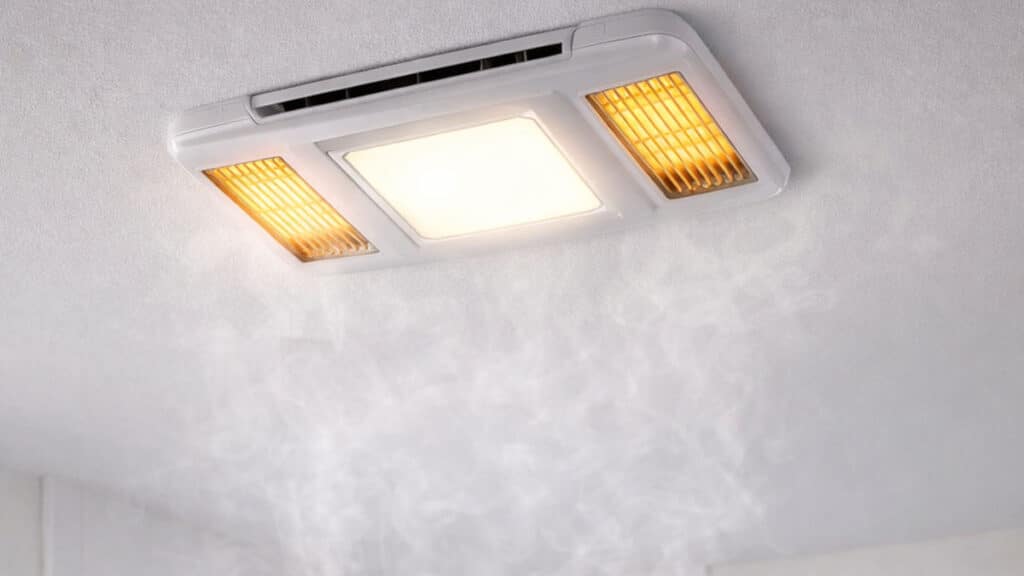
 A bathroom exhaust fan with heater addresses two common issues in residential bathrooms: excess moisture and cold indoor conditions. Homeowners often deal with lingering humidity after showers, which can lead to mold growth, peeling paint, and long-term material damage. At the same time, bathrooms without dedicated heating can feel uncomfortable, especially during colder months.
This guide focuses on practical performance, not marketing claims. It reviews three widely available options and explains how to choose the best bathroom exhaust fan with heater based on airflow, heating capability, and installation conditions. The goal is to help you make a decision that fits your bathroom size, climate, and level of installation complexity.
Side-by-Side Comparison of Top Picks
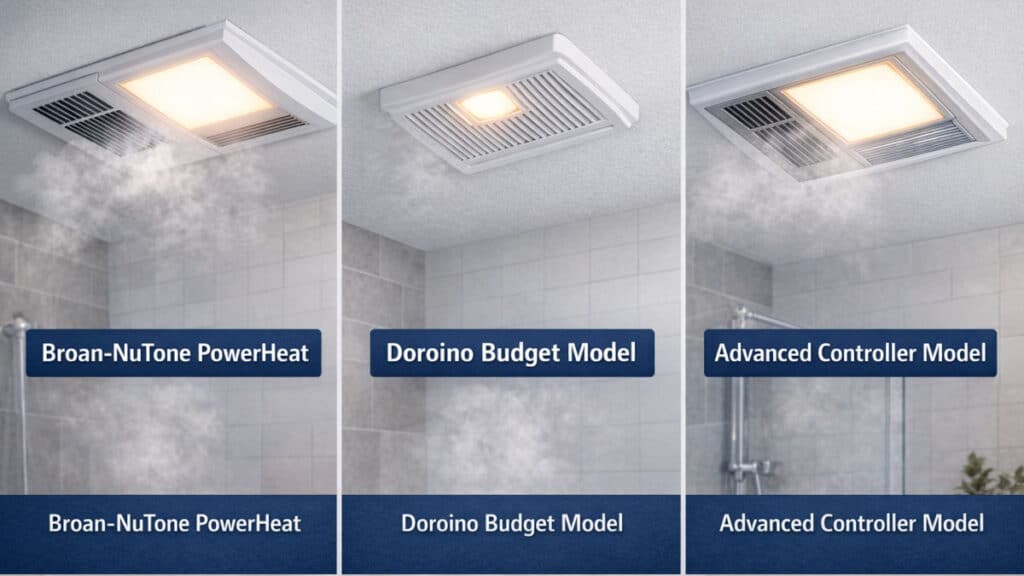
| Product Name | Airflow Category | Noise Level | Heater Output | Coverage Suitability | Lighting | Best For |
|---|---|---|---|---|---|---|
| Broan-NuTone BHFLED80 PowerHeat | Moderate | Quiet to moderate | High | Standard bathrooms | Yes | Most homeowners |
| Doroino Bathroom Exhaust Fan with Heater | Moderate | Moderate | Moderate | Small bathrooms | Yes | Budget upgrades |
| Bathroom Exhaust Fan with Controller (B0F387DQC2) | High | Low to moderate | High | Medium to large bathrooms | Yes | Advanced installs |
Top Overall Choice – Broan-NuTone BHFLED80 PowerHeat Bathroom Exhaust Fan
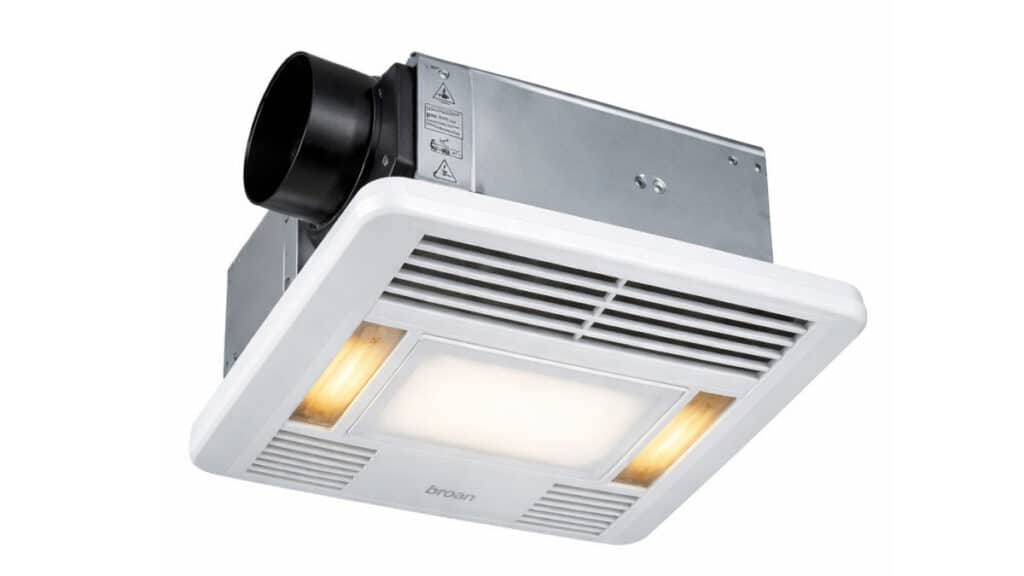
The Broan-NuTone BHFLED80 is a practical choice for most residential bathrooms because it balances ventilation, heating, and lighting without adding unnecessary complexity. It is designed for standard bathroom sizes where consistent moisture removal is the primary concern.
In everyday use, this type of unit performs reliably when paired with proper ducting. It removes humid air at a steady rate while providing enough heat to improve comfort during short periods, such as after a shower or on cold mornings.
Another advantage is long-term reliability. Established manufacturers tend to offer more consistent build quality and easier access to replacement parts. This matters for homeowners planning to keep the unit in service for several years.
The limitation is capacity. For larger bathrooms or spaces with heavy moisture loads, airflow may not be sufficient. In those cases, a higher-capacity unit is a better fit.
Best Value Pick – Doroino Bathroom Exhaust Fan with Heater
The Doroino unit is a cost-conscious option suited for smaller bathrooms or projects where budget constraints are a priority. It combines ventilation, heating, and lighting in a single unit, making it practical for straightforward upgrades.
Performance depends heavily on installation conditions. In short, direct duct runs, it can provide acceptable airflow. However, longer or more complex ducting reduces effectiveness more noticeably compared to higher-end models.
Noise and durability are also factors to consider. Budget units often use simpler motors, which may result in louder operation and shorter service life over time.
This option works best for secondary bathrooms, rental properties, or quick renovations where minimizing upfront cost is more important than long-term performance.
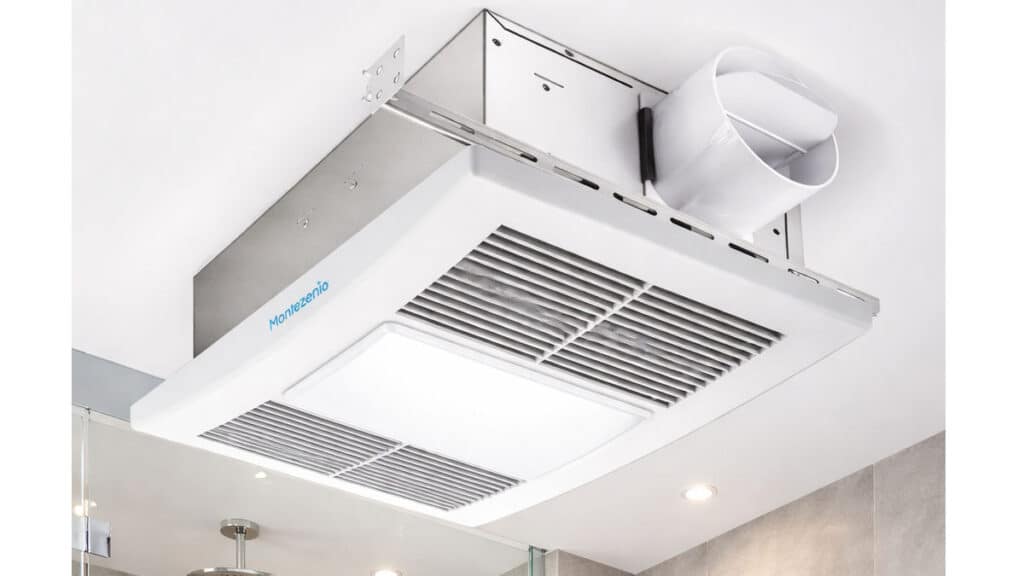
Best High-Performance Option – Bathroom Exhaust Fan with Controller (B0F387DQC2)
This unit is better suited for installations where airflow capacity and control flexibility are priorities. It is designed to handle larger bathrooms or higher moisture loads, where faster air exchange is necessary.
Higher airflow improves real-world performance by reducing how long moisture remains in the room. This helps protect finishes such as drywall, paint, and trim from long-term damage.
The integrated controller adds functionality but also increases installation complexity. Managing separate controls for the fan, heater, and lighting requires careful wiring, which may not be suitable for all DIY projects.
This type of unit is typically selected for full remodels or installations where performance requirements are higher than average.
Our Selection Criteria Explained
The products in this guide were evaluated based on how they perform in real residential conditions rather than advertised specifications alone. Airflow capacity was prioritized because it directly affects moisture removal, which is the primary function of any bathroom exhaust fan.
Noise levels were also considered. A quieter fan is more likely to be used consistently, which improves long-term effectiveness. Loud units often lead to shorter run times, reducing moisture control.
Heating capability was evaluated as a supplemental feature. Bathroom fan heaters are intended to provide short-term comfort, not replace a primary heating system.
Installation practicality played a key role as well. Units that fit standard ceiling openings and work with typical ducting configurations are more useful for homeowners and remodel projects.
How to Choose the Right Bathroom Exhaust Fan with Heater
How to Size Airflow Capacity (CFM) Correctly
Airflow capacity determines how effectively the fan removes moisture. A common guideline is to match airflow to bathroom size, using approximately one unit of airflow capacity per square foot.
In practice, slightly oversizing the fan improves performance, especially in bathrooms with high ceilings or frequent shower use. Undersized fans are a common cause of persistent humidity problems.
How Noise Ratings (Sones) Affect Daily Use
Noise levels influence how often the fan is used. Quieter units encourage longer run times, which improves moisture removal.
In residential settings, lower noise levels are generally preferred. Excessively loud fans often lead to inconsistent use, which reduces their effectiveness.
Evaluating Heating Output and Coverage
Heating performance should be viewed as supplemental. These units provide quick warmth but are not designed to heat an entire bathroom for extended periods.
Electrical requirements should also be considered. Higher-output heaters may require dedicated circuits, which can affect installation scope.
Energy Efficiency and Certification Standards
Energy efficiency affects both operating cost and long-term reliability. Efficient motors tend to run quieter and last longer.
Some jurisdictions require energy-efficient ventilation products in new construction or remodels, so it is important to verify local requirements.
Key Installation Factors to Consider
Installation quality has a direct impact on performance. Short, straight duct runs provide the best airflow. Each bend or restriction reduces effectiveness.
Improper installation is a common issue. For example, venting into an attic instead of outside can lead to moisture buildup and structural damage.
Venting a Bathroom Fan Through a Metal Roof
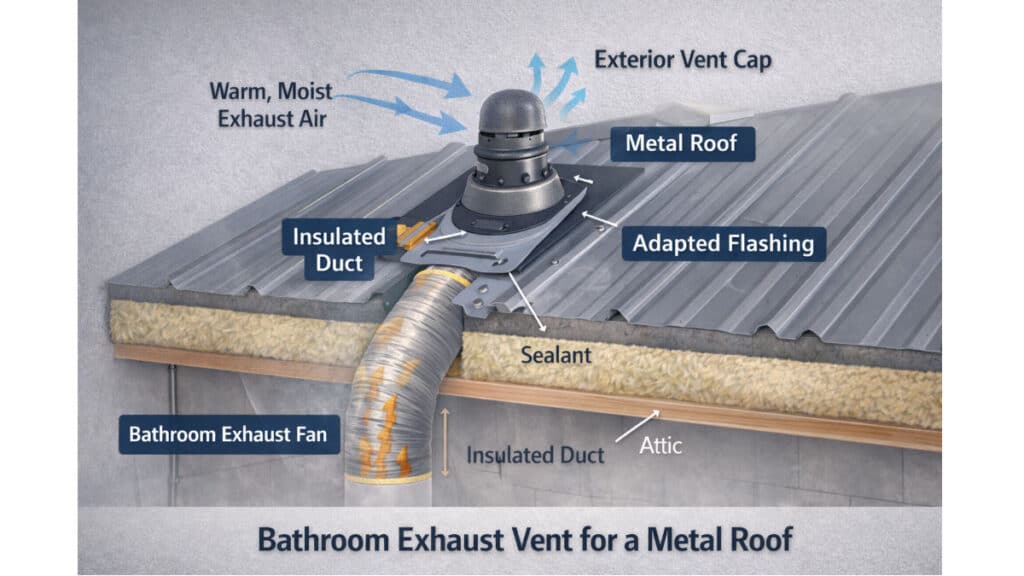
Installing a bathroom exhaust vent for a metal roof requires proper flashing and sealing to prevent leaks. Metal roofing systems need compatible vent caps designed to match panel profiles.
Insulated ducting is recommended to reduce condensation inside the duct. Without insulation, moisture can accumulate and restrict airflow over time.
This type of installation often requires professional experience, especially to ensure long-term weather resistance.
Control Options and Built-In Features
Additional features such as timers, humidity sensors, and integrated lighting improve usability but increase system complexity.
Humidity sensors can automate operation, which helps maintain consistent ventilation. However, more components can also mean more maintenance over time.
Maintenance and Cleaning Requirements
Basic Cleaning Principles for Bathroom Exhaust Fans
Regular cleaning maintains airflow and prevents performance issues. Dust and debris can accumulate on fan blades and housing, reducing efficiency.
In heater-equipped units, buildup can also increase heat retention, which may affect long-term reliability.
Simple Cleaning Process Overview
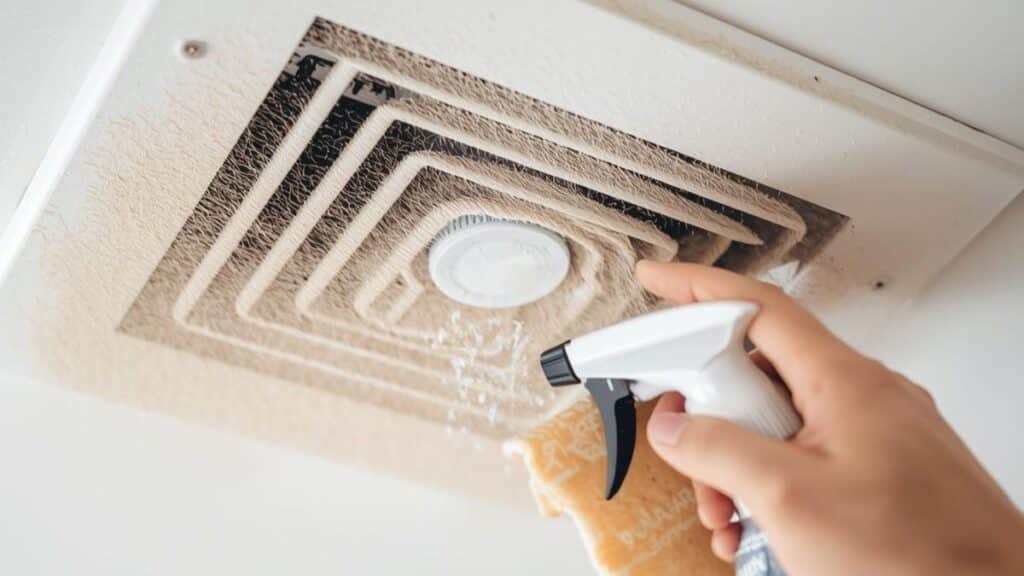
Turn off power at the breaker before starting. Remove the grille and clean it with mild soap and water.
Use a vacuum to remove dust from the fan housing and blades. Check for obstructions in the duct opening.
Care should be taken to avoid damaging internal components during cleaning.
How Often Maintenance Should Be Performed
Most units should be cleaned every six to twelve months. Homes with higher dust levels or frequent use may require more frequent maintenance.
Reduced airflow or increased noise are common signs that cleaning is needed.
Frequently Asked Questions
How Do I Determine the Right Fan Size?
Select a fan based on bathroom size, ensuring sufficient airflow capacity to remove moisture effectively.
Is a Fan with Built-In Heater a Practical Choice?
It can improve comfort in colder conditions, but it should be viewed as supplemental heating rather than a primary heat source.
Is DIY Installation a Viable Option?
Simple replacements may be manageable for experienced DIYers. New installations involving electrical work or roof venting are better handled by professionals.
What Is the Proper Way to Vent Through a Metal Roof?
Use a compatible roof vent with proper flashing and sealing. Incorrect installation can lead to leaks and long-term damage.
What Is the Recommended Cleaning Frequency?
Cleaning every six to twelve months helps maintain airflow and performance.
Is Exterior Venting Required for Bathroom Fans?
Yes. Exhaust air must be vented outside to prevent moisture buildup inside the home.
Final Recommendation and Key Takeaways
The Broan-NuTone BHFLED80 is the most practical choice for standard residential bathrooms. It offers reliable performance and straightforward installation.
The Doroino model is suitable for budget-focused projects or smaller spaces where performance demands are lower.
The controller-based unit is better suited for larger bathrooms or installations where higher airflow and control flexibility are needed.
The most important factor remains airflow. Selecting a unit with adequate capacity and installing it correctly will have a greater impact than additional features. When installation conditions are complex, professional involvement helps ensure long-term performance and compliance.