
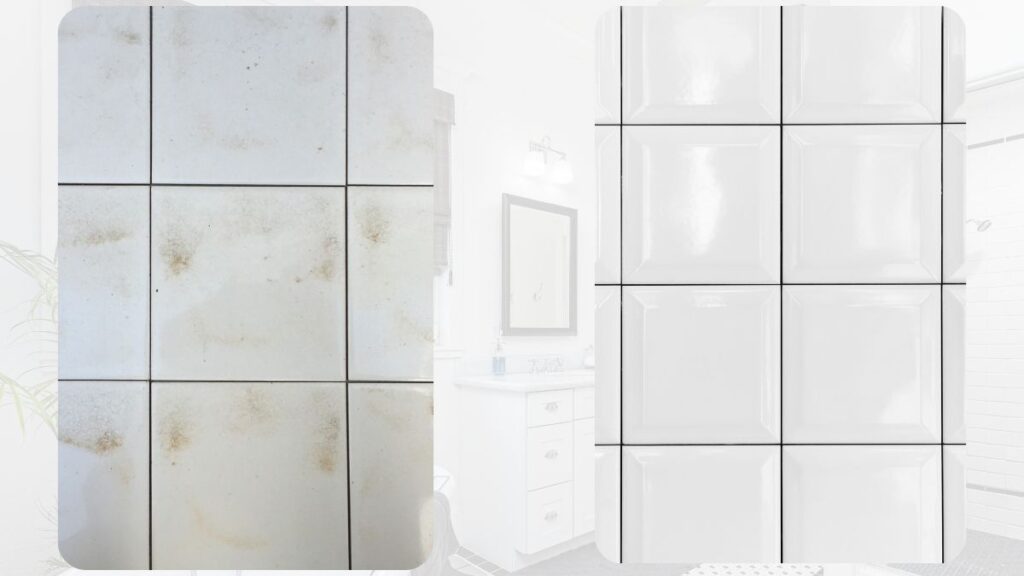
 This guide is for homeowners, DIYers, landlords, and property investors looking for a simple way to clean a toilet using household items. If you have come across the idea of toilet cleaning with Coca Cola, you are likely wondering whether it actually works or is just a myth.
The short answer is that Coca Cola can help remove light stains due to its mild acidity. However, it is not a disinfectant and will not replace a complete bathroom cleaning routine. Understanding where it works and where it falls short will help you use it effectively without wasting time.
Key Things to Understand Before You Begin
Coca Cola contains phosphoric acid, which can break down light mineral deposits such as early limescale. This is why it can help with surface stains around the waterline. The cleaning effect is chemical, not mechanical, so results depend on how long it sits and the severity of the buildup.
This method is best suited for light staining and maintenance cleaning. For example, if you notice a faint ring forming after a few weeks of use, Coca Cola can help loosen it before it hardens into thicker scale.
It is less effective for heavy buildup, rust stains, or long-term mineral deposits. If the stain feels rough or raised, it typically requires a stronger descaler or mechanical removal.
From a plumbing perspective, occasional use is generally safe for standard residential systems, including septic tanks. However, repeated use introduces unnecessary sugar and organic material, which is not ideal for long-term maintenance.
It is also worth noting that this method does not sanitize. If hygiene is a priority, especially in shared or rental properties, a proper disinfectant is still required.
Required Tools and Materials
- 1 to 2 liters of regular Coca Cola
- Toilet brush with nylon bristles
- Rubber gloves
- Optional: baking soda for added scrubbing
- Optional: white vinegar for follow-up cleaning
- Microfiber cloth for exterior surfaces
- Small container or cup for controlled pouring
Avoid abrasive pads or metal brushes. These can scratch the porcelain surface, making it easier for stains to return and harder to clean over time.
How to Clean a Toilet Using Coca Cola (Step-by-Step)
Step 1: Get the Toilet Ready for Cleaning
Start by flushing the toilet to clear loose debris. If you want better results, reduce the water level in the bowl by turning off the supply valve and flushing again. This prevents dilution and allows the Coca Cola to stay concentrated on the stain.
Wear gloves and ensure the bathroom is ventilated. While Coca Cola is mild, you are still working in a confined space with cleaning activity.
Take a moment to check under the rim. This area often holds hidden buildup that contributes to recurring stains.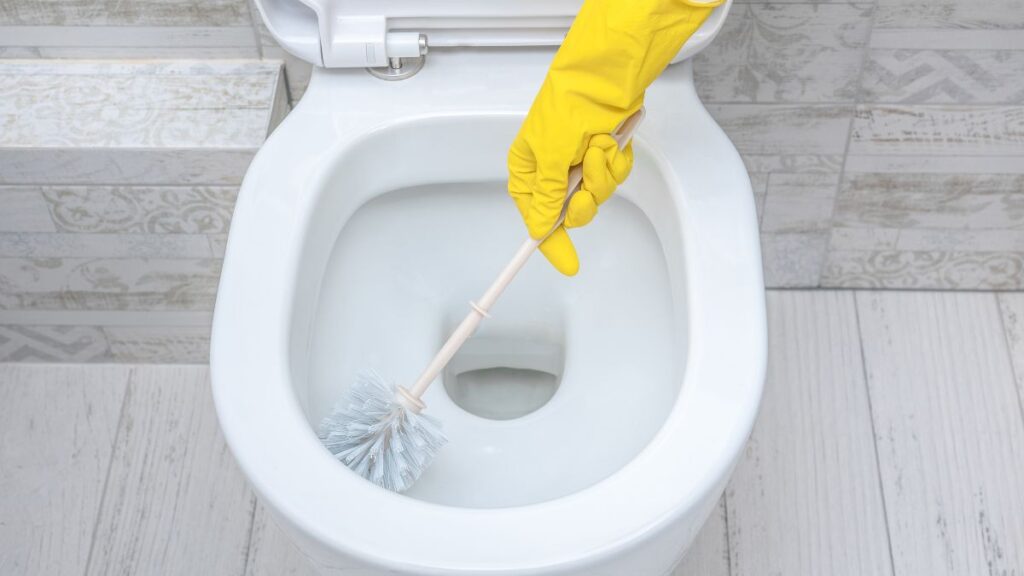
Step 2: Apply Coca Cola and Allow Proper Soaking Time
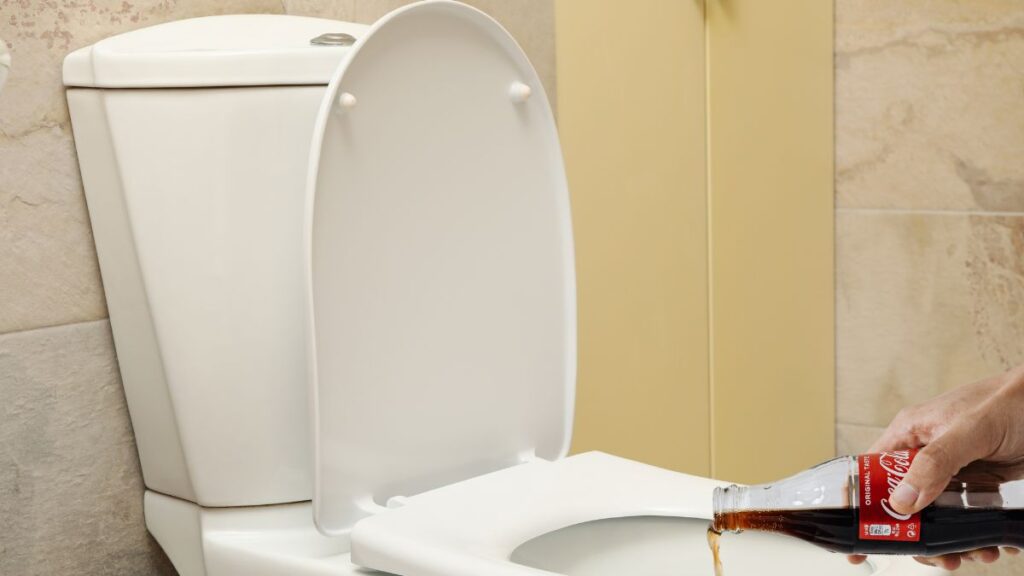
Pour the Coca Cola slowly around the rim so it coats the entire bowl as it flows downward. Focus on the waterline, where mineral deposits are most visible.
Let it sit for at least one hour. For better results, especially with visible staining, leave it overnight. The longer dwell time allows the acid to break down mineral deposits more effectively.
Rushing this step is a common mistake. Without sufficient soaking time, the cleaning effect is minimal.
Step 3: Scrub the Bowl, Flush, and Check the Results
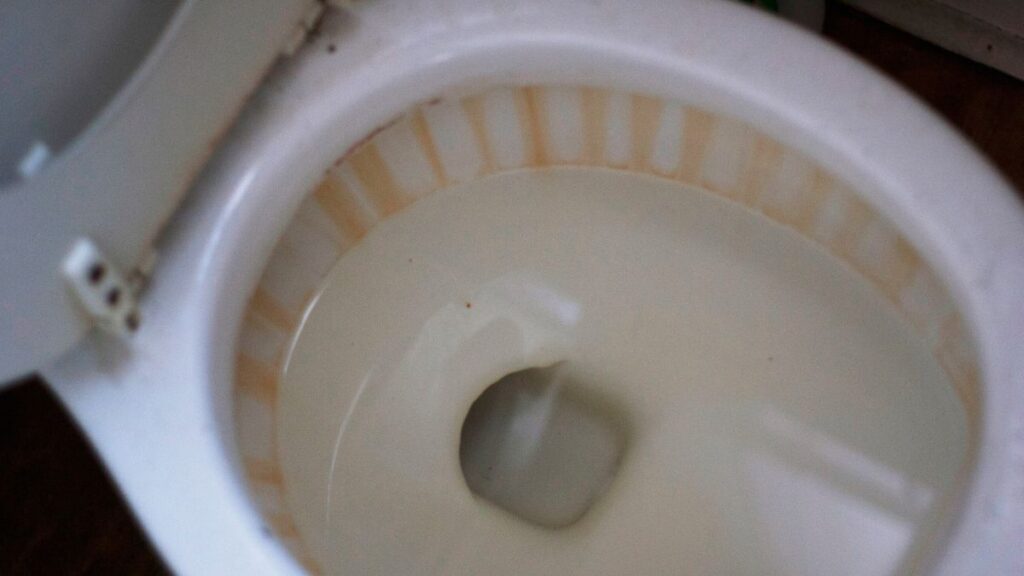
After soaking, scrub the bowl thoroughly using a toilet brush. Pay close attention to the waterline and under the rim, where buildup tends to persist.
Flush the toilet and evaluate the results. Light stains should be noticeably reduced or removed.
If staining remains, repeat the process or follow up with baking soda for additional scrubbing. If the surface still feels rough, the buildup is likely too heavy for this method alone.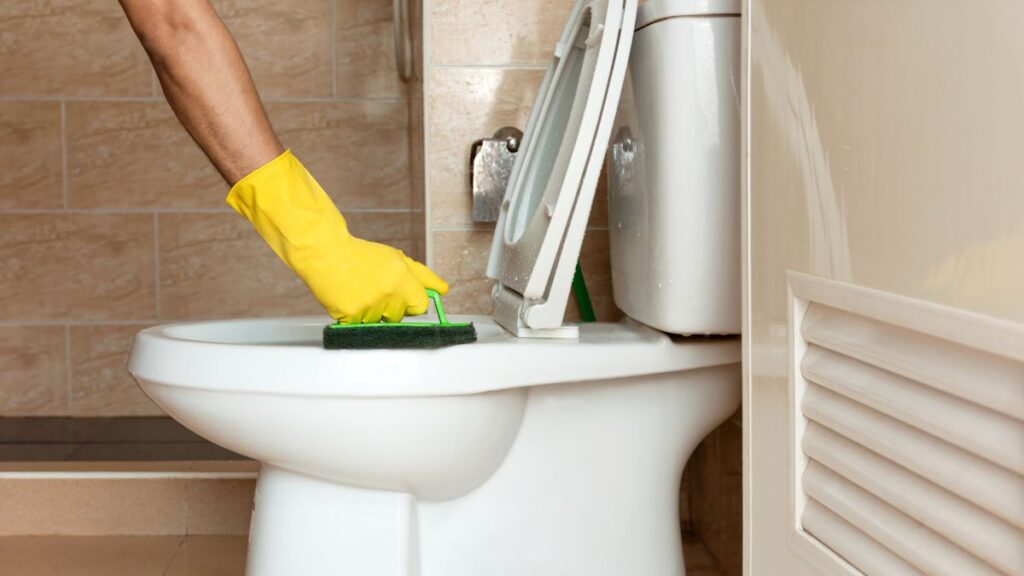
Mistakes to Watch Out for During the Process
One of the most common mistakes is assuming Coca Cola disinfects the toilet. It does not kill bacteria effectively and should not replace proper sanitizing.
Another issue is insufficient dwell time. Pouring and immediately scrubbing limits the chemical reaction needed to loosen deposits.
Skipping the scrubbing step is also ineffective. The acid helps loosen buildup, but physical cleaning is still required to remove it.
Using diet soda reduces effectiveness because it contains less phosphoric acid. Regular Coca Cola performs better for this purpose.
Pouring into a full bowl dilutes the solution, reducing its ability to break down stains. Lowering the water level improves results.
Finally, repeated use without addressing underlying issues, such as hard water, leads to recurring stains. In these cases, the cleaning method is not the root solution.
Safety Practices and Basic Code Considerations
Do not mix Coca Cola with bleach or ammonia-based cleaners. Combining different substances can create harmful fumes, especially in enclosed bathrooms.
Wear gloves to prevent skin irritation during repeated contact. Even mild acids can cause dryness over time.
Clean up any spills immediately. Soda creates a sticky surface that can become a slip hazard on tile floors.
Ensure the toilet trap remains filled with water after cleaning. This water seal is necessary to block sewer gases from entering the home.
For homes with septic systems, occasional use is acceptable. However, frequent use introduces sugars that may affect the balance of bacteria in the tank.
In rental or commercial settings, stain removal alone is not sufficient. Proper sanitation may require EPA-approved disinfectants to meet health standards.
Frequently Asked Questions About Using Coca Cola for Toilet Cleaning
Does Coca Cola really clean toilets effectively?
It can remove light mineral stains and surface buildup. It is not effective for deep cleaning or sanitation.
How long should you leave Coca Cola in the toilet?
At least one hour is recommended. Leaving it overnight improves results for visible stains.
Can Coca Cola remove hard water stains?
It works on light stains but is not strong enough for heavy or long-term mineral deposits.
Is Coca Cola a non toxic bathroom cleaning option?
It is less harsh than many cleaners, but it does not disinfect. It should be used as a supplemental method, not a complete solution.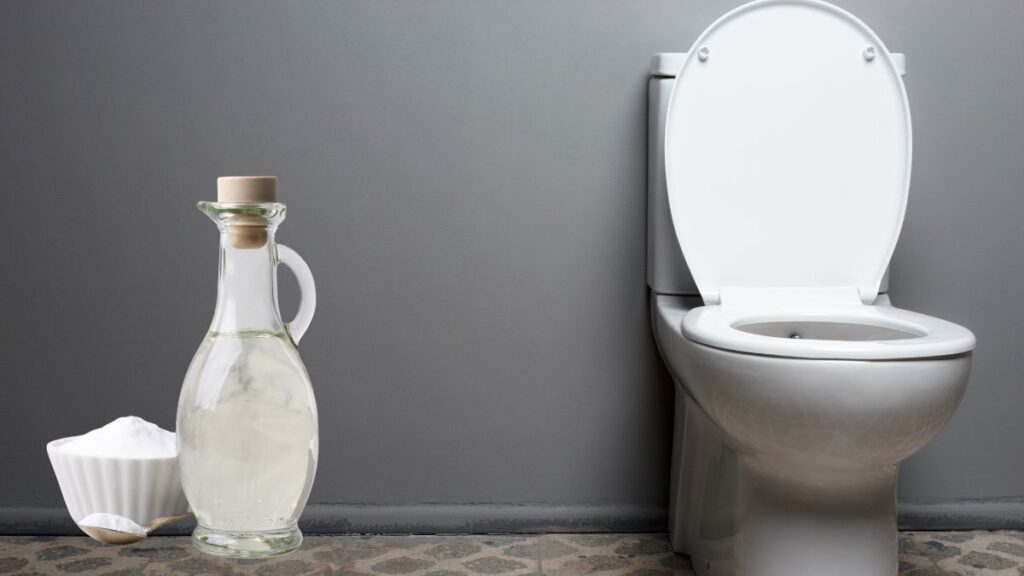
Will Coca Cola damage toilet pipes or septic systems?
Occasional use is generally safe. Frequent use is not recommended due to sugar content and unnecessary organic load.
Can you combine Coca Cola with baking soda or vinegar?
You can use baking soda after soaking to improve scrubbing. Avoid mixing multiple substances at the same time inside the bowl.
What works better, Coca Cola or vinegar?
Vinegar is typically more effective for mineral deposits and does not introduce sugar, making it a more practical option for routine cleaning.
How often can you use Coca Cola to clean a toilet?
Use it occasionally for light maintenance. Regular cleaning should rely on more effective and sanitary methods.
Final Advice and When Professional Help Is the Better Option
If stains return quickly after cleaning, the issue is often hard water. In this case, installing a water softener or filtration system is a more effective long-term solution.
Rust-colored stains may indicate corrosion in older pipes or high iron content in the water supply. These issues require evaluation beyond surface cleaning.
Slow drainage or recurring clogs are not cleaning problems. They may point to partial blockages or venting issues that need to be addressed directly.
If the porcelain surface is cracked or pitted, stains can become permanent. Replacement is often more practical than repeated cleaning attempts.
For landlords and property managers, maintaining sanitation standards is essential. Use appropriate disinfectants during turnovers and inspections rather than relying on stain removal alone.
In practical terms, Coca Cola can be useful for light maintenance cleaning. For consistent results and proper hygiene, it should be part of a broader cleaning approach, not the primary method.