
 Choosing the Right Flooring for Busy Areas
 Choosing the Right Flooring for Busy Areas
High-traffic areas in a home experience constant wear that many flooring materials are not designed to handle. Entryways collect moisture and debris from outside. Hallways see repeated foot traffic throughout the day. Rental properties often experience accelerated wear due to frequent turnover.
Selecting the best flooring for high traffic areas requires more than choosing a durable surface. It involves understanding how materials respond to moisture, how they wear over time, and how easy they are to maintain. A poor choice can lead to premature failure, higher maintenance costs, and even safety concerns.
This guide focuses on practical, real-world flooring solutions that homeowners, DIYers, and property investors can install or evaluate with confidence.
At-a-Glance Product Comparison
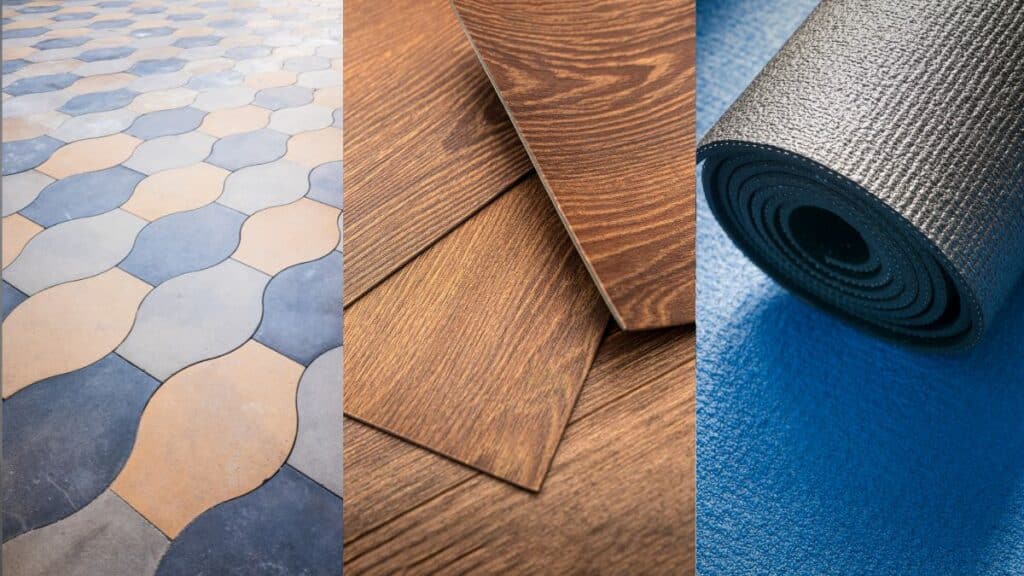
ALTRUISTIC FlexLok Interlocking Tiles
Type: Interlocking modular tiles
Durability: Heavy traffic
Water Resistance: High
Slip Resistance: Textured surface
Installation: Snap-together
Best Use: Entryways, garages, utility corridors
Underlayment: Not required
Mold Resistance: Good due to airflow design
Biyoee Self-Adhesive Vinyl Tiles
Type: Peel-and-stick vinyl
Durability: Moderate traffic
Water Resistance: Moderate to high
Slip Resistance: Smooth to lightly textured
Installation: Adhesive-backed
Best Use: Hallways, rentals
Underlayment: Optional depending on subfloor
Mold Resistance: Dependent on subfloor prep
SUWUYUE Commercial Non-Slip Mats
Type: Loose-lay mats
Durability: Heavy traffic (temporary use)
Water Resistance: High
Slip Resistance: High
Installation: None required
Best Use: Entry protection, job sites
Underlayment: Not applicable
Mold Resistance: Good with drainage design
Best Overall for High Traffic Areas: Interlocking Modular Tile System
Key Performance Characteristics
 Key Performance Characteristics
Interlocking tile systems are designed for environments where durability and moisture management are critical. The rigid structure distributes weight evenly, reducing wear patterns in frequently used pathways.
Strengths in Real-World Use
These tiles perform well under constant foot traffic without compressing or shifting. The textured surface improves traction, which is important in entryways where floors may become wet.
Another advantage is airflow. The slightly elevated design allows moisture to dissipate rather than being trapped beneath the surface. This reduces the likelihood of odors and mold developing over time.
Limitations to Consider
The appearance is more functional than decorative. Visible seams between tiles may not suit living spaces where a continuous finish is preferred.
Where This Option Works Best
This type of flooring is well suited for entryways, mudrooms, garages, and utility hallways. It is also effective in rental properties where durability and ease of replacement are priorities.
Subfloor and Underlayment Considerations
Underlayment is typically not required due to the rigidity of the tiles. However, the subfloor should still be clean and reasonably level to ensure proper locking and alignment.
Moisture and Mold Performance
The open design reduces moisture retention. This makes it a practical choice in areas where water exposure is common and difficult to control.
Best Budget-Friendly Flooring Option: Peel-and-Stick Vinyl Tiles
Key Performance Characteristics
 Key Performance Characteristics
Peel-and-stick vinyl tiles offer a low-cost and accessible flooring solution. They are thin, flexible, and designed for quick installation without specialized tools.
Strengths in Real-World Use
The primary advantage is affordability. This makes them suitable for budget-conscious renovations or rental property updates. Installation is fast, allowing homeowners to complete small spaces in a short time.
Limitations to Consider
Performance depends heavily on subfloor preparation. Any dust, unevenness, or moisture can cause adhesion failure. Over time, edges may lift in high-traffic areas.
They are also less resistant to impact and wear compared to thicker flooring systems.
Where This Option Works Best
These tiles are most effective in hallways with moderate traffic and in spaces where a quick upgrade is needed. They are commonly used during rental turnovers.
Subfloor Preparation and Underlayment
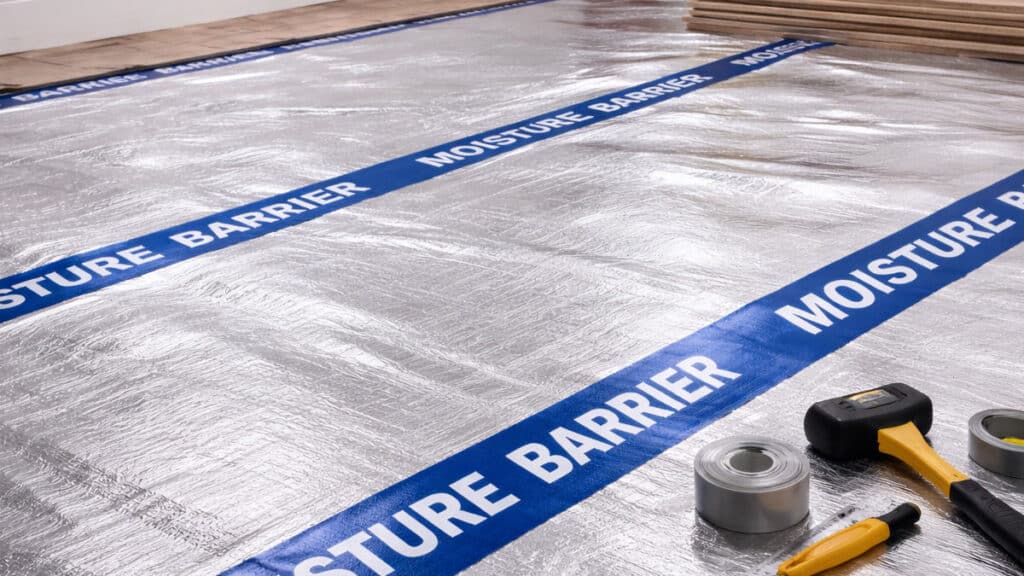
Underlayment is generally not used. Instead, the subfloor must be smooth, dry, and clean. In moisture-prone areas, adding a vapor barrier before installation can improve long-term performance.
Moisture and Mold Considerations
If moisture becomes trapped beneath the tiles, it can lead to mold growth. Proper preparation and moisture control are critical to avoid this issue.
Best for Professional and Temporary Applications: Non-Slip Floor Mats
Key Performance Characteristics
 Key Performance Characteristics
Non-slip mats are designed for safety and temporary surface protection. They are commonly used in commercial and jobsite environments.
Strengths in Real-World Use
These mats provide immediate traction, reducing slip risk in wet or debris-prone areas. They are also easy to remove and clean, which simplifies maintenance.
Limitations to Consider
This is not a permanent flooring solution. The mats sit on top of existing flooring and do not replace it. Their appearance is functional rather than decorative.
Where This Option Works Best
They are useful in entryways to capture dirt and moisture before it reaches finished flooring. Contractors often use them to protect floors during renovations.
Installation Context
No installation is required. The mats are simply placed where needed, making them suitable for temporary or flexible use cases.
Moisture and Drainage Performance
The design allows water to drain or evaporate. Because the mats can be removed, they reduce the risk of long-term moisture buildup.
How These Flooring Options Were Evaluated
Performance Under Heavy Foot Traffic
Each option was assessed based on its ability to handle repeated use without visible wear or structural failure.
Moisture Handling and Mold Resistance
Materials that resist water absorption or allow moisture to escape were prioritized. This is essential in entryways and basements.
Installation Practicality
Ease of installation was considered, particularly for homeowners managing their own projects. Products requiring minimal tools and preparation scored higher.
Cost Versus Long-Term Value
Initial cost was weighed against expected lifespan. Products that require frequent replacement were considered less efficient over time.
Real-World Applicability
All products were evaluated based on typical residential use rather than ideal conditions.
What to Look for When Selecting Flooring
Durability for High Traffic Areas
Materials should resist scratching, denting, and surface wear. Thin or soft flooring tends to degrade quickly in busy areas.
Water Resistance and Waterproofing
Waterproof materials are more suitable for entryways and mudrooms. Moisture exposure is frequent in these areas and can lead to long-term damage.
Hallway-Specific Requirements
Hallways benefit from surfaces that are easy to clean and resistant to visible wear patterns. Traction is also important to reduce slip risk.
Best Flooring Underlayment Options
Underlayment may be required for sound reduction or moisture protection. Foam is common for floating floors, while cork and rubber provide better insulation.
Some systems, such as modular tiles, eliminate the need for underlayment due to their design.
Best Flooring to Prevent Mold
Non-porous materials such as vinyl and plastic are less likely to support mold growth. However, preventing moisture buildup beneath the flooring is equally important.
Installation Method Considerations
Floating and interlocking systems are generally easier for DIY installation. Adhesive systems require more preparation and attention to detail.
Maintenance Requirements
High-traffic areas require frequent cleaning. Choosing materials that resist staining and are easy to maintain reduces long-term effort.
Common Questions About High-Traffic Flooring
What is the best flooring for high traffic areas in a home?
Durable options such as interlocking tiles or high-quality vinyl are commonly used because they handle wear and are easy to maintain.
What works best for a busy hallway?
Hallways benefit from scratch-resistant and easy-to-clean surfaces. Materials that maintain traction under heavy use are preferred.
Do I need underlayment for peel-and-stick flooring?
Underlayment is not typically used. Instead, proper subfloor preparation is essential for long-term performance.
What flooring helps prevent mold?
Non-porous materials combined with proper moisture control are the most effective. Preventing trapped moisture is key.
How long should high-traffic flooring last?
Durable flooring can last several years under heavy use. Lower-cost options may require earlier replacement depending on conditions.
Final Recommendations for Different Use Cases
Best Overall Choice
Interlocking modular tiles provide the most reliable performance in demanding conditions. They handle moisture well and resist long-term wear.
Best Budget Option
Peel-and-stick vinyl tiles offer a practical solution for low-cost upgrades when installed on a properly prepared subfloor.
Best for Temporary or Professional Use
Non-slip mats are effective for safety and temporary protection but should not be considered a permanent flooring solution.
Making the Right Decision
The best choice depends on how the space is used. Permanent high-traffic areas benefit from durable systems, while temporary needs can be addressed with protective solutions.
Subfloor condition and moisture exposure are often the deciding factors in whether flooring performs as expected over time.