
 Introduction
 Introduction
This guide is designed for homeowners, DIY-inclined readers, property investors, and contractor-aware consumers dealing with common toilet performance issues. If your toilet bowl keeps running, won’t fill with water, or doesn’t refill properly after flushing, the problem is usually isolated to a few internal components. Understanding how these parts function will help you fix the issue efficiently and avoid unnecessary replacements.
In most cases, a running or poorly filling toilet is caused by a worn flapper, a misadjusted float, or a malfunctioning fill valve. These components regulate water flow into and out of the tank. When one fails, the system cannot maintain a stable water level. The good news is that these are typically low-cost repairs that can be completed with basic tools and minimal experience.
Understanding the Basics Before You Begin
A toilet operates through a simple mechanical system inside the tank. When you flush, the flapper lifts to release water into the bowl. Once the tank empties, the flapper reseals, and the fill valve refills the tank. A float controls when the water shuts off, while a refill tube directs a small amount of water into the bowl. When any of these components fail or fall out of adjustment, problems such as continuous running or incomplete filling occur.
If the toilet bowl keeps running, water is either leaking past the flapper or continuously entering the tank and spilling into the overflow tube. If the toilet bowl won’t fill with water, the issue typically involves the fill valve or supply line. When the toilet bowl doesn’t fill up after flushing, the refill tube or fill valve is not delivering enough water to the bowl. Identifying the exact symptom is critical, since replacing the wrong component will not resolve the issue.
Required Tools and Replacement Parts
Most toilet repairs can be completed with basic tools. An adjustable wrench is used to disconnect the water supply line, while a screwdriver may be needed for float adjustments. Channel-lock pliers can help loosen fittings, but should be used carefully to avoid damaging plastic components.
Common replacement parts include flappers, fill valves, and float assemblies. A flapper is usually the least expensive and most frequently replaced component. Fill valves are slightly more involved but still straightforward to install. It is important to select parts that match your toilet’s configuration, even when labeled as universal. Having towels, a bucket, and cleaning materials on hand will make the process more manageable and reduce mess.
How to Fix the Problem Step by Step
Step 1: Shut Off the Water and Inspect the Tank Interior
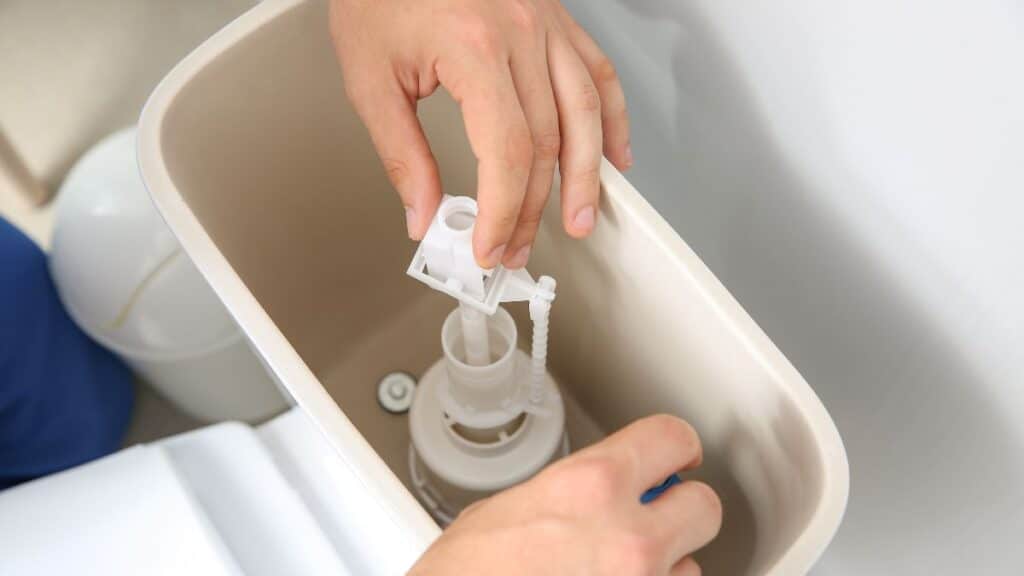
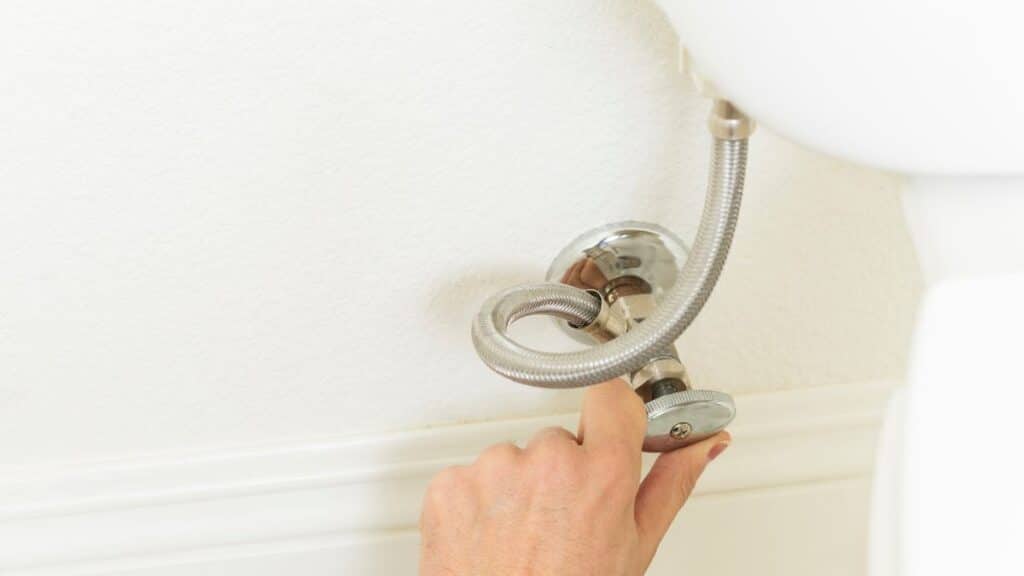
Turn the shutoff valve clockwise to stop the water supply, then flush the toilet to empty most of the tank. Carefully remove the lid and observe how the system behaves as it refills. Look for signs such as water flowing into the overflow tube, a tank that fails to refill, or continuous movement of water even after the tank reaches its normal level.
This initial inspection is essential because it allows you to identify whether the issue is related to sealing, filling, or overflow. For example, water entering the overflow tube indicates a fill valve or float problem, while a slowly draining tank often points to a worn flapper.
Step 2: Identify the Cause Based on What You Observe
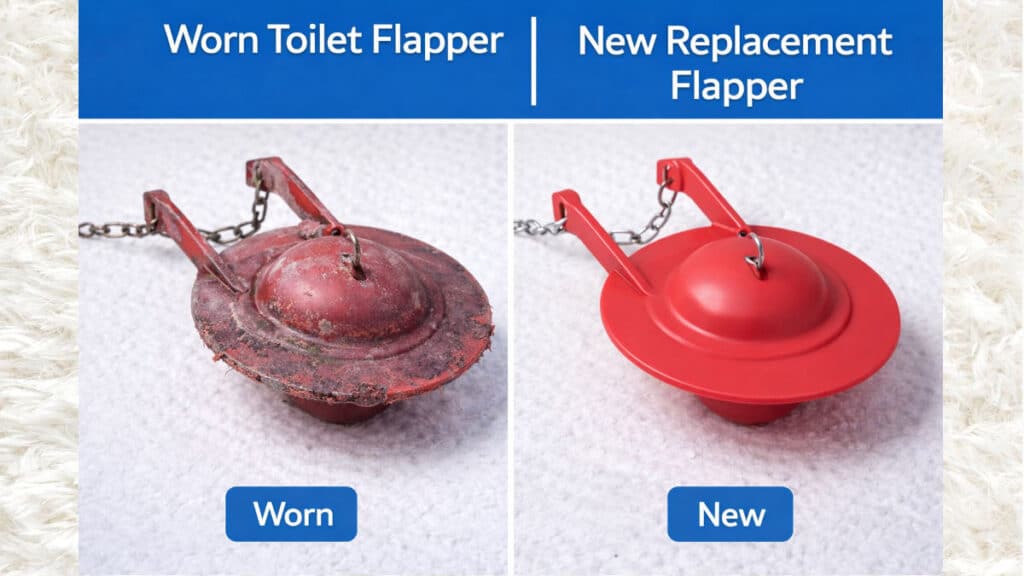
If the toilet bowl keeps running, press down gently on the flapper while the tank is full. If the running stops, the flapper is not sealing properly. This can result from wear, warping, or debris buildup. Check the chain as well, since improper slack can prevent the flapper from closing fully.
If the toilet bowl won’t stop filling, examine the float. A float set too high or stuck in position will prevent the fill valve from shutting off, allowing water to flow continuously into the overflow tube. If the toilet bowl won’t fill with water, confirm that the shutoff valve is open and that the supply line is not restricted. A clogged or damaged fill valve is often the cause. When the toilet bowl doesn’t fill up after flushing, the refill tube may be disconnected or improperly positioned, reducing water flow into the bowl.
Step 3: Apply the Correct Fix for the Issue
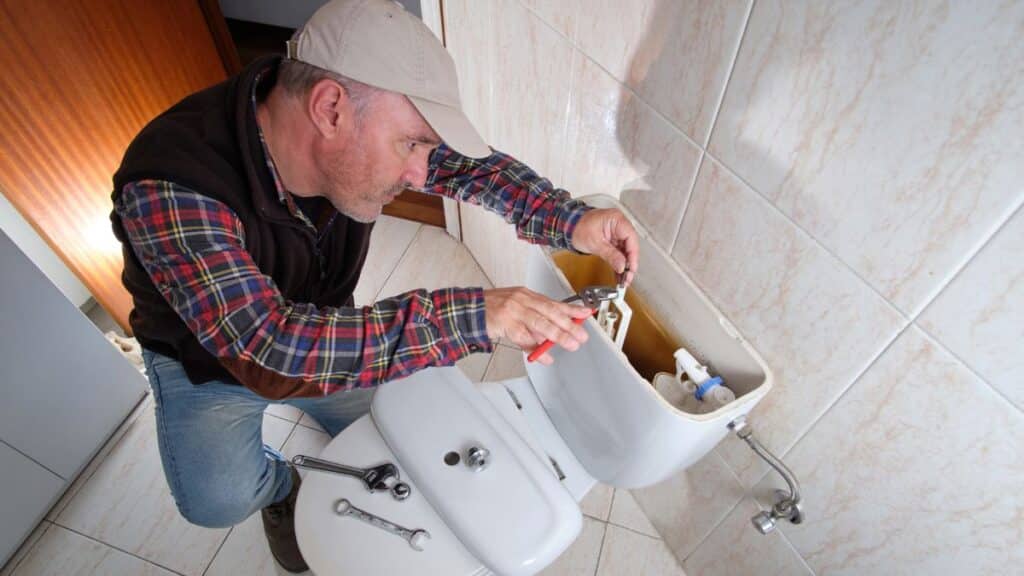
To resolve a running toilet caused by a faulty flapper, remove the old flapper and clean the sealing surface before installing a new one. Adjust the chain so there is slight slack when the flapper is closed. This ensures a proper seal without restricting movement during flushing.
If the fill valve is malfunctioning, disconnect the supply line, remove the old valve, and install a new one according to the manufacturer’s instructions. Adjust the float to set the correct water level, keeping it below the overflow tube. For minor issues, adjusting the float alone may stop the problem without replacing parts.
If the refill tube is the issue, reposition it so it directs water into the overflow pipe without being submerged. This prevents siphoning, which can cause continuous running. If sediment buildup is present, flushing or cleaning the valve may restore function, but replacement is often more reliable for long-term performance.
Mistakes to Watch Out for During Repairs
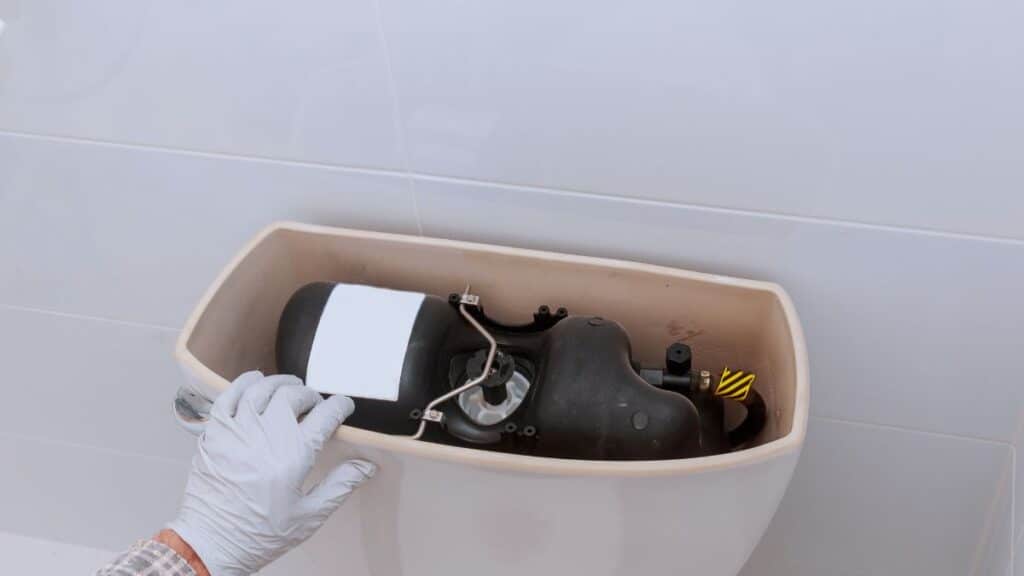
One of the most common mistakes is replacing parts without confirming the cause of the problem. For example, installing a new fill valve when the issue is actually a worn flapper will not fix a running toilet. Similarly, setting the water level too high allows water to flow into the overflow tube, creating the appearance of a more complex issue.
Improper chain adjustment is another frequent error. A chain that is too tight prevents the flapper from sealing, while one that is too loose affects flushing performance. Using incompatible replacement parts can also lead to poor fit and recurring leaks. Overtightening plastic components may cause cracks, and incorrect refill tube placement can result in siphoning and continuous water flow.
Important Safety and Plumbing Code Considerations
Toilet repairs are generally straightforward, but improper handling can lead to leaks or system contamination. Avoid overtightening connections, as most components are plastic and prone to cracking. Ensure the refill tube is positioned above the overflow opening to prevent backflow, which is a basic requirement for maintaining water safety.
Use replacement parts that meet recognized U.S. standards to ensure compatibility and durability. While minor repairs typically do not require permits, full toilet replacements may be subject to local plumbing codes, especially when upgrading to water-efficient models. Always confirm that the shutoff valve is functional and accessible, as this is essential for both maintenance and emergency situations.
Frequently Asked Questions About Toilet Issues
Why does my toilet bowl keep running after flushing?
This usually occurs because water is leaking past the flapper or the fill valve is not shutting off properly. Both conditions prevent the tank from maintaining a stable water level.
Why won’t my toilet bowl fill with water?
The issue is often related to a closed shutoff valve, a blocked supply line, or a malfunctioning fill valve. Sediment buildup can also restrict water flow.
Why does my toilet keep filling and won’t stop?
A misadjusted float or faulty fill valve can allow water to continuously enter the tank and overflow into the tube.
Why doesn’t my toilet bowl refill after flushing?
This is typically caused by a disconnected or improperly positioned refill tube or a fill valve that is not delivering sufficient water.
How much water should be in a toilet bowl?
The bowl should fill to a level that supports effective flushing. This level is controlled indirectly by the refill system rather than manual adjustment.
Is a running toilet expensive to ignore?
Yes, even a slow leak can waste a significant amount of water daily, increasing utility costs and accelerating component wear.
Can I fix a running toilet without replacing parts?
In some cases, adjustments or cleaning may resolve the issue. However, worn components often require replacement for a lasting solution.
How long does it take to fix a toilet that keeps running?
Most repairs can be completed within an hour once the correct issue has been identified and parts are available.
Practical Advice and When It’s Best to Call a Professional
If the problem persists after replacing common components, there may be damage to internal parts such as the flush valve seat. Cracked tanks or bowls require full replacement rather than repair. Issues with the shutoff valve or water supply line at the wall are also best handled by a professional to avoid further damage.
Leaks at the base of the toilet may indicate a failed wax ring or flange problem, which involves removing the toilet. While some experienced DIYers can handle this, improper installation can lead to recurring leaks. For older toilets or repeated failures, replacing the entire unit may be more practical and cost-effective. Knowing when to stop troubleshooting and seek professional help helps prevent unnecessary complications and ensures a reliable repair.