
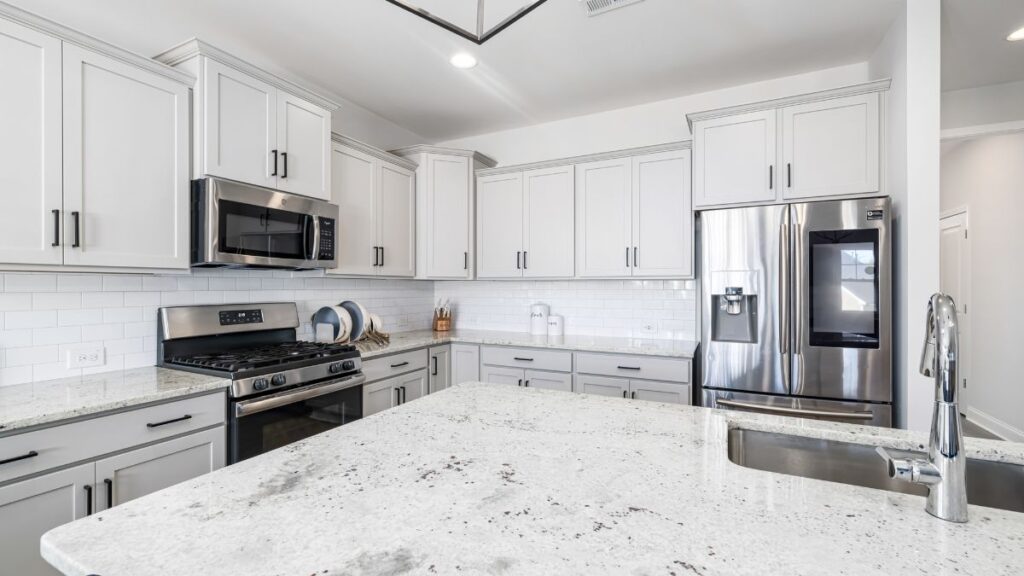
Quartz countertops are often described as low maintenance, but that phrase is misleading. Quartz is durable, yet its performance depends heavily on how it is cleaned. Many appearance issues blamed on “bad quartz” are actually the result of improper cleaning products or habits.
This guide answers a specific homeowner question—what’s the best cleaner for quartz countertops—while also explaining what to avoid, when cleaning stops working, and when professional repair becomes the smarter option. By the end, you should know how to clean quartz safely, how to disinfect it when necessary, and how to avoid damage that cannot be reversed.
How Quartz Countertops Are Made—and Why That Matters for Cleaning
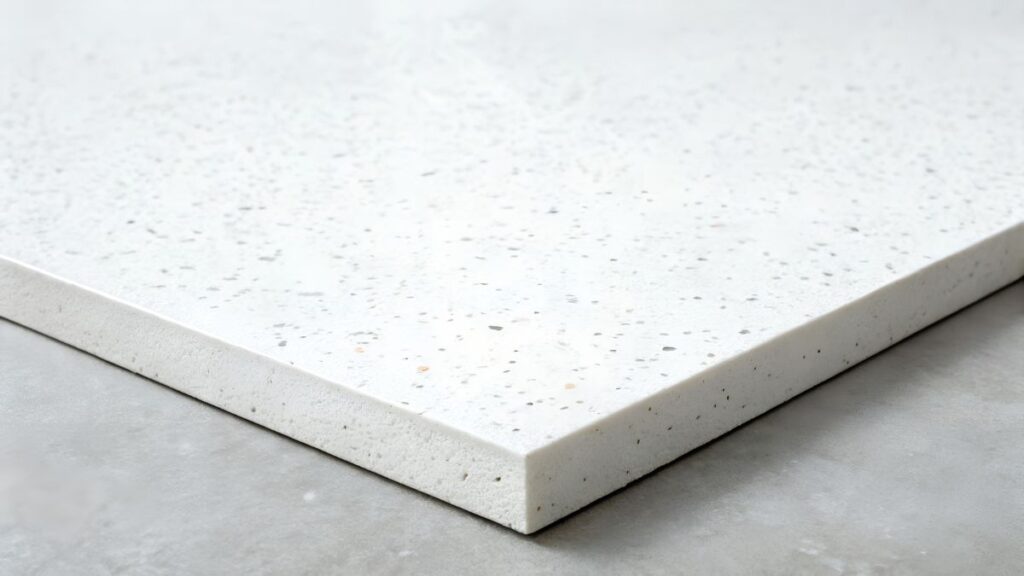
Quartz countertops are engineered surfaces made from ground natural quartz combined with polymer resins and pigments. The quartz provides hardness and scratch resistance. The resin binds the material and creates a smooth, consistent finish.
From a maintenance perspective, the resin is the limiting factor. It is sensitive to repeated chemical exposure, abrasion, and excessive heat. When homeowners damage quartz, it is almost always the resin—not the stone—that fails.
Unlike granite or marble, quartz is non-porous and does not require sealing. Cleaning should focus on preserving the resin and factory finish, not penetrating or scrubbing the surface. Products designed to “deep clean” stone are unnecessary and often harmful.
The Best Way to Clean Quartz Countertops for Everyday Use
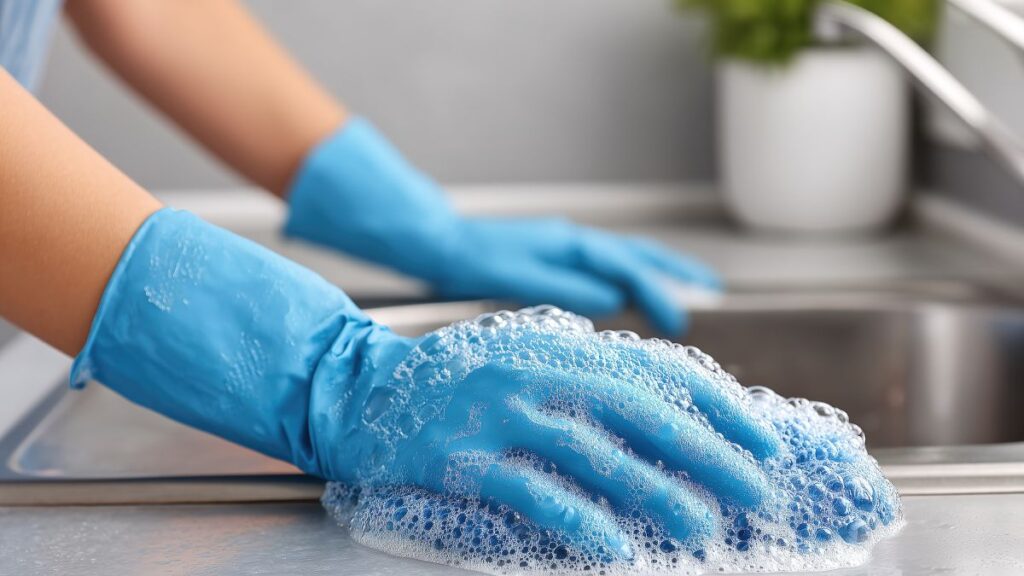
For daily cleaning, the most effective and safest method is warm water, a small amount of mild dish soap, and a microfiber cloth.
Dish soap works because it breaks down oils and food residue without attacking the resin. Using more soap does not improve cleaning and often leaves a film that makes the surface look dull. A few drops in water is sufficient.
Microfiber cloths lift debris instead of dragging it across the surface. Over time, rough sponges and paper towels contribute to micro-scratching, especially in high-use areas around sinks and prep zones.
In most homes, cleaning once or twice a day is adequate. Constant wiping throughout the day increases chemical exposure and wear without improving hygiene or appearance.
How to Clean Quartz Countertops When Routine Cleaning Falls Short
When soap and water do not remove a mess, the solution is usually time and technique—not stronger chemicals.
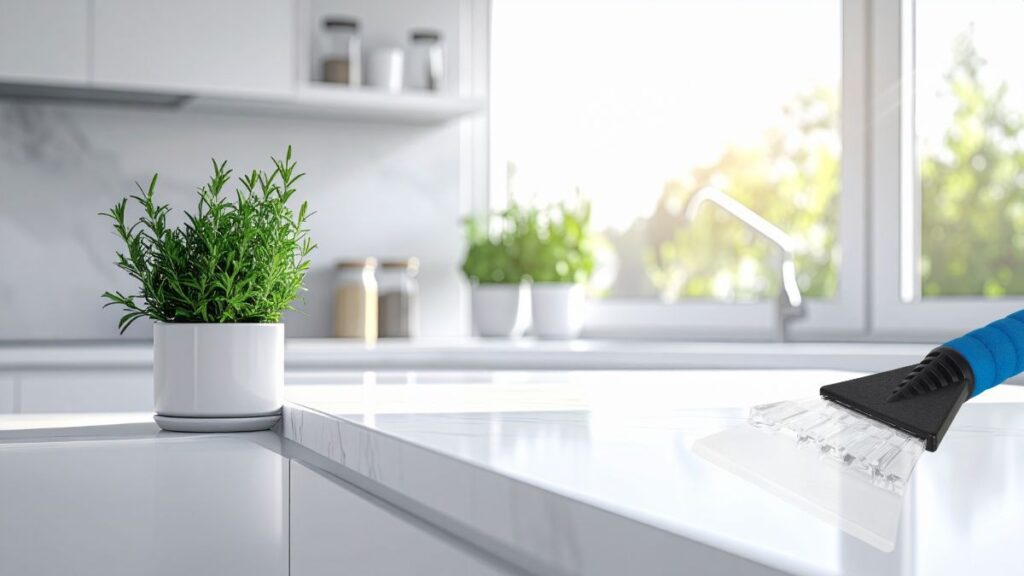
Dried spills and grease should be softened first. A damp cloth placed over the area for several minutes loosens residue and reduces the need for scrubbing. For hardened material, a plastic scraper or old credit card can be used gently at a low angle.
If residue remains, a non-abrasive cleaner labeled safe for quartz can be used briefly. Apply, wipe, rinse with water, and dry. Allowing cleaners to sit longer does not improve results and increases the risk of resin damage.
A useful decision threshold: if residue does not improve after gentle mechanical removal and one approved cleaner attempt, stop escalating. Continued scrubbing or stronger products are more likely to damage the surface than remove the problem.
Disinfecting Quartz Countertops Without Damaging the Surface
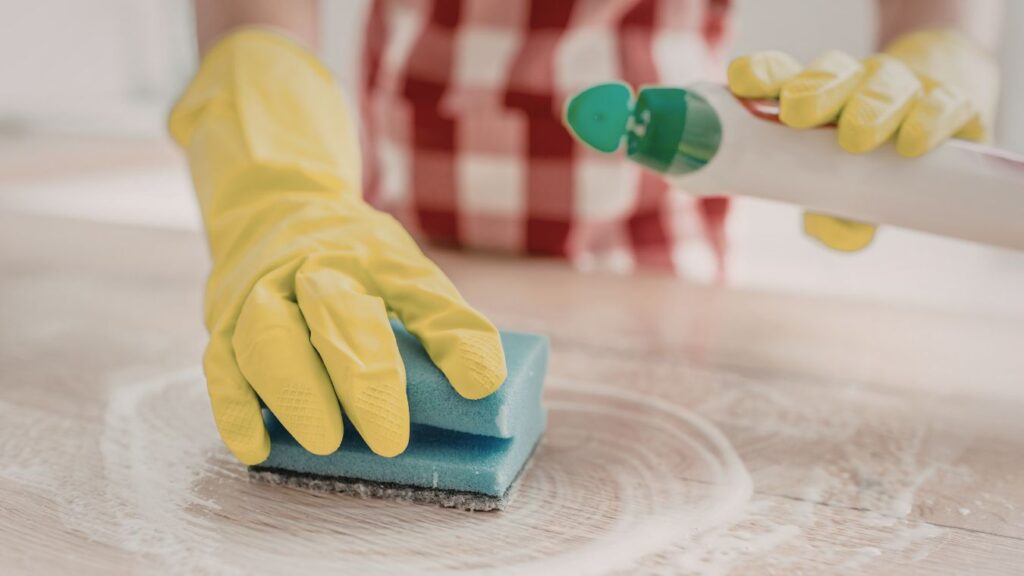
Disinfecting serves a different purpose than routine cleaning and should be used selectively. Situations such as raw meat preparation or illness justify disinfection. Daily disinfection does not.
Alcohol-based disinfectants are generally the safest option for quartz when used correctly. Solutions containing up to 70 percent isopropyl alcohol can disinfect effectively if wiped off after the required contact time.
Rinsing after disinfecting is essential. Residue left behind can cause streaking, haze, or dullness that homeowners often mistake for permanent staining.
Bleach is a common mistake. While occasional accidental contact may not cause immediate damage, repeated use weakens the resin and can permanently discolor the surface—especially darker or patterned quartz.
Why Antibacterial Cleaners Are Usually Unnecessary for Quartz
Many antibacterial cleaners rely on stronger chemical agents than quartz requires. While these products have valid uses, they are rarely appropriate for frequent application on engineered stone.
Quartz is non-porous, which means bacteria do not penetrate the surface. Effective cleaning physically removes contaminants. Repeated antibacterial treatment adds chemical stress without providing additional protection.
When antibacterial action is warranted, alcohol-based solutions or manufacturer-approved cleaners are the most practical options. Products marketed as “industrial-strength” or “hospital-grade” often exceed what residential quartz can tolerate over time.
For homeowners, the key distinction is this: cleanliness comes from removal, not chemical intensity.
Are Wipes a Good Option for Quartz Countertops?
Pre-moistened wipes are convenient, but they are one of the most common contributors to long-term quartz damage.
Many wipes contain citric acid, bleach substitutes, or surfactants that leave residue behind. Used occasionally, wipes labeled safe for quartz are unlikely to cause immediate harm. Used daily, they often lead to dullness, streaking, or a tacky surface that attracts dirt.
Wipes also encourage over-cleaning. Because they are easy to grab, countertops may be wiped repeatedly throughout the day, increasing chemical exposure.
If wipes are used, they should be followed by a damp cloth and dried. They should supplement—not replace—soap-and-water cleaning.
Cleaning Products That Cause Long-Term Quartz Damage
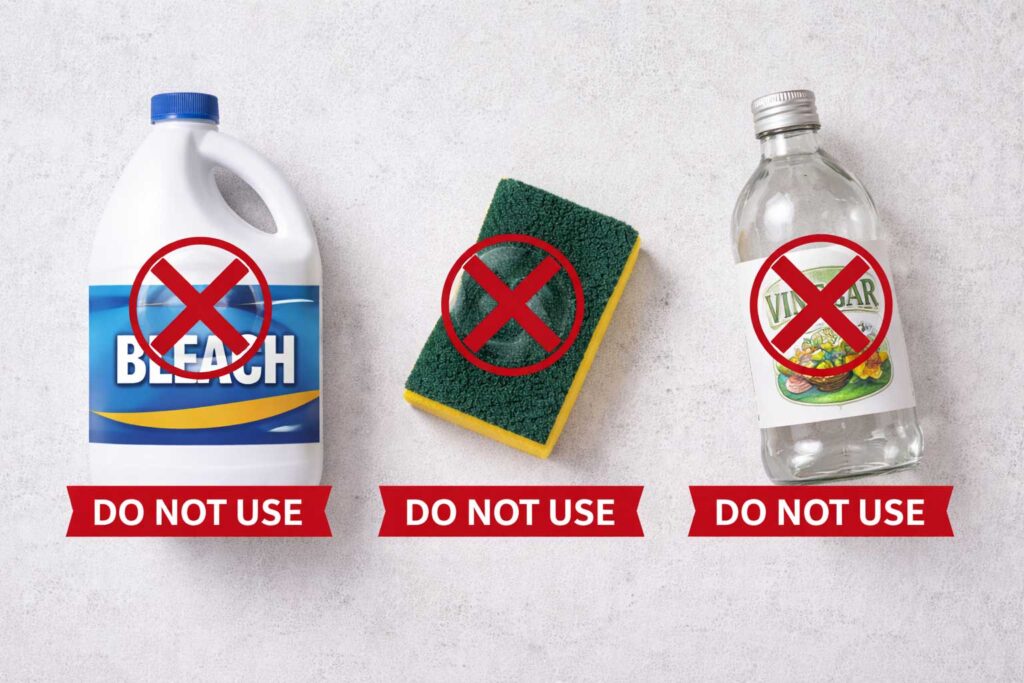
Certain products consistently damage quartz and should be avoided entirely. These include bleach, oven cleaners, degreasers, and drain cleaners. Even brief contact can weaken or discolor the resin.
Acidic cleaners such as vinegar, lemon juice, and ammonia-based products also cause problems with repeated use. While quartz resists staining, the resin does not tolerate ongoing acid exposure.
Abrasive powders, scouring pads, and melamine foam sponges create micro-scratches. These scratches trap residue and cause the surface to appear permanently dirty.
Damage from these products is cumulative. By the time homeowners notice a permanent change, restoration options are limited.
Why Granite Sealing Rules Don’t Apply to Quartz
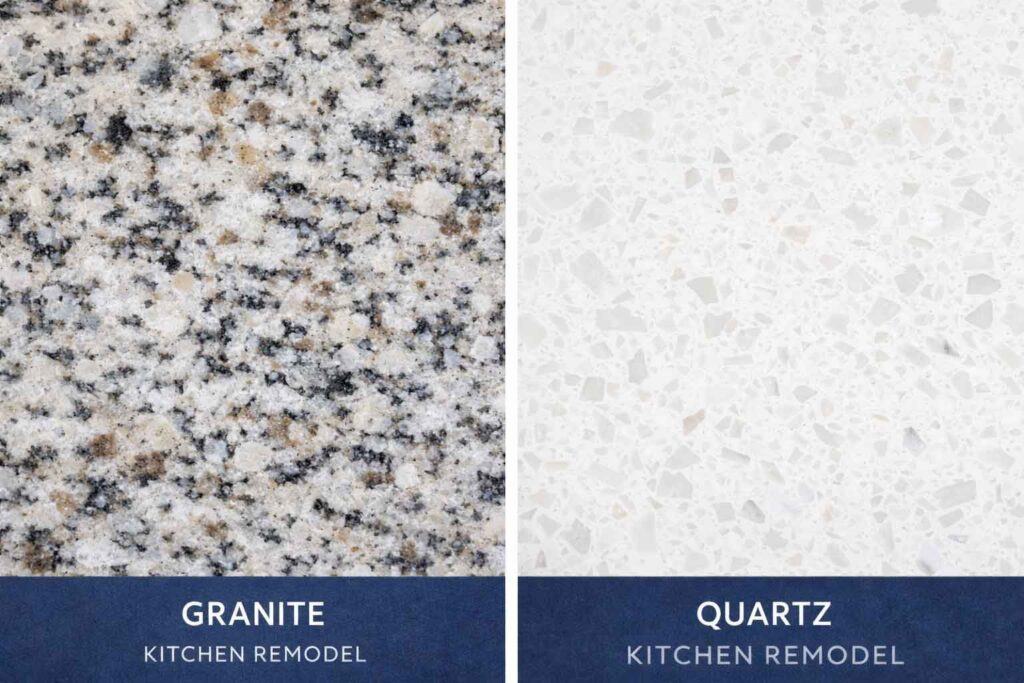
Granite countertops require sealing because they are porous. Many granite cleaners are designed to penetrate stone and deposit protective agents.
Quartz does not absorb liquids and does not benefit from sealers. Applying granite sealers to quartz often results in residue buildup, streaking, or uneven sheen.
This mistake is common in homes with mixed countertop materials. Using one product for both granite and quartz may be convenient, but it is rarely correct.
Quartz offers lower long-term maintenance costs than granite only when it is cleaned according to its material properties.
Long-Term Quartz Countertop Care That Prevents Damage
Long-term maintenance relies on consistency rather than intensity. Daily cleaning, weekly checks for residue buildup, and prompt spill removal prevent most surface issues.
Heat protection is essential. Quartz tolerates moderate heat, but hot cookware can cause thermal shock or resin discoloration. Trivets and heat pads are part of proper use, not optional accessories.
Cutting boards protect both the countertop and knives. Repeated cutting in the same area dulls the finish and creates visible wear patterns.
Hard water spots and soap residue should be addressed early. Rinsing and drying after cleaning prevents buildup that later requires stronger products.
For rental properties, written care instructions reduce misuse and extend surface life.
When Quartz Countertop Cracks Are a Repair Issue, Not a Cleaning Issue
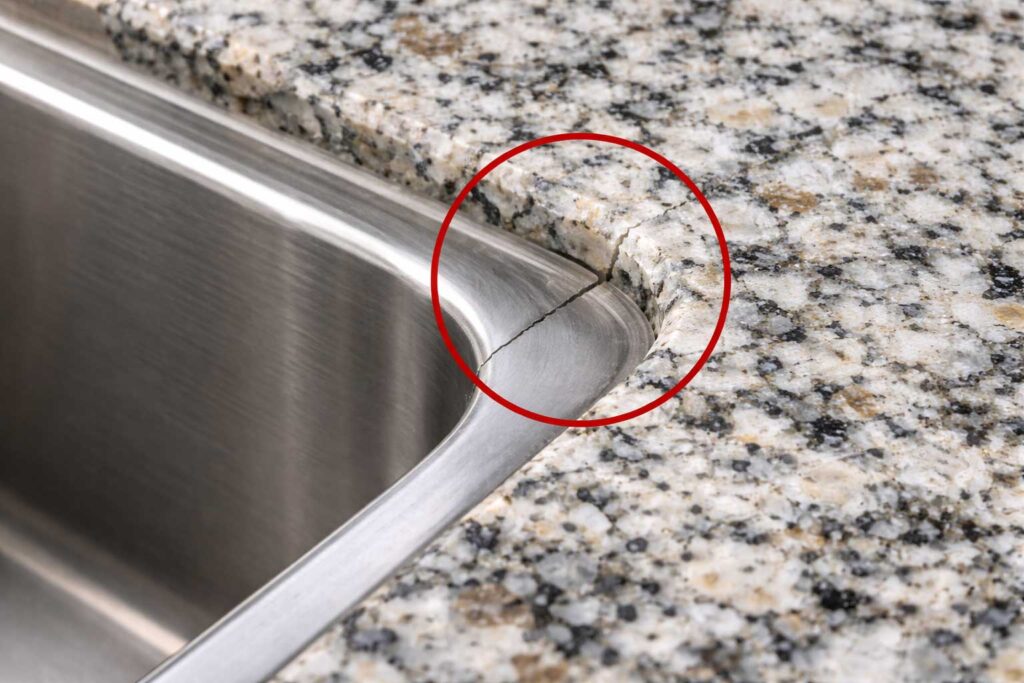
Cracks in quartz are not caused by cleaning. They are typically the result of impact, cabinet movement, improper installation, or excessive heat.
Hairline cracks often appear near sink cutouts or seams, where stress is concentrated. These cracks may become noticeable only after cleaning removes residue that previously concealed them.
Quartz countertop crack repair costs in the U.S. vary. Minor cosmetic repairs may cost a few hundred dollars, while structural cracks often require partial replacement. Not all damage can be repaired invisibly.
A practical decision point: if a crack is widening, catching debris, or linked to cabinet movement, cleaning should stop and professional evaluation should begin.
What Homeowners Can Safely Do—and When Professionals Are Needed
Routine cleaning, residue removal, and preventive care are appropriate DIY tasks. Using approved products and proper tools protects both the surface and the warranty.
Professional service is appropriate for cracks, seam separation, persistent discoloration, or issues tied to installation or structural movement. DIY repair attempts frequently worsen damage and complicate warranty claims.
For property investors, periodic professional assessment can reduce long-term costs by preventing surface failure caused by tenant misuse.
Understanding where cleaning ends and repair begins protects both the countertop and the investment.
Common Questions About Cleaning Quartz Countertops
Can quartz countertops be steam cleaned?
Steam cleaning is not recommended. High heat and moisture can degrade the resin over time.
Are stone-safe cleaners always safe for quartz?
No. Many stone cleaners are formulated for natural stone and are unsuitable for engineered quartz.
How do you remove stains without damaging quartz?
Most stains are surface residue. Start with soap and water and escalate cautiously using non-abrasive methods.
Does white quartz require different care?
White quartz highlights residue and discoloration more easily, making gentle, consistent cleaning especially important.
Final Takeaway
The best cleaner for quartz countertops is usually not a specialty product. In most kitchens, mild dish soap, warm water, and proper technique outperform harsher alternatives while protecting the surface.
Quartz lasts longest when cleaning is restrained, informed, and consistent. Understanding how the material responds to chemicals, heat, and abrasion allows homeowners and property owners to maintain appearance and value without unnecessary risk.