
Why a Pleasant-Smelling Home Improves Every Stay

The way a house smells shapes how people feel the moment they walk inside. Family members experience it every day, and visitors form an impression within seconds. A clean, neutral scent signals comfort and care, while lingering or mixed odors create subtle discomfort—even in a well-kept home.
Smell influences how long people want to stay and how relaxed they feel while they’re there. A home can look spotless, but stale or unpleasant air makes it feel closed off and less welcoming. This is especially noticeable for overnight guests, who spend extended time indoors and become more aware of lingering smells.
Many homeowners rely on candles, sprays, or plug-in fresheners to solve the problem. These products may help briefly, but they do not address why a house smells the way it does. Homes that smell good consistently rely on maintenance habits, airflow, and moisture control rather than constant fragrance.
A pleasant-smelling house is not about strong scents. It is about removing odor sources, keeping air fresh, and allowing light, clean smells to remain stable. When done well, family members stop noticing the smell because it feels natural, while visitors experience the home as comfortable and easy to enjoy.
What Makes Your House Smell Good All the Time (Core Principles)
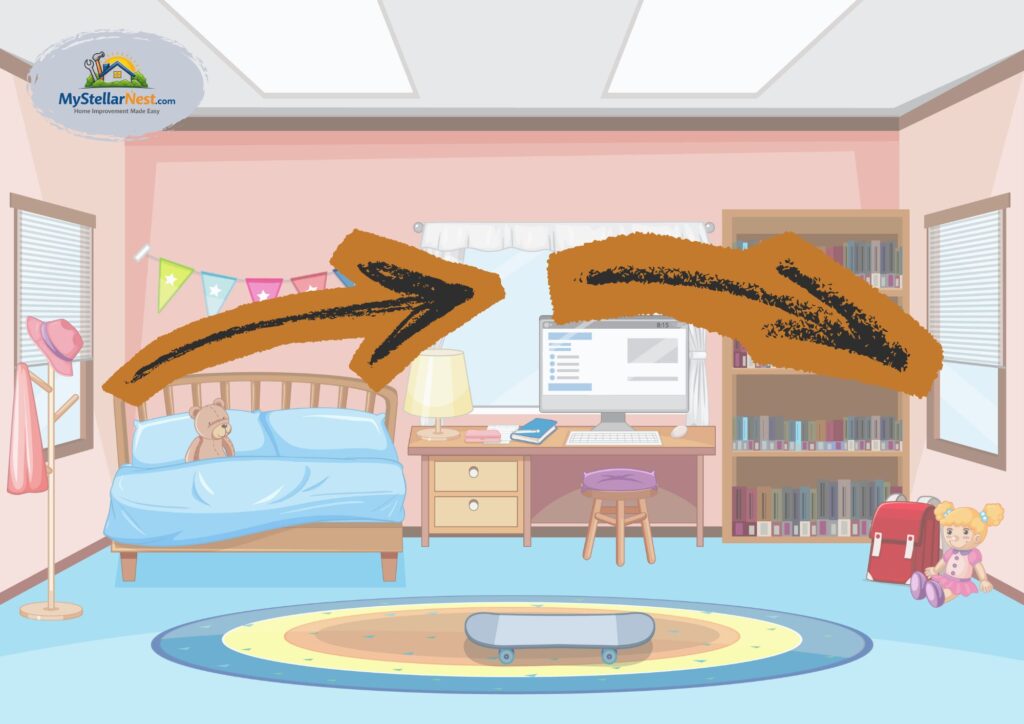
Homes that smell good consistently follow a few practical rules. These principles are not product-driven. They are based on how odors form, how air moves, and how materials interact with moisture.
Odor-Free First, Pleasant Second
A house cannot smell good if unwanted odors are still present. Layering fragrance over cooking smells, pet odors, or dampness usually makes the problem worse. Visitors often describe this as a heavy or artificial smell rather than a clean one.
Odors come from airborne particles and from materials that absorb them over time. Carpets, fabrics, and even painted surfaces can hold smells long after the original source is gone. Removing the source—cleaning drains, washing fabrics, fixing moisture issues—restores a neutral baseline. Only then do light scents work as intended.
Consistency Over Occasional Effort
Homes that smell good all the time rely on routine, not last-minute cleanup. Odors build gradually, and homeowners often stop noticing them. Visitors, however, notice immediately.
Simple, consistent habits prevent this buildup. Regular trash removal, frequent washing of dishcloths and towels, and periodic airing out of rooms reduce odors before they settle in. These small actions are more effective than occasional deep cleaning alone. Frequent removal of dust thru vacuum and brooming can also remove the unpleasant room atmosphere.
How Home Materials Hold or Release Smells
Some materials trap odors more than others. Carpets, rugs, upholstered furniture, and mattresses absorb smells from daily life. Hard surfaces like tile, sealed wood, and painted walls release odors more easily once cleaned. The significant parts to consider cleaning routinely are the room and furniture corners which may hold molds and wetness that causes bad smell. Also, in between the kitchen and bathroom tiles lies dirt that often goes unnoticed.
This explains why two equally clean homes can smell very different. Understanding how materials behave helps homeowners focus cleaning efforts where they matter most and decide when deeper cleaning or material upgrades may be necessary.
Common Household Smells That Make Guests Uncomfortable
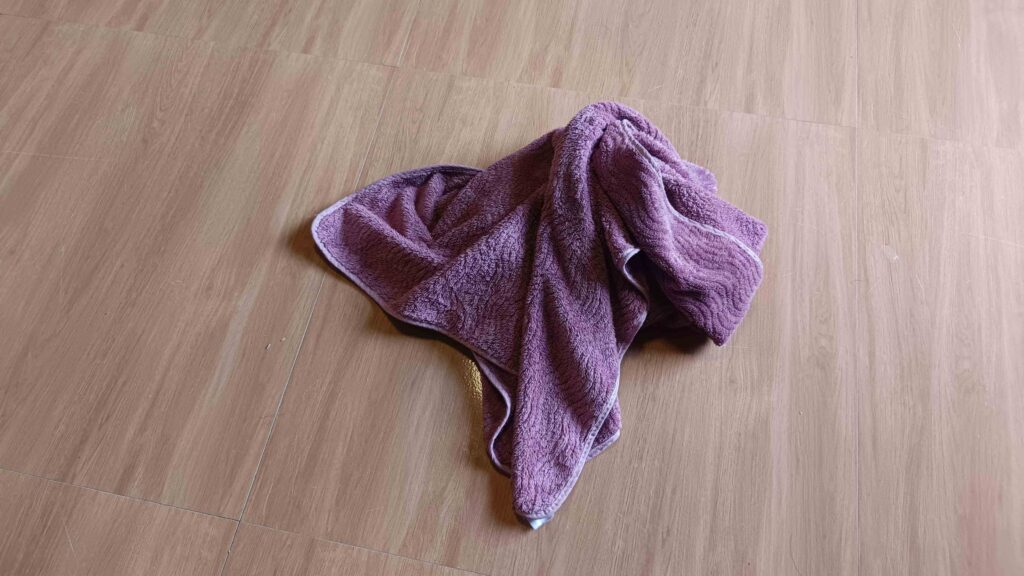
Most unpleasant household smells come from predictable sources. They often develop slowly and become part of the background for occupants, while visitors notice them right away.
Kitchen Smells Visitors Notice Immediately
The kitchen is the strongest odor source in most homes. Trash, recycling, and compost containers create smells even when emptied regularly, especially if residue is left behind. Grease buildup on cabinets, walls, and range hoods releases odor when the room warms up.
Sinks and garbage disposals can hold food particles in drain traps, producing sour smells when water runs. Refrigerators and pantries also contribute if spills or expired items go unnoticed, particularly in open floor plans.
Bathroom Odors That Linger
Bathroom odors are usually moisture-related. Drains can develop biofilm that smells musty or sewer-like. Damp towels and bath mats add to the problem if they do not dry fully between uses.
Inadequate ventilation allows moisture to remain in the space, leading to persistent mildew smells. Guest bathrooms are especially prone to this because they are used infrequently and often kept closed.
Living Spaces and Guest Areas
Living rooms and guest areas absorb daily odors through furniture, rugs, and fabrics. Pet hair and dander add to the problem, especially in carpeted areas.
Rooms that stay closed for long periods often develop stale air. Even clean guest rooms can feel uncomfortable if air has not circulated regularly.
Whole-House Smell Sources (Including Insects and Rodents)
Some odors affect the entire house rather than one room. HVAC systems can spread smells if filters are dirty or moisture is present inside ductwork. High indoor humidity allows odors to persist and move freely between rooms.
Insects and rodents are another overlooked source. Rodents nesting in walls, attics, crawl spaces, or ducts produce urine odors that spread beyond the original location. Dead rodents create sharp, lingering smells. Certain insects, such as cockroaches, leave behind a greasy, musty odor as infestations grow.
When odors persist despite normal cleaning, hidden moisture, pests, or HVAC issues should be considered.
How to Make a House Smell Good Fast Before Family or Visitors Arrive

When guests are on the way, the goal is to reset the air quickly—not overwhelm the house with fragrance.
Quick Whole-House Air Refresh
Fresh air is the fastest fix. Opening windows on opposite sides of the house for even ten to fifteen minutes creates cross-ventilation that pushes stale air out. Running kitchen and bathroom exhaust fans at the same time improves the effect.
After airing out, circulating air through the HVAC system with a clean filter helps distribute fresh air evenly.
Fast Odor Neutralizers
Neutralizing odors works better than masking them. Baking soda absorbs smells in kitchens, bathrooms, and refrigerators. White vinegar can neutralize strong cooking odors without leaving a lasting scent. Be sure to place them in areas where unreachable to children.
Activated charcoal works well in closets, bathrooms, and near trash areas. It absorbs odors without adding fragrance. One life hack for this is to place pineapple peels inside the room overnight and notice the reduction bad smell. Be sure to place it inside an open container to avoid juices to remain in the room after you pull the peels out.
Safe, Natural Scent Boosters
Once odors are controlled, light scent can make the home feel inviting. Simmering citrus peels or herbs adds a mild, clean smell that fades naturally.
Essential oil diffusers should be used sparingly. A few drops are usually sufficient. Strong or mixed scents can feel overwhelming, especially to guests sensitive to fragrance.
Last-Minute Smell Fixes
After cooking strong foods, wipe nearby surfaces and take out trash immediately. After pets come inside, air out the area they use most. Before overnight guests arrive, open guest rooms briefly to refresh the air before making the bed.
Everyday Habits That Keep the House Pleasant for Family Living
Homes that smell good consistently rely on small, repeatable habits rather than frequent fixes.
Daily Smell-Control Routines
Trash should be removed before it becomes full, especially if it contains food waste. Rinsing trash cans occasionally prevents residue buildup.
Dishes should not sit overnight. Running water through the sink after washing and periodically flushing drains with hot water helps prevent odors.
Pet areas need regular attention. Cleaning litter boxes daily, wiping feeding areas, and washing pet bedding prevents smells from spreading.
Laundry should not sit damp. Wet towels and clothes create musty odors quickly, particularly in humid homes. Leaving the washer door open between loads helps prevent buildup.
Weekly Cleaning That Impacts Smell
Vacuuming and floor cleaning remove particles that hold odors. Area rugs and high-traffic zones deserve extra attention.
Washing throw blankets, pillow covers, and cushion covers removes absorbed odors. In kitchens and bathrooms, wiping cabinet fronts and handles removes grease and moisture residue that often goes unnoticed.
Deep Cleaning for Long-Term Freshness
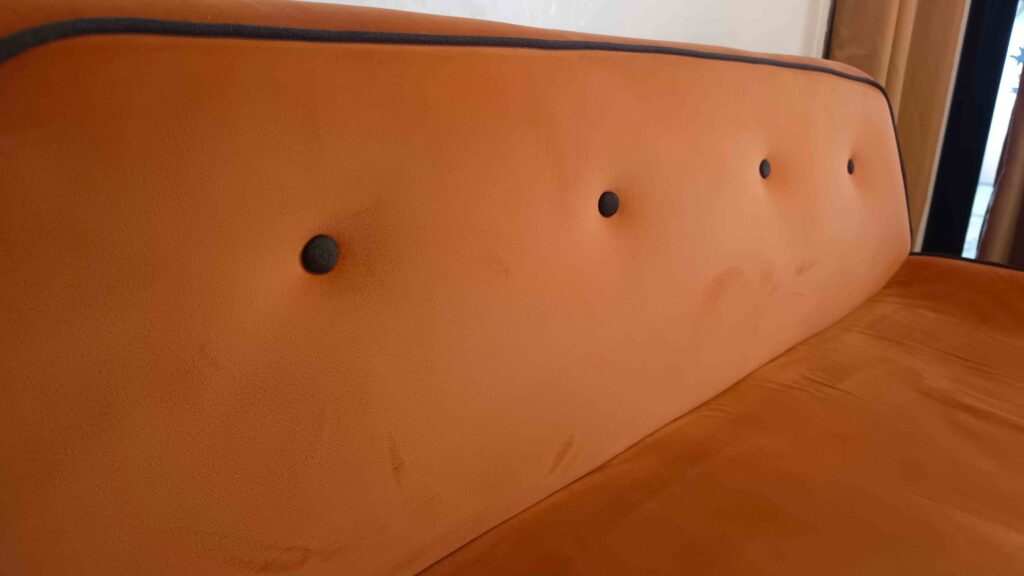
Some odors persist because they are embedded in materials. Deep cleaning resets these surfaces and reduces ongoing maintenance.
Soft Surfaces That Trap Odors
Carpets, rugs, and upholstered furniture absorb smells from daily use. Periodic deep cleaning removes what routine vacuuming cannot.
Mattresses and pillows accumulate sweat and humidity. Airing them out, vacuuming, and using protectors reduces long-term odor buildup.
Curtains and drapes trap indoor and outdoor odors. Washing or professional cleaning can noticeably improve room freshness.
Overlooked Hard Surfaces
Walls near kitchens and bathrooms absorb grease and moisture. Periodic wiping removes residue that releases odor when temperatures change.
Baseboards, doors, trim, and cabinet interiors collect dust and oils. Cleaning these surfaces helps eliminate background smells many homeowners overlook.
When Deep Cleaning Beats Air Fresheners
Deep cleaning removes odor sources rather than covering them. This creates longer-lasting results and reduces reliance on scented products, which many guests find overwhelming.
Ventilation, HVAC, and Indoor Air Quality
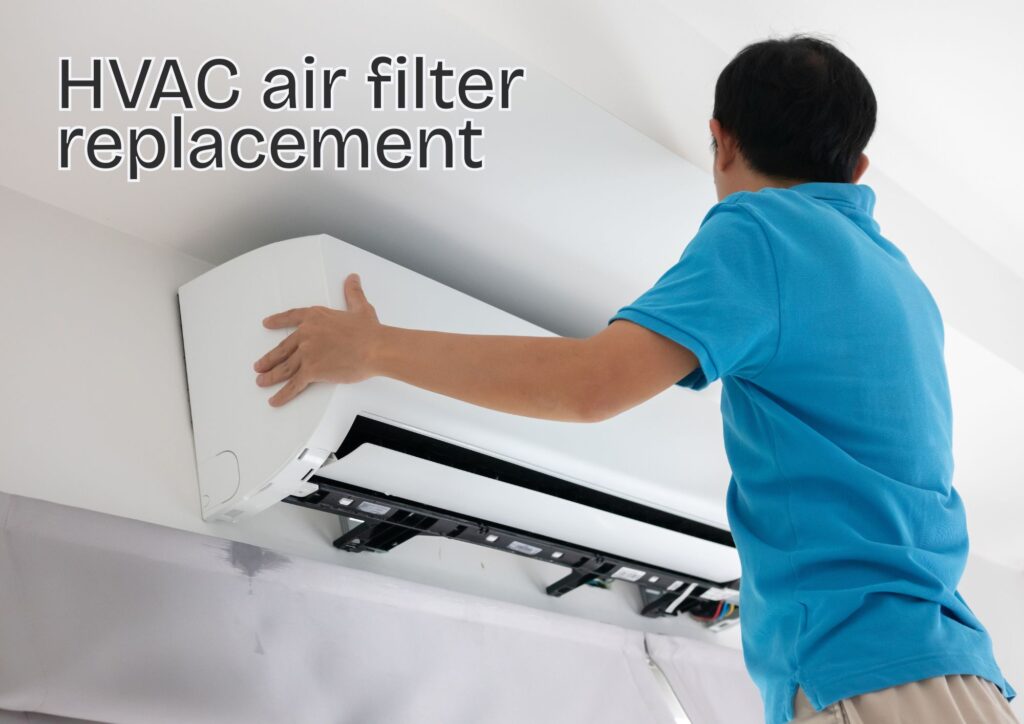
Air movement and moisture control strongly influence how a house smells.
Why Airflow Matters for Guest Comfort
Fresh air dilutes odors naturally. Without airflow, smells linger and settle into surfaces. Guests often notice this as a stale or closed-up feeling.
Opening windows regularly, keeping interior doors open when possible, and using fans help keep air moving.
Air Filter Selection and Maintenance
HVAC filters affect both air quality and smell. Dirty filters allow odors to recirculate. Filters should be replaced on a regular schedule and matched to the system’s design.
Overly restrictive filters can reduce airflow if the system is not designed for them, which may worsen odor issues.
Humidity Control for Smell Prevention
High humidity makes odors stronger and more persistent. Controlling moisture through exhaust fans, dehumidifiers, or HVAC settings reduces musty smells and slows bacterial growth.
Duct Cleaning: When It Helps and When It Doesn’t
Duct cleaning may help in homes with mold, pest issues, smoke damage, or heavy shedding. In typical homes, regular filter changes and moisture control are more effective.
Natural Ways to Make a House Smell Inviting
Natural elements work best when they support a clean baseline rather than replace maintenance.
Plants can improve how air feels by increasing circulation and freshness, but they require proper placement and care to avoid damp soil odors.
Natural materials such as wood, cotton, wool, and leather contribute to a neutral, clean background smell when kept dry and clean. Beeswax candles provide a mild aroma without masking odors when used safely.
Essential oils should be used sparingly. Light citrus or herbal scents are generally more comfortable for guests than heavy or sweet fragrances.
Room-by-Room Smell Optimization for Guest Comfort
Each room contributes differently to household odors.
Kitchens benefit from daily surface wiping, regular trash removal, and appliance maintenance. Bathrooms rely on ventilation, dry fabrics, and clean drains.
Bedrooms and guest rooms smell best when linens are washed regularly and air circulates. Living rooms need attention to furniture, rugs, and pet areas. Laundry rooms require moisture control and proper venting.
Addressing each space intentionally prevents odors from moving throughout the house.
Seasonal Smell Challenges in U.S. Homes
Summer humidity strengthens odors and slows drying. Fall brings closed-up air and stored fabric smells. Winter traps cooking odors indoors. Spring offers a chance to reset with ventilation and deep cleaning.
Adjusting habits with the seasons helps maintain consistent freshness year-round.
Common Mistakes That Make Homes Smell Worse
Overusing scented products, ignoring moisture, skipping HVAC maintenance, and masking odors instead of fixing them are the most common mistakes.
Neglected spaces—guest rooms, closets, basements, and laundry areas—often develop odors simply from lack of airflow.
Smell Considerations for Hosts, Sellers, and Property Owners
Smell strongly influences comfort and perception. Neutral, clean-smelling homes feel better maintained and easier to trust.
Preparing for guests or showings should focus on airflow and odor sources, not fragrance. Rental properties benefit from washable materials, good ventilation, and consistent deep cleaning to reduce turnover issues.
How to Keep the House Smelling Good Without Constant Work
The easiest homes to maintain rely on systems and routines. Regular ventilation, moisture control, and simple cleaning habits prevent odors from forming.
Low-maintenance strategies and occasional upgrades—such as better exhaust fans or improved filters—reduce effort over time while improving comfort for family and visitors.
FAQ: A Nice Stay in a Good Smelling House
What makes a house smell good all the time for family and visitors?
Consistent freshness comes from controlling odor sources, keeping air moving, and managing moisture. Regular trash removal, clean drains, washed fabrics, and properly maintained HVAC filters reduce the “background” odors visitors notice first. Once the baseline is neutral, light natural scents can enhance the space without feeling heavy.
How can I make my house smell good fast before guests arrive?
Start with cross-ventilation by opening windows on opposite sides of the home for 10–15 minutes. Run kitchen and bath exhaust fans to remove odor-laden air. Remove obvious sources (trash, dirty dishes, damp towels), then use a mild scent booster like a short simmer pot rather than strong sprays.
Why does my house smell bad even when it looks clean?
Odors often come from hidden sources: drains, damp materials, HVAC filters, or fabrics that absorb smells over time. High humidity makes these odors stronger and more persistent. A home can look clean while still holding odors in carpets, upholstery, or poorly ventilated rooms.
What smells do visitors notice first when they enter a house?
Most visitors notice kitchen-related odors (trash, cooking residue), bathroom dampness or drain smells, and pet odors in living areas. Stale “closed-up” air is also common, especially in homes that rarely ventilate or in guest rooms kept shut.
Are air fresheners a good solution for making a house smell nice?
Air fresheners can help temporarily, but they work best after the odor source is removed. Overuse can create a mixed or chemical smell that many guests find uncomfortable. For a pleasant stay, neutralizing odors and maintaining airflow usually provides better results than adding stronger fragrance.
How do I keep guest rooms smelling fresh when they are rarely used?
Air the room out periodically by opening the door and a window when weather allows. Wash linens before guest visits, and keep closets slightly ventilated. Vacuum or clean soft surfaces occasionally, since unused rooms can still collect dust and stale air.
What natural scents are most welcoming for overnight guests?
Mild, clean scents tend to be the safest choice—light citrus, fresh herbs, or a subtle “clean linen” feel from freshly washed fabrics. Avoid strong or sweet fragrances that linger, especially because guests may be sensitive to scent.
How do pets affect house smell, and how can I manage it?
Pet odors typically come from bedding, carpets, furniture, and feeding or litter areas. Daily litter box care, regular washing of pet bedding, and frequent vacuuming help prevent odors from spreading. Cleaning pet zones first often improves whole-house smell faster than adding fragrance.
How does humidity affect how a house smells?
Humidity makes odors stronger and encourages mildew and bacterial growth, especially in bathrooms, basements, and laundry areas. When fabrics stay damp longer, musty smells develop quickly. Managing humidity with ventilation and dehumidification helps keep the house smelling neutral.
Can HVAC systems cause bad smells throughout the house?
Yes. Dirty filters can recirculate odors, and moisture in the system can create musty smells that spread through vents. If odors appear when heating or cooling starts, filter replacement is a good first step. Persistent smells may indicate moisture or contamination that needs professional evaluation.
How often should I deep clean to keep the house smelling good?
Weekly cleaning should focus on floors, trash areas, kitchens, and bathrooms. Deep cleaning of carpets, upholstery, and curtains is typically needed seasonally or more often in homes with pets, smokers, or heavy cooking. The right schedule depends on how quickly odors return.
What should I avoid doing when trying to make my house smell nice?
Avoid masking odors with strong fragrance, ignoring moisture, and neglecting HVAC maintenance. Also avoid mixing multiple scents at once, which can make the house smell “busy” or artificial. Fixing the source first leads to a cleaner, more comfortable result.
When should I call a professional for smell issues?
Professional help is a good idea for persistent musty odors, suspected mold, sewage smells, recurring pest-related odors, or HVAC smells that do not improve after filter changes and basic cleaning. Hidden moisture, duct contamination, and rodent issues often require specialized tools and remediation.
Does a good-smelling house really affect how guests feel?
Yes. A neutral, fresh-smelling home feels more comfortable and better maintained, which helps guests relax. Strong or unpleasant odors can create stress or discomfort, even if the home is otherwise clean and attractive.
Final Takeaway: Creating a Home Everyone Enjoys Staying In
A good-smelling house is defined by cleanliness, airflow, and moisture control working together. When odors are removed at the source, the home feels naturally inviting.
Family members benefit from a healthier environment. Visitors experience the home as comfortable and easy to relax in. By focusing on practical habits and systems rather than fragrance, homeowners can create a space that smells good all the time and supports a genuinely pleasant stay.