
 Introduction
 Introduction
If your toilet bowl overflows when flushed, the issue needs immediate attention to prevent water damage and sanitation concerns. This guide is intended for homeowners, DIYers, landlords, and property investors who want a clear and practical way to diagnose and fix the problem.
In many cases, the cause is not a complete blockage. A toilet bowl overflowing but not clogged often points to a partial obstruction, improper tank operation, or a venting issue. The goal is to stop the overflow quickly, identify the underlying cause, and apply the right solution without making the situation worse.
What You Need to Understand Before You Begin
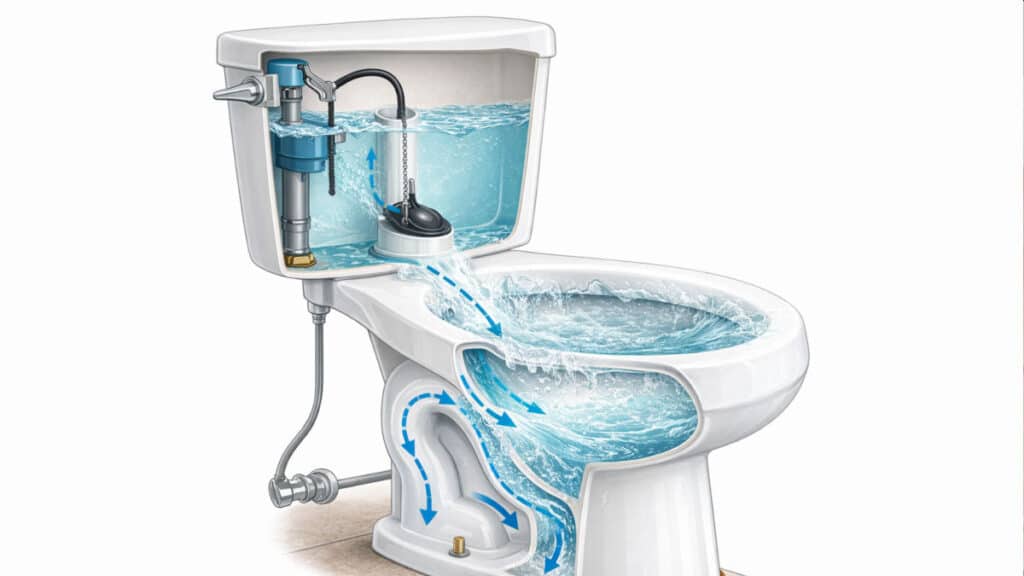 A toilet relies on a rapid release of water from the tank to push waste through the trap and into the drain line. If the flow is restricted at any point, the bowl can fill faster than it drains.
Not every overflow is caused by a solid clog. A partial blockage allows some flow but slows it enough that the bowl rises during flushing. This is why a toilet bowl overflowing after flushing may still eventually drain.
It is also important to distinguish between a localized issue and a system-wide problem. If only one toilet is affected, the issue is likely nearby. If multiple fixtures are slow or backing up, the main sewer line may be involved.
If water approaches the rim, stop using the toilet immediately. Repeated flushing is a common mistake that often leads to unnecessary cleanup and damage.
Required Tools and Materials
- Flange plunger designed for toilets
- Toilet auger (closet auger)
- Rubber gloves and eye protection
- Towels and a bucket
- Adjustable wrench
- Screwdriver (flathead or Phillips)
- Replacement flapper or fill valve if needed
- Basic drain snake
- Non-corrosive enzyme cleaner (optional)
Using the correct tools improves results and reduces the risk of damage. A standard plunger often fails to create a proper seal in a toilet.
Step-by-Step Repair Process
Step 1: Shut Off Water and Prevent Overflow
Locate the shutoff valve behind the toilet and turn it clockwise to stop water flow. This prevents the tank from refilling.
If the bowl is still rising, remove the tank lid and lift the float or press the flapper closed. This stops water from entering the bowl and gives you control of the situation.
This step limits water damage and allows you to work without added pressure.
Step 2: Identify and Address Basic Blockages
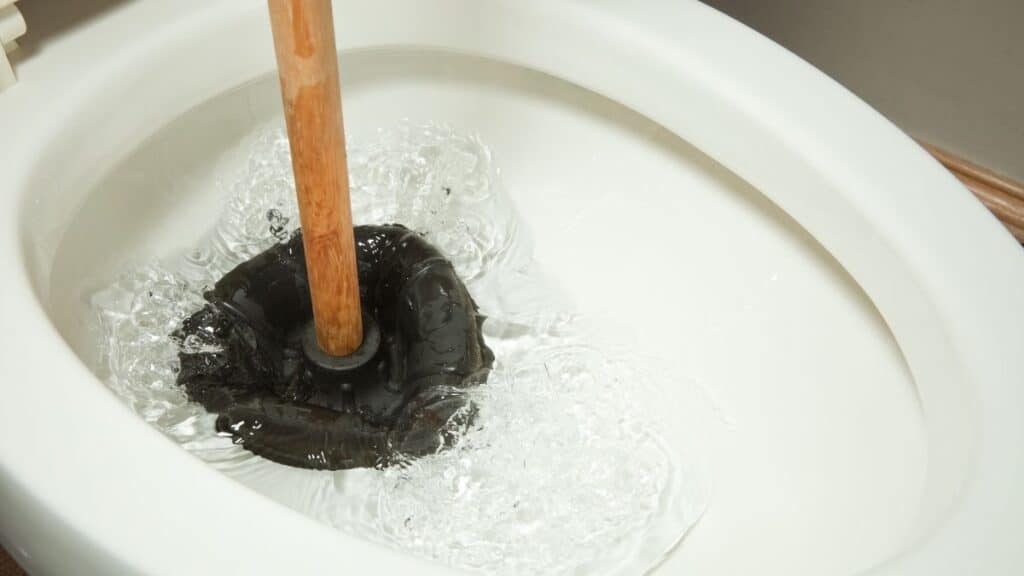 Observe how the water behaves. A rapid rise followed by slow drainage usually indicates a partial blockage.
Use a flange plunger and create a tight seal over the drain opening. Push down slowly and pull up firmly to generate suction. Repeat several times.
If the water level begins to drop, the obstruction is likely moving. If there is no change, the blockage may be deeper in the line.
Step 3: Clear Deeper Obstructions with an Auger
Insert the toilet auger into the trap and rotate the handle to extend the cable. This allows you to break apart or retrieve material causing the blockage.
The auger is designed to navigate the curved trap without damaging the fixture. Avoid forcing it, as excessive pressure can crack porcelain or push debris further down.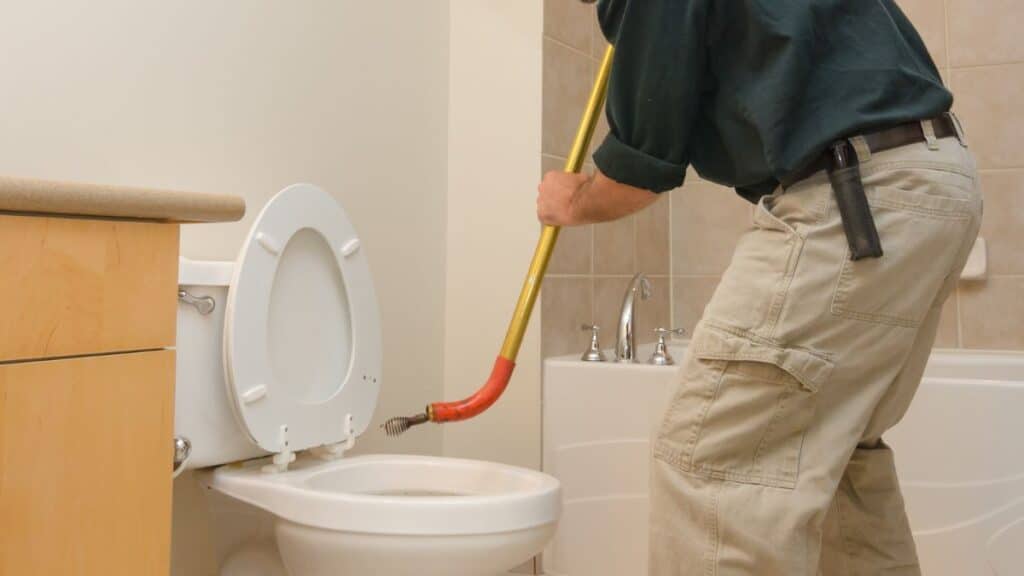
This step is especially useful when dealing with wipes, paper towels, or foreign objects.
Step 4: Examine and Adjust Tank Components
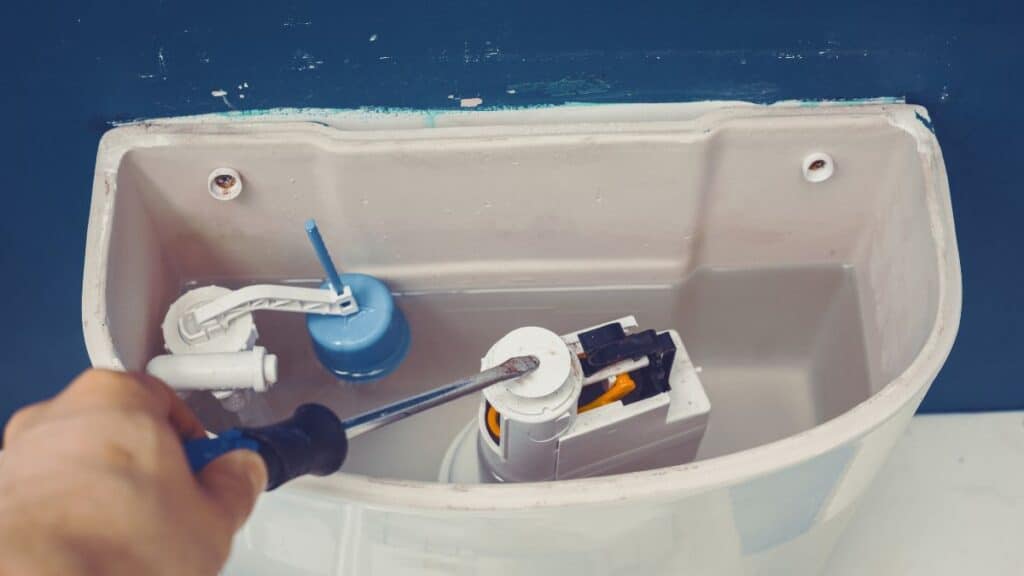 Remove the tank lid and inspect the flapper. If it stays open too long, it can release more water than the drain can handle.
Check the fill valve and float height. If the water level is too high, the tank sends excess water into the bowl during a flush.
Adjust the float so the water level sits about one inch below the overflow tube. This helps maintain proper balance between flushing force and drainage capacity.
Step 5: Check for Drain Line or Venting Problems
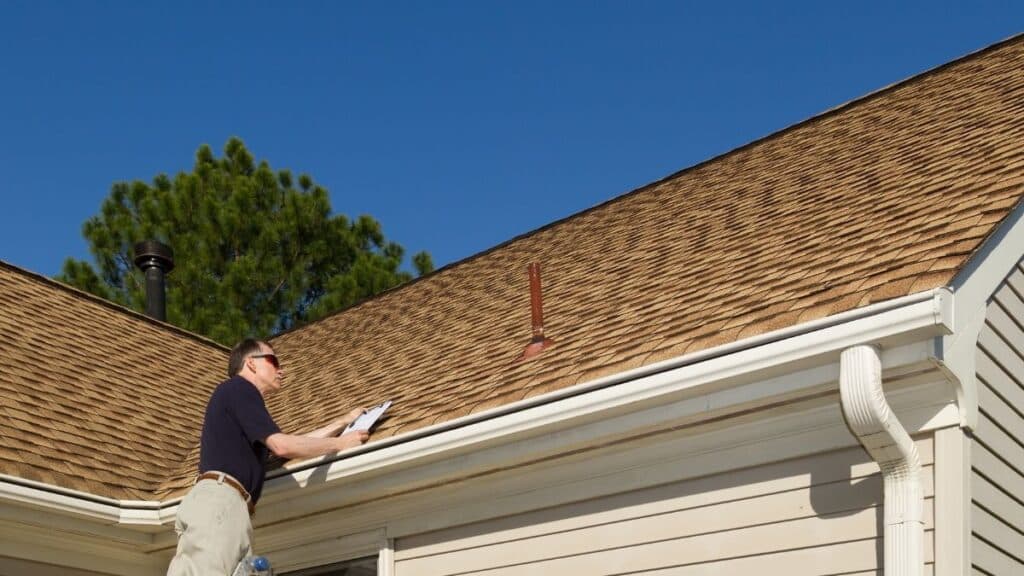 If the toilet bowl overflows when flushed despite clearing the trap, the issue may extend beyond the fixture.
Listen for gurgling sounds in nearby sinks or tubs. These often indicate poor venting or a restriction in the main drain line.
A blocked vent prevents air from entering the system, slowing drainage and causing water to back up. This can occur when debris or animals block the roof vent.
Step 6: Restore Water and Test Performance
Turn the water supply back on slowly and allow the tank to refill. Perform a controlled flush and observe the bowl.
The water should rise briefly, then drain quickly without nearing the rim. If the issue persists, stop testing to avoid another overflow.
At this point, further investigation may be required beyond basic tools.
Mistakes That Often Make the Problem Worse
Repeated flushing is one of the most common mistakes. It adds more water without resolving the blockage and often leads to overflow.
Using the wrong plunger reduces effectiveness and wastes effort. A poor seal prevents proper pressure from forming.
Chemical drain cleaners are frequently misused. They rarely resolve toilet issues and can damage internal components.
Ignoring early warning signs such as slow drainage or gurgling allows minor issues to develop into larger problems.
Excessive force with tools can damage the toilet or push blockages deeper into the system, making removal more difficult.
Safety Precautions and Plumbing Code Basics
Wear gloves and eye protection when handling wastewater. Toilet overflows can expose you to harmful bacteria.
Always shut off the water supply before beginning any repair. This reduces the risk of sudden overflow during troubleshooting.
Proper venting is required for drainage systems to function correctly. Blocked or missing vents can lead to repeated backups.
Drain lines must maintain proper slope to allow gravity flow. Poor slope can contribute to recurring slow drainage.
In many areas, modifications to drain or vent systems require permits and inspection. Check local requirements before making changes.
Ensure the toilet base is properly sealed. A failed wax ring can allow water to leak beneath the fixture, leading to hidden damage.
Frequently Asked Questions
Why does my toilet bowl overflow when flushed but is not clogged?
A partial blockage or venting issue can restrict flow without fully stopping it. The bowl fills faster than it drains, causing overflow.
What causes a toilet bowl overflowing after flushing once?
This typically indicates a restriction in the trap or drain line. The initial surge of water cannot pass through quickly enough.
Can a vent pipe cause a toilet to overflow?
Yes. Without proper airflow, the drainage system slows down, which can lead to backup into the toilet.
How do I know if it’s a main sewer line problem?
If multiple fixtures are slow, gurgling, or backing up, the issue is likely in the main line rather than a single fixture.
Is it safe to use a plunger on an overflowing toilet?
Yes, but only after stopping the water supply and ensuring the bowl will not overflow further during use.
Why does the water keep rising after I flush?
This indicates a restriction that prevents normal drainage. Incoming water has nowhere to go quickly.
Will a toilet auger fix all overflow issues?
No. It is effective for trap-level blockages but will not resolve venting or main line problems.
Should I use chemical drain cleaners for toilet overflow?
No. These products are not effective for most toilet issues and can damage plumbing components.
Final Advice and When Professional Help Is Necessary
If more than one fixture is affected, the issue likely involves the main sewer line and requires professional equipment.
Call a professional if the toilet continues to overflow after using a plunger and auger. The blockage may be deeper or more complex.
Recurring issues often indicate underlying problems such as pipe damage, poor venting, or improper installation.
If you suspect a blocked roof vent, avoid climbing unless you have the proper equipment and experience.
Water exposure to flooring or subflooring should be addressed quickly. Prolonged moisture can lead to structural damage.
A careful, step-by-step approach resolves most cases. Knowing when to stop and seek help helps prevent additional damage and unnecessary expense.