
 Introduction
 Introduction
If your toilet bowl not filling with water after flushing, the issue is usually straightforward once you know where to look. This problem appears in both older and newer homes and is often tied to internal tank components or mineral buildup rather than a major plumbing failure.
This guide is designed for homeowners, DIYers, and property investors who want a clear, practical fix. In most cases, the cause is a misadjusted fill valve, a disconnected refill tube, or clogged water channels. By following the steps below, you can identify the root cause and restore proper toilet function without unnecessary part replacement.
What You Need to Understand Before You Begin
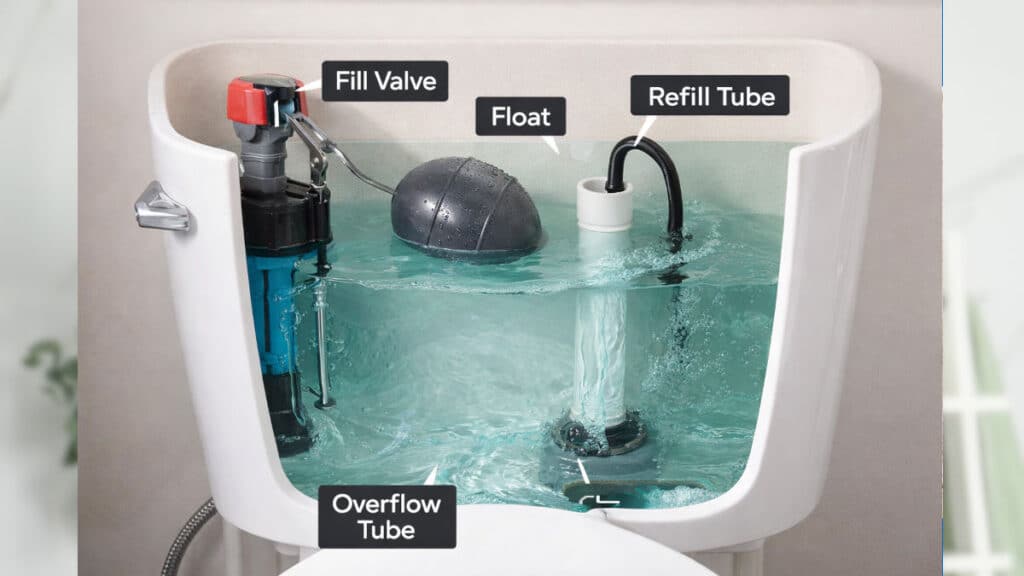 A standard gravity toilet relies on the tank to refill both itself and the bowl after each flush. While the tank fills through the supply line and fill valve, the bowl receives water through a small refill tube and internal channels.
When the bowl does not refill, the issue is typically not a lack of water supply but a failure in how water is directed. This distinction matters because it prevents unnecessary repairs.
In many U.S. homes, hard water contributes to mineral buildup inside the rim holes and siphon jet. Over time, this restricts flow into the bowl. As a result, you may notice weak flushing or even situations where the toilet bowl overflows when flushed due to disrupted water movement.
Before replacing parts, determine whether the issue is mechanical or caused by buildup. This step saves time and avoids unnecessary costs.
Essential Tools and Materials
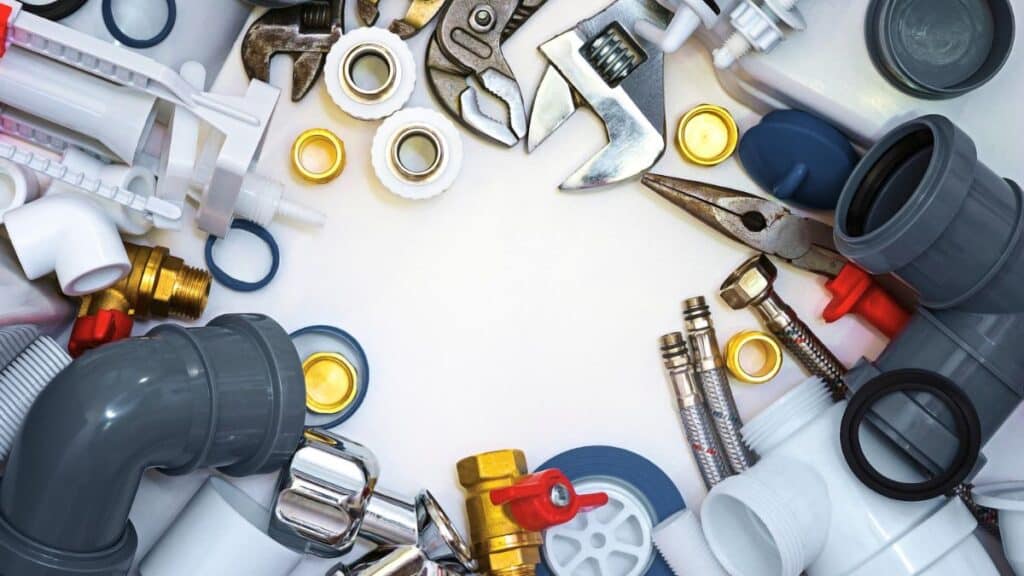
Most toilet repairs can be handled with basic tools and readily available materials. An adjustable wrench and a screwdriver are sufficient for accessing and adjusting internal components.
Wear rubber gloves for sanitation and safe handling. Keep towels or a small bucket nearby to manage residual water when working inside the tank.
For cleaning, use a toilet bowl cleaner for hard water stains or a vinegar-based descaler. These dissolve mineral deposits without damaging internal parts.
A small mirror helps inspect rim holes under the bowl edge. For clearing blockages, a wire hanger or narrow brush can be used carefully.
If parts are worn, have a replacement fill valve, refill tube, or flapper available. However, confirm the issue before installing new components.
Step-by-Step Fix for a Toilet Bowl Not Filling With Water
Step 1: Inspect Tank Water Level and Fill Valve Operation
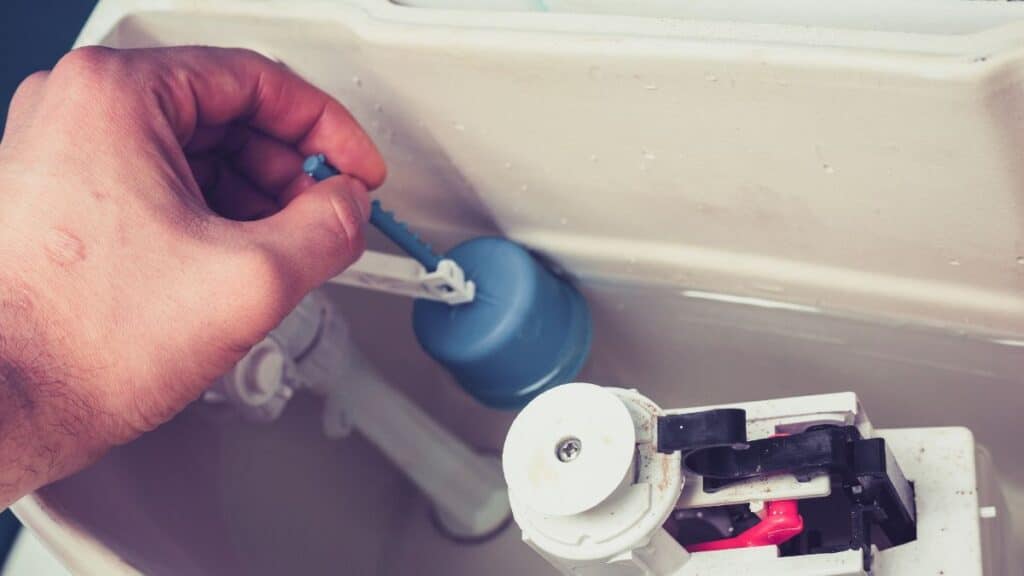
Start by removing the tank lid and placing it on a stable surface. Check the water level inside the tank. It should sit about one inch below the top of the overflow tube.
If the level is too low, the bowl will not receive enough refill water. Adjust the float using the screw or clip on the fill valve. Small adjustments can significantly improve performance.
Next, check the refill tube. It should be clipped above the overflow pipe and directed into it. If it is loose or misaligned, the bowl will not refill properly.
Observe how the fill valve operates. If it runs slowly, inconsistently, or fails to shut off cleanly, replacement is usually more reliable than repair.
Step 2: Check and Clear Rim Holes and Siphon Jet Blockages
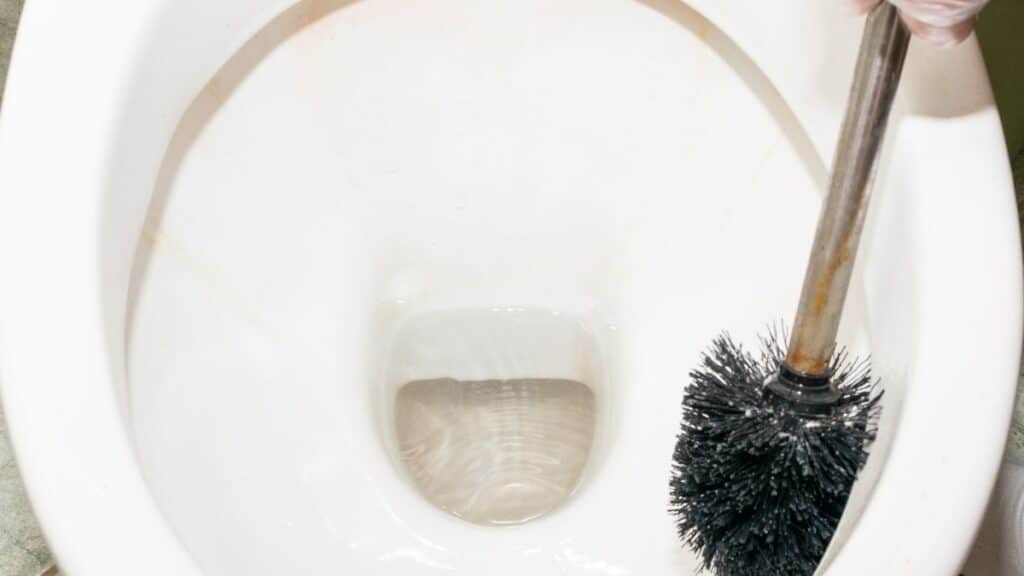
If tank components are functioning correctly, the next step is to inspect the bowl itself. Mineral buildup is a common cause of restricted water flow.
Use a mirror to look under the rim of the bowl. You will see small holes that distribute water during a flush. If these are clogged, water cannot enter the bowl evenly.
Apply a toilet bowl cleaner for hard water stains or pour vinegar into the overflow tube to reach internal channels. Allow the solution to sit long enough to break down deposits.
Gently clear each rim hole with a small brush or wire. Avoid pushing debris deeper into the system.
Check the siphon jet at the bottom of the bowl. This opening drives the flush and helps refill the bowl. Partial blockages here can reduce both flushing strength and refill efficiency.
Step 3: Test Flush Performance and Watch for Overflow Issues
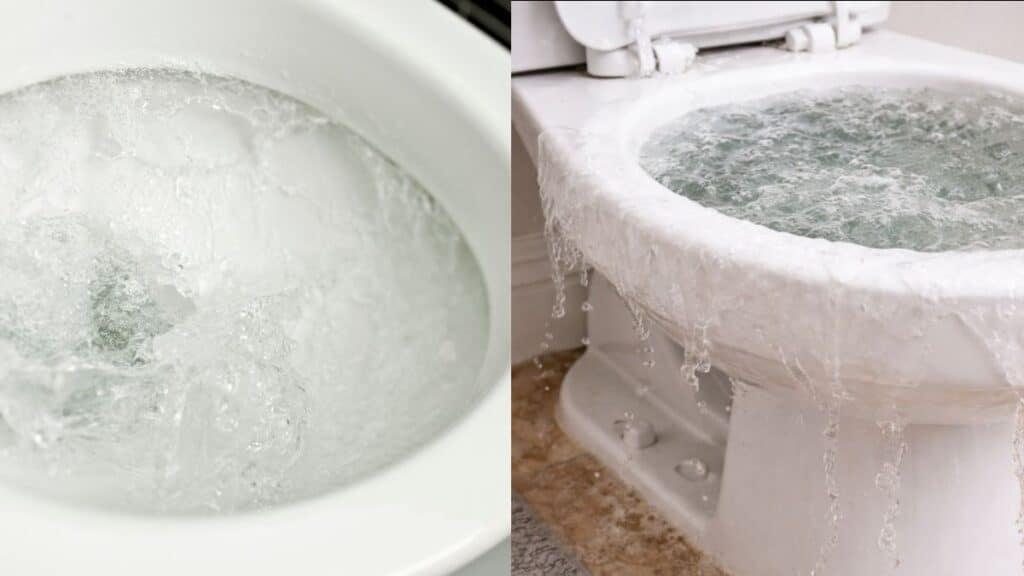
Flush the toilet and observe how the bowl refills. A properly functioning system should restore the water level quickly and consistently.
If the bowl fills slowly or incompletely, recheck the float setting and refill tube placement. Minor corrections often resolve the issue.
If the toilet bowl overflows when flushed, the problem may involve a partial drain blockage rather than the tank components. This requires a different approach.
Test several flush cycles to confirm stability. Consistent performance is the goal, not a one-time improvement.
Frequent Mistakes to Watch Out For
One common mistake is replacing the fill valve without confirming the actual cause. In many cases, the refill tube is simply disconnected or misaligned.
Ignoring hard water buildup is another issue. Mineral deposits accumulate gradually and are often overlooked until performance declines.
Setting the float too low reduces available water for both flushing and refilling. This leads to repeated weak performance.
Using harsh chemical cleaners can damage seals and shorten the lifespan of components. Stick to products designed for toilet maintenance.
Partially closed shutoff valves are also easy to miss. Even a small restriction can affect refill speed.
Safety Guidelines and Plumbing Code Basics
Always shut off the water supply before working inside the tank. This prevents accidental overflow and keeps the work area controlled.
Avoid overtightening plastic fittings. Toilet components are designed to seal with minimal force and can crack under pressure.
The refill tube must remain above the overflow pipe water level. This prevents backflow and aligns with standard U.S. plumbing safety requirements.
Use replacement parts that meet recognized standards such as ASME or ANSI. These ensure compatibility and reliable operation.
If your home uses a septic system, avoid chemical cleaners that can disrupt its balance. Choose septic-safe products instead.
Ensure the shutoff valve is accessible and operational. This is a basic requirement in most plumbing codes and essential during emergencies.
Common Questions Homeowners Ask
Why is my toilet bowl not filling with water after flushing?
The most common causes include a disconnected refill tube, low tank water level, or clogged rim holes. Each prevents proper water distribution into the bowl.
Can clogged rim holes cause this issue?
Yes. Blocked rim holes restrict water flow, preventing the bowl from refilling to its normal level.
How do I fix a slow-filling toilet bowl?
Start by adjusting the float and confirming refill tube placement. If needed, clean rim holes and the siphon jet to restore flow.
Why does my toilet bowl overflow when flushed?
This often points to a partial drain blockage or restricted flow path, not just a tank issue.
What is the best toilet bowl cleaner for hard water stains?
Use a cleaner designed for mineral deposits or a vinegar-based solution. These effectively dissolve buildup without damaging parts.
Do I always need to replace the fill valve?
No. Many problems can be resolved through adjustment or cleaning. Replace the valve only if it fails to function properly.
Practical Tips and When It’s Time to Call a Professional
If adjustments and cleaning do not resolve the issue, the problem may extend beyond the toilet. Persistent overflow or weak flushing can indicate a drain line restriction.
Call a licensed plumber if water backs up into other fixtures or if multiple toilets show similar problems. These are signs of a broader system issue.
Cracks in the tank or bowl, or leaks at the base, require professional repair. These issues can lead to water damage if left unaddressed.
For property owners, repeated tenant complaints may indicate water quality issues or aging plumbing infrastructure that needs evaluation.
Routine maintenance helps prevent most problems. Periodically clean rim holes, check the refill tube, and monitor tank water levels to maintain consistent performance.