
 Intro
Intro
 Intro
IntroThis guide is for homeowners, DIYers, and property investors dealing with stubborn mineral buildup in toilet bowls, especially in areas with hard water. If you’re seeing brown, white, or chalky rings that don’t respond to regular cleaning, you’re likely dealing with mineral deposits rather than surface dirt.
The objective is to remove hard water stains effectively without damaging the toilet and to slow their return. In most cases, the solution is straightforward: use an acid-based toilet bowl cleaner, allow proper dwell time, and use the right tools to break down and remove deposits safely.
Key Things to Understand Before You Begin
Hard water stains form when minerals such as calcium and magnesium remain on the surface after water evaporates. Over time, these deposits harden into scale that bonds tightly to the porcelain.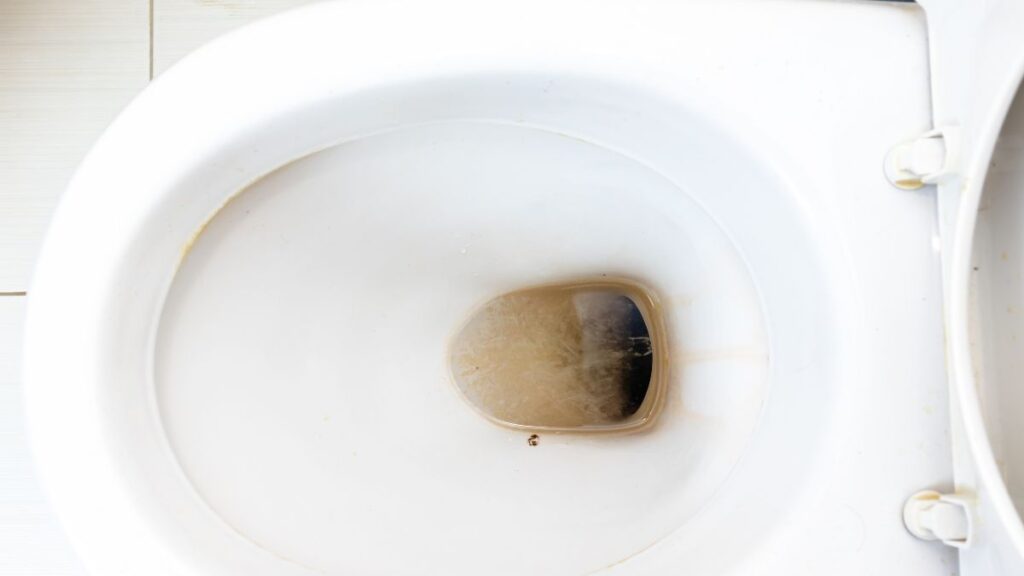
Standard cleaners, including bleach, do not remove this buildup. Bleach disinfects but does not dissolve mineral deposits, which is why stains often remain after routine cleaning.
The severity of the buildup affects your approach. Light rings near the waterline can typically be removed with a single application of an acid-based cleaner. Heavier scaling may require repeated treatments or careful mechanical removal.
It is also important to consider the condition of the toilet surface. A smooth, glazed porcelain finish resists staining. If that glaze is worn or scratched, minerals adhere more easily and stains return faster.
If stains reappear quickly after cleaning, the issue may be ongoing mineral content in your water supply. In those cases, cleaning alone will not fully solve the problem.
Required Tools and Materials
You will need a toilet bowl cleaner formulated for hard water stains or limescale. These products typically contain mild acids that dissolve calcium and mineral deposits.
A toilet brush with firm, non-metal bristles is suitable for general scrubbing. For more stubborn buildup, a pumice stone can be used safely on wet porcelain with light pressure.
Wear rubber gloves to protect your skin from cleaning agents. Safety glasses are optional but useful when working with stronger products or when splashing is possible.
A spray bottle can help apply cleaner to targeted areas such as under the rim. Microfiber cloths or disposable wipes are useful for cleaning surrounding surfaces.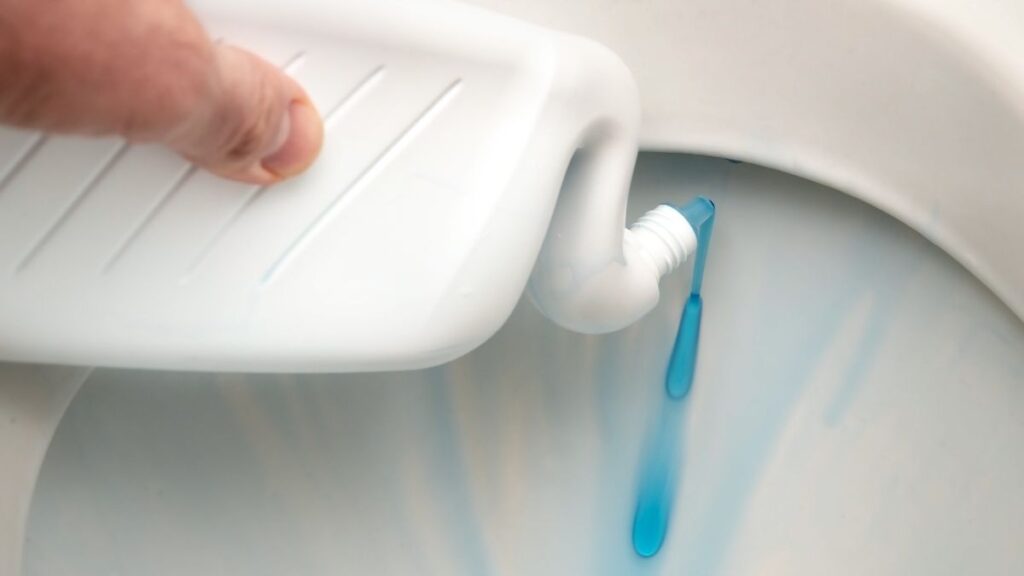
For routine maintenance, some homeowners use vinegar or baking soda. These are less aggressive and better suited for preventing buildup rather than removing heavy deposits.
Step-by-Step Cleaning Process
Step 1: Prepare the Toilet and Work Area
Start by ventilating the bathroom. Use the exhaust fan or open a window to reduce exposure to fumes.
Flush the toilet to wet the bowl. For heavier stains, consider lowering the water level using the shutoff valve behind the toilet. This exposes more of the stained surface and prevents the cleaner from being diluted.
Apply the cleaner under the rim first, then coat the stained areas evenly. Focus on visible rings and areas with buildup. Ensure the cleaner remains in contact with the surface.
Step 2: Allow the Cleaner to Break Down Mineral Buildup
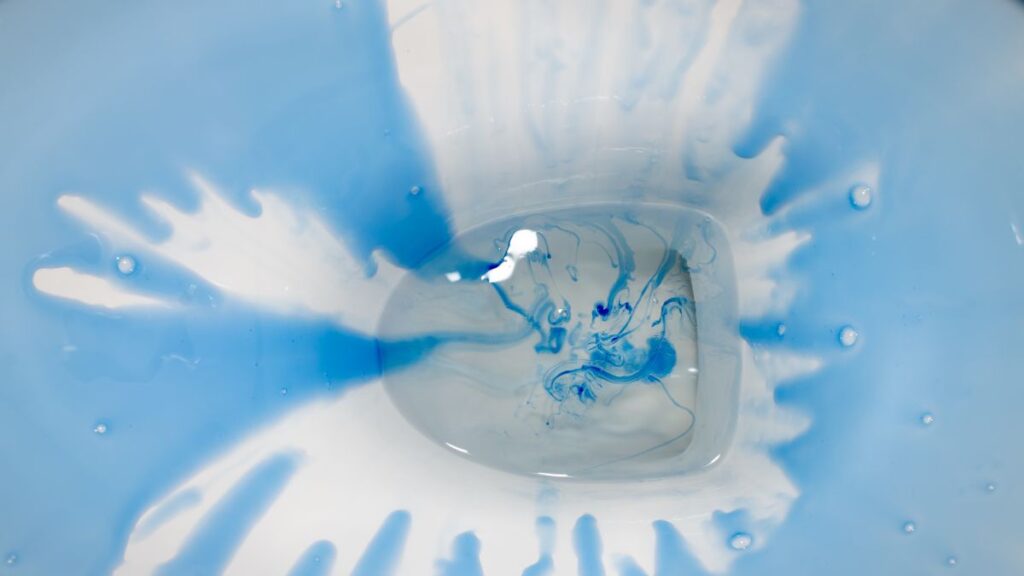
Dwell time is critical for effective cleaning. Most acid-based products require 10 to 20 minutes to break down mineral deposits. Heavier buildup may require longer or multiple applications.
During this period, the cleaner reacts with calcium and lime, softening the deposits. Scrubbing too soon reduces effectiveness because the scale has not yet been loosened.
If areas begin to dry, reapply the cleaner to maintain contact. Avoid combining products during this step, as mixing chemicals can create hazardous fumes.
Step 3: Scrub and Rinse the Toilet Bowl
After the cleaner has had time to work, scrub the bowl using a toilet brush. Pay close attention to areas where stains remain visible.
For stubborn deposits, use a pumice stone. Keep both the stone and the surface wet and apply light, even pressure. This helps remove buildup without damaging the porcelain.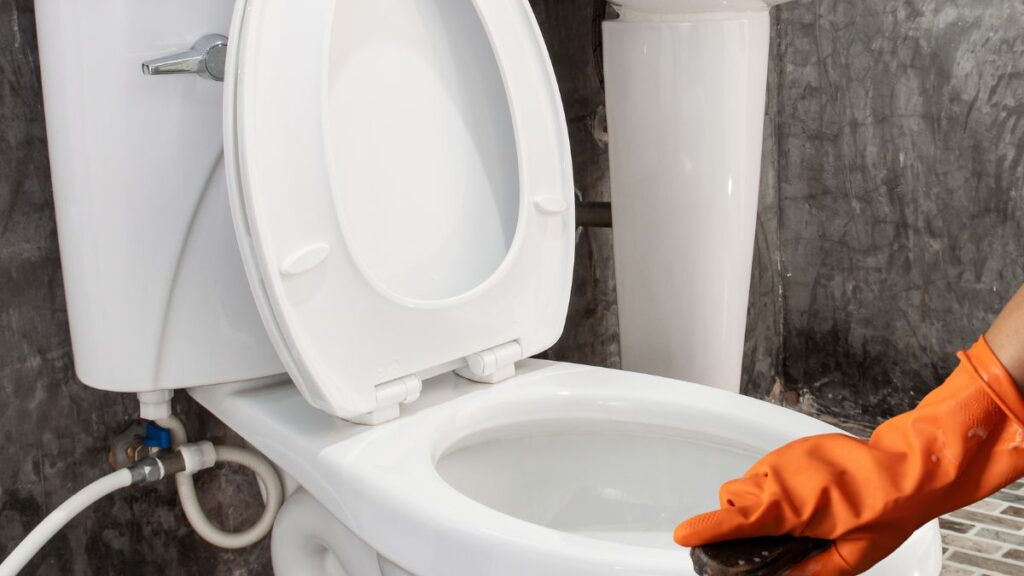
Flush the toilet to rinse away residue and evaluate the results. If needed, repeat the process rather than increasing force, which can damage the surface.
Mistakes to Watch Out For
Using bleach as the primary cleaner is a common mistake. While it disinfects, it does not remove mineral deposits, so stains remain.
Aggressive scrubbing with abrasive tools can scratch the porcelain. Once the surface is damaged, it becomes more prone to future staining.
Skipping dwell time reduces the effectiveness of the cleaner. The chemical process requires time to soften deposits before scrubbing.
Mixing cleaning products is a safety hazard. Combining acid-based cleaners with bleach can produce toxic gases and should always be avoided.
Infrequent cleaning allows buildup to harden into thick scale. Regular maintenance is more effective than occasional deep cleaning.
Safety Guidelines and Basic Code Considerations
Always wear gloves when using toilet bowl cleaners, particularly those containing acids. These products can irritate or damage skin with prolonged contact.
Ensure proper ventilation during cleaning. Bathroom exhaust systems are designed to remove moisture and airborne contaminants, including chemical fumes.
Never mix cleaning products. This is a leading cause of household chemical exposure and can result in dangerous reactions.
Be mindful of your plumbing system. Frequent use of harsh chemicals can degrade rubber components, seals, and older piping materials over time.
If your home uses a septic system, verify that cleaning products are compatible. Some strong cleaners can disrupt the bacterial balance necessary for proper operation.
Frequently Asked Questions
What is the best toilet bowl cleaner for hard water stains?
Look for acid-based cleaners specifically labeled for limescale or mineral removal. The effectiveness depends on the active ingredient rather than the brand.
Can vinegar remove hard water stains in a toilet?
Vinegar can help with light buildup and routine maintenance. It is generally not strong enough to remove heavy scaling.
How do you remove thick limescale from a toilet bowl?
Use an acid-based cleaner with sufficient dwell time, followed by scrubbing or careful use of a pumice stone. Multiple applications may be required.
Is a pumice stone safe for toilet cleaning?
Yes, when used on a wet surface with light pressure. Improper use can scratch the porcelain.
Why do hard water stains keep coming back?
Recurring stains are usually caused by mineral content in the water supply. Each flush leaves behind deposits that accumulate over time.
How often should you clean a toilet with hard water?
Weekly cleaning is typically sufficient to prevent buildup from becoming severe.
Final Advice and When Professional Help Makes Sense
Establish a consistent cleaning routine to prevent mineral deposits from hardening. Regular maintenance reduces the need for more aggressive methods.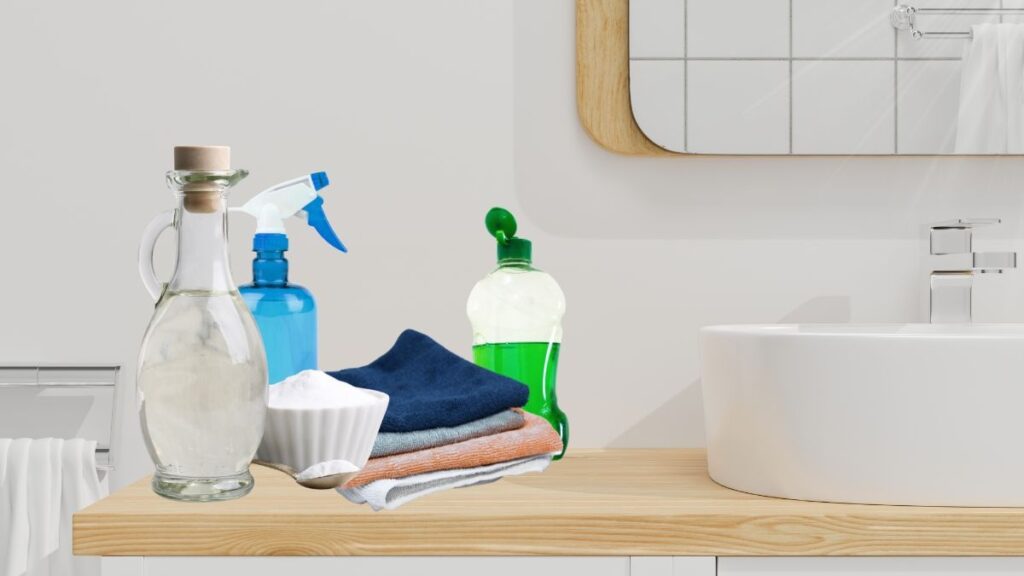
If stains return quickly after cleaning, consider testing your water. A water softener can reduce mineral content and help protect plumbing fixtures throughout the home.
Avoid relying on in-tank cleaning tablets for long-term use. Some products can degrade internal components and lead to leaks.
Professional help may be necessary if stains persist despite repeated cleaning, or if you notice rust, recurring clogs, or buildup extending beyond the visible bowl. These issues may indicate problems within the plumbing system or water supply.
If the porcelain surface is worn or etched, replacement may be more practical than continued cleaning. A damaged surface will continue to attract stains regardless of the method used.