
Even a well-installed grid will sag or shift if the wire connections are inconsistent or overstressed.
Side-by-Side Tool Comparison
| Product | Tool Type | Typical Use | Strengths | Limitations |
|---|---|---|---|---|
| Gunpla 9 Inch Safety Wire Twisting Plier | Automatic twisting pliers | Most DIY ceiling installs | Controlled twists, good ergonomics | Slower than drill-assisted |
| MARSHALLTOWN 12637 Pull Tie Wire Twister | Manual pull-style | Traditional manual installs | Very durable, simple design | More physical effort |
| GEARLINTON Rebar Wire Twister (2 Pack) | Manual pull-style | Light-duty, small projects | Low cost | Durability concerns |
| Keyfit Tools Drill-Assisted Wire Twister | Drill-assisted | Large or repetitive installs | Fast, consistent when controlled | Easy to over-twist |
Best All-Around Choice for Most Projects – Gunpla 9 Inch Safety Wire Twisting Plier with Automatic Spring Loaded Return
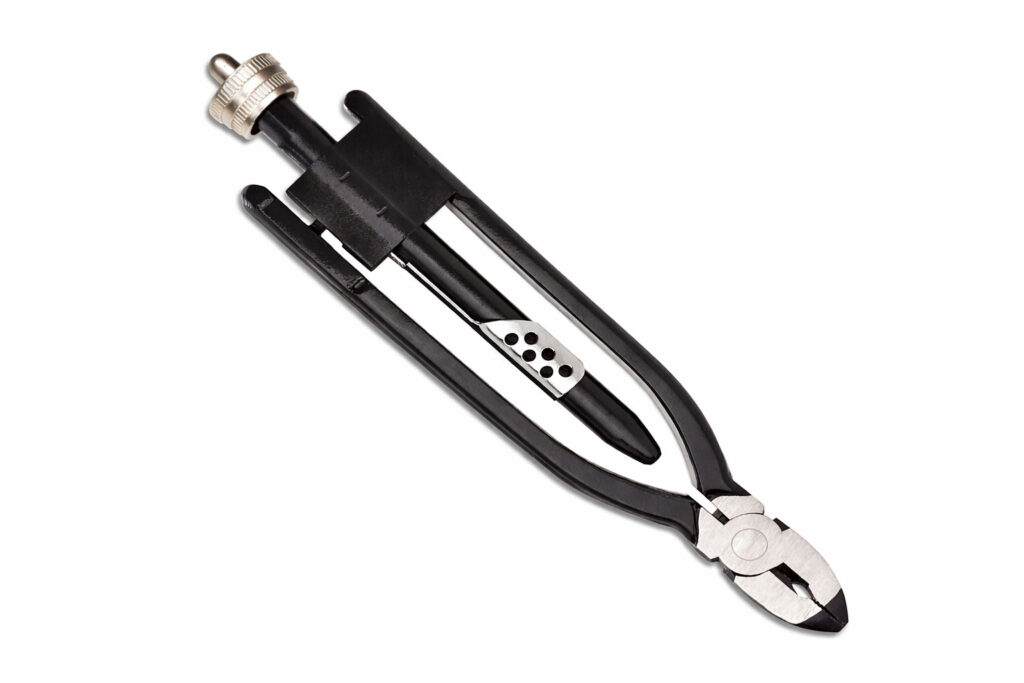
For most homeowners and DIY renovators, the Gunpla 9 Inch Safety Wire Twisting Plier offers the best balance of control, consistency, and ease of use.
Although originally designed for safety wire applications, its automatic twisting mechanism works well for suspended ceiling hanger wire when used carefully.
Unlike pull-style tools that rely on repeated force, this tool twists wire by rotating the jaws as the handle is pulled.
That produces even, compact twists while giving the user clear feedback.
This feedback matters when working overhead, where over-twisting is a common cause of wire failure.
In basement ceilings and residential remodels—where adjustments are frequent—the plier-style design allows controlled tightening without the sudden torque associated with drill-assisted tools.
For most non-professionals, this makes it easier to achieve consistent results across an entire ceiling.
- Strengths:
- Automatic twisting action improves consistency
- Good ergonomic control for overhead work
- Less risk of snapping wire compared to drill-driven tools
- Limitations:
- Slower than powered options on large ceilings
- Requires attention to wire alignment
- Best suited for:
- Homeowners
- DIY basement and garage ceilings
- Small renovation and rental upgrades
Most Durable Manual Option – MARSHALLTOWN 12637 Pull Tie Wire Twister
The MARSHALLTOWN 12637 is a traditional pull-style wire twister known for durability.
While commonly used for rebar tie wire, its simple steel construction performs reliably with ceiling hanger wire.
This tool twists wire only as much as the user pulls, which helps prevent overworking the wire.
That makes it a dependable choice for users who prefer a straightforward, mechanical approach.
- Strengths:
- Heavy-duty steel construction
- Very durable under repeated use
- No moving internal mechanisms
- Limitations:
- More physical effort required
- Less ergonomic than plier-style tools
- Best suited for:
- Users who prefer simple manual tools
- Occasional ceiling installations
Most Cost-Effective Option for Small Jobs – GEARLINTON Rebar Wire Twister (2 Pack)
The GEARLINTON pull-style wire twister is positioned as a budget-friendly option.
It uses a spring-driven twisting action similar to higher-end tools but is built with lighter materials.
For a single-room ceiling or minor repair work, it can be adequate.
However, durability concerns reported by users suggest it is best reserved for light-duty use.
- Strengths:
- Low upfront cost
- Convenient two-pack
- Limitations:
- Shorter service life
- Less consistent under load
- Best suited for:
- One-time DIY projects
- Temporary or light-duty use
Best High-Productivity Tool for Large or Repetitive Installs – Keyfit Tools Drill-Assisted Wire Twister
The Keyfit Tools wire twister attaches to a variable-speed drill and is designed for productivity.
On larger ceilings, it can significantly reduce installation time.
That efficiency requires experience.
Without careful trigger control, it is easy to over-twist or snap wire.
For this reason, it is best suited to users who already understand hanger wire behavior.
- Strengths:
- Fast output on large projects
- Uniform twists when properly controlled
- Limitations:
- Less forgiving than manual tools
- Requires variable-speed drill
- Best suited for:
- Contractors
- Multi-unit or commercial installations
Selection Criteria and Evaluation Process
Tools were evaluated based on real installation conditions rather than manufacturer claims.
Emphasis was placed on control, durability, and compatibility with common U.S. ceiling hanger wire.
Manual tools were favored for homeowner use due to their forgiving nature.
Drill-assisted tools were evaluated for productivity but flagged where misuse could lead to failures.
What Matters When Choosing a Ceiling Wire Twisting Tool
Choosing Between Manual and Drill-Driven Twisters
Manual tools offer better feedback and reduce the chance of wire damage.
Drill-assisted tools are faster but demand discipline and experience.
Matching the Tool to Common Ceiling Wire Sizes
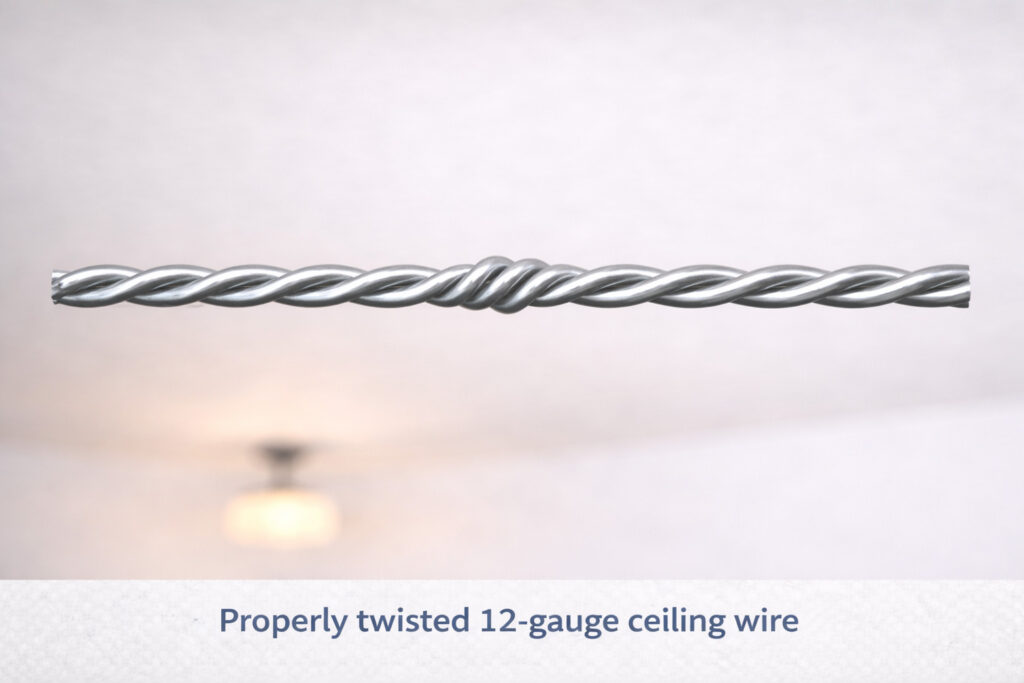
Most U.S. suspended ceilings use 12-gauge hanger wire.
A poorly fitting tool can slip, producing uneven twists or damaging the wire.
Construction Quality and Long-Term Durability
Hardened steel components and smooth action matter.
Cheap internal mechanisms often fail when used repeatedly on ceiling wire.
Usability, Control, and Installer Fatigue
Overhead work is physically demanding.
Tools that reduce strain help maintain consistency and reduce mistakes.
Safety Risks and Injury Prevention
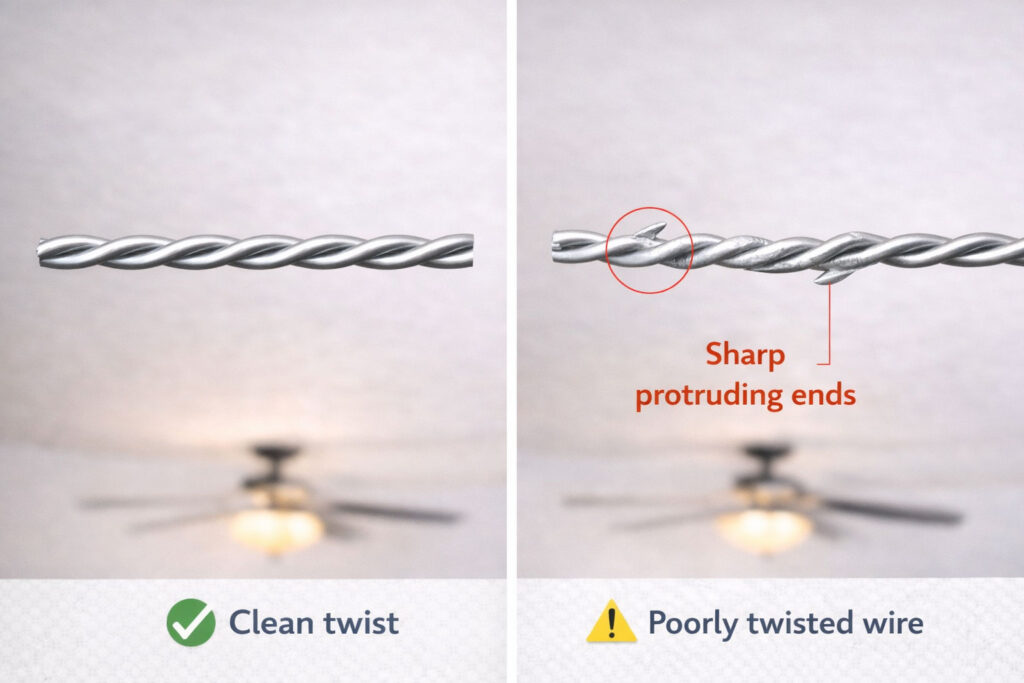
Wire ends are sharp.
Tight, compact twists reduce exposure, but gloves and eye protection remain important.
Balancing Tool Cost Against Project Volume
For one ceiling, a basic manual tool may be sufficient.
For repeated installs, higher-quality tools reduce rework and fatigue.
Common Questions About Ceiling Wire Twisters
Can I twist ceiling wire by hand?
Yes, but results are often inconsistent and weaker than tool-made twists.
Are drill-assisted tools safe for homeowners?
They can be, but only with careful speed control and experience.
How many twists are required?
This depends on manufacturer instructions and local requirements.
Over-twisting is a common mistake.
Final Guidance and Practical Recommendations
For most homeowners, a plier-style automatic wire twister like the Gunpla offers the best combination of control, safety, and consistency.
Manual pull tools remain reliable, while drill-assisted options are best reserved for large projects.
The right tool choice depends on project size and experience level—not brand reputation.
Properly twisted hanger wire is what ultimately keeps a suspended ceiling level and secure over time.