
 Introduction
 Introduction
This guide is written for homeowners, DIY-inclined readers, landlords, and property investors who want a reliable approach to maintaining a healthy lawn. Whether you are dealing with patchy growth or aiming to improve an already established yard, the goal is consistent, long-term results.
The core approach is simple. A healthy lawn depends on proper mowing, deep but infrequent watering, balanced soil conditions, and seasonal timing. When these are done correctly and consistently, most lawns improve without complex treatments or guesswork.
Getting Started: Key Factors to Understand First
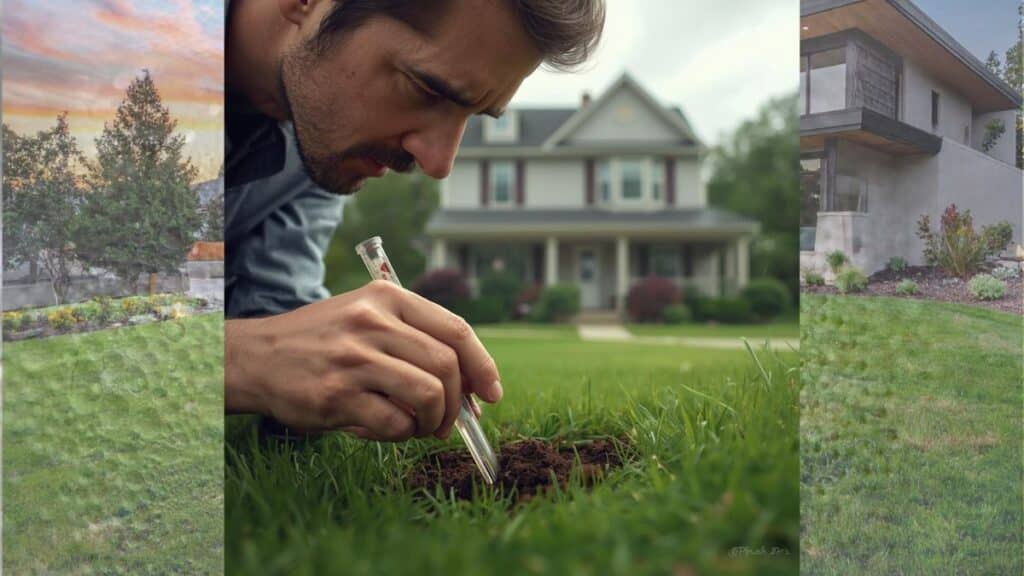 Start by identifying your grass type. In the U.S., lawns are generally classified as cool-season or warm-season. This distinction determines when to seed, fertilize, and apply treatments. For example, cool-season grasses grow actively in spring and fall, while warm-season grasses thrive in summer.
Climate also influences your schedule. A lawn in the Northeast requires a different approach than one in the Southeast. Applying fertilizer at the wrong time often results in weak growth or wasted product, so timing should align with your region’s growing cycle.
Soil condition is a critical but often overlooked factor. Grass depends on soil for nutrients and root support. Compacted soil restricts growth, while improper pH prevents nutrient absorption. A basic soil test provides clear direction on whether lime, compost, or nutrients are needed.
Evaluate your lawn’s current condition before making changes. Look for thin areas, weed presence, and drainage issues. For instance, if water pools after rain, seeding alone will not fix the problem. The underlying drainage issue must be addressed first.
Finally, understand that lawn care is a routine, not a one-time fix. Consistent maintenance produces better results than irregular, reactive efforts.
Essential Tools and Materials for Lawn Care
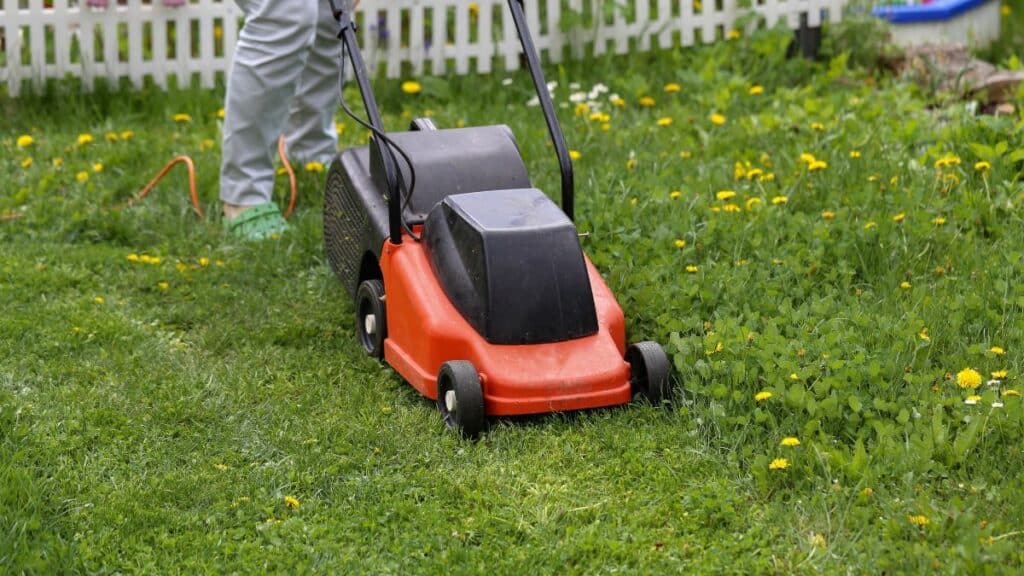 A dependable lawn mower, string trimmer, and rake form the foundation of basic lawn care. A sharp mower blade is especially important because clean cuts reduce stress and disease risk.
For watering, a hose and sprinkler are sufficient for smaller areas, while larger lawns benefit from a simple irrigation system. Consistency is easier to maintain when watering is controlled and repeatable.
Soil tools include a soil test kit and access to an aerator if needed. Aeration improves water and nutrient penetration, especially in compacted soil.
Common materials include fertilizer, region-appropriate grass seed, and weed control products. Soil amendments such as compost or lime should only be used based on test results rather than assumptions.
Optional tools like a broadcast spreader help apply seed and fertilizer evenly, reducing patchy results caused by uneven coverage.
Personal protective equipment should not be overlooked. Gloves, eye protection, and hearing protection are important when operating equipment or handling chemicals.
How to Achieve a Healthy Lawn Step by Step
Step 1: Evaluate Lawn Conditions and Prepare the Area
 Begin with a soil test to understand pH and nutrient levels. This step prevents guesswork and ensures that any amendments address actual deficiencies rather than assumed ones.
Clear debris such as leaves and branches. If a thick layer of thatch is present, it may need to be removed to allow water and nutrients to reach the soil.
Check for soil compaction. If water runs off instead of soaking in, aeration is necessary. Core aeration creates openings that improve root growth and nutrient absorption.
Identify problem areas and patterns. Thin growth may indicate shade, poor drainage, or heavy foot traffic. Addressing these causes prevents repeated failure in the same spots.
Step 2: Build a Simple and Consistent Lawn Care Routine
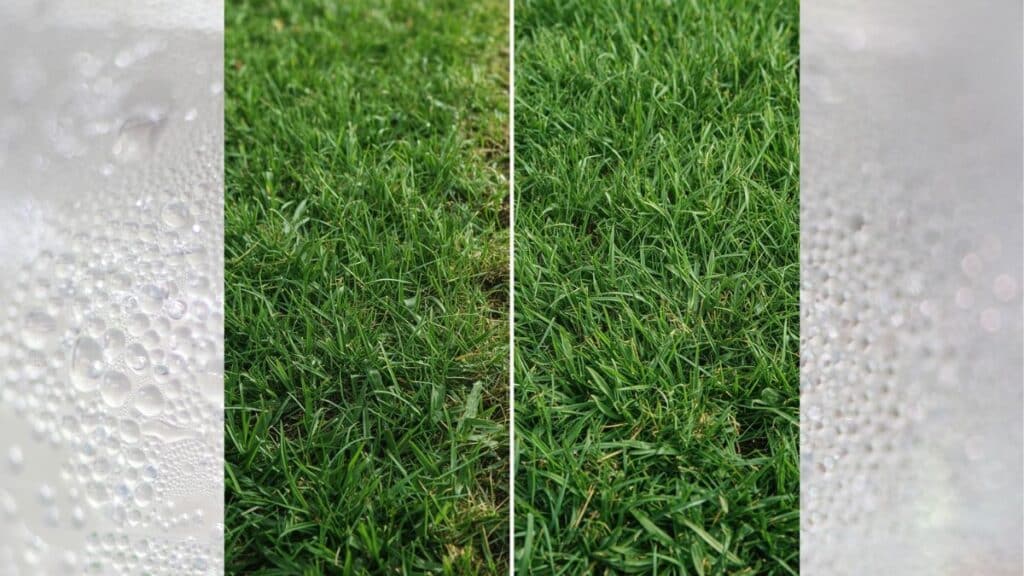 Mow at the appropriate height for your grass type. Taller grass shades the soil, reduces evaporation, and limits weed growth. Cutting too short weakens the lawn and exposes it to stress.
Water deeply but not too often. Most lawns require about one inch of water per week. Deep watering encourages roots to grow downward, improving drought resistance.
Apply fertilizer based on grass type and season. Overapplication is a common mistake that can damage the lawn and create excessive growth. Follow product guidelines and adjust based on soil test results.
Overseed thin areas during the appropriate season. This improves density and reduces space available for weeds. Timing is critical for successful germination.
Use weed control strategically. Preventative treatments stop weeds before they emerge, while targeted treatments address visible growth. Relying on only one method often leads to recurring issues.
This approach supports an easy peasy lawn care routine by focusing on consistency rather than complexity.
Step 3: Maintain Lawn Health Through Seasonal Adjustments
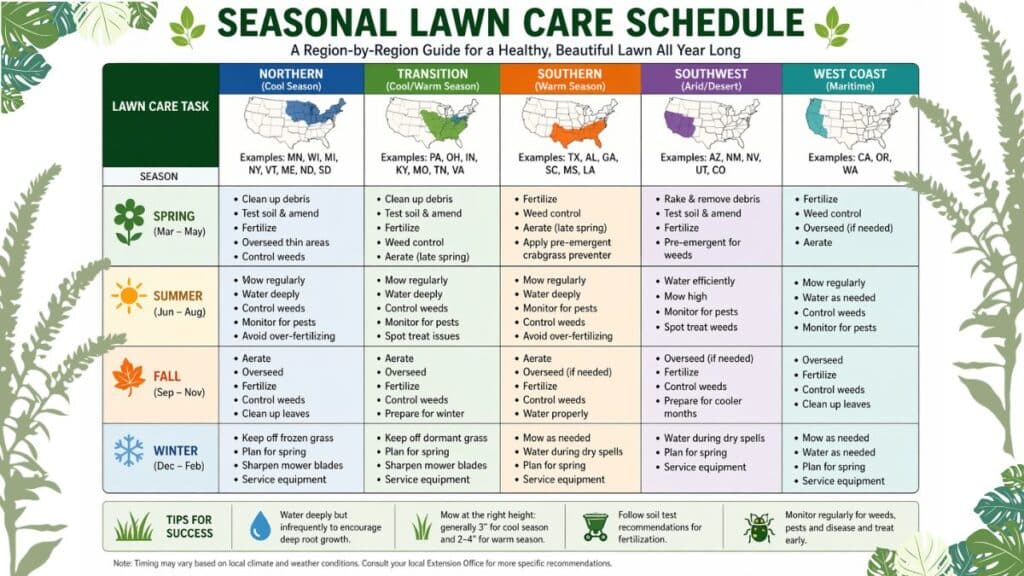 Adjust your care routine throughout the year. In spring, focus on weed prevention and light feeding. During summer, prioritize watering and avoid stressing the lawn with heavy treatments.
Fall is especially important for cool-season lawns. Fertilizing and overseeding during this period strengthens root systems and prepares the lawn for the following year.
Monitor conditions regularly and respond early. For example, dry patches during heat should prompt watering adjustments rather than delayed correction.
Prepare for winter where applicable. Proper mowing height, debris removal, and minimizing foot traffic help prevent damage that becomes visible in spring.
Frequent Lawn Care Mistakes and How to Prevent Them
Cutting grass too short weakens root systems and allows weeds to take hold. Maintaining proper height improves overall resilience.
Overwatering creates shallow roots and increases the risk of disease. Deep, less frequent watering produces stronger growth.
Applying fertilizer without understanding soil needs leads to imbalances. More product does not produce better results and may cause damage.
Ignoring compaction limits improvement. If soil cannot absorb water and nutrients, lawn performance will remain poor regardless of surface treatments.
Using the wrong grass type results in ongoing stress and poor performance. Matching grass to climate conditions is essential.
Inconsistent maintenance leads to uneven growth and recurring issues. A steady routine is more effective than periodic intensive effort.
Safety Practices and Regulatory Considerations
Always follow instructions on fertilizer and herbicide labels. These are regulated guidelines that ensure safe and effective use.
Be aware of local restrictions on fertilizer use and watering schedules. Some areas limit phosphorus application or enforce drought-related watering rules.
Avoid runoff into storm drains. Overapplication of water or chemicals can carry nutrients into waterways, causing environmental issues.
Operate equipment safely. Keep safety guards in place and avoid using machinery on unstable or steep terrain.
Wear appropriate protective gear when handling chemicals or using power tools. This reduces the risk of injury and exposure.
Ensure outdoor electrical connections are properly protected. Ground fault circuit interrupter outlets reduce the risk of shock in wet environments.
Dispose of yard waste and chemical containers according to local regulations to prevent environmental and compliance issues.
Common Questions About Lawn Care
How often should I water my lawn?
Most lawns need about one inch of water per week. Adjust based on rainfall, soil type, and temperature conditions.
What is the best mowing height?
It depends on the grass type, but most lawns benefit from being kept slightly taller to improve resilience and reduce weed growth.
When should I fertilize?
Timing depends on grass type. Cool-season lawns respond best in fall, while warm-season lawns benefit from late spring and summer applications.
How do I fix patchy grass?
Identify the cause first. Compaction, shade, or poor soil conditions must be corrected before reseeding for lasting improvement.
Is overseeding necessary every year?
Not always, but it helps maintain density, especially in high-traffic or thinning areas.
Can I handle lawn care myself?
Most routine tasks are manageable for homeowners. Larger or persistent issues may require professional support.
Final Tips / lawn care extraordinaire Results and When to Call a Pro
Achieving a lawn care extraordinaire standard depends on consistency and understanding how your lawn responds to care. Focus on soil condition, proper mowing, and seasonal timing rather than relying on quick fixes.
Professional help is recommended when problems extend beyond routine maintenance. Persistent drainage issues, irrigation system failures, or large-scale lawn renovation often require specialized tools and experience.
For property owners and investors, consider the balance between time and results. A well-maintained lawn improves curb appeal, while inconsistent care can reduce overall property value.
Maintain a simple, repeatable schedule. Over time, a consistent approach reduces the need for corrective work and results in a more resilient, low-maintenance lawn.