
Key Basics to Understand Before You Begin
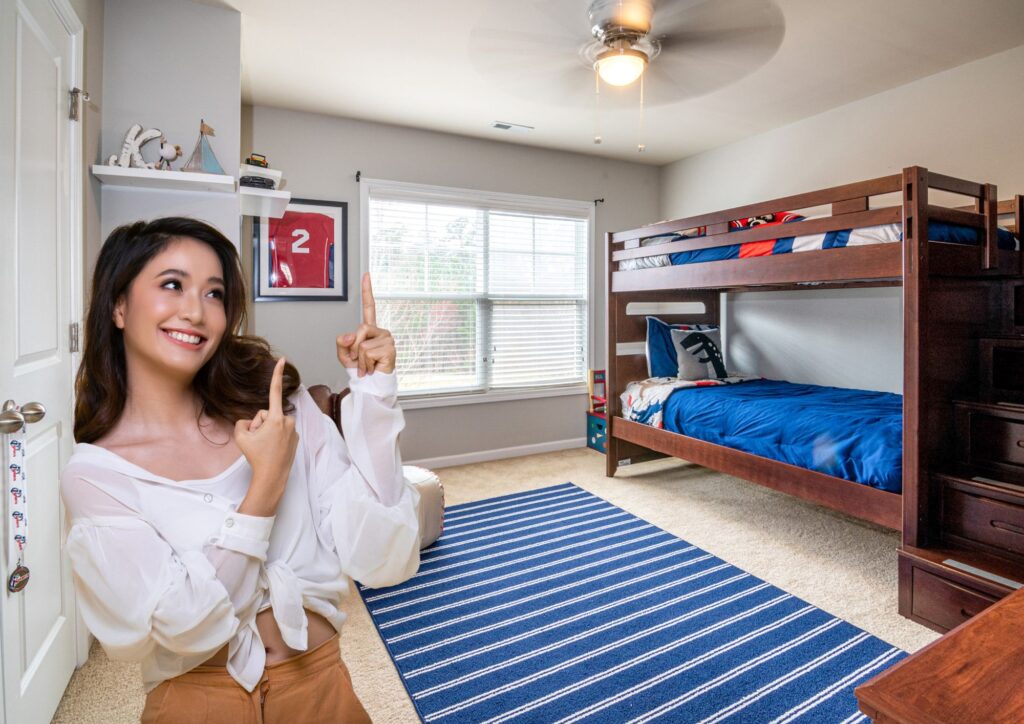
Most household odors don’t come from the air itself. They come from materials that absorb moisture, body oils, food residue, and bacteria over time. Children accelerate this simply by living in the space—playing on the floor, sweating at night, spilling drinks, and dropping used clothing in corners.
Air fresheners add fragrance, but they don’t remove what’s causing the smell. In a child’s room, that often creates layered odors instead of a clean result. A room can look tidy and still smell off if fabrics, hidden areas, or humidity issues are ignored.
It also helps to reset expectations. A room does not need a noticeable scent to smell good. In many homes, “smells clean” means neutral—no lingering mustiness, no trash smell, and no stale air. That’s often more comfortable for kids, especially those sensitive to strong smells.
Finally, odor control works best as a routine rather than a one-time deep clean. Small, repeatable actions—laundry timing, trash habits, airflow, and moisture control—deliver results that last.
Basic Supplies for Safe, Effective Odor Control
You don’t need specialty products to keep a room smelling clean. In family homes, the most reliable approach is source control and ventilation using basic, low-risk supplies that are easy to store safely.
Baking soda is one of the most useful odor absorbers. It neutralizes odors rather than masking them and can be used on carpets, mattresses, and inside storage areas. White distilled vinegar helps break down odor-causing residue on hard surfaces and in laundry, and its smell fades as it dries.
For daily maintenance, microfiber cloths remove dust and residue more effectively than paper towels. A vacuum—ideally with a HEPA filter—helps remove particles that contribute to lingering odors, especially in rooms with rugs, upholstered furniture, and stuffed toys.
For airflow, a box fan or ceiling fan helps move stale air out of the room. If humidity is a recurring issue, a small dehumidifier can reduce musty smells by limiting bacterial and mildew growth.
Optional scent-related materials should be chosen carefully and used lightly. Any cleaning or odor-control supplies should be stored out of reach of children, ideally in a high cabinet or locked storage.
A Practical, Step-by-Step Approach
Step 1 – Remove Odor Sources Instead of Covering Them
The fastest way to improve how a room smells is to remove what’s causing the odor. In kids’ rooms, the most common sources are fabrics and daily-use items that don’t get cleaned on the same schedule as visible surfaces.
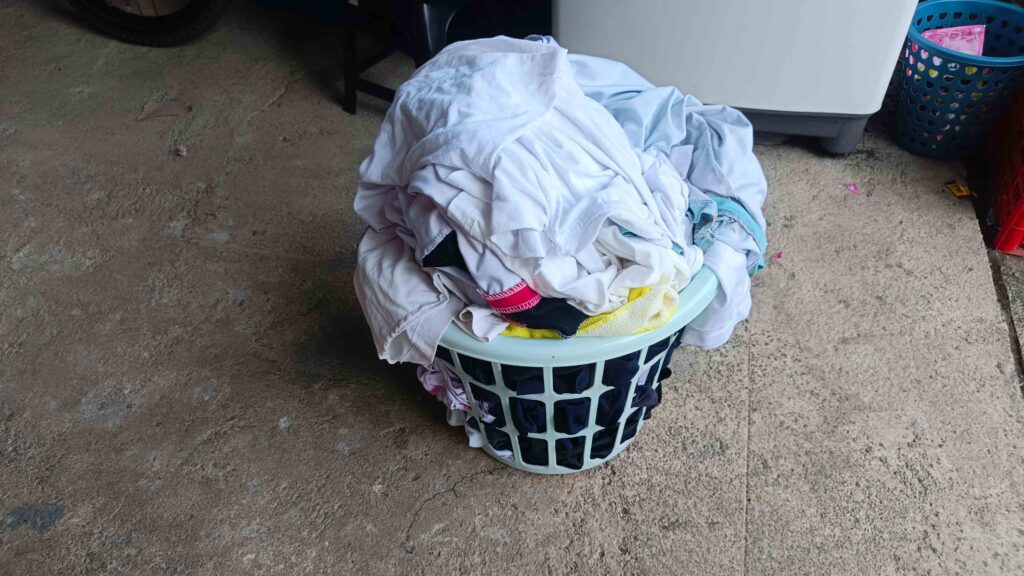
Start with bedding and soft furnishings. Sheets, blankets, and pillow covers absorb sweat and body oils even when they look clean. A weekly bedding wash is a practical baseline for many families. If the room has a noticeable “sleeping” smell, increase frequency or rotate spare sets.
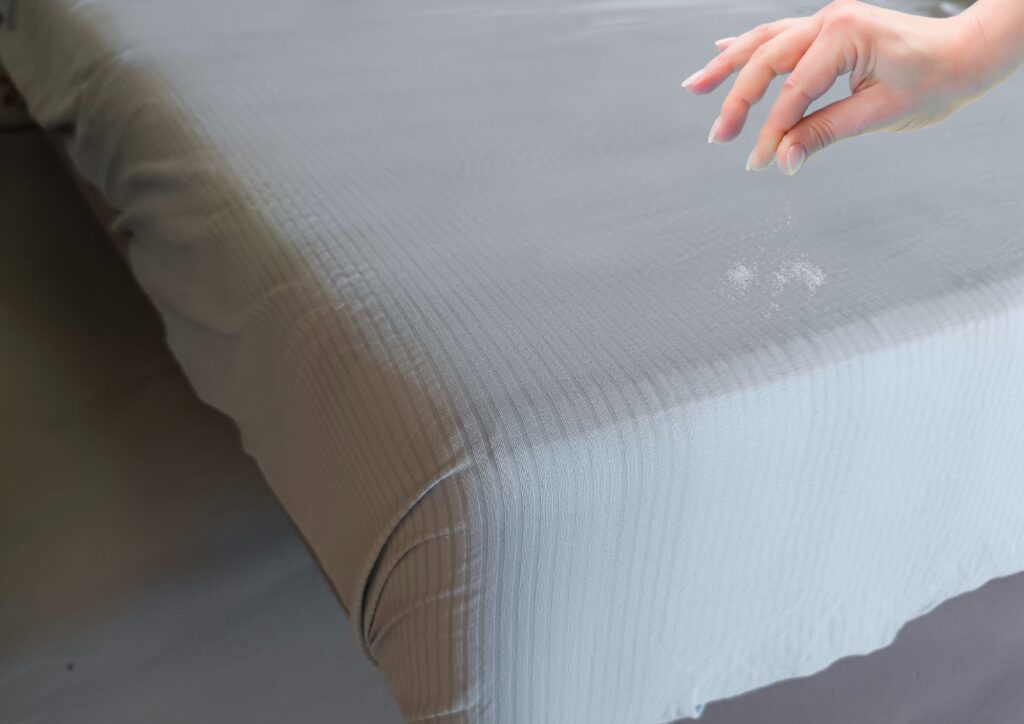
Next, address the mattress and upholstered items. Lightly sprinkle baking soda on the mattress, let it sit, then vacuum thoroughly. Do the same for rugs and upholstered furniture if odors linger. This targets odor at the source without adding fragrance.
Then tackle overlooked items. Shoes, backpacks, sports gear, and stuffed toys can hold strong odors. Don’t let them sit in piles under beds or in corners. Use breathable storage, wash what you can, and air out items that can’t be laundered often.
Trash management matters more than most families expect. Food wrappers, used tissues, and damp items can sour quickly. Use a lidded bin and remove trash frequently. In many homes with kids, daily removal prevents most “mystery” smells.
Finally, check hidden spaces. Closets, drawers, and under-bed areas collect dust and stale air. A quick reset—declutter, vacuum, and wipe surfaces—often improves odor more than another round of surface cleaning.
Troubleshooting by Smell Type (Quick Identification Guide)
If a room still smells off after basic cleaning, the type of odor usually points to the cause. Use this to avoid trial-and-error fixes.
- Musty or damp smell: Usually moisture. Check wet towels, damp bedding, condensation on windows, and carpets that haven’t dried fully. Improve airflow and reduce humidity.
- Laundry or body-odor smell: Often fabrics holding sweat and oils. Wash bedding more consistently and deodorize rugs or mattresses with baking soda.
- Trash or sour smell: Usually waste sitting too long. Empty the bin more often and clean the can if the odor clings.
- Pet-related smell: Tends to embed in carpets and upholstery. Vacuum thoroughly and wash removable covers. If it returns quickly, it may be deeper than surface cleaning.
- Stale or closed-in smell: Usually poor air movement. Active ventilation (window + fan) is often the fix.
Step 2 – Improve Airflow and Indoor Air Quality
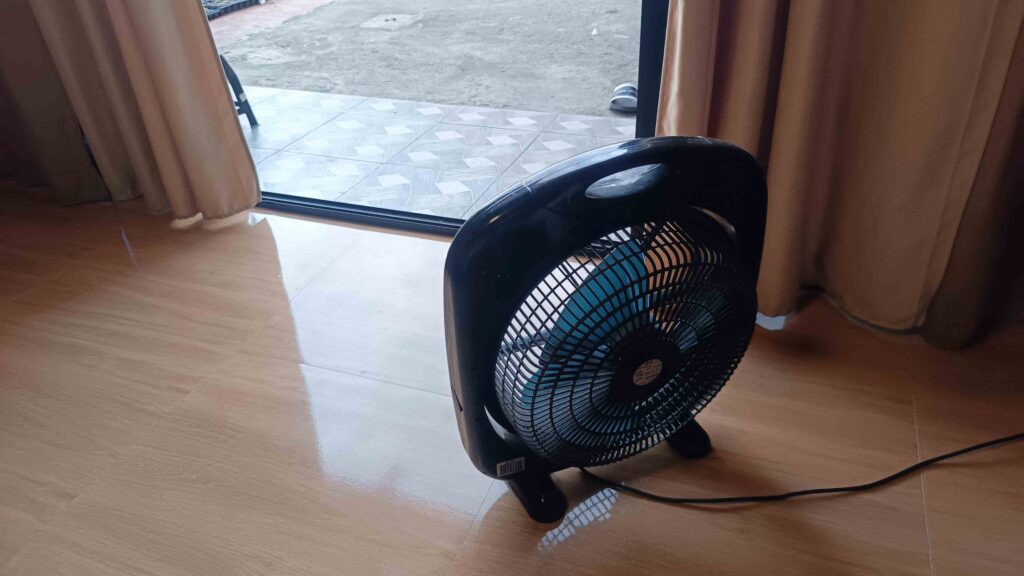
After you reduce odor sources, airflow determines whether smells clear or linger. Many children’s rooms stay closed for long periods, which allows stale air to build up—even when the room is clean.
Use intentional ventilation rather than passive airing. Open a window and use a fan to push indoor air outward for 10 to 15 minutes. This “air exchange” is often more effective than leaving a window cracked all day.
When windows stay closed, air movement still matters. Ceiling fans or box fans help prevent pockets of stagnant air, especially around heavy curtains, bunk beds, or crowded furniture layouts. The goal is circulation, not strong wind.
Humidity control is a major odor factor. Moist air supports bacteria and mildew, which can create musty smells in fabrics and carpets. If the room feels damp or stuffy, a dehumidifier can improve both comfort and odor.
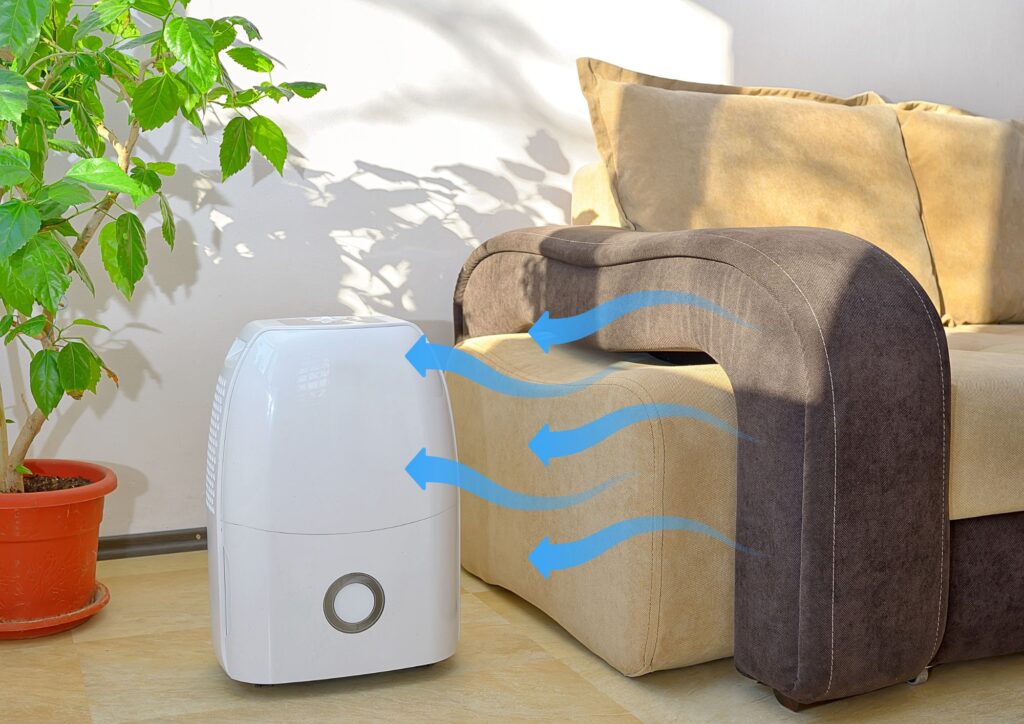
Also consider nearby rooms. Bathrooms and laundry areas can push humid air into bedrooms. Make sure bathroom exhaust fans run during and after bathing, and don’t leave wet towels or damp laundry sitting indoors.
Step 3 – Add Light, Natural Scents Safely
Once odors are removed and airflow is improved, some parents choose a very subtle scent. This step is optional and should be treated as a finishing touch, not the solution.
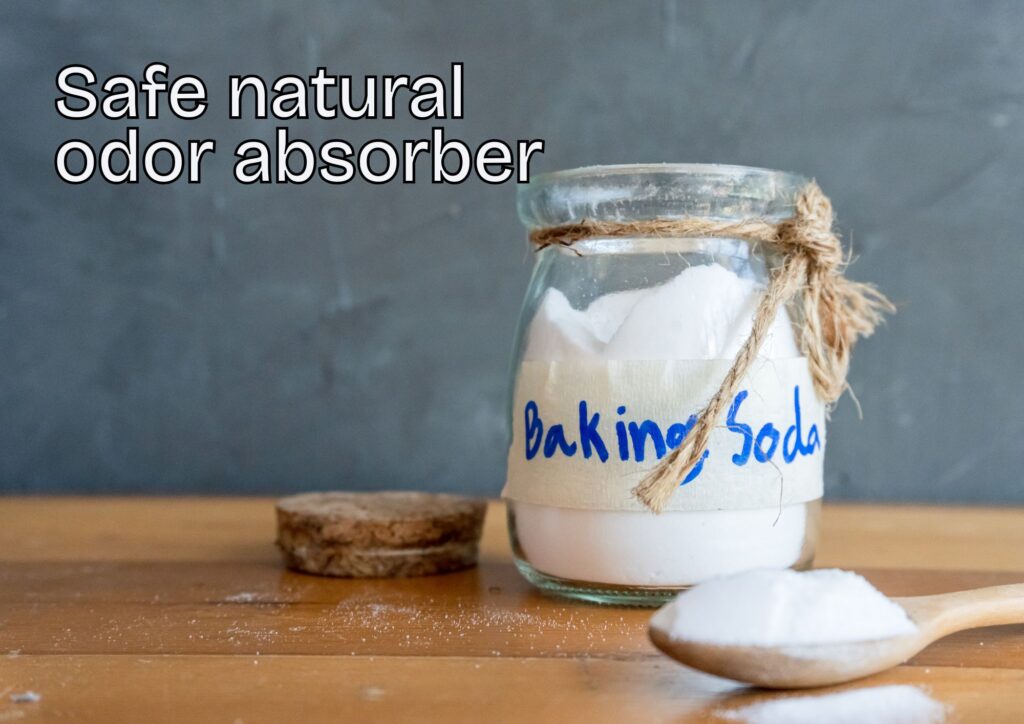
Passive odor control is typically the safest option. Baking soda in a breathable container can absorb lingering odors without adding fragrance. Keep containers secured and out of reach, especially in rooms used by toddlers.
Essential oils require caution. They are concentrated and can irritate airways if overused. If you choose to use them, keep amounts very small, avoid continuous diffusion in sleeping and play areas, and never apply oils directly to bedding, carpets, or children’s skin.
In many households, no added scent is necessary once the room is clean and the air is moving. A neutral, clean-smelling room is often the most comfortable outcome for kids.
Frequent Odor-Control Mistakes Parents Make
A common mistake is trying to solve odor problems with scent instead of removal. That approach often creates layered smells that feel heavier, and it can be especially irritating for children with allergies or sensitivities.
Another issue is assuming “natural” means harmless. Essential oils and DIY scent methods can still cause problems when used too strongly or stored where kids can access them. Safety depends on dose, placement, and supervision.
Many homeowners also overlook soft surfaces. Mattresses, rugs, upholstery, curtains, and stuffed toys can hold odors even when floors and countertops look clean. If you only clean hard surfaces, smells often return quickly.
Ventilation mistakes are common, too. Briefly opening a window without moving air does little. On the other hand, uncontrolled ventilation can introduce humidity or outdoor pollutants. Airflow should be deliberate and timed.
Finally, inconsistency undermines progress. Allowing laundry, trash, or damp items to pile up—even briefly—can undo days of improvement. Odor control works best when it’s built into weekly routines.
Safety and Indoor Air Considerations for Family Homes
In children’s rooms, safety should guide every odor-control choice. Materials should be non-toxic, non-flammable, and inaccessible to children. Any method that creates ingestion, skin-contact, or choking risk is not worth the tradeoff.
Avoid open flames and heated scent devices in kids’ spaces. Candles and similar methods increase fire risk and do not address odor sources. Passive odor absorption and ventilation are safer and more reliable.
Good ventilation and moisture control support indoor air quality. Bedrooms should not have blocked vents or sealed conditions that trap stale air. Bathrooms and laundry-adjacent areas should use exhaust fans to limit humidity migration.
If you see repeated condensation, damp materials that won’t dry, or persistent mustiness, treat it as a moisture issue—not a scent issue. Reducing humidity helps prevent mold-friendly conditions and improves odor long-term.
Store cleaning supplies and odor-control materials out of reach in secure storage. A room that smells clean but creates safety hazards is not a parent-friendly solution.
Common Questions Parents Ask
How do you make your room smell good without air freshener?
Focus on removing odor sources, washing fabrics regularly, improving airflow, and controlling humidity. Added scent is optional and should be minimal.
Why does a room smell bad even after cleaning?
Odors often remain in soft materials, hidden areas, or stagnant air. Surface cleaning alone doesn’t remove smells trapped in padding, carpets, or closets.
Are essential oils safe in children’s rooms?
They can be irritating if overused. If used at all, keep amounts very small, avoid continuous diffusion in sleeping/play areas, and store oils securely out of reach.
How often should kids’ rooms be cleaned to prevent odors?
Weekly maintenance (vacuuming, trash removal, and bedding washes) prevents most odors. Homes with heavy use, pets, or humidity may need more frequent fabric care.
What’s the safest long-term approach?
Routine cleaning, consistent laundry habits, controlled ventilation, and moisture management—without relying on heavy fragrance.
Long-Term Maintenance and When Professional Help Is Needed
Most odor problems improve dramatically when families stick to simple routines: wash bedding on schedule, remove trash frequently, keep laundry contained, and ventilate rooms intentionally. These habits create results that last without relying on fragrance.
If a room smells “off” soon after cleaning, look for moisture, ventilation limitations, or hidden odor sources. Repeating surface cleaning without identifying the cause can waste time and leave the underlying issue untouched.
Professional help is worth considering when odors persist despite routine cleaning and airflow improvements. Musty smells that return quickly, suspected mold or chronic dampness, and odors coming from HVAC vents often require inspection or specialized equipment.
Also consider escalation if children experience recurring respiratory irritation or headaches that seem tied to indoor air. In older homes or properties with past water damage, persistent odors can signal problems that should be addressed directly.
A room that smells clean without air freshener is usually a sign of a healthier environment. When parents prioritize source control, airflow, and safety, children can live and move comfortably without unnecessary exposure to strong scents or chemicals.