
A well‑designed home doesn’t require a remodel or expensive décor. Most improvements come from focusing on fundamentals—cleanliness, lighting, scale, and organization. When these elements work together, the home feels more comfortable, balanced, and visually appealing. The following sections outline practical steps homeowners can take, along with guidance on when professional help is the safer choice.
Start With a Clean, Uncluttered Foundation
A clean, organized home creates the strongest visual impact. Even without new furniture or décor, reducing clutter and refreshing surfaces immediately improves how a room looks and feels.
Decluttering Room by Room
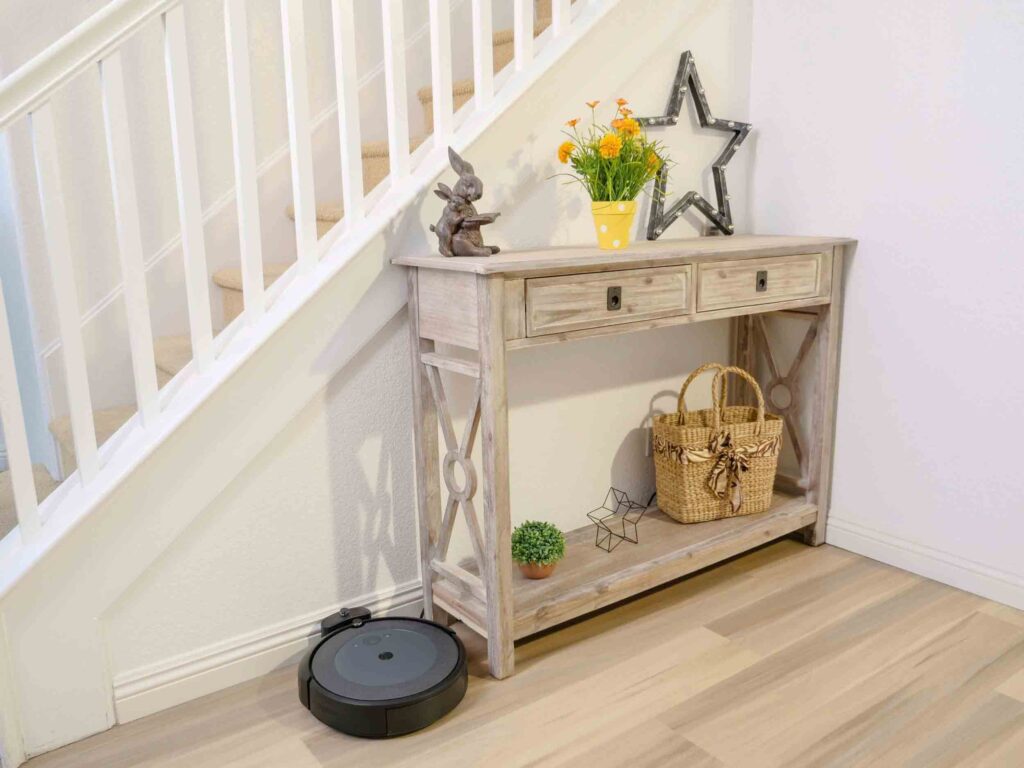
Decluttering removes visual noise and makes rooms feel larger. Start with high‑traffic areas—living rooms, kitchens, and entryways. Clear countertops, reduce shelf décor, and limit each surface to a few purposeful items. For example, a kitchen counter with only a coffee maker and a fruit bowl looks cleaner than one filled with appliances and mail.
Sort items into “keep,” “donate,” and “store” categories. Seasonal décor, duplicate gadgets, and rarely used items often fall into the latter two groups.
Safety note: Avoid stacking heavy items on high shelves. Anchor tall furniture to studs to prevent tip‑overs.
Deep Cleaning for Maximum Impact
Deep cleaning enhances the improvements made through decluttering. Focus on floors, baseboards, windows, and mirrors. Clean windows allow more natural light into the home, while wiped baseboards remove the dull film that makes rooms look older.
In kitchens, clean appliances, sinks, and backsplash areas where grease accumulates. These oily mess sticking in the duct and overhead exhaust can emit unpleasant smell overtime.
In bathrooms, scrub grout, polish fixtures, and remove soap scum.
DIY vs. professional: Routine cleaning is manageable for most homeowners. Carpet steaming, grout restoration, and heavy pet‑odor removal are often more effective when handled by professionals.
Improve Lighting for Warmth and Style
Lighting shapes how a room feels. It highlights features, reduces shadows, and creates a more welcoming atmosphere. Many homes rely on a single overhead fixture, which often leaves corners dim and the room visually flat.

Layered Lighting Basics
Layered lighting combines ambient, task, and accent lighting. Ambient lighting provides general illumination. Task lighting supports specific activities, such as reading or cooking. Accent lighting highlights architectural features or décor. Nowadays, there are several light designs where you can choose from 3 different types of tone. From warm, daylight, and neutral – you just have to turn off and on the light switch to see which tone you would like for that certain time.
Using all three types prevents the “spotlight effect” that occurs when one bright fixture tries to light an entire room.
Choosing the Right Bulb Temperature
Bulb temperature affects mood. Warm white bulbs in the 2700K–3000K range create a comfortable feel suitable for living rooms and bedrooms. Cooler bulbs above 4000K work better in garages or workspaces.
LED bulbs are practical because they use less energy, last longer, and come in a wide range of brightness levels.
Maximizing Natural Light
Natural light improves both appearance and comfort. Clean windows, light curtains, and unobstructed window areas help distribute sunlight. Mirrors placed opposite windows reflect light deeper into the room, making small spaces feel larger.
Safety note: Use a stable ladder when installing light bulbs, cleaning high windows or adjusting curtain rods.
Refresh Walls and Trim for a Clean, Modern Look
Fresh walls and well‑maintained trim make a home look noticeably cleaner and more updated. Even without changing furniture, improving wall surfaces can shift the entire feel of a room.
Neutral Paint Colors That Work in Most Homes
Neutral colors—soft whites, warm beiges, light grays, and greige tones—create a calm backdrop and reflect light well. They also unify open‑concept spaces by creating visual continuity.
Touching Up Trim and Doors
Trim and doors show wear faster than walls. Cleaning them with a mild degreaser often restores brightness. If cleaning isn’t enough, a coat of semi‑gloss white paint can make the entire room feel newer.
Creating a Simple Feature Wall
A feature wall adds interest without overwhelming the room. A deeper shade of the existing palette creates subtle contrast, while peel‑and‑stick wallpaper introduces pattern without long‑term commitment. Textured options like wood slats or board‑and‑batten add dimension and can make a plain room feel more finished.
DIY vs. professional: Painting and peel‑and‑stick wallpaper are DIY‑friendly. Traditional wallpaper or wood paneling may require professional help.
Code awareness: Decorative wall treatments rarely require permits, but some multifamily buildings have fire‑rated walls that should not be compromised.
Use Furniture That Fits the Space
Furniture influences both appearance and function. Even well‑decorated rooms can feel cramped if the furniture is the wrong size or arranged poorly.

Understanding Scale and Proportion
Scale refers to how the size of a piece relates to the room. A large sectional in a small living room makes the space feel tight. A tiny rug under a large sofa makes the room look unfinished.
Rearranging for Better Flow
Good flow means people can move through the room without weaving around obstacles. Identify natural pathways and keep them clear. Avoid blocking windows, as natural light improves the look of a room.
Mixing Old and New Pieces
Blending styles works best when pieces share a visual relationship—through color, material, or proportion. A modern sofa can pair well with a vintage coffee table if the wood tones complement each other or if both pieces share clean, simple lines.
DIY vs. Professional Help
Most furniture tasks—rearranging, assembling, or swapping pieces—are manageable for homeowners. Professional help is useful for moving heavy items or installing built‑ins.
Safety note: Anchor tall furniture to studs to prevent tip‑overs.
Bring Life Into the Home With Plants and Greenery
Plants add movement, texture, and a natural focal point that softens hard lines. Even a single well‑placed plant can make a room feel more finished.
Low‑Maintenance Plant Options
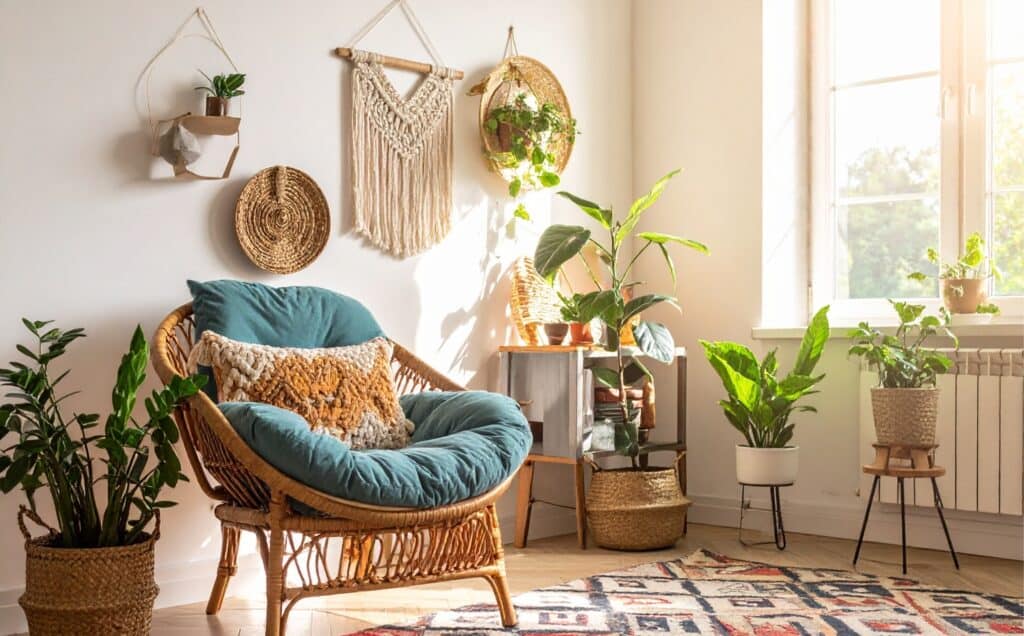
Hardy varieties like snake plants, pothos, ZZ plants, and spider plants thrive in typical indoor conditions and maintain their shape with minimal care. These plants add a layer for health as they are proven to filter carbon dioxide from the room air.
Using Plants of Different Sizes
Scale matters. A tall floor plant anchors an empty corner, while medium plants add height on consoles or side tables. Smaller varieties work well on shelves or desks, where they introduce greenery without overwhelming the space.
Faux vs. Real Plants
High‑quality faux plants are useful in low‑light areas or for homeowners who travel frequently. Real plants offer more texture and movement but require consistent care.
Upgrade Small Details for a Big Impact
Small updates can noticeably improve how a home looks without major projects.
Swapping Out Hardware
Replacing cabinet knobs, pulls, or hinges modernizes kitchens and bathrooms. Matching finishes creates a cohesive look.
Replacing Switch Plates and Outlet Covers
Switch plates often yellow or accumulate grime. Replacing them with clean, matching covers improves the look of walls.
Updating Light Fixtures
Replacing outdated fixtures brightens a room and improves style.
Safety note: Turn off power at the breaker before working on electrical components.
Using Matching Storage Bins
Matching bins create a uniform look in pantries, closets, and open shelving. They hide everyday items without adding visual clutter.
Make Your Home Smell Fresh and Inviting
A pleasant scent shapes how a home is perceived. Fresh air and clean surfaces matter more than strong fragrances, and small habits go a long way toward maintaining a consistently inviting atmosphere. 
How to Make a House Smell Good Fast
Open windows briefly to replace stale air. Simmer citrus or herbs for a light, natural scent. Clean trash cans and refresh garbage disposals to remove odor sources.
How to Make a House Smell Good for Showing
Use subtle scents like linen or mild citrus. Keep pet areas clean and ventilate rooms before showings.
What Makes Your House Smell Good All the Time
Long‑term freshness comes from routine habits: changing HVAC filters, controlling moisture, and washing textiles regularly.
Keep Surfaces Clear and Organized
Clear surfaces instantly make a home feel calmer and more intentional.
Using Trays to Contain Items
A tray creates visual boundaries, turning small objects into a single, organized vignette.
Creating Drop Zones
A simple drop zone near the entry prevents keys, mail, and bags from spreading throughout the home.
Storing Everyday Items Out of Sight
Closed storage keeps frequently used items accessible without crowding surfaces.
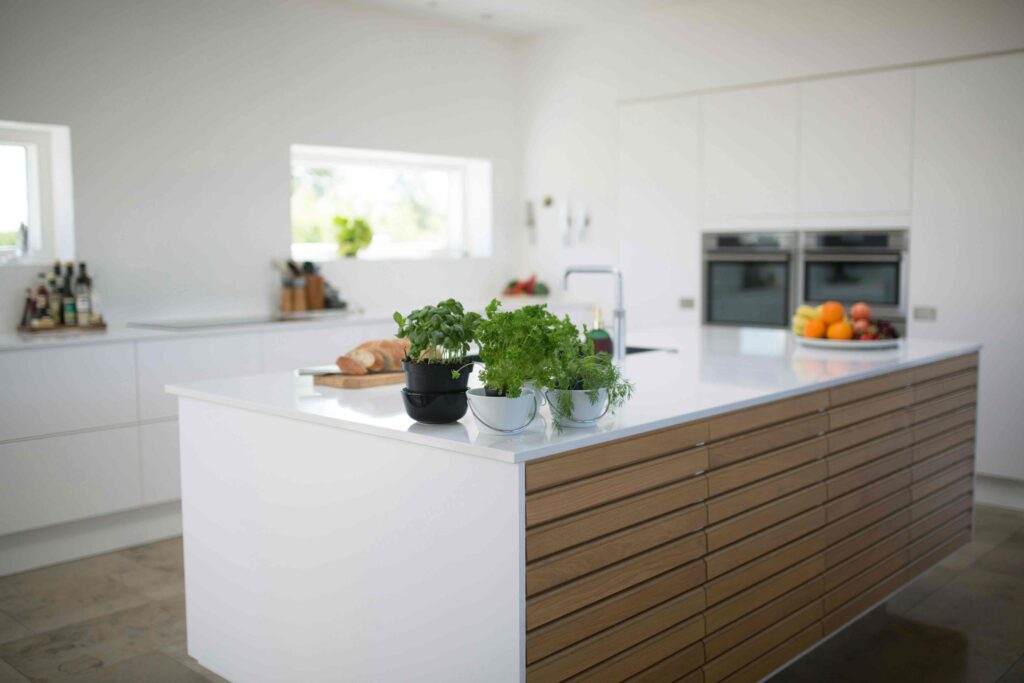
Quick Kitchen Improvements
Fresh dish towels, a small plant, or a bowl of fruit add color. Matching containers improves pantry organization.
Quick Bathroom Improvements
New towels, a clean shower curtain, and organized toiletries improve appearance. Cleaning grout and refreshing caulk have a noticeable impact.
DIY vs. Professional Work
Most cosmetic updates are DIY‑friendly. Plumbing repairs, electrical work, and tile installation often require professional help.
Maintain a Consistent Cleaning Routine
Daily Tasks: Wipe counters, sweep high‑traffic areas, and return items to their designated spots.
Weekly Tasks: Vacuum, mop, clean bathrooms, dust surfaces, and wash bedding.
Monthly Tasks: Clean appliances, wipe baseboards, and inspect HVAC filters.
When to Call a Professional

Electrical Work Beyond Simple Fixture Swaps
New wiring, additional outlets, and troubleshooting require a licensed electrician.
Plumbing Issues Beyond Surface Repairs
Leaks inside walls, drain problems, and pipe replacements should be handled by a plumber.
Structural or Load‑Bearing Changes
Removing or modifying walls affects stability and requires professional assessment.
Mold Remediation and Moisture Problems
Large or hidden mold issues need specialized containment and treatment.
Flooring and Tile Work
Hardwood installation, tile waterproofing, and subfloor repairs require precision.
HVAC Repairs and Airflow Issues
Refrigerant handling, duct balancing, and diagnostics should be done by an HVAC technician.
Final Thoughts on Making Your Home Look Nice Inside
Most improvements come from focusing on fundamentals—cleanliness, lighting, scale, and organization. Small, consistent habits create a home that feels intentional and welcoming every day. Being consistent and disciplined is how you to make your house look nice inside. When a project extends beyond cosmetic updates, knowing when to call a professional protects both the home and the people living in it.