
 Introduction
 Introduction
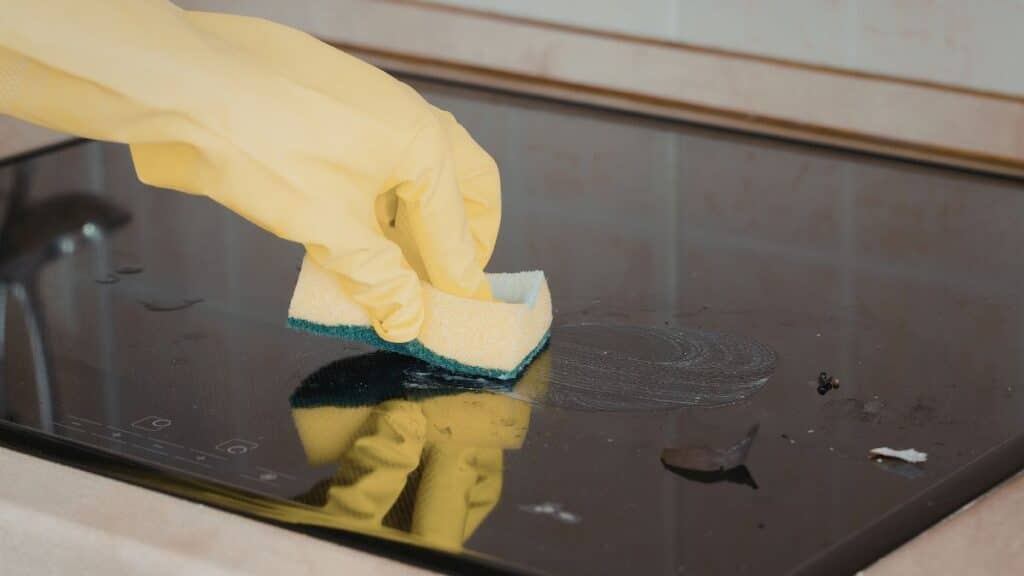
This guide is written for homeowners, DIY-focused readers, rental property owners, and contractor-aware consumers who want a clean, streak-free black stove top without damaging the finish. Black surfaces look sharp, but they highlight every smear, haze line, and grease mark.
If your goal is a smooth, glossy surface with no streaks, the method matters more than the product. In most cases, streaking is caused by leftover cleaner, grease film, or improper drying. The solution is straightforward: clean only when the surface is cool, use a non-abrasive cleaner suited to your stove type, remove residue carefully, and finish with a thorough microfiber buff.
Before You Begin: Key Things to Understand
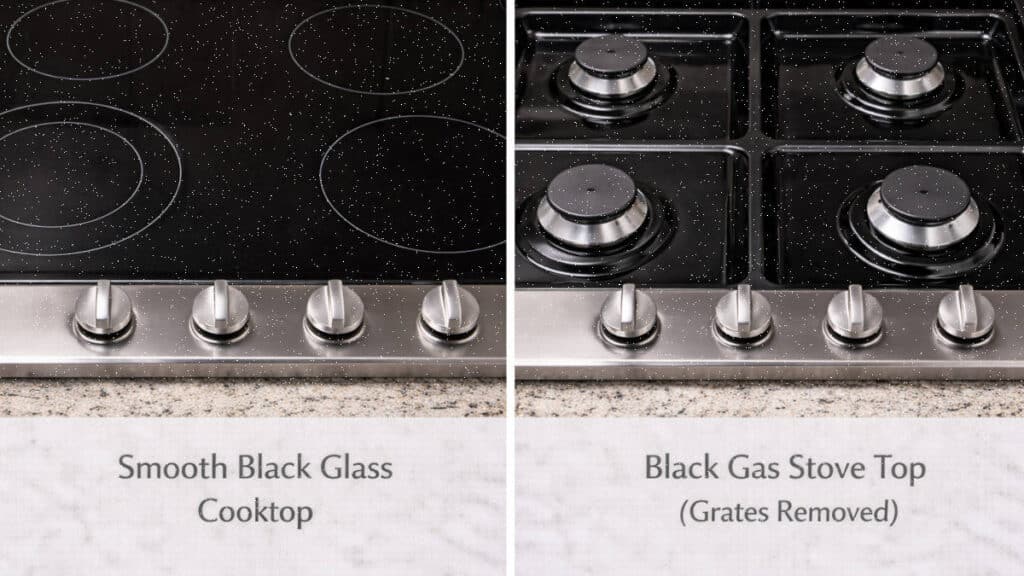
Start by identifying your stove type. A black glass or ceramic cooktop requires different care than a black gas stove top with enamel or painted steel. Using the wrong cleaner or tool can permanently dull or scratch the surface.
Black finishes reveal residue because they reflect light. A thin film of grease or cleaner that might not show on white enamel will be obvious on black glass. That is why complete residue removal and proper drying are essential for a streak-free result.
Also distinguish between surface grease, burnt-on food, and mineral haze. Grease feels slick and lifts with degreaser. Burnt residue feels rough and may require controlled scraping. Mineral film appears cloudy and often results from hard water or excess cleaner. Treating each correctly prevents over-scrubbing and surface damage.
Finally, review the manufacturer’s cleaning recommendations. Many glass cooktops allow razor scrapers when used properly, but prohibit abrasive powders or pads. Following those guidelines protects both the finish and any remaining warranty.
Recommended Tools and Cleaning Supplies

For black glass or ceramic cooktops, use microfiber cloths, a non-abrasive cooktop cleaner, and a razor scraper designed for glass surfaces. A soft sponge and warm water are sufficient for routine cleaning. Microfiber is preferred because it lifts residue without leaving lint or streaks.
For cleaning a black gas stove top, use mild dish soap or a degreaser labeled safe for enamel or porcelain-coated steel. A soft-bristle brush and non-scratch pad help remove grease around burner areas without scratching the finish.
Baking soda can assist with heavy grease buildup when used gently. Isopropyl alcohol may be used as a final wipe if the manufacturer allows it. Avoid steel wool, abrasive powders, or aggressive scouring pads. These create micro-scratches that trap grease and make streaking worse over time.
Step-by-Step Process for a Streak-Free Finish
Step 1: Clear Debris and Break Down Surface Grease
Ensure the stove top is completely cool. Cleaning a warm surface causes cleaner to evaporate too quickly, leaving behind streaks and residue.
If you are cleaning a black gas stove top, remove grates and burner caps first. Wipe away loose crumbs and debris with a dry microfiber cloth to prevent dragging grit across the surface.
Apply a small amount of cooktop cleaner or approved degreaser. Allow it to dwell according to label instructions. This softens grease so you do not need excessive scrubbing, which is a common cause of scratches and dull spots.
Step 2: Remove Burnt Residue Without Damaging the Surface
For black glass cooktops, use a razor scraper held at a low angle, approximately 30 degrees. Keep the surface lightly lubricated with cleaner while scraping. Scraping dry glass increases the risk of scratching.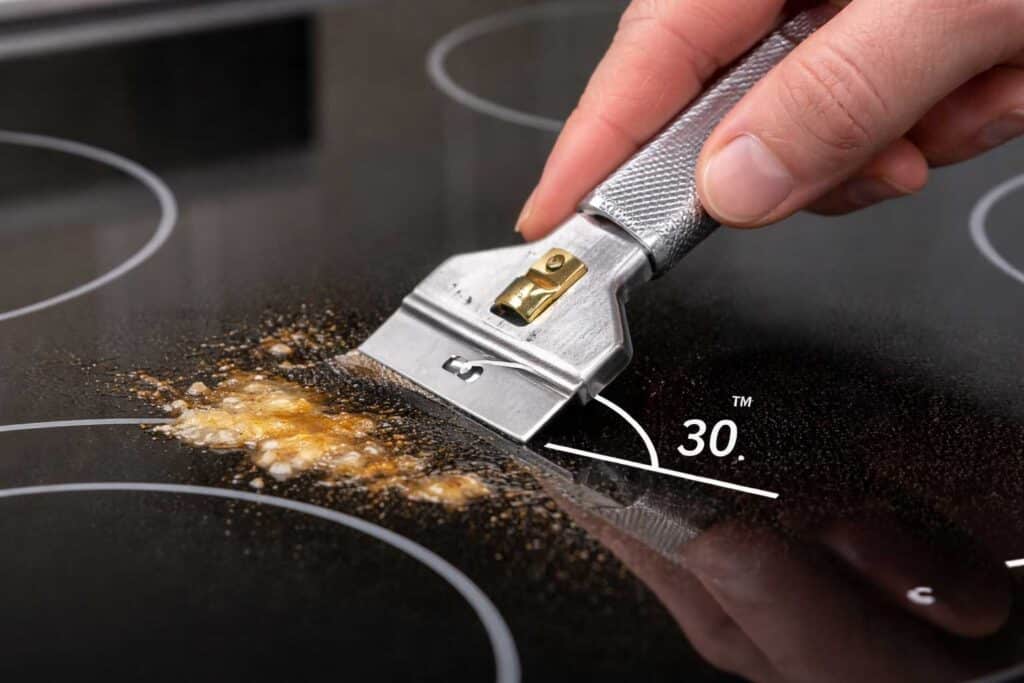
Work slowly and use controlled pressure. If residue resists removal, reapply cleaner and allow more dwell time rather than forcing it off.
For cleaning black stove top grease on gas models, soak grates separately in warm soapy water. Use a soft brush around burner heads and wipe the base surface carefully. Avoid flooding ignition components with water, as trapped moisture can cause delayed ignition or inconsistent flame patterns.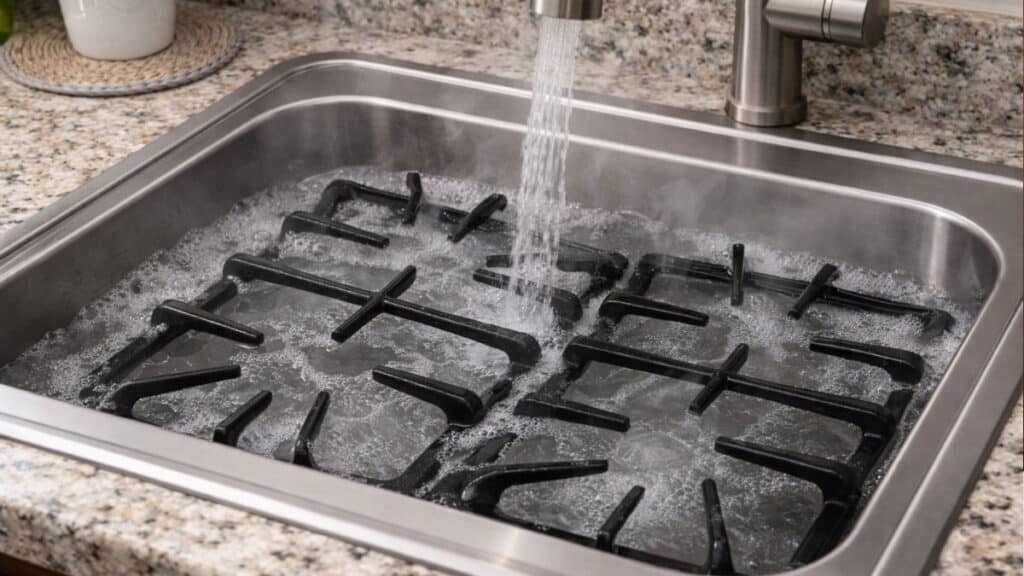
Step 3: Rinse Thoroughly and Buff for a Polished, Streak-Free Shine
After residue is removed, wipe the entire surface with a clean, damp microfiber cloth. This step removes all remaining cleaner. Any residue left behind will dry into visible haze.
Immediately follow with a dry microfiber cloth. Buff using overlapping or circular motions until the surface is fully dry. Do not allow water to air-dry, especially in areas with hard water.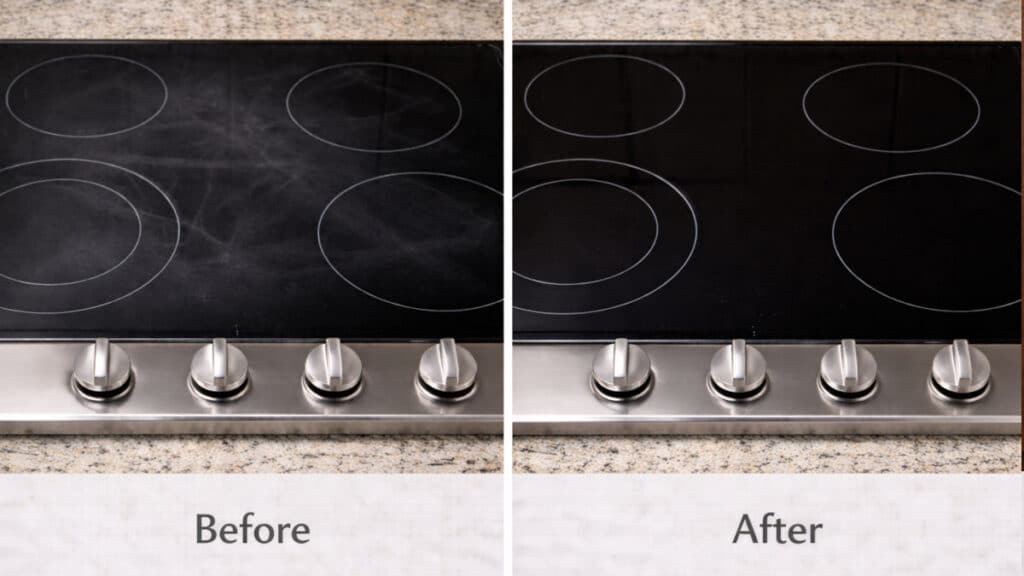
If approved for your stove, a light final wipe with isopropyl alcohol can remove lingering film and improve clarity. Use sparingly and buff dry. Reinstall grates and burner parts only after all components are fully dry.
Avoid These Common Cleaning Errors

Using abrasive tools is one of the most frequent mistakes. Steel wool and scouring powders may not cause visible damage immediately, but repeated use creates fine scratches that hold grease and increase streaking.
Overapplying cleaner is another issue. Excess product leaves film that dries unevenly. A thin, controlled layer is easier to remove and produces better results.
Cleaning while the surface is warm also contributes to streaking. Heat accelerates evaporation and can cause cleaner to bond to the surface. Always wait until the cooktop is completely cool.
For gas stoves, excessive water around burner assemblies often leads to ignition problems. Many post-cleaning malfunctions are simply moisture that has not fully evaporated.
Safety Guidelines and Appliance Considerations
Before deep cleaning an electric cooktop, ensure the unit is powered off and fully cooled. Avoid allowing water to enter control panels or wiring areas. Household electrical systems must remain protected from moisture intrusion.
With gas stoves, do not disassemble or modify burner assemblies beyond normal cleaning. Gas appliances must operate according to manufacturer specifications and national fuel gas safety standards.
Avoid using flammable or solvent-based cleaners near open flames or pilot lights. Even small amounts of aerosolized cleaner can ignite if sprayed onto a lit burner.
If you detect a gas odor after reassembly, stop immediately and do not attempt to relight the appliance. Contact a qualified technician. Gas odor indicates a potential safety issue, not a cleaning problem.
For rental properties, follow manufacturer instructions carefully. Improper cleaning that damages surfaces or ignition systems can create safety concerns and potential liability.
Frequently Asked Questions
What is the best cleaner for black stove top?
For black glass cooktops, use a cleaner labeled specifically for ceramic or glass cooktops. These are formulated to remove grease without scratching. For black enamel gas stove tops, use a mild degreaser approved for painted or porcelain-coated surfaces.
What is the best cleaner for black gas stove top?
Choose a non-abrasive degreaser safe for enamel. Avoid oven cleaners unless the manufacturer clearly approves them. Many oven cleaners are too aggressive for finished surfaces.
How do you clean black stove top grease without streaks?
Allow the cleaner to loosen grease, remove residue thoroughly with a damp microfiber cloth, and immediately buff dry. Streak-free results depend on eliminating all cleaner film before it dries.
Why does my black glass stove top look cloudy?
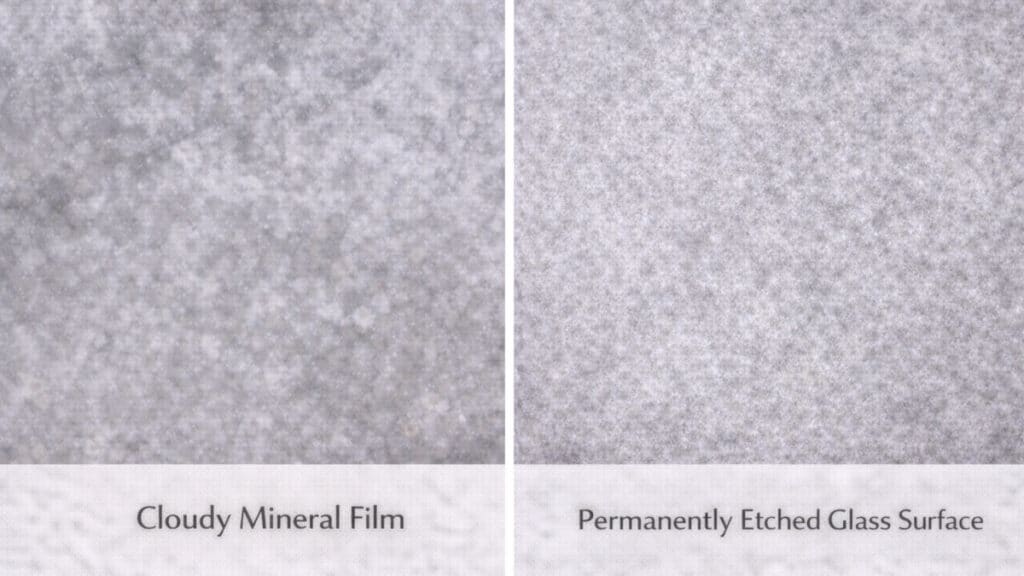
Cloudiness is typically leftover cleaner or mineral film. If careful cleaning does not improve it, the surface may be etched from prior abrasive use. Etching cannot be reversed.
Can I use vinegar on a black glass cooktop?
Vinegar can help remove light mineral deposits but should not replace a dedicated cooktop cleaner. Always rinse and buff dry to prevent streaking.
How often should I clean my black stove top?
Wipe down after each use to prevent buildup. Perform a more thorough cleaning weekly in high-use kitchens. Frequent light maintenance reduces the need for aggressive scrubbing.
Long-Term Maintenance Tips and When to Contact a Professional
Consistent maintenance prevents most streaking and surface damage. Clean spills promptly, especially sugary liquids that can harden and bond to glass. Replace worn microfiber cloths regularly to avoid spreading residue.
If the glass surface is cracked or chipped, replacement is typically required. Continued use of a damaged glass cooktop can lead to further failure under heat.
Seek professional service if burners fail to ignite after thorough drying or if you detect gas odor. Electrical or gas-related issues are not surface cleaning concerns and require proper diagnosis.
A streak-free black stove top is the result of correct surface identification, controlled product use, and proper drying. Focus on removing residue completely rather than applying more cleaner, and the finish will remain clear and consistent over time.