
 Introduction
 Introduction
This guide is intended for homeowners, DIY-minded residents, property investors, and contractor-aware consumers who want a practical method for maintaining a clean shower without relying on harsh chemicals. Over time, shower surfaces accumulate soap scum, mineral deposits from hard water, and moisture-related residue. If these materials are not cleaned regularly, they can dull surfaces, stain grout, and contribute to mildew growth.
Cleaning the shower with vinegar works because vinegar is mildly acidic. That acidity dissolves mineral deposits and loosens soap residue so it can be wiped away with minimal scrubbing. Used properly, it can restore clarity to glass doors, remove film from tile, and improve the overall cleanliness of the shower.
The basic process is straightforward: apply white vinegar, allow it time to break down buildup, scrub where necessary, and rinse thoroughly. Baking soda can be used for additional scrubbing when deposits are stubborn. Establishing this routine also helps answer a common maintenance question many homeowners have: how often do bathrooms need to be cleaned to prevent buildup from forming in the first place.
Key Things to Understand Before You Begin
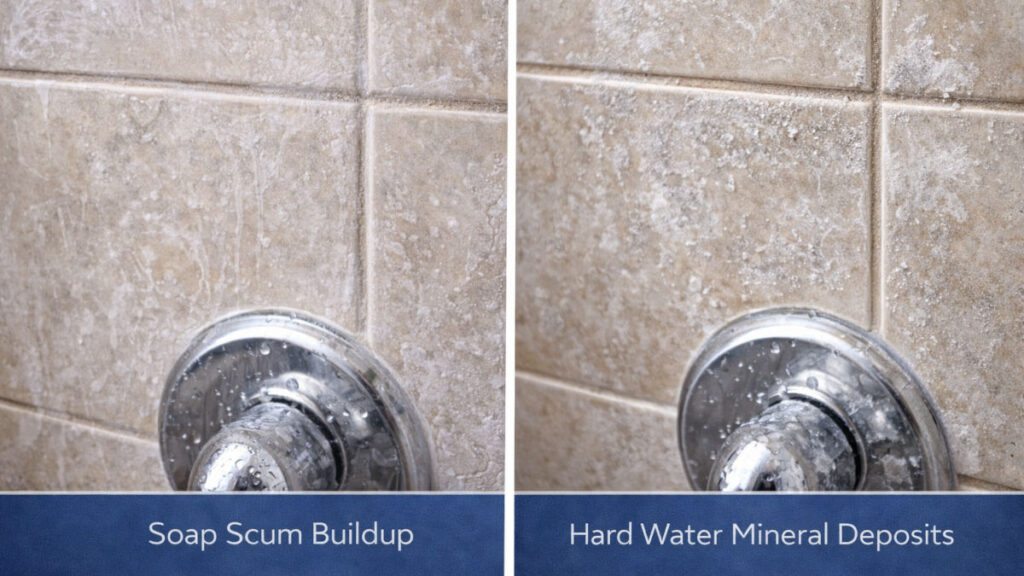
Most shower residue comes from a combination of soap and minerals left behind when water evaporates. In many areas of the United States, tap water contains calcium and magnesium. These minerals remain on surfaces after water dries and create the cloudy deposits commonly seen on tile and glass. When soap mixes with these minerals, it forms a sticky film known as soap scum.
Vinegar helps address this buildup because its acidity dissolves the alkaline minerals responsible for water spots and soap film. Allowing vinegar to sit on the surface for several minutes softens these deposits so they can be wiped or lightly scrubbed away. Without that dwell time, cleaning requires much more physical effort.
However, vinegar is not appropriate for every shower surface. Natural stone materials such as marble, travertine, and limestone are sensitive to acids. Vinegar can permanently etch these materials, leaving dull spots that cannot be cleaned away. Confirming the material of your shower surfaces before cleaning helps prevent accidental damage.
It is also helpful to distinguish between routine maintenance and deep cleaning. A weekly wipe-down prevents mineral buildup from forming. If cleaning is postponed for months, mineral deposits can harden and require significantly more scrubbing to remove.
Tools and Supplies Required
Cleaning a shower effectively does not require specialized equipment. Most households already have the supplies needed for routine maintenance. The goal is to loosen residue chemically and remove it with gentle scrubbing that will not scratch the surface.
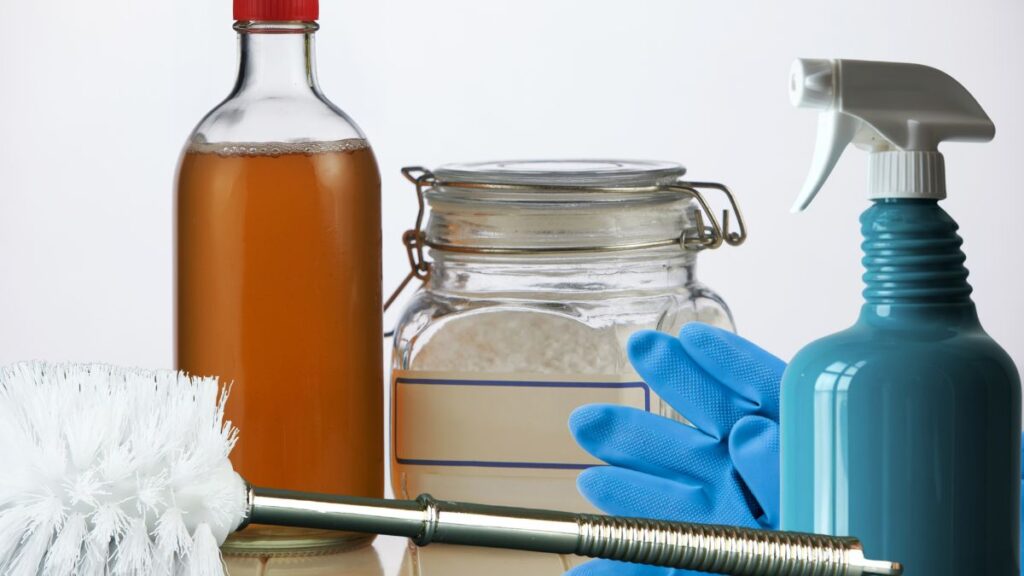
White distilled vinegar is the primary cleaning solution. A spray bottle allows the vinegar to be applied evenly across shower walls, glass doors, and fixtures. Baking soda can be used as a mild abrasive when additional scrubbing power is needed for stubborn soap scum.
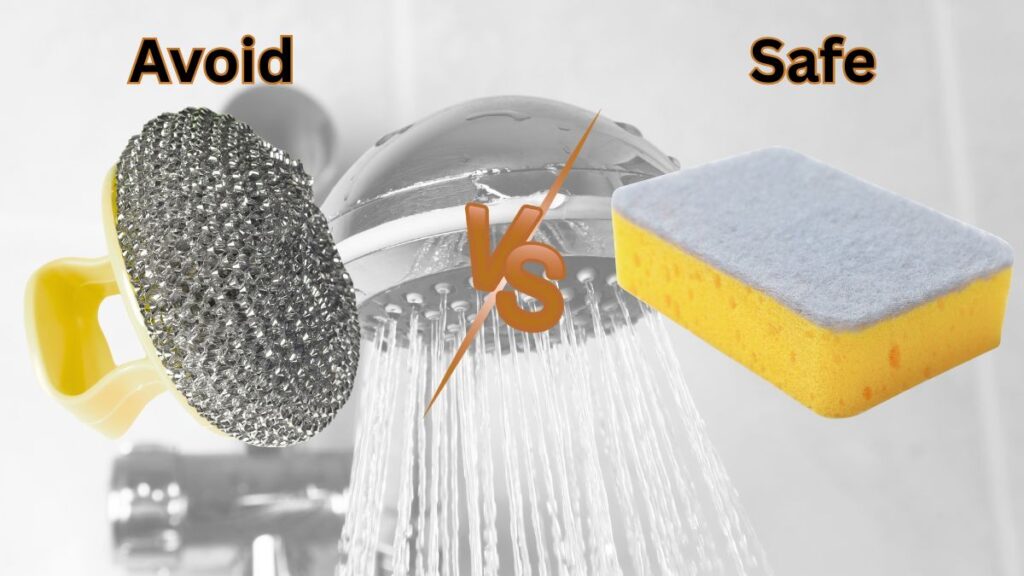
Microfiber cloths or non-scratch sponges work well for wiping surfaces without causing damage. A soft-bristle brush or an old toothbrush can be useful for grout joints and tight corners around fixtures where buildup often accumulates. Rubber gloves are recommended to protect skin during extended cleaning.
Optional tools can improve the process. A squeegee helps maintain glass doors after cleaning by removing water that would otherwise leave mineral spots. A detachable shower head makes rinsing faster and more thorough.
Step-by-Step Process for Cleaning a Shower With Vinegar
Step 1: Clear the Shower and Rinse the Surfaces
Begin by removing bottles, soap trays, and other accessories from the shower. These items often trap moisture underneath them, allowing residue to build up in hidden areas. Clearing the space ensures that all surfaces can be cleaned evenly.
Next, rinse the shower walls and floor with warm water. This initial rinse loosens surface dirt and softens soap residue. Warm surfaces also allow vinegar to work more effectively because deposits begin to dissolve more easily.
Take a moment to identify areas that need extra attention. Common problem spots include cloudy glass doors, mineral deposits around the shower head, and darkened grout lines near corners. Turning on the bathroom exhaust fan or opening a window at this stage improves ventilation during cleaning.
Step 2: Apply Vinegar to Loosen Soap Scum and Mineral Buildup
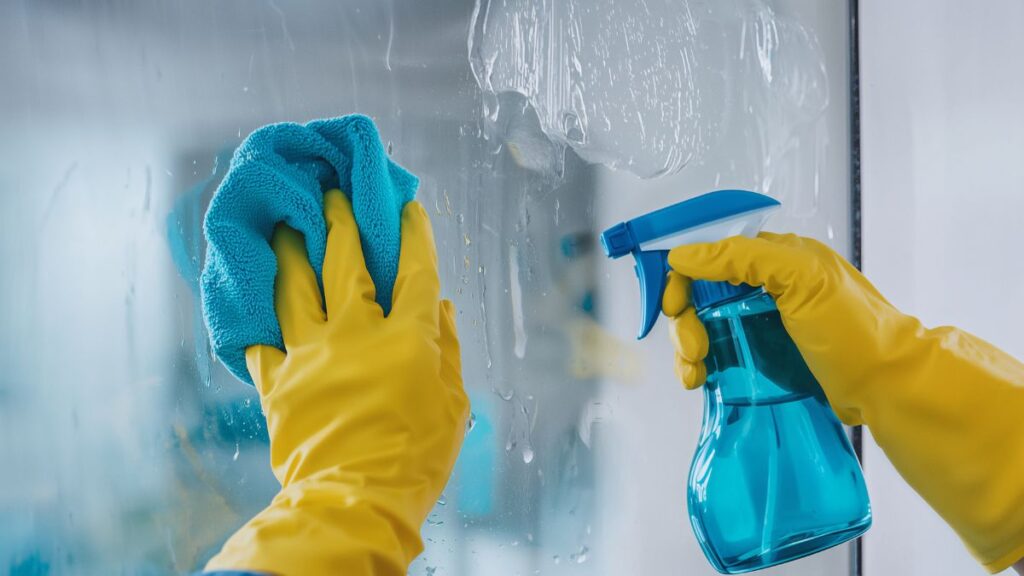
Fill a spray bottle with white distilled vinegar. For most showers, undiluted vinegar provides the best results. If the smell is strong or the surface is delicate, a mixture of equal parts vinegar and water can still remove light buildup.
Spray the solution evenly across the shower walls, glass doors, grout lines, and fixtures. Areas with visible mineral spots or soap film should receive extra coverage. Allow the vinegar to remain on the surface for approximately ten to fifteen minutes.
This waiting period is important because it gives the vinegar time to dissolve mineral deposits. Without this step, cleaning would rely mostly on scrubbing rather than chemical breakdown of the buildup.
For stubborn residue, sprinkle baking soda onto a damp sponge and gently scrub the treated surface. The baking soda provides mild abrasive action while the vinegar loosens the residue. Working from the top of the shower downward helps prevent dirty water from running over already cleaned areas.
Step 3: Rinse Thoroughly and Dry Surfaces to Prevent Spots
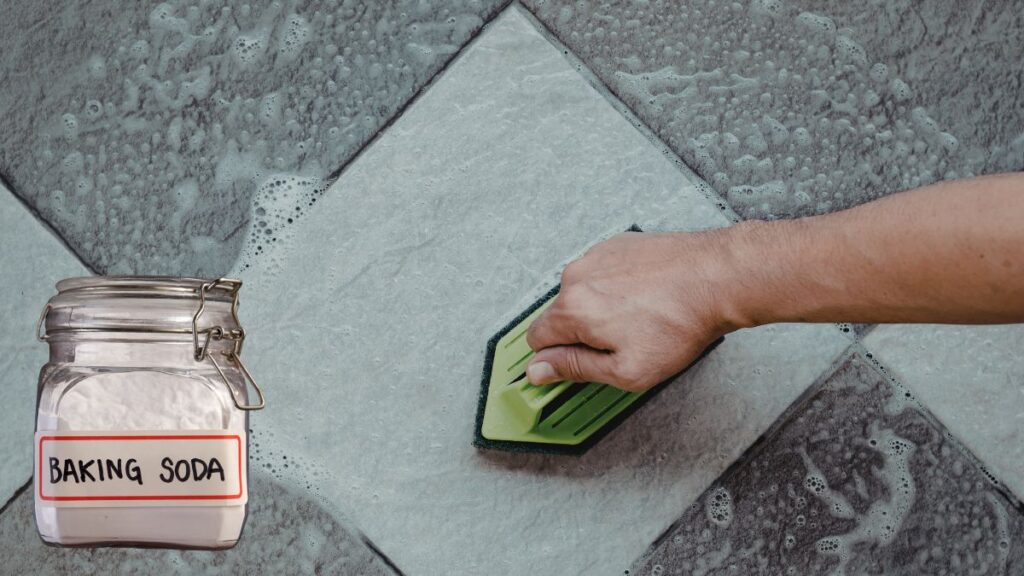
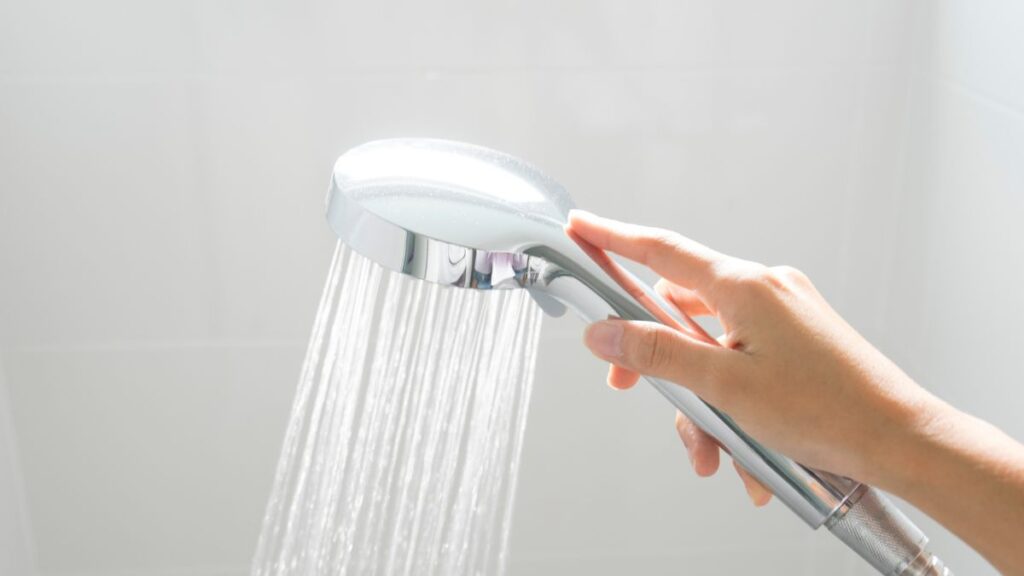
After scrubbing, rinse the shower thoroughly with warm water. A handheld shower head is particularly useful for flushing away dissolved minerals and baking soda residue. Ensuring that all cleaning solution is removed prevents streaks or film from forming.
Use a microfiber cloth to wipe surfaces and remove remaining moisture. For glass doors, a squeegee is especially effective because it prevents water droplets from drying into mineral spots.
Drying metal fixtures such as the shower head and faucet handles can further reduce spotting caused by evaporating water. Once surfaces are dry, replace any bottles or accessories that were removed earlier.
Regular maintenance after this cleaning makes future work easier. A quick rinse or wipe-down after showers can significantly reduce the accumulation of soap scum and mineral deposits.
Common Cleaning Errors That Can Damage Shower Surfaces
One common mistake is using vinegar on natural stone surfaces. Marble and similar materials react with acid, which can cause permanent etching. Once etched, these surfaces often require professional polishing to restore their appearance.
Another mistake is mixing vinegar with bleach or other chemical cleaners. This combination can produce chlorine gas, which is hazardous in enclosed spaces such as bathrooms. Cleaning products should be used individually unless the manufacturer specifically indicates that mixing them is safe.
Homeowners sometimes allow vinegar to sit on metal finishes for extended periods in an attempt to improve results. In practice, prolonged exposure can dull plated finishes such as brushed nickel or oil-rubbed bronze.
Using abrasive scrubbers is another frequent problem. Steel wool or rough pads can scratch acrylic and fiberglass shower surrounds. Once scratched, these materials tend to trap more dirt and become harder to clean.
Finally, postponing cleaning for long periods allows mineral deposits to harden. Regular maintenance reduces buildup and prevents the need for aggressive scrubbing later.
Safety Considerations and Bathroom Ventilation Guidelines
Bathroom cleaning typically takes place in a confined and humid environment. Adequate ventilation improves both safety and cleaning effectiveness. Most residential building codes in the United States require bathrooms to have either an operable window or a mechanical exhaust fan vented to the outside.
Running the exhaust fan while cleaning and for several minutes afterward helps remove humidity and airborne cleaning fumes. This practice also reduces the moisture that allows mildew to develop on shower surfaces.
Chemical safety is another consideration. Vinegar should never be mixed with bleach or ammonia-based cleaners because these combinations produce hazardous fumes. Using one cleaning product at a time eliminates this risk.
Wet shower floors can become slippery during cleaning. Wearing shoes with good traction or placing a non-slip mat nearby can reduce the chance of slipping while working.
Electrical safety should also be considered in bathrooms. Outlets near sinks are typically protected by ground fault circuit interrupters. If using electric cleaning tools, ensure they are plugged into GFCI-protected outlets to reduce shock risk.
Frequently Asked Questions
Does vinegar effectively clean shower walls?
Vinegar works well on soap scum and mineral deposits because its acidity dissolves the minerals responsible for water spots and residue. When given enough time to sit on the surface, vinegar softens these deposits so they can be wiped away easily.
Is using vinegar and baking soda together more effective than vinegar alone?
The reaction between vinegar and baking soda creates fizzing that can help loosen residue. However, once the reaction finishes, the cleaning power mainly comes from the mild abrasive action of baking soda combined with scrubbing.
How frequently should bathrooms be cleaned?
Most bathrooms benefit from light cleaning once a week. Showers that are used daily may require additional quick wipe-downs to prevent soap scum and mineral deposits from building up.
Can vinegar remove hard water stains from glass shower doors?
Vinegar can dissolve light to moderate mineral deposits on glass. Severe hard water scaling that has developed over several years may require specialized descaling products or mechanical polishing.
Is vinegar safe to use on tile grout?
Vinegar can be used occasionally on sealed grout. However, frequent exposure to acidic cleaners may gradually weaken unsealed grout. Thorough rinsing and periodic grout sealing help maintain durability.
Why does soap scum build up so quickly in showers?
Soap scum forms when soap reacts with minerals in hard water. The resulting residue sticks to shower surfaces and accumulates with repeated use, especially when moisture remains on the surface after showering.
Practical Maintenance Tips and When Professional Help May Be Needed
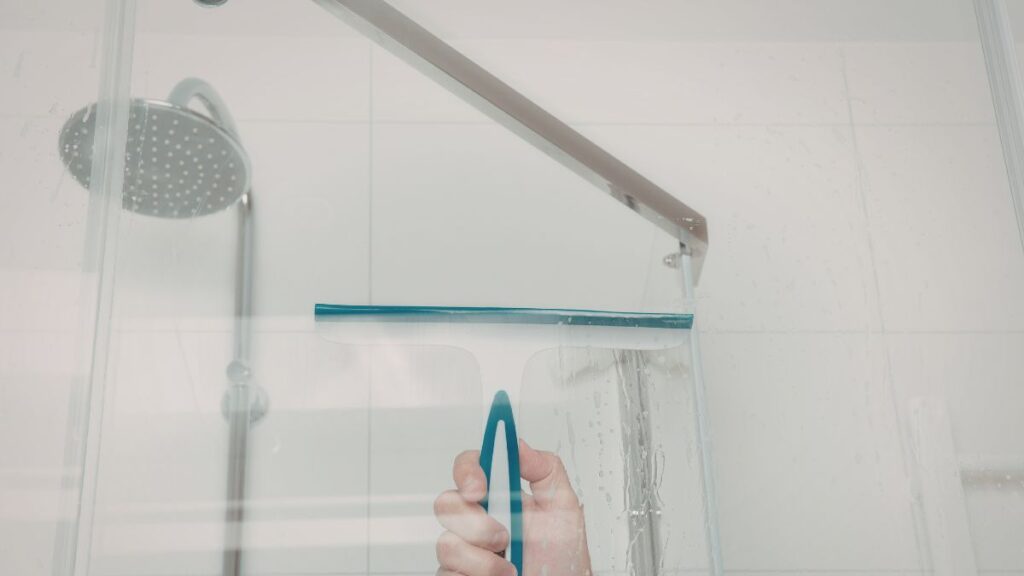
Routine maintenance is the most effective way to keep showers clean. Using a squeegee or wiping down surfaces after showering removes water before mineral deposits can form. This simple habit can dramatically reduce the amount of cleaning required later.
Managing bathroom humidity also helps prevent mildew. Running the exhaust fan during showers and for about twenty minutes afterward removes moisture from the room and keeps surfaces drier.
In some situations, cleaning alone cannot resolve the underlying problem. Mold that repeatedly returns after cleaning may indicate trapped moisture behind tile or inside wall assemblies. Loose grout or deteriorated caulk can also allow water to penetrate behind the shower surface.
Extremely hard water can create heavy mineral deposits that return quickly even after cleaning. In these cases, installing a water softening system may reduce scale buildup throughout the home.
When surface cleaning no longer solves the problem, it may be time to consult a professional. A contractor or plumber can evaluate ventilation, waterproofing, and plumbing conditions to identify the root cause of persistent moisture or buildup.