
Introduction
This guide is written for homeowners, DIY-minded readers, property investors, and contractor-aware consumers who want their home to smell clean, comfortable, and inviting when friends or relatives visit. Odor is one of the first things guests notice, even if they do not comment on it directly.
The short answer is simple: the best thing to make your house smell good is not a single product, but a process. Odors must be removed, the air refreshed, and scent added lightly at the end. Skipping any of these steps usually leads to mixed or overpowering smells.
This article explains how to make a house smell good fast, how to keep it smelling pleasant for longer visits, and how to avoid common mistakes that reduce results.
Key Principles That Affect How Your Home Smells
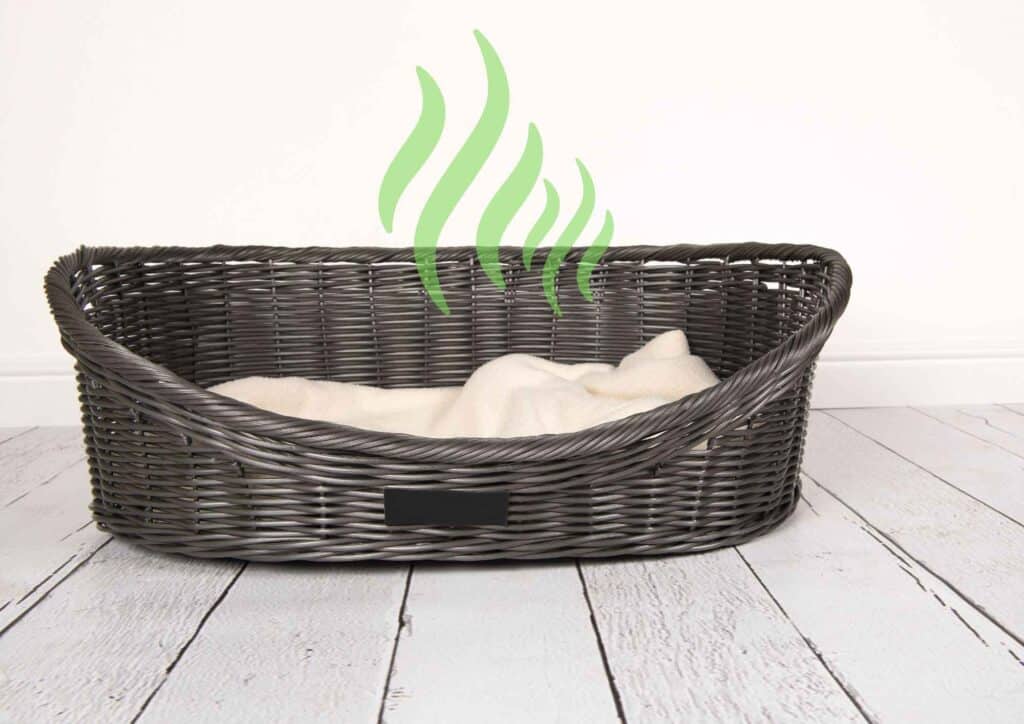
Homes rarely smell bad because they are dirty. More often, odors build up because they are absorbed into fabrics, finishes, and stagnant air. Carpets, upholstery, drywall, and even framing materials can hold smells long after the source is gone.
It is also important to distinguish between masking and removing odors. Air fresheners and sprays only add fragrance. If the underlying odor remains, the result is often worse than doing nothing at all.
Modern U.S. homes are especially prone to lingering smells. Energy-efficient construction reduces natural air exchange, which allows odors to stay trapped indoors.
Timing affects your approach. Same-day guest preparation calls for fast ventilation and targeted cleaning. If you have a few days, deeper cleaning and gradual scenting are more effective.
Finally, most homeowners are nose-blind to their own space. What smells neutral to you may be obvious to visitors. A systematic approach works better than relying on personal perception.
Basic Supplies and Equipment That Make the Biggest Difference
Effective odor control does not require specialty products. Most solutions rely on basic household tools used correctly.
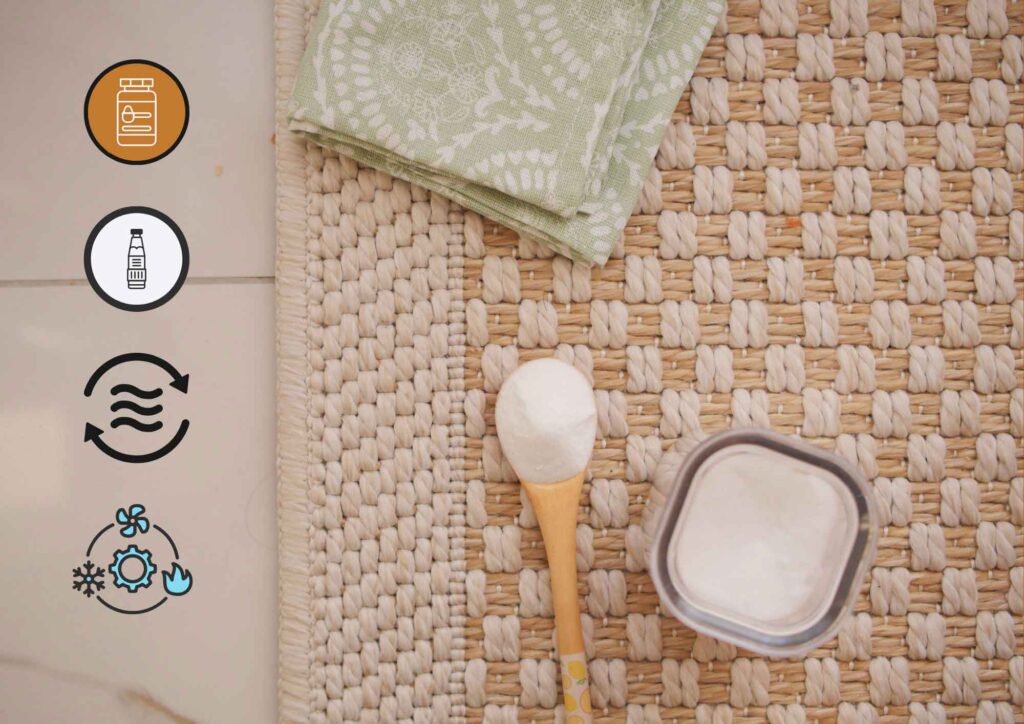
Cleaning supplies such as mild all-purpose cleaner, baking soda, and white vinegar handle many odor sources without leaving strong residues behind.
Air quality tools make a measurable difference. A portable HEPA air purifier helps remove odor-carrying particles, while a clean HVAC filter improves overall air circulation.
Scenting tools should be limited and intentional. Essential oil diffusers, simmer pots, and candles can work when used lightly. Clean-burning candles made from soy or beeswax are preferable to paraffin.
Odor absorbers like activated charcoal or baking soda are useful in enclosed areas such as closets, bathrooms, and pantries.
Optional tools include a dehumidifier for humid climates and a carpet cleaner if soft flooring has absorbed smells.
A Practical Process for Making Your Home Smell Better
Step 1: Remove Odor Sources First
Odor removal always comes before scent. Adding fragrance to an unclean space only creates layered smells.
Start with trash and recycling. Even empty bins often hold odor in plastic surfaces and should be wiped down. Thoroughly cleaning a waste bin by washing it with water and detergent soap can make a long lasting smell removal.
Pet areas deserve close attention. Litter boxes, dog beds, crates, and feeding stations are common sources homeowners overlook. Wash or replace items that can hold odor.
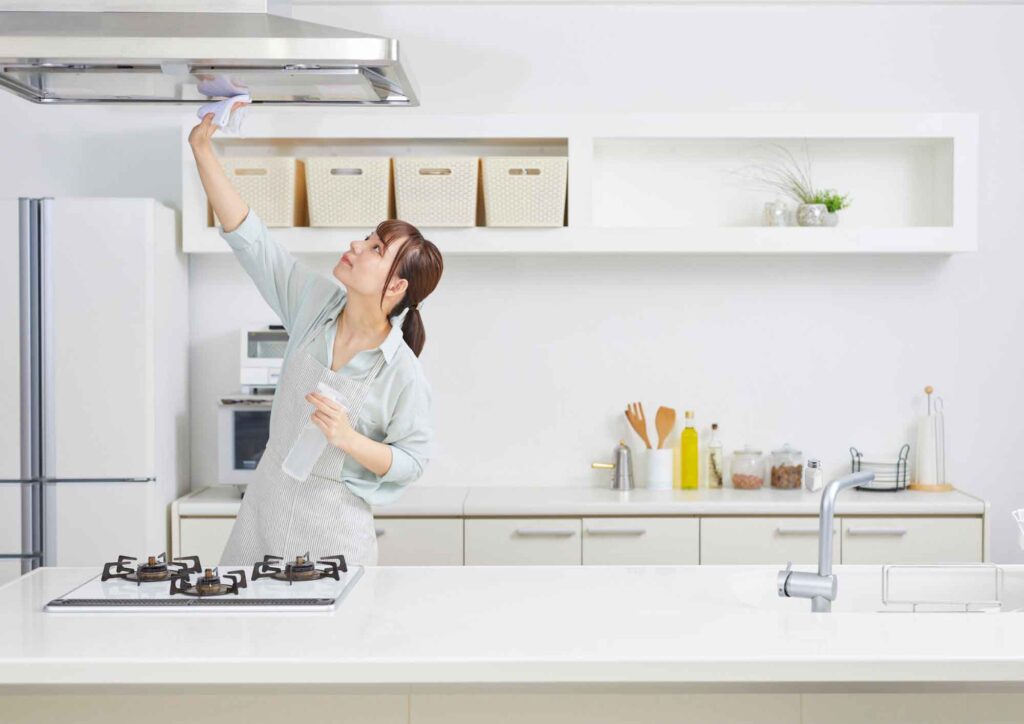
Clean kitchen surfaces beyond countertops. Grease and food residue on cabinet fronts, range hoods, and backsplashes trap smells longer than most people expect. Range hoods can accumulate grease and all the smells of the past cooks you have so cleaning it at least once a week will do the trick. Clean garbage disposals with baking soda and hot water rather than harsh chemicals.
Soft materials hold odors at nose level. Wash throw blankets, pillow covers, entry rugs, and curtains if time allows.
Check for moisture. Dampness under sinks, near dishwashers, or around toilets often causes persistent musty smells even when surfaces look clean.
Step 2: Clean and Refresh the Air
After removing odor sources, focus on the air itself. Stale air allows smells to linger.
Create cross-ventilation by opening windows on opposite sides of the home. Even 10 to 20 minutes can noticeably improve air quality.
Use bathroom and kitchen exhaust fans during and after cleaning. These fans are designed to remove humid, odor-laden air. There are designs that simultaneously turns on/off the bathroom exhaust fans together with the lightings. Though a good idea but you should consult a professional electrician about the safeness of this in terms of electrical connections and wire loads.
Replace or clean HVAC filters if they are overdue. Dirty filters recirculate old air and can reintroduce odors. Filters in the MERV 8 to 11 range typically balance airflow and filtration well.
Run air purifiers in main living areas and entry spaces. These units work best when doors are open and air can circulate freely.
Control humidity if necessary. High humidity intensifies odors and makes them harder to remove. Dehumidifiers are especially helpful in basements and older homes.
Close windows before adding scent so fragrance stays indoors rather than escaping outside.
Step 3: Add a Pleasant, Controlled Scent
Scent should be the final step, not the solution. When done correctly, it reinforces cleanliness rather than drawing attention to itself.
The best thing to make your house smell good is a subtle, natural scent applied after the air has been refreshed. Mild citrus, light herbal, and warm neutral notes are generally well received.
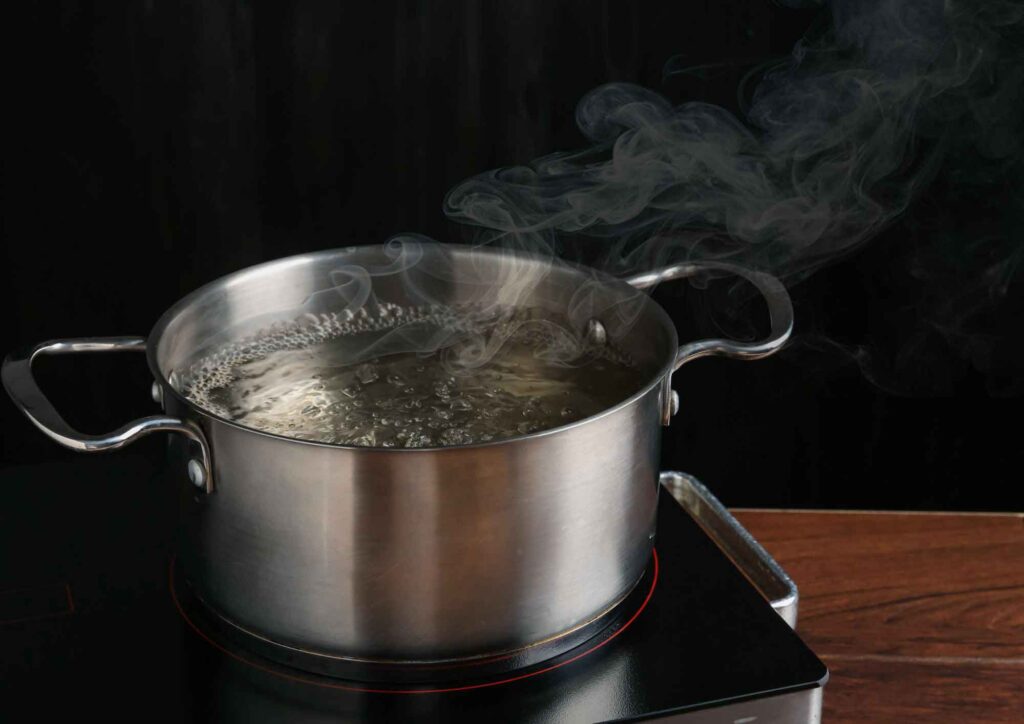
For fast results, simmer pots are effective. Gently heating water with lemon slices, herbs, or spices distributes scent evenly without lingering heaviness. Monitor closely and turn off before guests arrive.
Essential oil diffusers offer control but should be used conservatively. Fewer drops than recommended usually produce better results, especially in smaller homes.
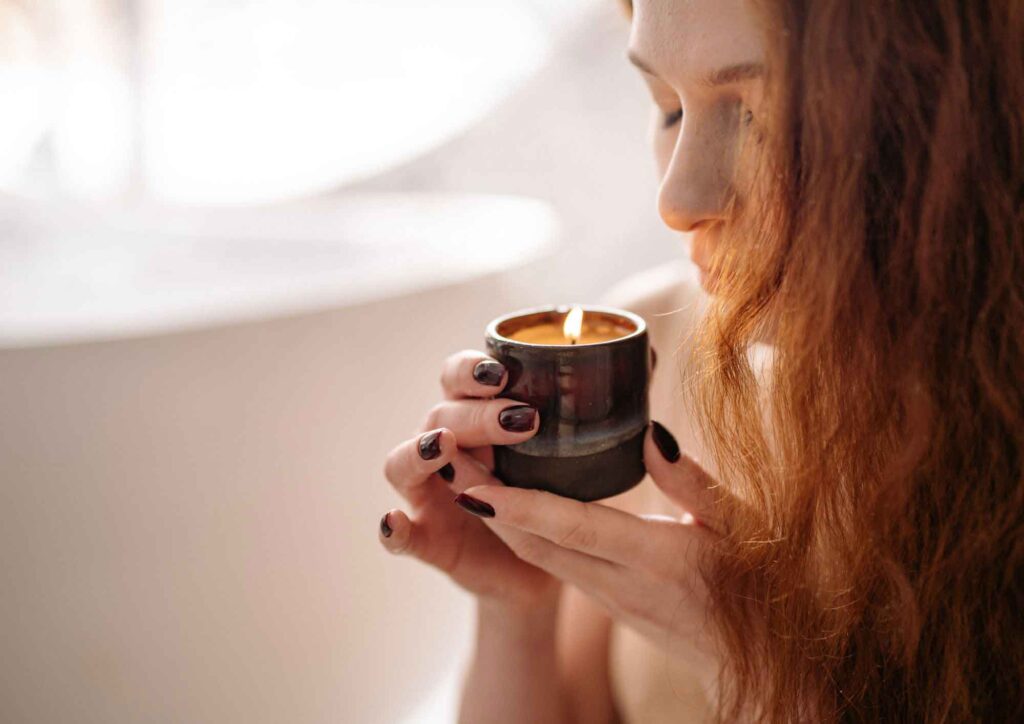
Candles can work when timed correctly. Extinguish them at least 30 minutes before guests arrive so the scent settles and smoke dissipates.
For longer-lasting scent, reed diffusers placed in entryways or bathrooms provide steady fragrance without electricity or flame. Avoid placing them near HVAC returns, which can concentrate scent unevenly.
Use a room-by-room strategy. Entryways should smell clean and neutral. Living areas can handle slight warmth. Kitchens are best kept lightly scented or unscented to avoid clashing with food.
Frequent Errors That Reduce Results
Using multiple scent sources at once is one of the most common errors. Combining sprays, candles, plug-ins, and diffusers usually results in an overwhelming smell.
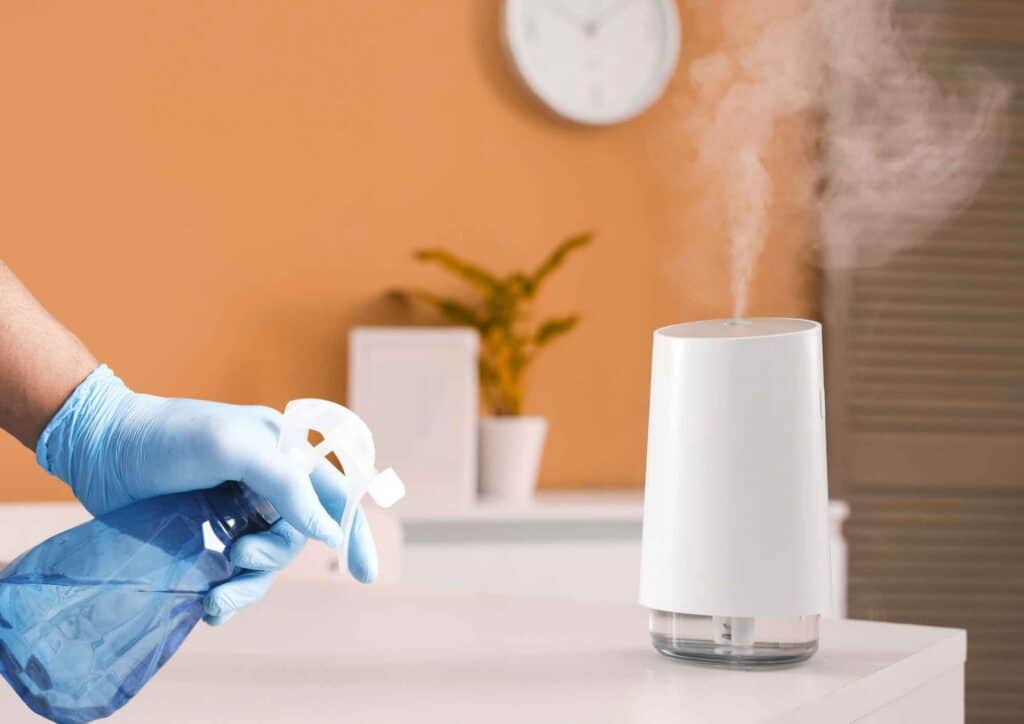
Strong or polarizing fragrances often cause discomfort. Heavy florals, intense vanilla, or artificial “clean” scents can trigger headaches or irritation.
Spraying fragrance directly onto fabrics can backfire. Textiles absorb scent unevenly and may smell worse over time.
Ignoring HVAC-related odors is another mistake. If smells return quickly, the issue may be in filters, ductwork, or condensate lines.
Humidity is frequently underestimated. Even a clean home can smell stale or musty when moisture levels are high.
Industrial or commercial odor neutralizers are not intended for routine residential use and often introduce harsh chemical smells.
Safety, Indoor Air Quality, and Household Considerations
Safety matters when improving home scent.
Candles should be placed on stable surfaces away from combustible materials and never left unattended or used near sleeping areas. Plug-in diffusers should connect directly to wall outlets. Avoid extension cords or power strips.
Do not introduce oils, liquids, or scent products into HVAC systems or ductwork. This can damage equipment and restrict airflow. Be mindful of indoor air quality. Products with high VOC content may irritate lungs or worsen allergies.
Some essential oils are unsafe for pets, particularly cats. Choose products carefully in pet households.
Rental agreements or HOA rules may restrict candles or scent devices. Always confirm before use. Persistent mold-related odors should not be masked. Unresolved moisture issues can affect habitability standards in many jurisdictions.
Common Questions Homeowners Ask About Home Scent
What is the best thing to make your house smell good quickly?
Removing odor sources, ventilating the home, and adding a light simmer pot or diffuser produces the fastest results.
How do I make a house smell good fast before guests arrive?
Focus on trash removal, quick fabric washing, cross-ventilation, and one subtle scent source added at the end.
What do real estate agents use to make houses smell good?
They typically rely on cleanliness, fresh air, and very mild scenting, often citrus or neutral notes.
How long before guests should I add scent?
About 30 to 90 minutes before arrival, allowing time for the air to settle.
Are air fresheners bad for indoor air quality?
Frequent use of strong sprays or plug-ins can affect air quality. Limited, controlled use is safer.
How do I remove bad smells instead of covering them up?
Address moisture, fabric, pet, or HVAC sources directly before adding any fragrance.
What smells do most people find pleasant in a home?
Light citrus, clean linen, mild herbs, and warm neutral scents are generally well accepted.
Final Guidance and Situations That Require Professional Help
Do a final walkthrough before guests arrive, focusing on entryways, bathrooms, and seating areas.
Keep scent restrained. Guests should notice that the house smells pleasant, not identify the product used.
For showings, rentals, or scent-sensitive visitors, neutrality is often better than fragrance.
If odors persist despite cleaning, professional help may be needed. Mold smells, sewage odors, smoke damage, and recurring HVAC odors usually indicate deeper issues.
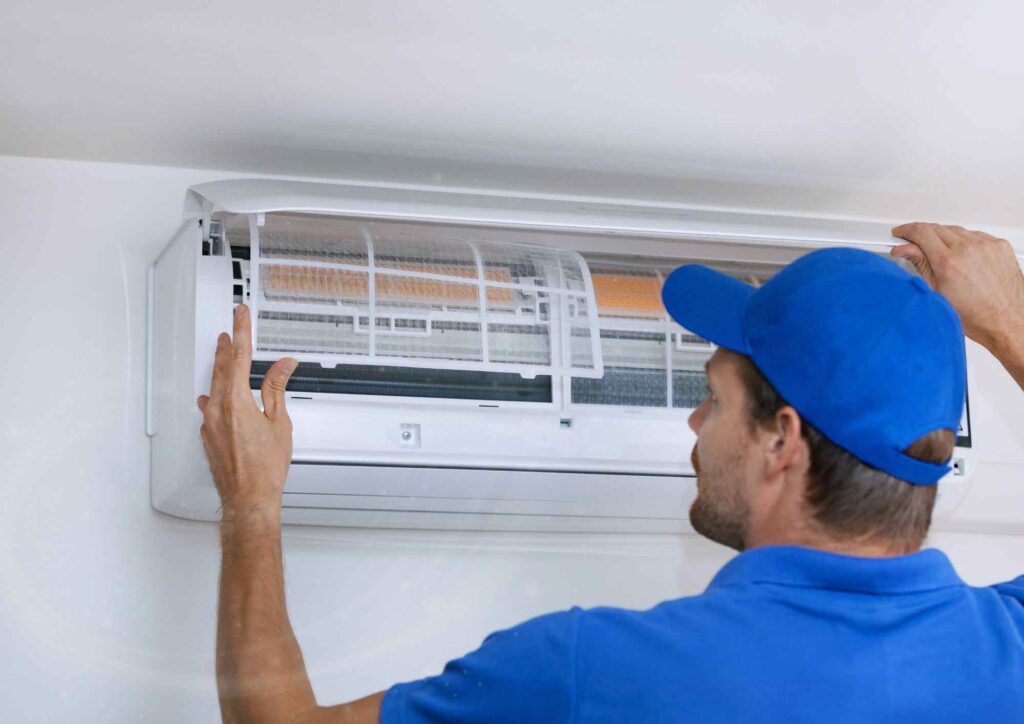
HVAC technicians, carpet cleaning services, and indoor air quality specialists can address problems beyond the scope of DIY solutions.
A house that smells good reflects cleanliness, airflow, and restraint—not overuse of fragrance.