
Designing a home in a tropical climate presents a unique set of challenges, primarily centered around managing intense heat and pervasive humidity. These environments demand an architectural approach that prioritizes passive cooling, intelligent material selection, and a seamless connection with nature. This guide will unveil the essential secrets of obtaining the best house design for tropical climate, empowering you to create a comfortable, energy-efficient, and resilient sanctuary. We will explore strategic site planning, master natural ventilation techniques, select materials that defy the heat, and craft interiors that offer serene escapes. By understanding these principles, you will learn to design a home that thrives in the tropics, reducing reliance on artificial cooling and enhancing your living experience.
The Foundation of Flow: Strategic Site Selection and Orientation
The success of any tropical house design hinges on its foundational relationship with its environment. Before a single beam is placed, understanding the site and orienting the structure correctly are paramount. These initial steps dictate how effectively a home can harness natural forces for cooling and comfort, setting the stage for all subsequent design decisions.
Understanding Your Microclimate: Wind Patterns and Sun Paths
Every location, even in tropical areas, has a unique microclimate shaped by winds, sun paths, land shape, and local plants. Careful site analysis is essential. Observe prevailing breeze directions and strengths year-round, noting seasonal changes. Understand the sun’s path from sunrise to sunset and its intensity to control heat gain. In tropical climates, the sun is strong, especially at midday. Identify natural features like shade trees or water bodies that cool the site. This knowledge helps design choices that work with nature.
Optimal Site Planning and House Orientation
Strategic orientation aims to maximize good solar exposure, reduce heat gain, and use prevailing winds for ventilation. In most tropical areas, east and west facades get harsh sun, so face buildings north and south where sunlight is less direct. Align orientation with prevailing winds to enable cross-ventilation by placing openings on opposite sides. This planning keeps interiors cool and comfortable.
Breathing Room: Mastering Natural Ventilation for Continuous Coolness
Natural ventilation is the cornerstone of comfortable living in the tropics. It is the most energy-efficient method for cooling and improving indoor air quality, directly combating the oppressive heat and humidity. Effective natural ventilation design moves air through the building, removing heat and moisture without the need for energy-intensive air conditioning.
Harnessing Cross-Ventilation: The Power of Strategic Openings
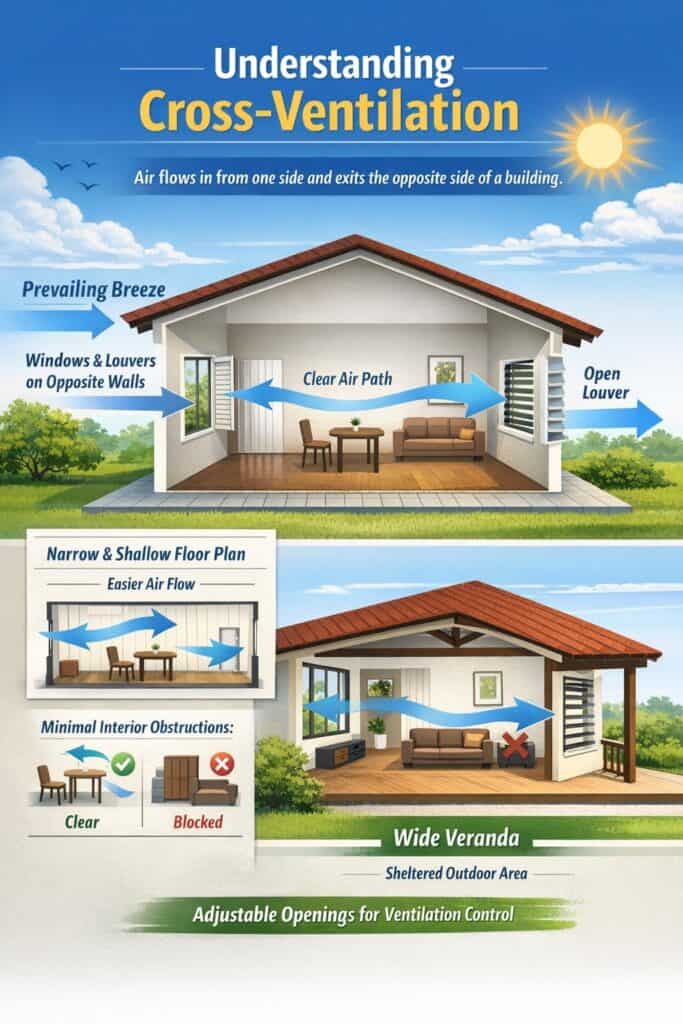
Smush is the process of air flowing through a building, entering through openings on one side and exiting through openings on the opposite side. To achieve effective cross-ventilation, the design must facilitate unobstructed pathways for air movement. This involves strategically placing windows, doors, and other openings. The ideal scenario is to have operable windows or louvers on opposite walls, aligned with prevailing breezes.
The width and length of the building also influence cross-ventilation; narrower and shallower floor plans are generally more effective at allowing breezes to penetrate fully. Consider the placement of interior walls and furniture; these should not block the primary airflow paths. The architecture should prioritize large, operable openings that can be adjusted to control the amount of ventilation based on external conditions. For example, wide verandas can create sheltered openings that are protected from rain while still allowing airflow.
The Stack Effect: Drawing Heat Up and Out
The stack effect, or chimney effect, is a key natural ventilation principle. Warm air rises and exits a building at higher levels, drawing cooler air in from lower openings. This works well in tropical climates where inside temperatures often exceed outside ones. Designs should include high ceilings, clerestory windows, and ventilation shafts to let hot air escape. As warm air leaves, it creates negative pressure that pulls cooler air in through lower openings. This upward airflow flushes out heat and stale air, helping keep indoor spaces comfortable. Well-ventilated roof spaces also help dissipate heat.
Integrated Screening and Air Quality Solutions
While maximizing airflow is essential, tropical environments also present challenges such as insects and airborne particles. Integrated screening is vital to ensure that natural ventilation provides clean and comfortable air. High-quality insect screens on all operable windows and doors are a must. Beyond basic screens, consider the use of louvered panels or adjustable vents that allow for airflow control while providing privacy and protection from the elements. These elements can be integrated into the architecture to become design features rather than afterthoughts.
Furthermore, the interior design should consider materials that do not trap moisture or harbor dust, contributing to better indoor air quality. In areas with significant pollen or dust, advanced filtration within mechanical systems might be considered, but the primary focus remains on the effective use of natural ventilation to maintain air freshness. The hygroscopic building material market generated revenue of USD 866.7 million in 2023 and is expected to reach USD 1,443.5 million by 2030, with a CAGR of 7.8% during 2024–2030 [P&S Intelligence, 2025], indicating a growing interest in materials that can help manage indoor air quality and moisture.
The Skin of the House: Materials and Shading to Obtain the Best House Design For Tropical Climate
The exterior envelope of a tropical house acts as its primary defense against the relentless tropical sun and heat. The choice of materials and the implementation of effective shading strategies are critical in minimizing heat gain and maintaining a cooler interior, thereby reducing reliance on energy-intensive cooling systems.
Smart Material Choices for Walls and Floors
Selecting the right materials for walls and floors is fundamental to thermal comfort in the tropics. Light-colored, reflective surfaces are generally preferred as they absorb less solar radiation. Concrete, while offering excellent durability and thermal mass, needs careful consideration. In hot and humid climates, its thermal mass can be a double-edged sword; while it can absorb heat during the day and release it slowly at night, if not properly managed, it can also retain moisture and contribute to a feeling of dampness. Therefore, concrete is often best used in conjunction with good ventilation and insulation, or in areas where its thermal mass can be beneficial during cooler nights.
Alternatively, lighter materials such as timber, bamboo, or composite panels can be employed. Elevated floors, often seen in traditional tropical architecture, allow for airflow beneath the house, keeping the living spaces cooler. For flooring, consider materials like tile, stone, or polished concrete that feel cool to the touch and are resistant to moisture. The hygroscopic building material market is growing, reflecting the demand for materials that actively manage moisture levels within buildings.
Roof Design for Maximum Protection and Airflow
The roof is the most exposed surface to solar radiation and plays a key role in heat management. A good tropical roof should have generous overhangs to shade windows and walls and protect from heavy rain. The roof pitch should be steep for quick water runoff. Ventilation is vital; vents like ridge or soffit vents let hot air escape, reducing heat inside. Roofing materials can be lightweight metal with reflective coatings, tiles, or well-maintained thatch that allows airflow. Lighter colors reflect more solar radiation than darker ones.
Dynamic Shading Strategies
Effective shading is non-negotiable in tropical house design. It prevents direct solar radiation from reaching the building’s surfaces, a primary source of heat gain. Beyond roof overhangs, consider incorporating verandas, deep balconies, pergolas, and external blinds or shutters. These elements provide layered protection. Deciduous trees strategically planted on the east and west sides of the house can offer seasonal shade, blocking intense summer sun while allowing winter sun to penetrate if needed. Vertical fins or louvers can be incorporated into the facade to block low-angle morning and afternoon sun.
The interplay of light and shadow created by these shading devices also adds to the aesthetic appeal of the exterior and can contribute to a more comfortable and visually appealing living environment. Effective shading reduces the demand for air conditioning; according to ResearchGate, air conditioning accounts for around 37% of total building energy use globally, and up to 56% in tropical regions [ResearchGate, 2023].
Embracing the Outdoors: Seamless Transitions for Breezy Living
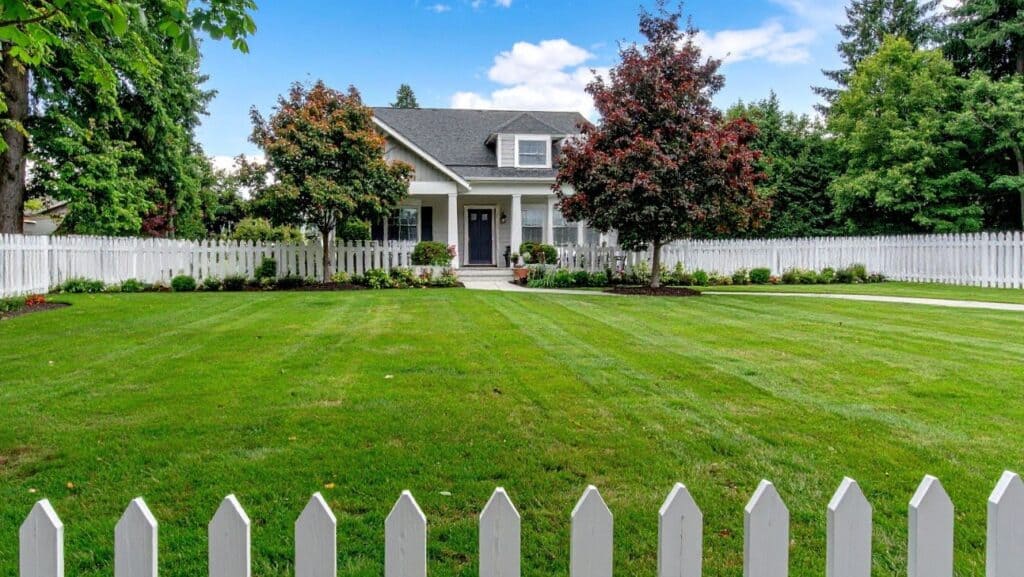
Tropical living is intrinsically linked to the outdoors. Successful tropical architecture excels at blurring the lines between interior and exterior spaces, creating an environment where residents can enjoy the warmth and beauty of the tropics while remaining comfortable. This seamless transition is achieved through thoughtful design that integrates living spaces with natural surroundings.
Designing for Indoor-Outdoor Harmony
The goal is to create living areas that feel connected to the natural environment. This is achieved through large, operable openings like sliding glass doors or bi-fold doors that can retract fully, opening entire walls to the outside. Covered verandas, lanais, and patios act as extensions of the indoor living space, providing sheltered areas to relax and entertain while still being exposed to natural breezes.
The use of consistent flooring materials between indoor and outdoor areas can further enhance this sense of continuity. Furniture selection for these transitional spaces should also consider durability and comfort in a tropical climate. Integrating nature through courtyards, open-air hallways, or internal gardens brings the outdoors in, providing visual appeal and contributing to passive cooling through evapotranspiration.
Cool and Functional Outdoor Living Areas
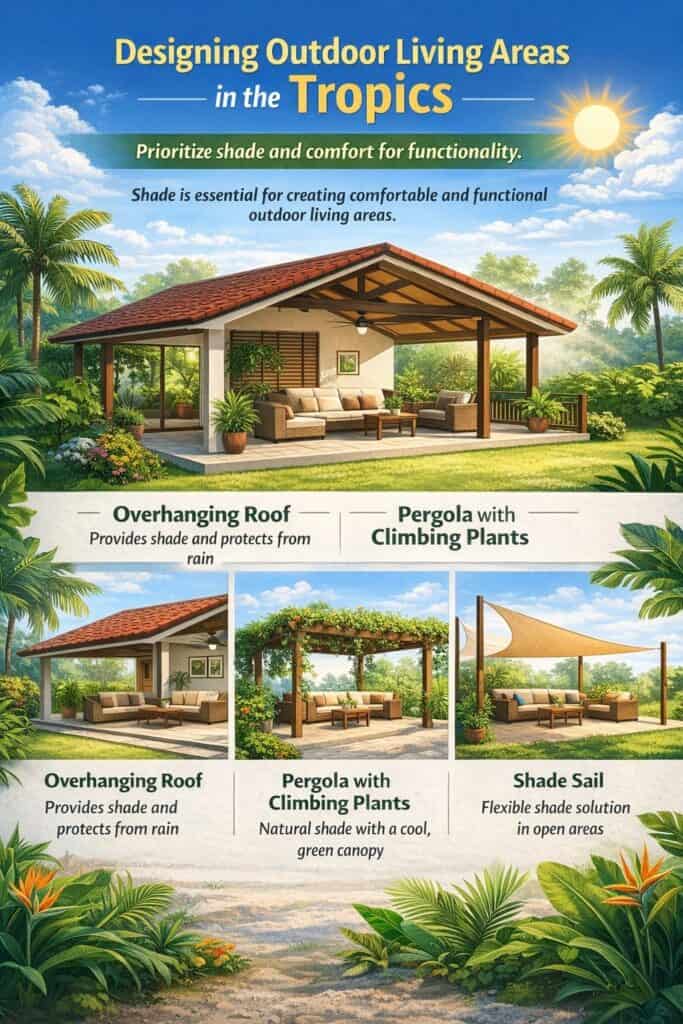
Outdoor living areas in the tropics must be designed for comfort and functionality, not just aesthetics. Shade is paramount. Overhanging roofs, pergolas with climbing plants, or strategically placed shade sails can provide much-needed relief from the sun. Good airflow is equally important; these spaces should be designed to capture breezes, rather than trap heat. Ceiling fans are often essential for providing gentle air movement in these areas.
The exterior design should also consider materials that are heat-resistant, durable, and easy to clean, given the potential for rain and humidity. Water features in or near outdoor living areas can also contribute to a cooling microclimate through evaporation. These spaces become vital extensions of the home, offering opportunities to connect with the tropical environment in a comfortable and enjoyable way.
Interior Comfort: Creating Cool and Serene Sanctuaries
Once the exterior and ventilation strategies are in place, the interior of a tropical house must be designed to maintain that comfort. This involves careful consideration of layout, finishes, and furnishings that contribute to a cool, calm, and aesthetically pleasing environment.
Interior Design for Thermal Comfort and Aesthetics
The interior design should complement the passive cooling strategies employed. Open-plan layouts promote airflow and create a sense of spaciousness, allowing breezes to circulate freely. Using light colors for walls, ceilings, and large furnishings helps to reflect light and heat, making spaces feel brighter and cooler. Natural materials like wood, rattan, and linen are often favored for their aesthetic appeal and their ability to regulate humidity.
Furniture should be kept relatively light and airy, avoiding bulky pieces that can absorb and retain heat. Consider the placement of furniture to avoid blocking ventilation paths. The goal is to create a serene and uncluttered atmosphere that enhances the feeling of coolness and relaxation. The global interior design market size is expected to grow at an annual growth rate of 5.29% from 2023 to 2033 [Spherical Insights, 2024], indicating a strong interest in creating comfortable and aesthetically pleasing living spaces.
Incorporating Biophilic Elements and Nature
Biophilic design, the practice of connecting buildings with nature, is particularly relevant and beneficial in tropical climates. Incorporating indoor plants not only enhances the aesthetic appeal but also contributes to air purification and can offer a slight cooling effect through evapotranspiration. Small water features, such as indoor fountains or ponds, can create a soothing ambiance and contribute to evaporative cooling.
Views of lush tropical gardens or natural landscapes from windows and living areas are essential for psychological well-being and reinforce the connection to the environment. This integration of nature within the home creates a more tranquil and refreshing atmosphere, further enhancing the feeling of comfort and escape from the external heat.
Supplementary Cooling: Smart Fan Usage
While the primary focus is on passive cooling, supplementary cooling methods can significantly enhance comfort. Ceiling fans are an indispensable tool in tropical homes. They do not cool the air itself but create a wind-chill effect on the skin, making occupants feel cooler. Strategically placed ceiling fans in living areas and bedrooms can provide immediate relief and reduce the perceived need for air conditioning.
When combined with natural ventilation, fans can distribute cooler air more effectively throughout the house. In situations where natural ventilation is insufficient, or for specific times of day, energy-efficient air conditioning units can be used judiciously. However, the goal of tropical design is to minimize their use. The fact that residential air conditioning will require an extra 700 TWh of electricity by 2035, more than three times the extra demand from computer data centers, highlights the urgent need for energy-efficient cooling solutions [World Energy Outlook, IEA, 2024].
Sustainable Systems: Beyond Passive Cooling for a Thriving Home
A truly successful tropical house design integrates passive cooling principles with broader sustainable systems. This holistic approach ensures long-term resilience, resource efficiency, and minimal environmental impact, creating a home that not only stays cool but also thrives responsibly.
Water Conservation and Management
Tropical climates often experience heavy rainfall, making water conservation and management crucial. Rainwater harvesting systems can collect and store rainwater for use in irrigation, toilet flushing, and even potable water after appropriate treatment. Greywater recycling systems, which treat water from sinks, showers, and washing machines for reuse in irrigation or toilet flushing, further reduce reliance on municipal water supplies.
Thoughtful landscaping with native, drought-resistant plants can also minimize water needs. Permeable paving for driveways and walkways allows rainwater to infiltrate the ground, reducing stormwater runoff and replenishing groundwater.

Renewable Energy Integration
To further enhance sustainability and reduce reliance on fossil fuels, renewable energy systems are a natural fit for tropical homes. Solar photovoltaic (PV) panels are an excellent option, capitalizing on the abundant sunlight available. These can significantly offset electricity consumption, particularly for any necessary cooling systems or appliances. Solar thermal systems can be used for water heating, further reducing energy demand. Integrating these systems into the overall design from the outset is more cost-effective and aesthetically pleasing.
The growing market for sustainable and natural materials like fiber cement siding, bamboo, hempcrete, and recycled plastics, influenced by green building certification standards adopted in over 70 countries, underscores the global shift towards eco-friendly construction practices, with sustainable materials accounting for nearly 28% of total building material demand in 2023 [Sustainable and Green Building Materials Market Growth Forecast, 2025].
Eco-Friendly and Sustainable Materials
The choice of materials has a profound impact on a home’s sustainability. Beyond their thermal properties, consider their embodied energy, sourcing, and lifecycle impact. Bamboo is a fast-growing renewable resource. Being strong, versatile, and looks good makes it a great choice for structural parts, flooring, and finishes in tropical architecture. Sustainable timber, sourced from responsibly managed forests, is another excellent option.
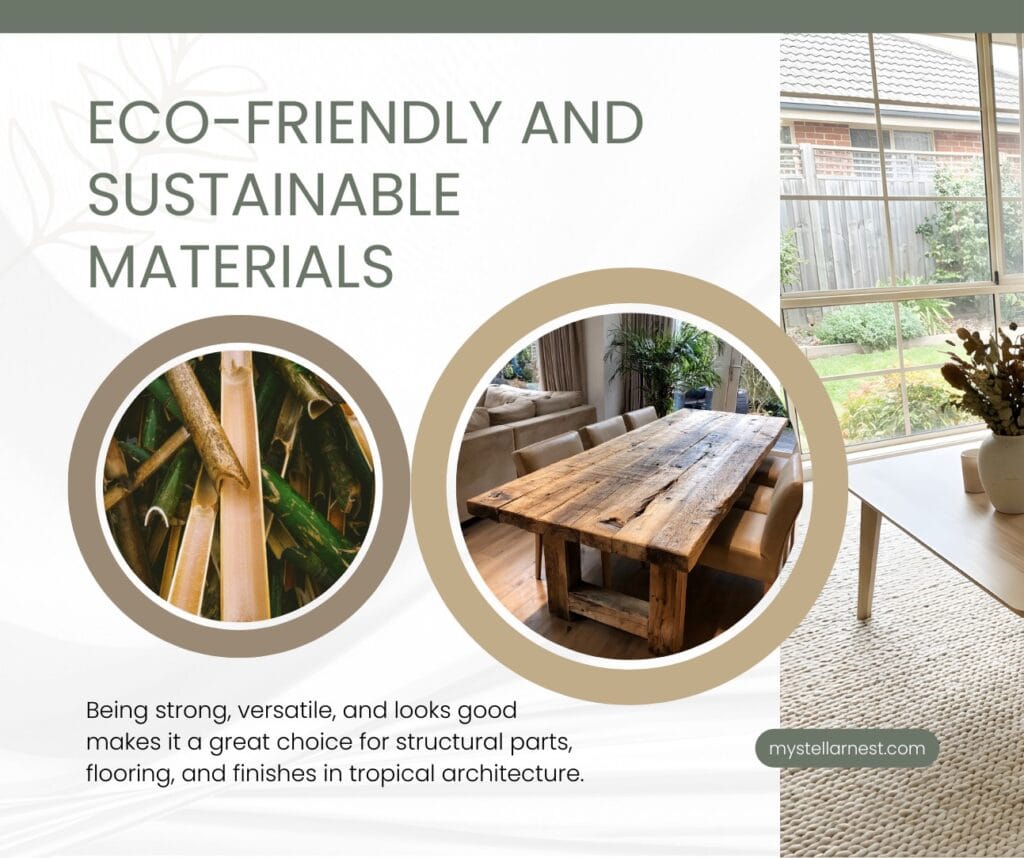
Recycled materials, such as recycled steel or reclaimed wood, can also be incorporated. Natural insulation materials, like cellulose or wool, can further improve thermal performance. More eco-friendly options are now available and recognized. This allows people to build tropical homes that are beautiful, comfortable, and environmentally responsible.
Overcoming Challenges: Navigating the Tropical Climate with Confidence
Despite best practices, tropical climates present persistent challenges that require specific design considerations and ongoing management to ensure a home remains comfortable and resilient.
Managing Humidity and Moisture Control
High humidity is a defining characteristic of tropical climates, often ranging between 70% and 90%. This moisture can lead to discomfort, mold growth, and degradation of building materials. Effective natural ventilation is the first line of defense, flushing out moist air. Material selection is also critical; breathable materials and finishes that can wick moisture away are preferable. Concrete, while durable, requires careful detailing to prevent moisture entrapment.
Dehumidifiers can be used in specific areas if persistent humidity is an issue, but the goal should be to manage it through design. Elevating the foundation helps prevent ground moisture from affecting the structure. Proper sealing and flashing around windows, doors, and penetrations are essential to prevent water ingress during heavy rains.
Building Resilience Against Tropical Storms
Tropical regions are often susceptible to intense weather events, including hurricanes and typhoons. The design must incorporate resilience. This includes robust roof structures, securely fastened roofing materials, and reinforced windows and doors to withstand high winds. The foundation must be strong and adequately anchored to resist uplift forces. In coastal areas, designing for potential storm surges might necessitate elevated foundations or flood-resistant building techniques.
In addition to natural materials, the use of durable materials like reinforced concrete and steel frames can enhance structural integrity. Vegetation strategically planted around the property can also act as a windbreak, reducing the impact of strong winds on the building.
Integrated Pest Management Through Design
Insects and other pests are a common challenge in tropical environments. Design can play a proactive role in deterring them. Ensuring all openings are screened, as discussed earlier, is a primary step. Sealing any cracks or gaps in the building envelope prevents entry points. Avoiding exposed wood where possible, or treating it with pest-resistant finishes, can help.
Strategic landscaping can also reduce pest attraction; for instance, keeping vegetation trimmed back from the house and avoiding water stagnation. Proper waste management and sealing food sources are also crucial elements of an integrated pest management strategy that complements architectural design.
Next Steps in Tropical House Design
You have now explored the fundamental secrets of tropical house design, from the strategic importance of site selection and orientation to the sophisticated use of natural ventilation, intelligent material choices, and the seamless integration of indoor and outdoor living. We’ve covered how to build a resilient home by considering sustainable systems and specific challenges like humidity and storms, ultimately creating serene interior sanctuaries. By understanding and applying these principles, you are equipped to design a tropical home that not only beats the heat and humidity but also enhances your quality of life and respects its environment.
Your next steps should involve a detailed site analysis if you are planning a new build, or assessing your current home against these principles for potential renovations. Consider consulting with architects or designers experienced in tropical architecture to translate these concepts into tangible plans.
When selecting materials, prioritize those that are sustainable, durable, and suited to your specific microclimate, keeping in mind the dual nature of materials like concrete and the benefits of options like bamboo and steel. Remember that the average cost of building a home can range between $150 and $300 per square foot, and investing in smart, passive design upfront can lead to significant long-term savings on energy bills and maintenance. By approaching your tropical home design holistically, you can achieve lasting comfort and resilience.
For other subjects about tropical house design that is not covered in this article, we’ll be happy to assist you by contacting us.