
What Homeowners Usually Mean by a Full Gut Remodel
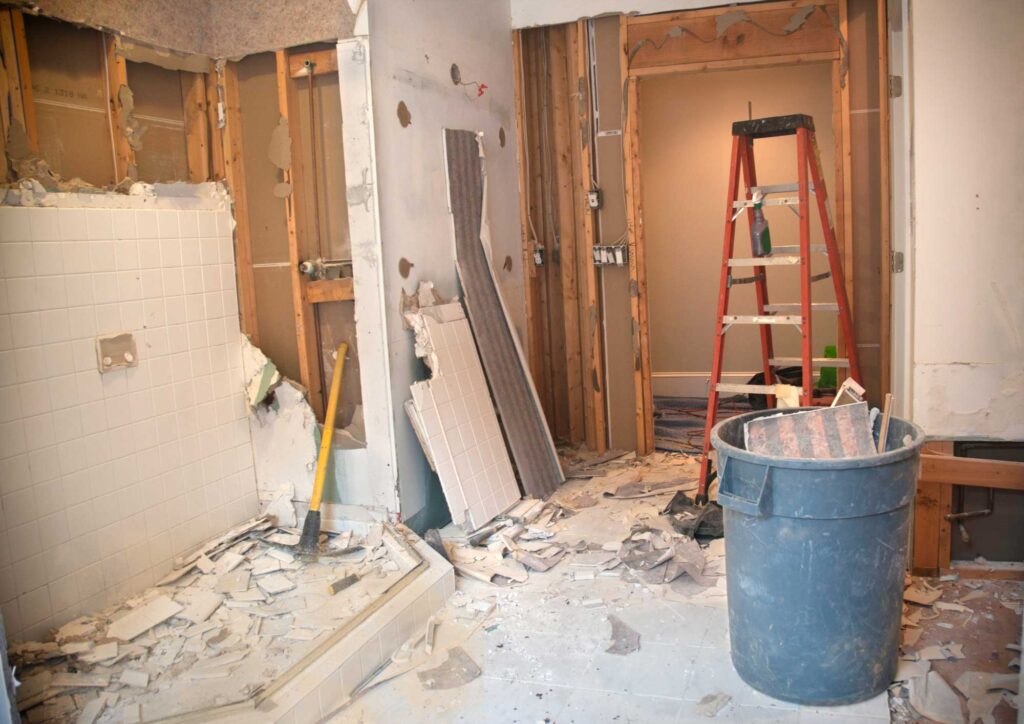
When homeowners talk about a “gut remodel,” they are usually describing a complete interior reset. This goes well beyond updating finishes or replacing a few fixtures. A full gut remodel removes most interior materials so the house can be rebuilt from the inside out.
This level of renovation is often driven by necessity rather than style alone. Aging systems, poor layouts, extensive wear, or long-term ownership plans commonly push homeowners toward a full gut instead of incremental upgrades. In many cases, attempting to renovate room by room ends up costing more over time.
The search for the average cost to gut and remodel a house typically reflects a larger question: whether this scope of work is financially and practically realistic. Understanding what a gut remodel actually includes is the first step toward answering that question.
What “Gutting a House” Actually Involves
A gut remodel typically means removing interior finishes and systems while leaving the home’s main structural shell intact. Walls may stay standing, but what’s inside them often does not.
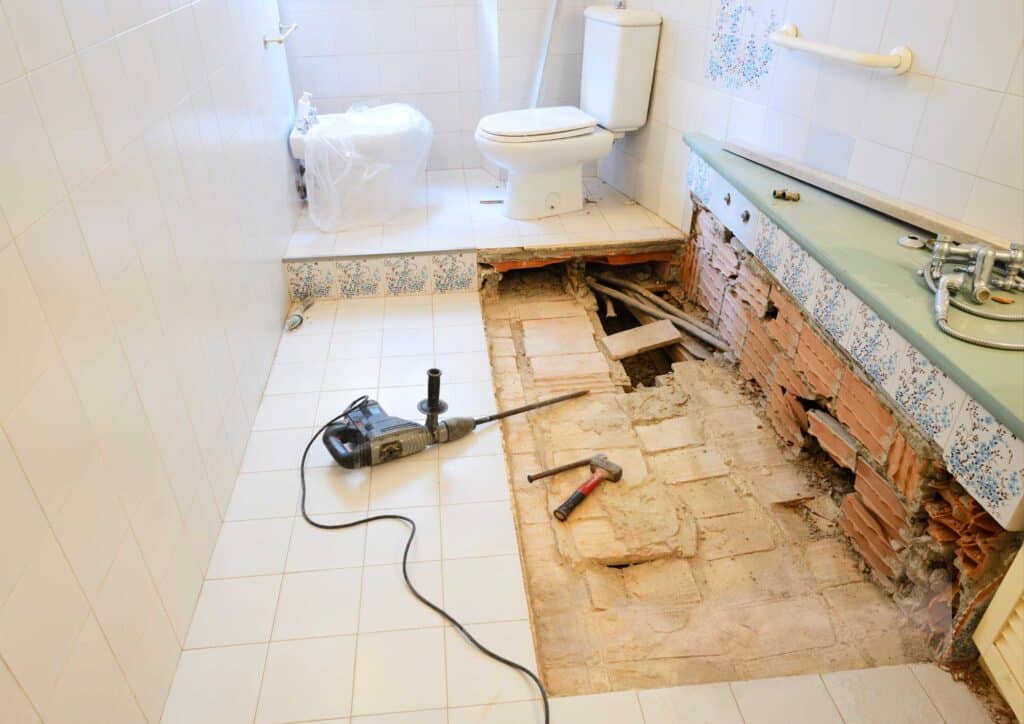
The phrase “down to the studs” is commonly used, but the true scope varies by home. Some projects involve complete removal of wall finishes and insulation, while others are more selective. The difference depends on existing conditions, local requirements, and renovation goals.
Interior Materials Commonly Removed During a Gut Remodel
Most gut remodels include removing drywall or plaster throughout the house. Flooring, trim, doors, cabinets, and built-in fixtures are also taken out. Insulation is frequently removed when walls are opened for system upgrades.
For example, a house from the 1960s may look serviceable on the surface, but once opened, outdated wiring and plumbing make selective renovation impractical.
Major Home Systems Often Replaced During a Gut Remodel
Electrical wiring is commonly replaced, especially in older homes with undersized panels or obsolete wiring methods. Plumbing supply and drain lines are often replaced to improve reliability and meet current standards. For example, galvanized iron from decades ago does not comply with the current standards nowadays in US states with most using PPR pipes.
Heating and cooling systems are also frequently upgraded. With walls and ceilings open, it becomes more practical to redesign ductwork or install modern, more efficient equipment.
Structural Components That Typically Remain
Foundations, exterior walls, and roof framing usually stay in place. However, layout changes may require modifying interior framing or adding structural supports. This is true if you are adding rooms or dividing existing large ones. Also, some homeowners are remodeling their basement as well to be used as an additional room.
Removing load-bearing walls is possible, but it requires proper design and reinforcement. This is why planning must come before demolition.
How Much It Really Costs to Gut and Remodel a House in the U.S.
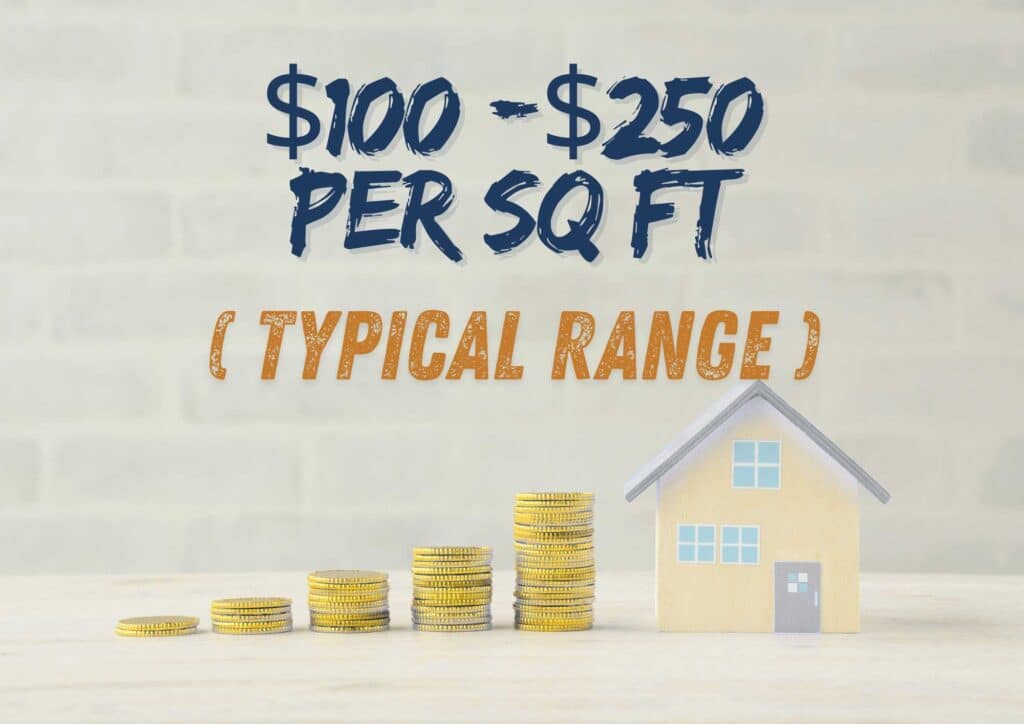
The average cost to gut and remodel a house is most often expressed as a cost per square foot. While imperfect, this method helps account for differences in home size and scope.
Typical National Cost Ranges for Gut Remodels
In the U.S., full gut remodels commonly fall between $100 and $250 per square foot. Projects at the lower end typically involve limited layout changes and standard finishes. Higher-end projects include extensive reconfiguration, premium (updated) materials, and comprehensive system upgrades.
Published averages can be misleading when they lack context. Two remodels with the same square footage can differ dramatically in durability, comfort, and long-term operating costs as they vary in materials, labor costs, and the location.
Cost Differences Between Basic, Mid-Range, and High-End Remodels
Basic gut remodels focus on functionality. Layout changes are minimal, finishes are modest, and upgrades are often driven by code or safety needs.
Mid-range remodels strike a balance between cost and longevity. Homeowners may rework kitchens or bathrooms, improve insulation, and choose durable finishes without going fully custom.
High-end remodels are typically long-term investments. They involve major layout changes, custom work, and higher design costs, all of which increase the total budget.
How Home Size Affects Total Remodel Cost
Smaller homes often have higher per-square-foot costs because fixed expenses—permits, design, and mobilization—are spread over fewer square feet. Larger homes may cost less per square foot but require a higher overall budget.
System costs do not scale evenly with size. A small home may need the same electrical panel or HVAC system as a larger one.
Why the Cost of a Gut Remodel Varies So Much
Cost variation is driven less by square footage than by existing conditions and homeowner choices.
How the Home’s Age and Condition Impact Cost
Older homes frequently require more work than anticipated. Outdated wiring, aging plumbing, and hidden damage are common discoveries once demolition begins.
A well-maintained home from the 1940s may still require extensive upgrades simply to meet current safety and performance standards.
How Layout Changes and Structural Work Increase Costs
Moving walls, especially load-bearing ones, adds cost quickly. Structural changes require engineering, inspections, and additional materials.
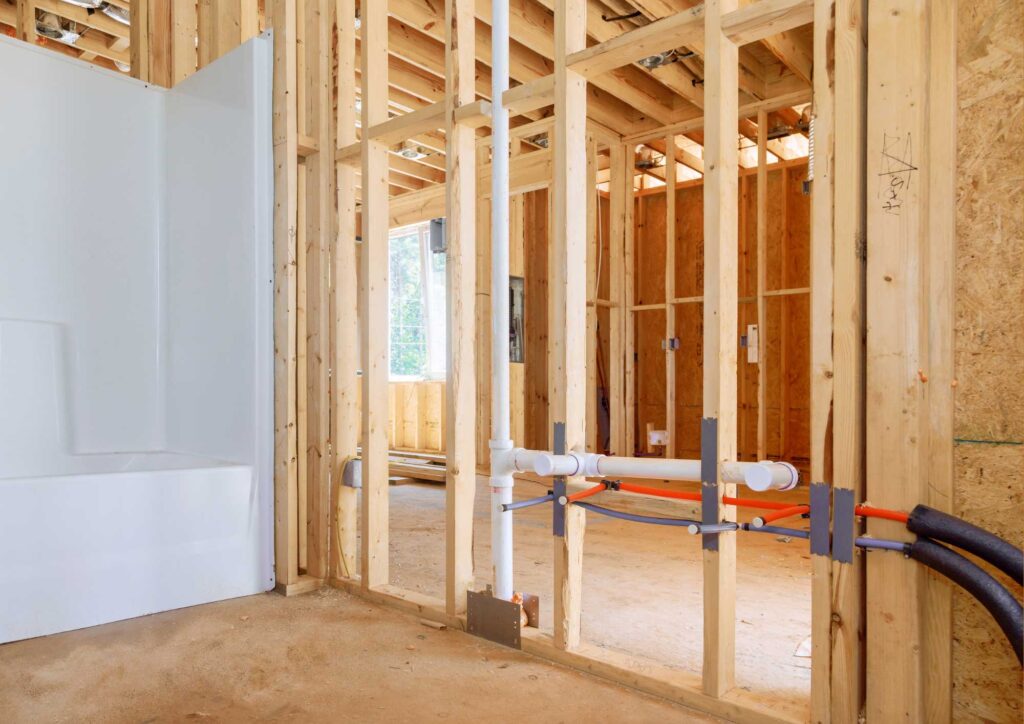
Relocating kitchens or bathrooms increases expenses because plumbing, venting, and electrical systems must be reworked. Keeping fixtures in similar locations is one of the most effective ways to control costs.
How Location and Regional Pricing Affect Remodel Costs
Labor rates vary widely across the U.S. Urban areas generally have higher labor, permit, and inspection costs than suburban or rural locations.
Local requirements also influence pricing. Some jurisdictions require more extensive inspections or upgrades once walls are opened.
How Building Codes and Safety Requirements Influence Cost
Once a house is gutted, many jurisdictions require systems to meet current codes. This may include electrical capacity, insulation levels, ventilation, and safety features.
These upgrades improve safety and comfort, but they also increase the overall cost of the project.
Where the Money Goes in a Full Gut Remodel
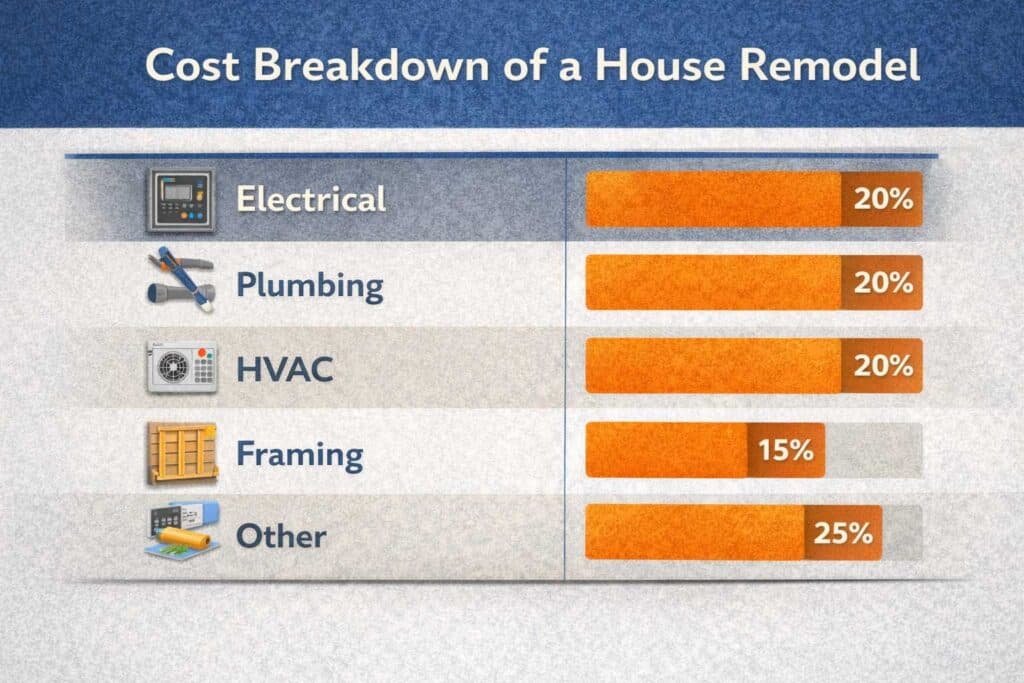
Understanding how costs are distributed helps homeowners evaluate estimates more realistically.
Costs for Interior Demolition and Debris Removal
Interior demolition is labor-intensive and generates significant debris. Costs include labor, dumpsters, and disposal fees.
Older homes may require careful demolition if hazardous materials are suspected, which increases time and expense.
Costs for Structural Changes and Framing Work
Structural costs include reframing walls, installing beams, and reinforcing floors or ceilings. These changes are common in open-layout designs.
Although not visible in the finished home, structural work is critical to safety and longevity.
Costs to Upgrade or Replace Electrical Systems
Electrical work often includes rewiring the entire house, adding circuits, upgrading panels, and meeting modern safety standards.
Many older homes simply lack the capacity for today’s appliances and mechanical systems.
Costs to Replace or Modify Plumbing Systems
Plumbing costs include replacing supply and drain lines and reconfiguring layouts. Relocated bathrooms and kitchens significantly increase these costs.
Plumbing upgrades are disruptive, but far more efficient during a gut remodel than as a standalone project.
Costs for Heating, Cooling, and Ductwork Upgrades
New HVAC systems are often sized differently after layout and insulation changes. Ductwork may need replacement or redesign.
These upgrades directly affect comfort and long-term energy use.
Costs for Insulation and Energy Efficiency Improvements
Opening walls typically triggers insulation upgrades. Improved insulation and air sealing enhance comfort and reduce operating costs.
Ventilation improvements are also common during gut remodels.
Costs for Interior Finishes and Final Details
Drywall, flooring, cabinets, countertops, paint, and trim make up a large portion of visible costs. Finish selections offer wide pricing flexibility and are a primary area for budget control.
Common Hidden Costs That Affect Gut Remodel Budgets
Many homeowners underestimate costs that fall outside the main construction scope.

Permit and Inspection Costs
Most gut remodels require building permits and multiple inspections. Fees vary by location and project complexity.
Corrections required during inspections can add both time and cost.
Costs Related to Hazardous Materials
Asbestos and lead-based paint are common in older homes. Asbestos professional abatement can cost much that it can surely alter your projected budget.
Proper handling and removal are required and can significantly affect budgets.
These issues are often discovered only after demolition begins.
Unexpected Repairs Discovered During Demolition
Rot, termite damage, and structural deficiencies are common surprises. Once exposed, these issues must be addressed before work continues.
Ignoring them is not an option.
Temporary Living and Disruption-Related Costs
Many homeowners cannot live in the house during a full gut remodel. Temporary housing, storage, and extended timelines add real, often overlooked expenses.
How Long a Full Gut Remodel Typically Takes
Time expectations should match the scale of the project.
Planning and Design Timeline
Design, layout decisions, and engineering reviews take time. Rushing this phase often leads to costly changes later.
Clear plans reduce construction delays.
Permitting and Approval Timeline
Permit approval can take weeks or months depending on jurisdiction. Construction cannot begin legally until permits are issued.
Construction and Build-Out Timeline
Demolition, rough-in work, inspections, and finishes must occur in sequence. Delays in one phase affect the entire schedule.
Most full gut remodels take several months to complete.
What Homeowners Can DIY—and What Usually Requires a Pro
DIY work can reduce costs, but only in limited areas.
Tasks Some Homeowners Can Reasonably DIY
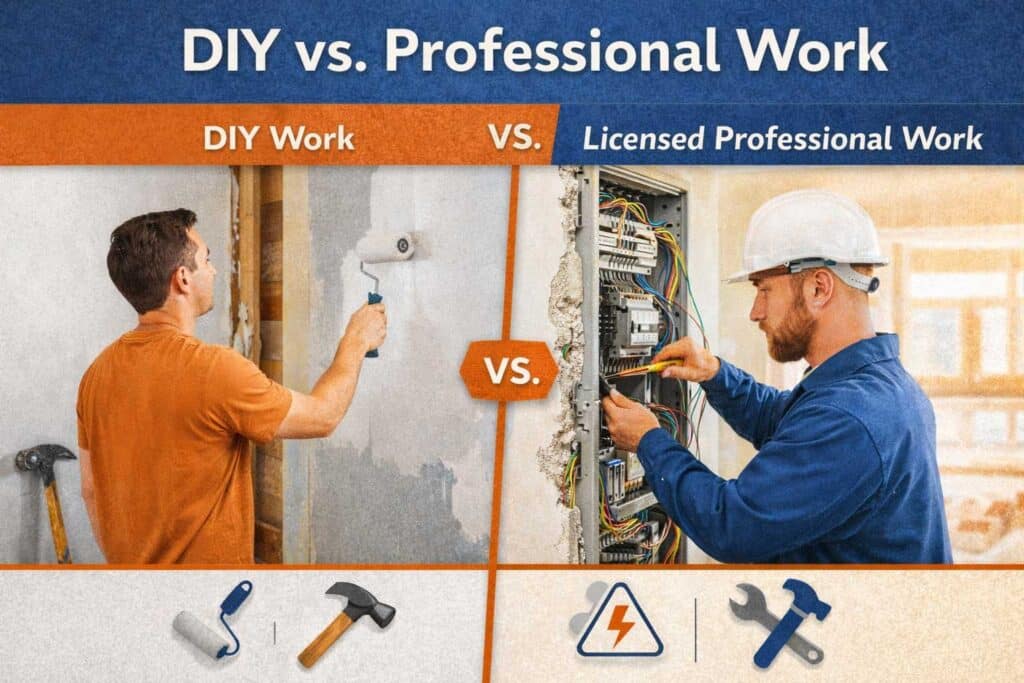
Demolition, painting, and some finish work are commonly handled by homeowners with experience. These tasks are labor-intensive but relatively low risk.
Savings come from reduced labor costs, not shortcuts.
Work That Typically Requires Licensed Professionals
Electrical, plumbing, HVAC, and structural work generally require licensed professionals. Mistakes can lead to failed inspections, safety hazards, and insurance problems.
Correcting DIY errors often costs more than hiring professionals from the start.
When a Full Gut Remodel Makes Sense—and When It Doesn’t
A gut remodel is not the right solution for every home.
Situations Where a Full Gut Remodel Is Justified
Homes with failing systems, severe layout issues, or long-term ownership plans often benefit from a full remodel. Addressing everything at once can reduce repeated disruptions.
When a Partial Remodel Is the Smarter Option
If systems are sound and layouts function well, targeted renovations may provide better value. Not every house needs to be rebuilt from the inside out.
How to Plan and Budget for a Full Gut Remodel
Careful budgeting reduces stress and surprises.
How to Establish a Realistic Remodel Budget
Budgets should include base costs plus a contingency, often 10–20 percent, to cover unknowns uncovered during construction.
How to Review and Compare Contractor Estimates
Estimates should clearly define scope, materials, and exclusions. Comparing vague or incomplete bids often leads to poor decisions.
The lowest price is not always the best value.
Questions to Answer Before Committing to a Gut Remodel
- Is the budget flexible enough for surprises?
- Are layout changes worth the added cost?
- Are temporary living arrangements planned?
- Does the remodel align with long-term plans for the home?
Clear answers reduce regret later.
Putting the Average Cost of a Gut Remodel Into Perspective
The average cost to gut and remodel a house is a reference point, not a decision rule. Real costs depend on the home, location, and goals.
For homeowners, the key is understanding what drives those costs and why they vary. A gut remodel can be a sound investment when planned carefully and approached with realistic expectations.
Informed decisions—not averages—lead to better outcomes.