
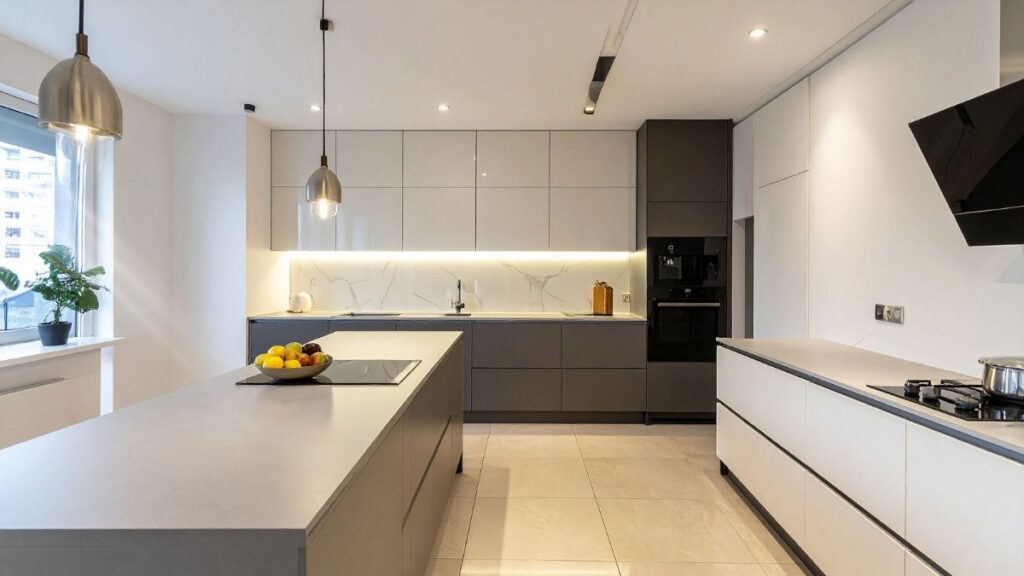
Kitchen renovations are a popular way to enhance both the functionality and aesthetic of your home. For many homeowners, the cost of a full kitchen remodel can be overwhelming. However, a kitchen facelift offers a more affordable alternative. In this article, we’ll explore the average cost of a kitchen facelift, providing insights into the expenses involved and practical advice for making informed decisions on your project.
Whether you’re looking to refresh your kitchen for your own enjoyment or increase your home’s value for resale, a facelift can offer a quick and cost-effective solution. Understanding the costs and benefits of a facelift can help you make a confident decision for your kitchen.
What Is a Kitchen Facelift?
A kitchen facelift is a cost-effective way to update your space without undergoing a full remodel. Unlike a complete renovation, which involves tearing down and replacing structural components, a facelift focuses on cosmetic improvements.
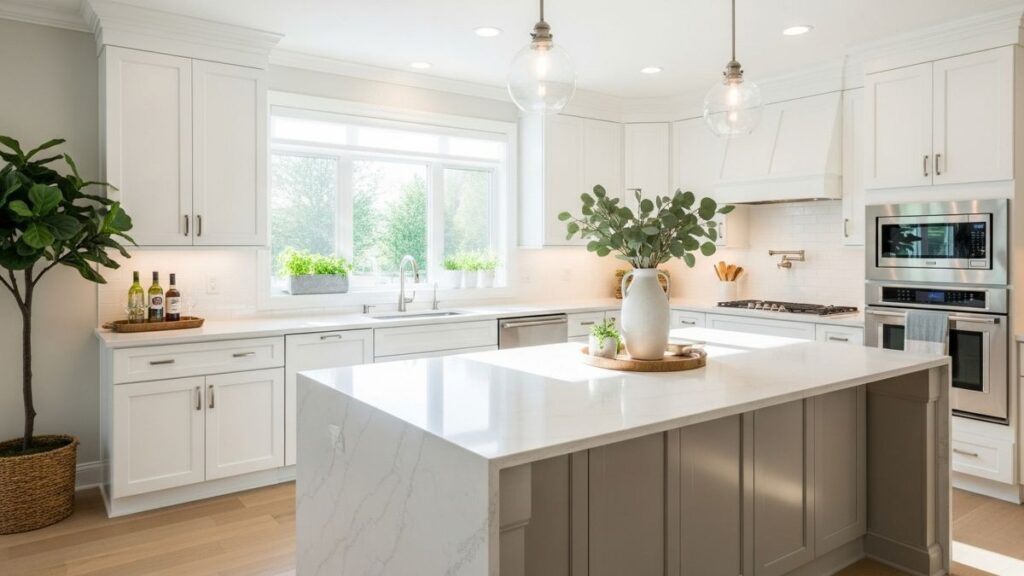
Typical updates include refacing cabinets, replacing countertops, and refreshing the backsplash and lighting fixtures. These updates provide a fresh, modern look without the need to overhaul the entire kitchen.
For instance, rather than replacing entire cabinets, refacing your kitchen cabinets involves keeping the existing cabinet boxes and updating only the doors, drawers, and hardware. This strategy provides a fresh look while reducing costs. It’s an ideal option for homeowners who want a new kitchen aesthetic but don’t want the high cost and disruption of a full renovation.
A key benefit is that a kitchen facelift can be completed quickly—often in 2 to 6 weeks—meaning less disruption to your daily life. This makes it an excellent choice for homeowners seeking a stylish, functional kitchen update without the long wait.
Factors Affecting the Cost of a Kitchen Facelift
The average cost of a kitchen facelift can vary significantly depending on several factors. Understanding these elements can help you set a realistic budget for your project:
- Size of the Kitchen: Naturally, larger kitchens require more materials and labor, which can increase the overall cost of the facelift. A spacious kitchen with many cabinets, counters, and details will likely be more expensive to update than a smaller space. For example, a 10×10 kitchen will typically cost less than a 12×16 kitchen, both in terms of materials and labor.
- Material Choices: Your choice of materials plays a significant role in determining the cost. High-end materials like granite or quartz countertops can be much more expensive than laminate or butcher block options. Similarly, hardwood or tile flooring will generally cost more than vinyl or laminate. Each material comes with its own benefits and costs, which should be weighed against your long-term goals for the kitchen.
- Labor Costs: Labor is a key expense, especially if you’re hiring professionals. Refacing cabinets, installing countertops, or replacing flooring requires skilled labor, and the cost of hiring contractors varies depending on their experience and location. For example, the average cost of labor for a kitchen facelift can range from $50 to $150 per hour, depending on where you live.
- Scope of Work: The more extensive the facelift, the higher the cost. A simple facelift, such as painting cabinets or installing a new backsplash, will cost less than a more comprehensive update that includes replacing countertops, flooring, and lighting. If you’re adding custom details, such as a new kitchen island or upgraded lighting, these will increase the cost of the project.
Average Cost Breakdown of Kitchen Facelift

Here’s a breakdown of typical kitchen facelift costs in the U.S. based on real-world examples and industry averages:
- Cabinet Refacing: The average cost for cabinet refacing ranges from $4,000 to $9,000. This includes replacing the doors, drawers, and hardware while retaining the original cabinet boxes. Cabinet refacing is a popular choice for those who want an updated look without the expense of replacing everything. For example, a homeowner in the r/homeowners Reddit community shared their experience, mentioning that while refacing can save money, it requires careful precision and attention to detail. They recommended hiring a professional to ensure the best results, especially for homeowners with little experience (source: Reddit r/homeowners).
- Countertop Updates: Replacing countertops typically costs between $2,000 and $5,000. Laminate countertops are on the lower end of the spectrum, while natural stone options like granite and quartz tend to be more expensive. For example, a homeowner who replaced laminate countertops with granite in a small kitchen spent around $3,500, while another who opted for quartz countertops paid closer to $5,000.
- Flooring Replacement: Flooring updates can range from $1,000 to $3,500, depending on the type of material you choose. Vinyl or laminate flooring is generally more affordable, while hardwood, tile, or engineered wood flooring will add to the cost. If you choose to install tile or hardwood, expect labor costs to increase due to the more complex installation process.
- Backsplash and Lighting: Installing a new backsplash can cost between $500 and $1,500, depending on the material chosen (e.g., ceramic tile, glass, or marble). Updating lighting fixtures such as pendant lights or adding under-cabinet lighting may add another $300 to $1,000 to the overall cost. Choosing energy-efficient LED lights may increase the initial cost but save money in the long run through reduced energy consumption.
Kitchen Facelift vs. Full Renovation: A Cost Comparison
While a kitchen facelift can be a cost-effective option, it’s important to understand how it compares to a full renovation. Here’s a side-by-side look at the costs:
- Kitchen Facelift: The average cost for a facelift typically ranges between $10,000 and $25,000. This price range includes cosmetic updates like refacing cabinets, replacing countertops, and updating lighting and backsplashes.
- Full Kitchen Renovation: A full renovation can cost significantly more, often ranging from $30,000 to $75,000 or more, depending on the size of the kitchen, structural changes, and the quality of materials chosen. A full remodel typically includes new cabinets, appliances, plumbing, electrical work, and flooring.
For example, a homeowner might spend around $15,000 on a kitchen facelift that involves cabinet refacing, new countertops, and a backsplash update. In contrast, a full remodel could cost $50,000 or more, especially if you’re changing the layout, installing high-end materials, and upgrading appliances.
DIY vs. Hiring a Contractor for a Kitchen Facelift
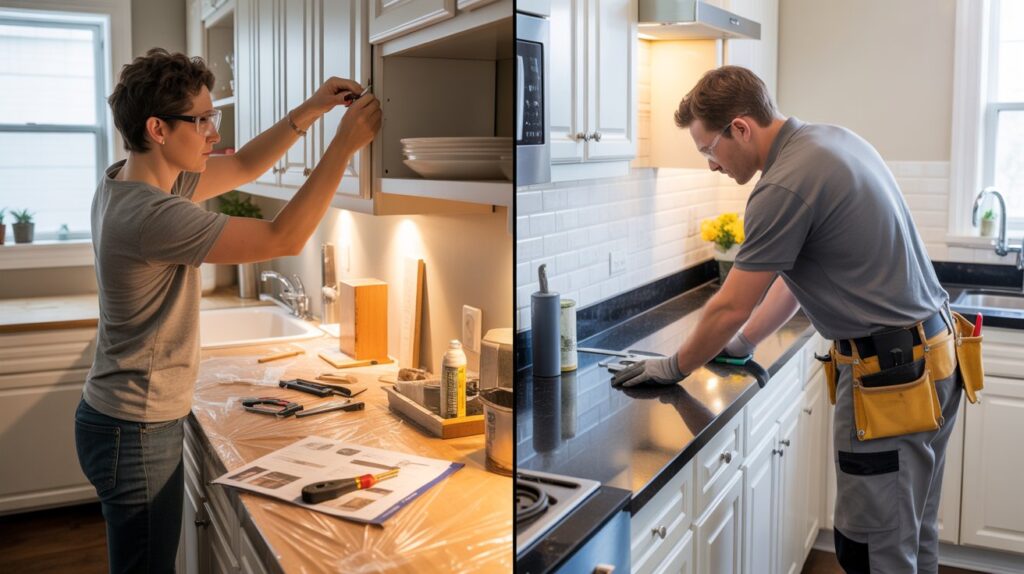
Deciding whether to tackle the facelift yourself or hire a professional contractor depends on your skills, available time, and the complexity of the project. Here’s a breakdown:
- DIY-Friendly Projects:
- Cabinet Painting: If you’re comfortable with a paintbrush, painting or staining your cabinets can be a satisfying DIY project. Just be sure to properly prepare the surfaces for a smooth, long-lasting finish.
- Backsplash Installation: Tiling a backsplash is another task that many DIYers can handle. As long as you’re careful with measurements and cuts, this can be a great way to save money.
- Countertop Installation: Laminate countertops can be installed by DIYers with some experience, but stone countertops like granite or quartz usually require professional installation.
- When to Hire a Professional:
- Electrical or Plumbing Work: If your facelift involves moving electrical outlets, installing new lighting, or relocating sinks, hire licensed professionals. Electrical and plumbing work must meet safety standards and local codes.
- Cabinet Refacing or Custom Builds: Refacing cabinets requires attention to detail to ensure everything lines up properly. A skilled carpenter or contractor will deliver better, more durable results.
- Flooring Installation: Flooring installation can be tricky, especially with complex tile or hardwood layouts. A professional installer will ensure the floor is level, properly sealed, and looks polished.
Tips to Save Money on Your Kitchen Facelift

Here are some tips to reduce the cost of your kitchen facelift:
- Opt for Budget-Friendly Materials: If you’re updating countertops, consider using laminate or butcher block instead of high-end stone. For flooring, vinyl or tile can mimic the look of hardwood or stone at a lower price.
- Focus on High-Impact Areas: Instead of updating every aspect of your kitchen, concentrate on the most important elements: cabinets, countertops, and flooring. These areas make the biggest visual impact and can be updated within a reasonable budget.
- Repurpose Existing Fixtures: Consider keeping your sink, faucet, or appliances if they’re still in good condition. You can also refinish hardware or repurpose certain items to save on replacement costs.
- Shop for Deals: The off-season for kitchen materials and contractors is typically during the winter months. By shopping for materials or booking services in these months, you might find discounts or lower labor costs.
Common Mistakes to Avoid During a Kitchen Facelift
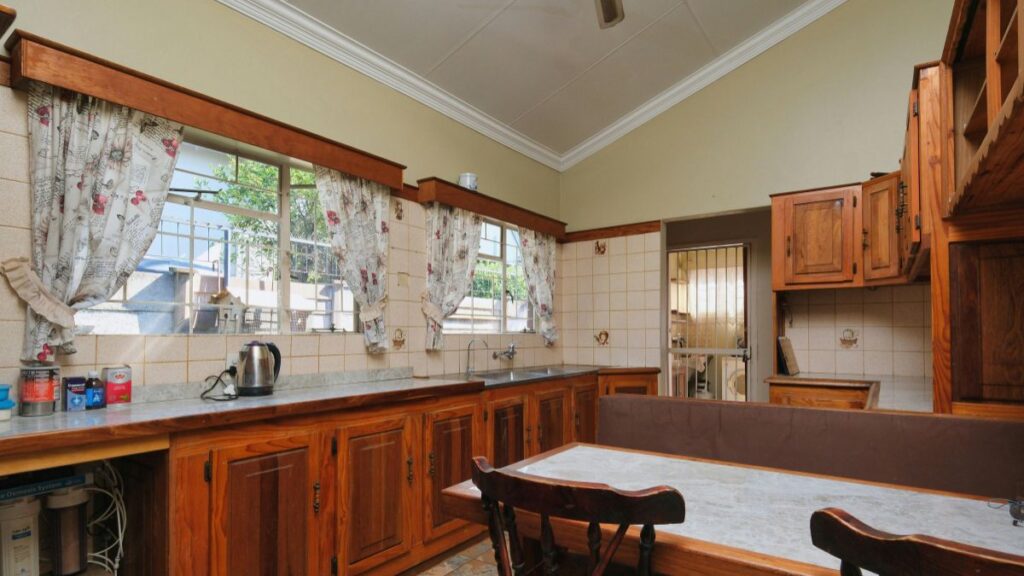
Avoid these common pitfalls to ensure a successful kitchen facelift:
- Failing to Budget for Hidden Costs: Many homeowners forget to account for unexpected expenses, such as labor, permits, or repairs. It’s smart to set aside an additional 10–15% of your budget to cover contingencies.
- Focusing Too Much on Aesthetics: While a beautiful kitchen is important, don’t neglect functionality. Make sure your updates improve the usability of the space as much as the appearance.
- Underestimating the Project Timeline: Even though a kitchen facelift takes less time than a full renovation, it still requires careful planning. Set realistic expectations for the completion time, as delays can occur during any remodeling project.
The ROI of a Kitchen Facelift
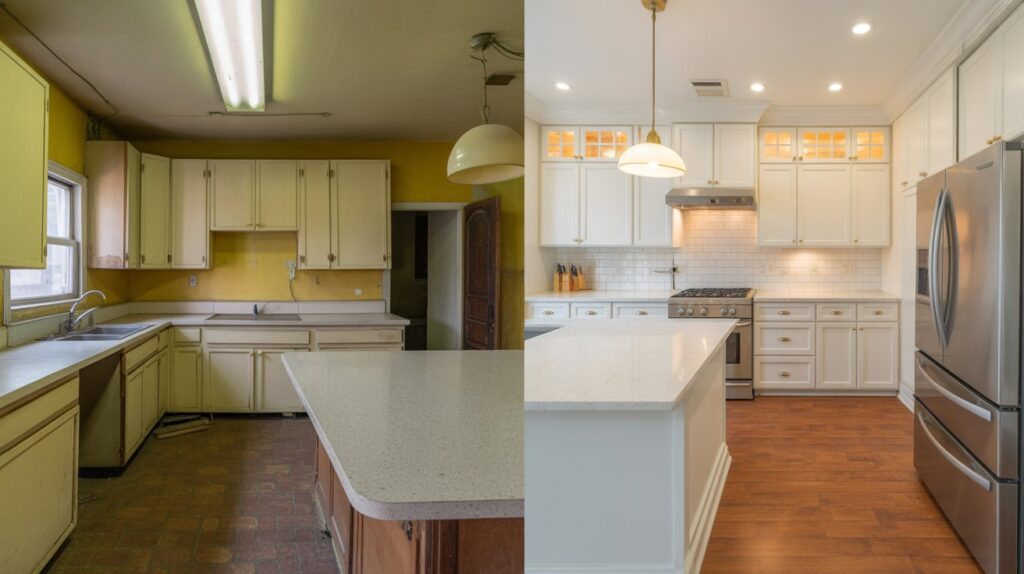
A kitchen facelift not only improves the look and function of your kitchen, but it can also provide a solid return on investment. On average, homeowners can expect a return of 70–80% of their investment when selling their home.
For investors, updating a kitchen with a facelift is a low-cost way to increase the value and appeal of a property. A modern kitchen can be a major selling point, making your home more attractive to potential buyers.
Conclusion
A kitchen facelift is a practical, cost-effective way to refresh your kitchen without the hefty price tag of a full renovation. By understanding the average cost of a kitchen facelift, avoiding common mistakes, and knowing when to call in professionals, you can make informed decisions that align with your budget and goals. Whether you’re a homeowner looking for a fresh kitchen or an investor preparing to sell, a facelift offers a streamlined path to a modern, functional space.
FAQs Section
- How much does a kitchen facelift cost on average? The average cost ranges from $10,000 to $25,000, depending on the size of your kitchen and the updates you choose.
- Can I do a kitchen facelift myself? Many aspects, such as painting cabinets or installing a backsplash, can be done DIY. However, tasks like plumbing and electrical work should be left to professionals.
- How long does a kitchen facelift take? A typical kitchen facelift can take anywhere from 2 to 6 weeks, depending on the complexity and scope of the project.