
 This guide is designed for homeowners, DIY-inclined residents, property investors, and contractor-aware consumers who want a reliable way to keep a toilet clean without relying on harsh chemicals. Many households are adopting non toxic bathroom cleaning practices to reduce chemical exposure while still maintaining sanitation.
Using baking soda together with vinegar is one of the simplest methods for routine toilet maintenance. Baking soda acts as a mild abrasive and deodorizer, while vinegar helps dissolve light mineral deposits and organic residue. When used correctly and combined with scrubbing, the method can remove common stains and control odor.
The key point is that baking soda cleaning works best as part of a regular maintenance routine. It helps loosen buildup, neutralize odor, and supports bathroom cleaning with vinegar, but effective results still depend on proper technique and consistent cleaning.
Key Things to Understand Before Cleaning Your Toilet with Baking Soda
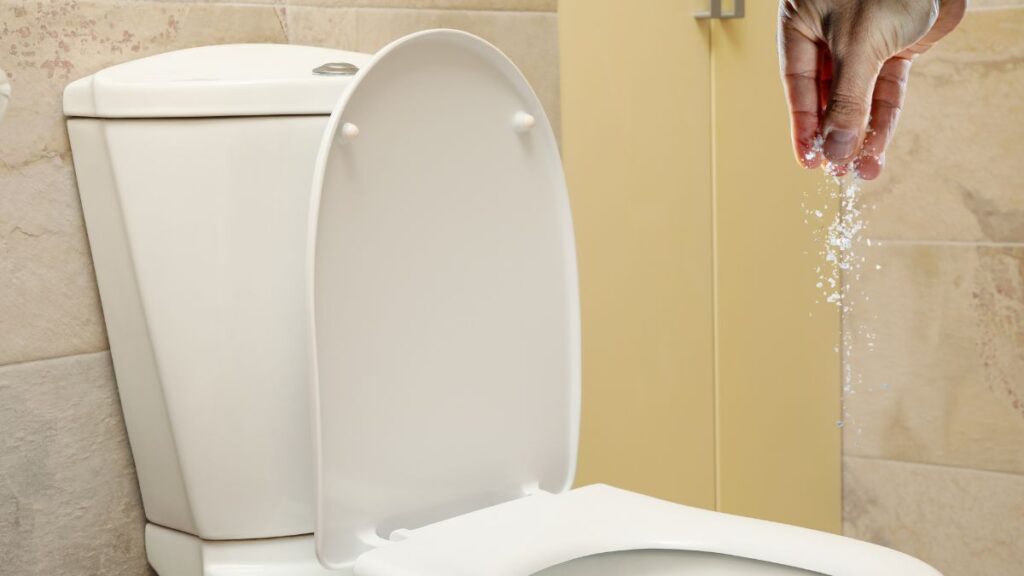
Baking soda works primarily through gentle abrasion. The fine powder helps lift stains and residue from the porcelain surface without scratching the toilet bowl. It also neutralizes odor by reacting with acidic compounds that create unpleasant smells.
Vinegar serves a different purpose. White distilled vinegar contains mild acetic acid, which can dissolve light mineral deposits and break down organic residue. When vinegar contacts baking soda, the mixture produces a short fizzing reaction that helps loosen debris from the bowl surface.
This method is most effective for routine maintenance and moderate staining. Common examples include light mineral rings along the waterline, mild discoloration caused by hard water, or odor buildup in toilets that are not cleaned frequently.
However, baking soda and vinegar will not remove every type of stain. Severe hard water buildup can form thick layers of calcium and magnesium deposits that require repeated treatments or stronger descaling cleaners. These deposits often appear rough or chalky and may take longer to dissolve.
It also helps to distinguish between routine maintenance and heavy stain removal. Toilets cleaned regularly rarely develop thick mineral buildup. Toilets that go months without cleaning may require several cleaning cycles before stains disappear.
Tools and Materials Required for the Cleaning Process
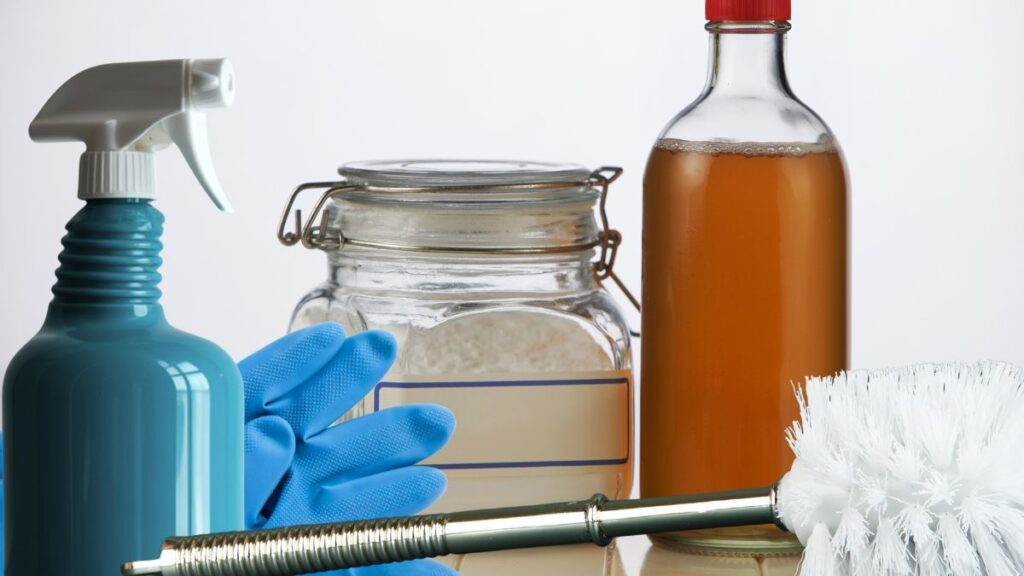
This cleaning method requires only a few basic tools and materials. Most homeowners already have these items available.
Baking soda is the primary cleaning agent. Standard kitchen baking soda works well for removing mild stains and neutralizing odor inside the toilet bowl.
White distilled vinegar is used to dissolve mineral residue and support bathroom cleaning with vinegar across other fixtures. Its mild acidity helps break down light hard water deposits without damaging porcelain.
A sturdy toilet brush is essential. The chemical reaction between baking soda and vinegar loosens debris, but mechanical scrubbing is still necessary to remove residue from the bowl surface.
Rubber cleaning gloves are recommended to maintain basic hygiene while handling cleaning tools and toilet surfaces.
A small measuring cup or container helps control the amount of baking soda used. This prevents waste and ensures the cleaner spreads evenly around the bowl.
A spray bottle filled with vinegar can also be useful for cleaning nearby surfaces such as the exterior of the toilet tank, seat hinges, or surrounding tile.
For stubborn stains, optional tools may help. A pumice stone designed for toilet cleaning can remove heavy mineral deposits when used carefully on a wet surface. A non scratch nylon scrub pad may also assist with localized buildup.
Step-by-Step Method for Cleaning a Toilet with Baking Soda
Step 1: Prepare the Bowl and Distribute the Baking Soda
Begin by flushing the toilet to wet the interior surface of the bowl. A damp surface helps the baking soda cling to the porcelain rather than falling directly into the water.
Sprinkle about half a cup of baking soda evenly around the bowl interior. Focus on areas where stains are visible, especially around the waterline where mineral deposits typically form as water evaporates.
Allow the baking soda to sit briefly so it adheres to the surface. This contact time helps it absorb odor and begin loosening surface residue.
Before moving to the next step, look underneath the rim of the bowl. Mineral buildup often accumulates in this area because flush water enters through small rim openings.
Step 2: Apply Vinegar and Let the Cleaning Reaction Loosen Buildup
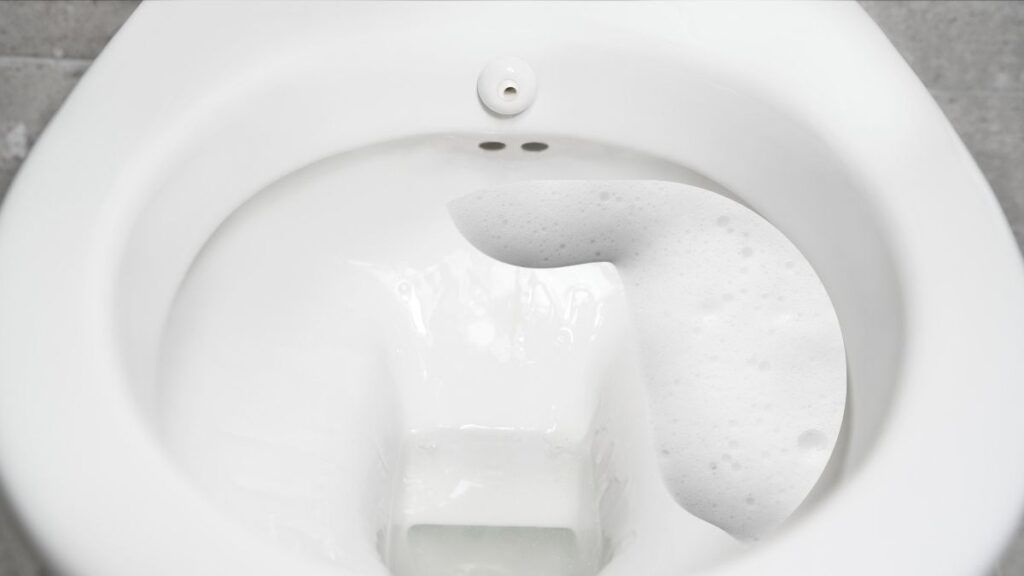
Pour approximately one cup of white vinegar into the bowl, directing it toward the baking soda. The mixture will begin to fizz as the two substances react.
This bubbling reaction helps lift debris and distribute the cleaning solution across the bowl surface. Although the reaction lasts only a short time, it helps break up residue that has adhered to the porcelain.
Allow the mixture to sit for about five to ten minutes. This waiting period gives the vinegar time to dissolve mineral deposits and soften organic buildup.
If the toilet has visible mineral rings, apply additional vinegar along the waterline or beneath the rim using a spray bottle. These areas often require extra attention.
Step 3: Scrub the Bowl, Flush, and Check for Remaining Stains
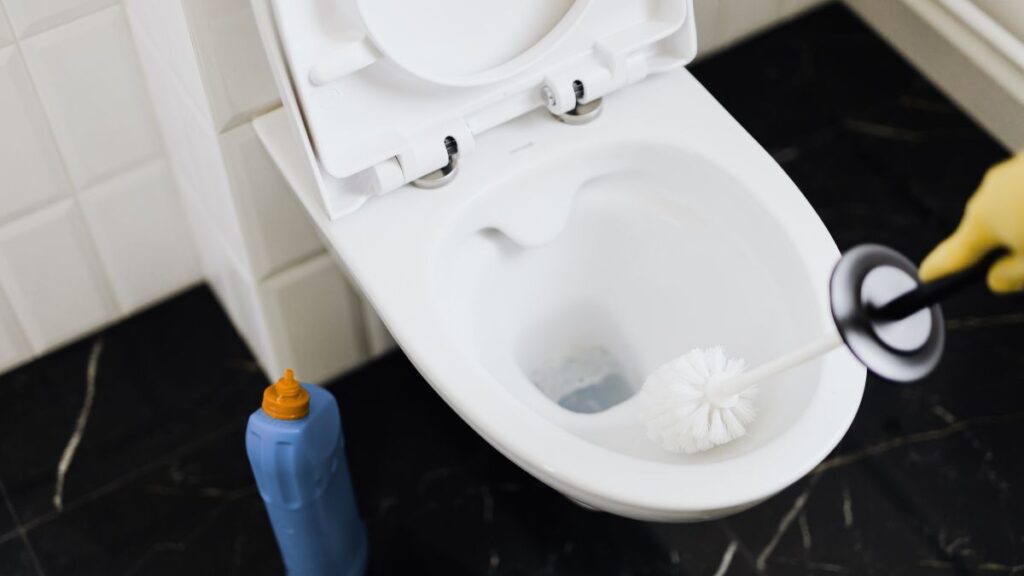
Use a toilet brush to scrub the bowl thoroughly. Start at the waterline and work downward toward the trap opening so loosened residue moves into the drain.
Spend extra time cleaning beneath the rim. Many toilet brushes include an angled section designed to reach this area. Deposits in the rim jets can restrict water flow and reduce flushing performance.
After scrubbing, flush the toilet to rinse away the cleaning mixture. Inspect the bowl surface to determine whether stains remain.
If discoloration is still visible, repeat the cleaning process. Older mineral stains often require multiple cleaning cycles before they fully dissolve.
Common Cleaning Mistakes That Can Reduce Effectiveness
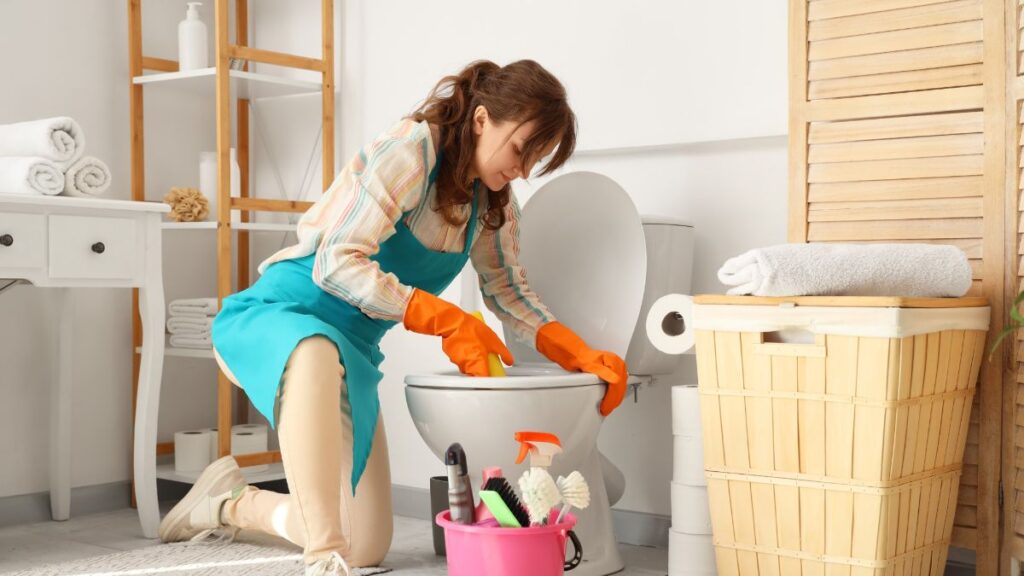
One common mistake is expecting baking soda to remove severe hard water scale immediately. Thick mineral deposits form slowly over time and may require several treatments or stronger descaling cleaners.
Another mistake is skipping scrubbing. The reaction between baking soda and vinegar may look dramatic, but it does not replace mechanical cleaning. Without brushing, stains often remain attached to the bowl.
Some homeowners also use too much vinegar. Excess liquid dilutes the baking soda and reduces its abrasive cleaning action. Moderate amounts usually produce better results.
Using steel wool or aggressive scrub pads can damage the porcelain glaze. Scratches make the surface more likely to trap stains and bacteria in the future.
Mixing vinegar with bleach based toilet cleaners is another serious mistake. The combination can release chlorine gas, which is hazardous to breathe. Always rinse the bowl thoroughly before switching between different cleaning products.
Finally, many people forget to clean under the rim. This hidden area can collect mineral buildup and bacteria that contribute to odor and poor flushing performance.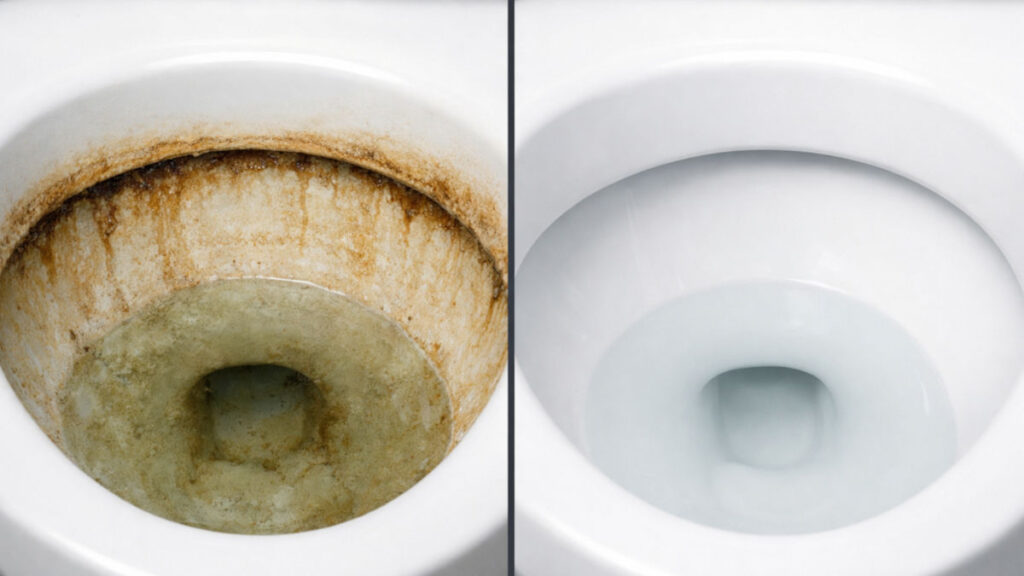
Safety Practices and Basic Bathroom Ventilation Considerations
Even when using non toxic bathroom cleaning methods, basic safety precautions are important. Wearing gloves helps prevent direct contact with bacteria and cleaning residue.
Ventilation also improves safety during bathroom cleaning. Most residential building codes in the United States require bathrooms to have either a mechanical exhaust fan or an operable window. Running the fan during cleaning improves air circulation.
Never mix vinegar with bleach or ammonia based cleaners. Acidic and chlorine based cleaners can react and produce gases that irritate the eyes and respiratory system.
If your home relies on a septic system, baking soda and vinegar are generally considered septic safe when used in normal quantities. They do not introduce harsh disinfectants that disrupt the bacteria responsible for breaking down waste.
Avoid using sharp metal tools inside the toilet bowl. Porcelain fixtures rely on a smooth glazed finish to resist stains and bacteria. Scratching this surface can cause permanent damage.
If using a pumice stone, keep both the stone and the bowl surface wet while cleaning. Light pressure helps remove mineral deposits while reducing the risk of scratching. 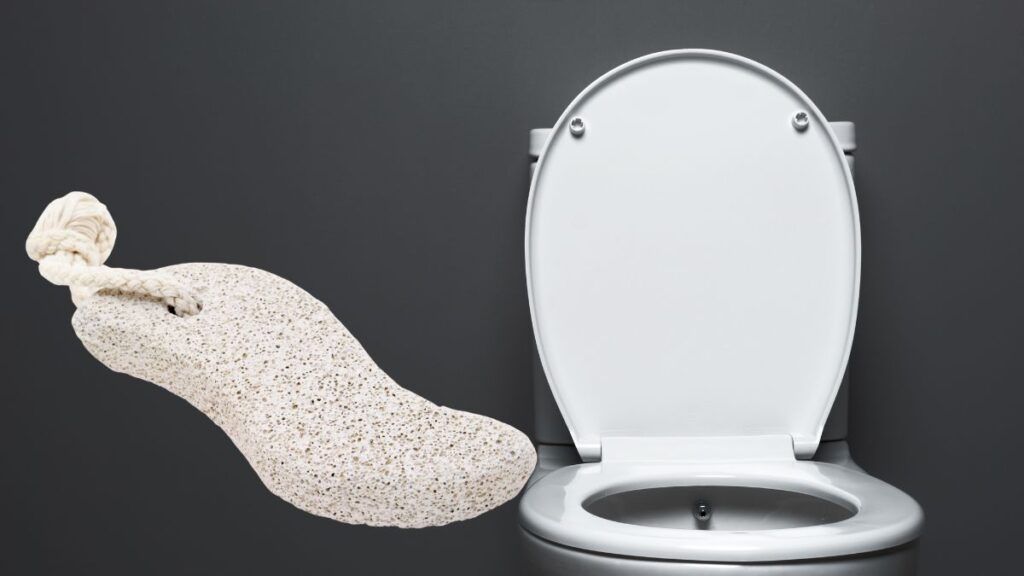
Frequently Asked Questions About Cleaning Toilets with Baking Soda
Can baking soda really clean a toilet bowl?
Yes. Baking soda can remove light stains and control odor when combined with proper scrubbing. It works best as a routine maintenance cleaner rather than a heavy duty descaler.
Is baking soda and vinegar safe for septic systems?
In typical household amounts, baking soda and vinegar are generally considered septic safe. They do not introduce chemicals that interfere with septic tank bacteria.
How often should you clean a toilet with baking soda?
Weekly cleaning is usually sufficient for most homes. Bathrooms with heavy use may require cleaning twice per week to prevent mineral rings and odor buildup.
Does vinegar remove hard water stains from toilets?
Vinegar can dissolve light mineral deposits. Thick hard water scale may require repeated cleaning or specialized descaling products.
Is baking soda better than chemical toilet cleaners?
For routine cleaning and odor control, baking soda works well. Chemical cleaners may be more effective for severe mineral deposits or deep discoloration.
Can baking soda and vinegar be used for other bathroom cleaning tasks?
Yes. The mixture can be used for sinks, tile, and many bathroom fixtures. However, vinegar should not be used on natural stone surfaces such as marble because acid can damage the stone.
What stains cannot be removed with baking soda?
Heavy mineral scale, rust stains caused by iron in the water supply, or damage to the porcelain glaze may not respond to baking soda cleaning.
Maintenance Tips and Situations That May Require Professional Help
Routine cleaning prevents most toilet staining problems. Cleaning once per week keeps mineral rings from forming and reduces the amount of scrubbing required later.
If stains return quickly after cleaning, the underlying cause may be hard water. In that situation, installing a water softener or filtration system may reduce mineral deposits throughout the home.
Persistent odor after thorough cleaning can indicate a plumbing problem. A worn wax ring seal or minor sewer gas leak may allow odor to escape near the base of the toilet.
Repeated staining can also occur in older toilets where the porcelain glaze has worn down. When the surface becomes rough, stains attach more easily and are harder to remove.
Regular maintenance using baking soda and vinegar can keep most toilets clean with minimal effort. However, when stains persist or plumbing problems appear, professional inspection may be the most practical solution.
Pingback: Cleaning The Toilet With Vinegar And Baking Soda: A Practical Bathroom Maintenance Guide