
 Introduction
 Introduction
This guide is written for U.S. homeowners, DIY-focused property owners, and contractor-aware consumers who are seeing white film inside the dishwasher, cloudy glassware, or declining wash performance.
Hard water contains dissolved calcium and magnesium. During hot wash cycles, those minerals separate from the water and adhere to interior surfaces, heating elements, and spray arms. Over time, buildup reduces cleaning efficiency and can shorten appliance life.
The practical solution is straightforward: clean the filter and spray arms, run a proper descaling cycle, and then manage the underlying water hardness and detergent selection. Without correcting the source, mineral deposits will return.
Before You Begin: Key Considerations
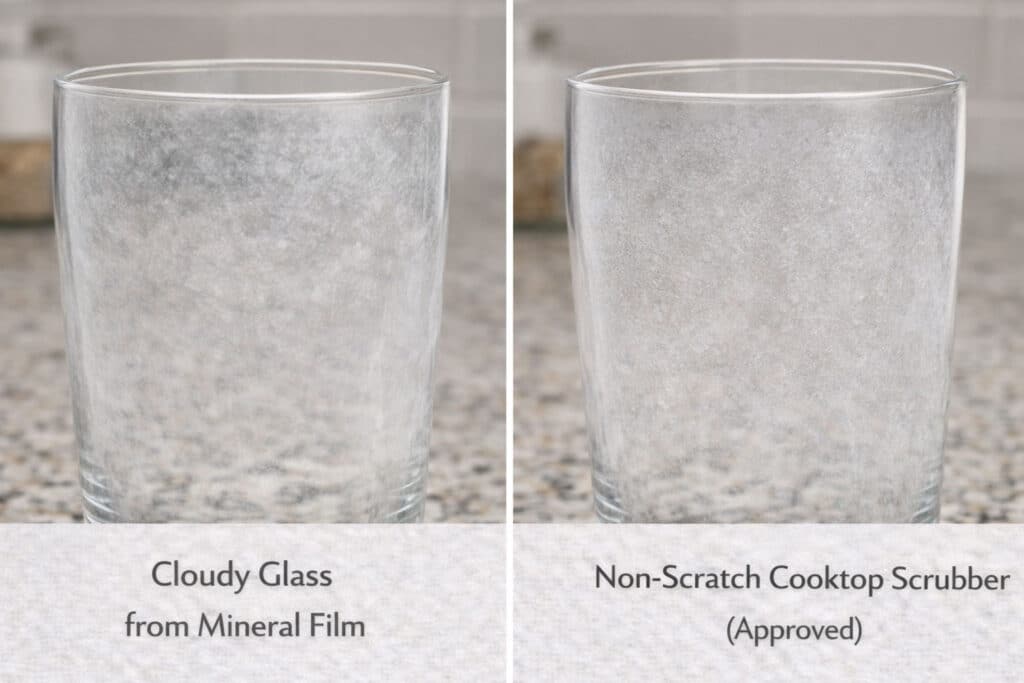
Start by confirming that the problem is mineral buildup and not glass etching. Mineral film typically feels chalky and can often be removed. Etching is permanent surface damage caused by detergent chemistry and heat. If haze remains after descaling and the glass feels smooth, it is likely etched.
Mineral scale matters mechanically, not just cosmetically. Deposits on the heating element reduce heat transfer, which can lower drying performance. Scale inside spray arm jets restricts water flow and changes spray pattern, which reduces cleaning coverage. In advanced cases, mineral accumulation can strain circulation components and contribute to poor drainage.
Check your water hardness level before you start. Municipal water reports often list hardness in grains per gallon, and inexpensive test strips work well for confirmation. Water above 7 grains per gallon is considered hard and will consistently produce scale. If your water is very hard, descaling may be needed monthly.
Plan for 30 to 60 minutes of hands-on work plus a full hot cycle. In moderate to hard water areas, descaling every one to three months is typical unless a water softener is installed.
Required Tools and Cleaning Materials
Effective cleaning requires simple, appropriate materials rather than aggressive chemicals.
- White distilled vinegar
- Citric acid powder
- Soft brush or old toothbrush
- Microfiber cloth
- Measuring cup
- Dishwasher-safe bowl
- Toothpick or plastic pick for spray holes
Optional but useful items include hard water test strips and a manufacturer-approved commercial descaler.
For prevention, detergent choice matters. In the United States, phosphates are largely restricted, so a non phosphate dishwasher detergent is standard. If you are trying to reduce environmental impact, choose products that are biodegradable, low residue, and packaged with minimal plastic. In hard water areas, even the best eco friendly dishwasher tablets or the most environmentally friendly dishwasher detergent may require correct dosing and consistent rinse aid use to control spotting and film. Look for a best sustainable dishwasher detergent option that performs well in hard water without leaving excess residue.
Step-by-Step Process to Remove Hard Water Buildup
Step 1: Clean the Filter and Wipe Down Interior Surfaces

Turn off power at the breaker if accessible. While this task is low risk, disconnecting power is prudent when removing internal components.
Remove the bottom rack and locate the filter assembly in the base of the tub. Most filters unlock with a short twist. Rinse thoroughly under warm water and scrub gently to remove grease and mineral residue.
This step is essential. A clogged filter traps debris that can redeposit minerals during subsequent cycles, reducing the effectiveness of descaling and contributing to odor.
Wipe interior walls, the door gasket, and the detergent dispenser area. Inspect the heating element for visible white scale. Heavy buildup here acts like insulation and reduces drying performance.
Step 2: Inspect and Clear the Spray Arms
Next, address the spray arms. Reduced spray pressure is a common reason dishes remain dirty even after descaling.
Remove the lower spray arm if your model allows it. Some lift off; others require loosening a retaining nut. Use the owner’s manual to avoid breaking plastic tabs or cross-threading fasteners.
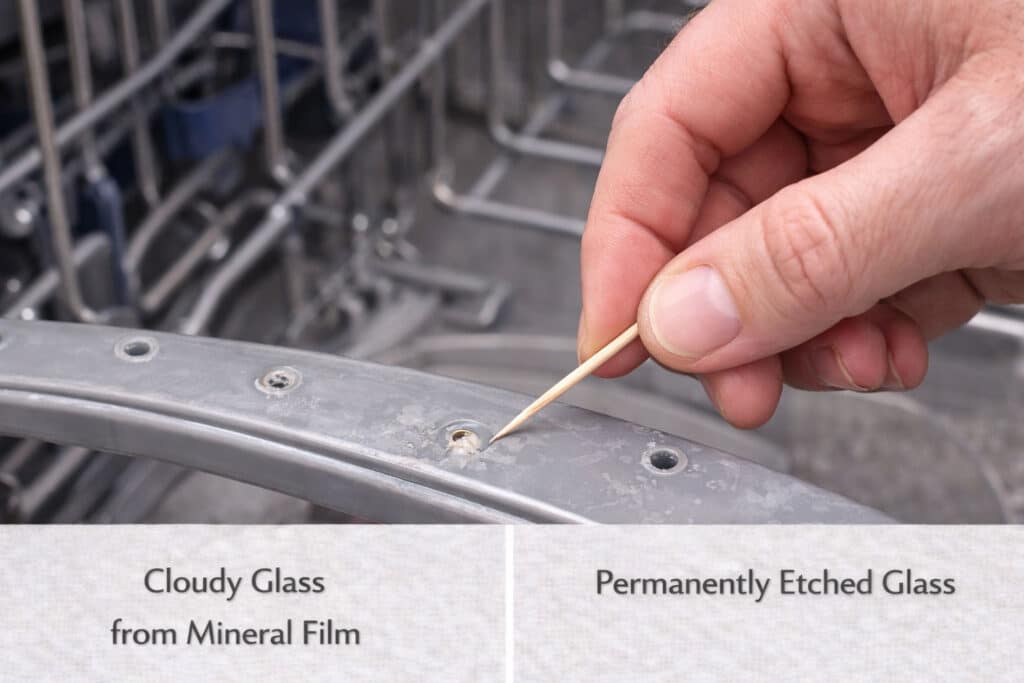
Rinse the spray arm and use a toothpick or plastic pick to clear blocked jet holes. Even partial obstruction changes spray pattern and can leave entire areas of the rack under-washed.
If mineral deposits are visible, soak the spray arm in warm water mixed with citric acid for 20 to 30 minutes. Citric acid dissolves calcium scale efficiently and is generally safe for stainless interiors when used as directed.
Reinstall all components securely. A spray arm that is not seated correctly can cause noise, wobble, or poor rotation.
Step 3: Perform a Full Descaling Wash Cycle
With internal components cleaned, descale the tub itself.
Place one to two cups of white vinegar in a dishwasher-safe bowl on the top rack. Alternatively, sprinkle one to two tablespoons of citric acid directly into the bottom of the tub. Run the hottest, longest cycle with the dishwasher empty. Heat improves mineral dissolution.
Do not combine vinegar or citric acid with bleach or other cleaners. Mixing chemicals can produce harmful fumes and may damage internal components.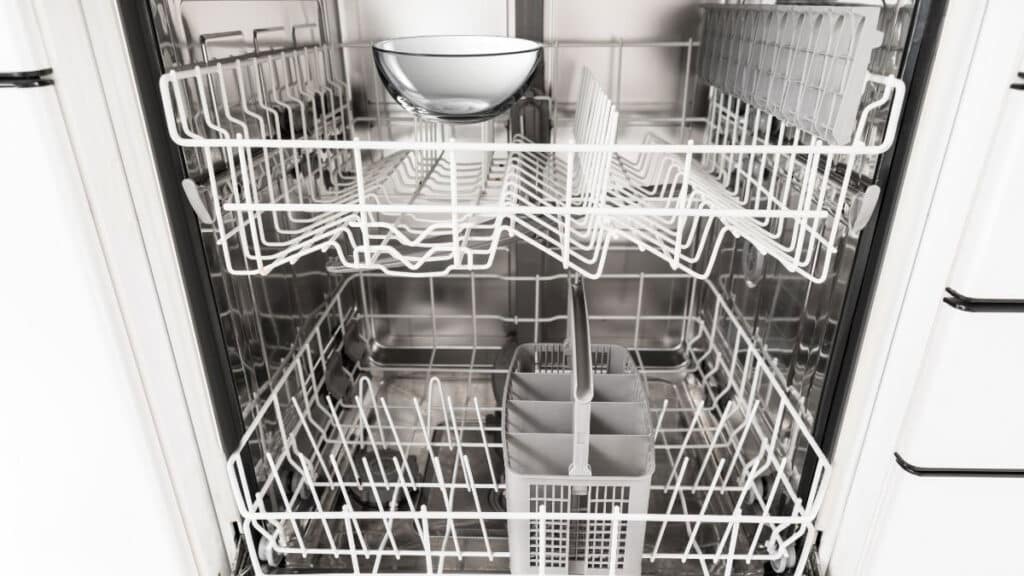
After the cycle, inspect the interior. If scale remains, repeat using citric acid. Severe buildup may require more than one treatment, especially in very hard water conditions.
When complete, wipe the interior dry and leave the door slightly open. Better airflow reduces moisture retention that contributes to spotting and odor.
Frequent Mistakes That Reduce Cleaning Effectiveness
Misidentifying etched glass as mineral film leads to repeated cleaning cycles with no improvement. If descaling does not change the haze and the surface feels smooth, the damage is likely permanent.
Skipping the filter is another common error. Running vinegar cycles without removing trapped debris limits results and can make the dishwasher smell worse.
Using abrasive pads inside a stainless tub can scratch the surface. Scratches create microscopic roughness that allows minerals to adhere more easily and makes future buildup harder to remove.
Overusing detergent in hard water conditions often increases residue and spotting. Follow dosing guidelines, and adjust only when you have evidence of under-cleaning. If you switch to best eco friendly dishwasher tablets, pay attention to performance in hard water and use rinse aid as needed.
Finally, avoid mixing cleaning agents. Combining vinegar with bleach or certain commercial cleaners can create dangerous fumes and accelerate corrosion.
Safety Precautions and Plumbing Code Considerations
Disconnect power if you remove internal components. Basic electrical safety should always be observed around appliances that use water and heat.
Most U.S. plumbing codes require a high loop or air gap in the dishwasher drain line to help prevent backflow and siphoning from the sink drain into the dishwasher. If you see dirty water entering the tub after the sink drains, the issue may be drain configuration rather than mineral buildup.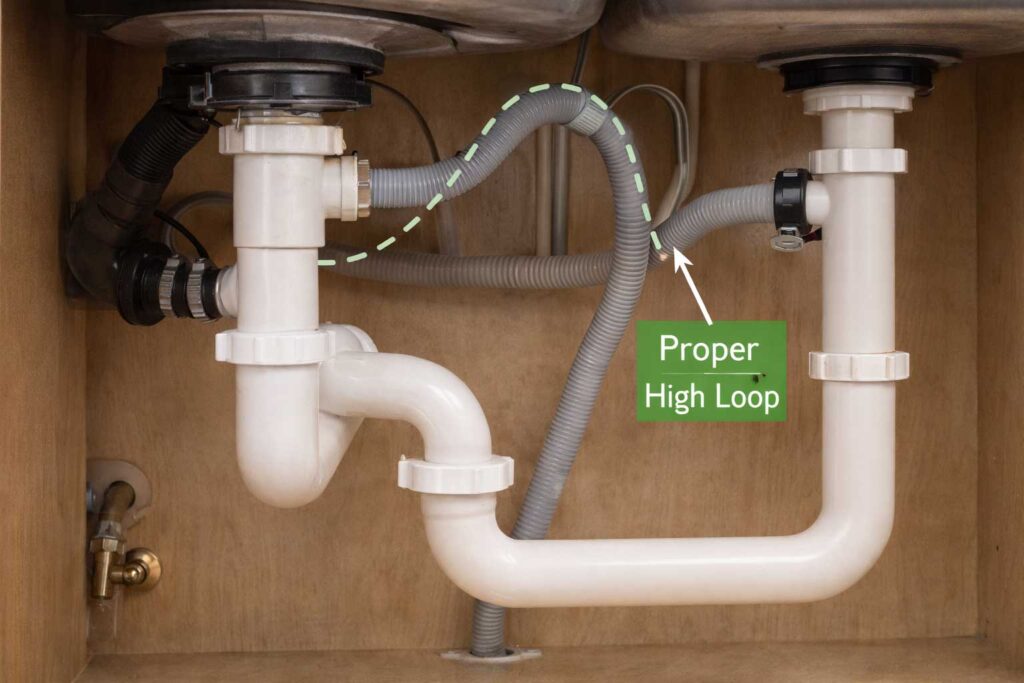
If the dishwasher connects to a garbage disposal, confirm that the disposal knockout plug was removed during installation. A blocked connection prevents proper drainage and can mimic cleaning failures.
Use only manufacturer-approved cleaners to reduce the risk of damaging seals or voiding warranty coverage. Strong acids can degrade rubber gaskets and lead to leaks.
Because phosphates are restricted in many states, non phosphate dishwasher detergent is the norm. In hard water regions, correct dosing and rinse aid use become more important for preventing film, even when using the most environmentally friendly dishwasher detergent options.
Frequently Asked Questions About Dishwasher Hard Water Buildup
How do I remove white buildup from my dishwasher?
Clean the filter and spray arms first, then run a hot cycle with vinegar or citric acid. Repeat if necessary and address water hardness to prevent recurrence.
Can hard water damage a dishwasher?
Yes. Over time, scale reduces heating efficiency, clogs spray arms, and can strain circulation components. The result is poorer cleaning, longer run times, and more wear on moving parts.
Is vinegar safe for routine cleaning?
Occasional use is generally acceptable. Frequent heavy use may degrade certain rubber components over time. Citric acid is often more effective for mineral removal and may be a better choice for routine descaling.
How often should I descale?
In moderate to hard water areas, every one to three months is typical. In very hard water areas or in homes without rinse aid use, monthly maintenance may be needed.
Does non phosphate dishwasher detergent work in hard water?
Yes, but proper dosing and rinse aid are important. Without them, spotting and residue are more likely, particularly with some eco-focused formulas.
Do I need a water softener?
If buildup returns quickly and you also see scale on faucets, showerheads, or inside a kettle, a whole-house softener may be the most effective long-term solution.
Why are my dishes still cloudy after cleaning the dishwasher?
If descaling does not improve clarity, the issue may be etching rather than mineral film. It can also be caused by too much detergent, poor rinse aid performance, or restricted spray arm flow.
Maintenance Advice and When Professional Service Is Necessary
Routine descaling protects performance, but some conditions point to problems beyond mineral buildup.
Persistent drainage issues after cleaning may indicate a blocked hose, a failing drain pump, or an air gap problem. Electrical issues, repeated breaker trips, or a dishwasher that will not heat or dry properly should be evaluated by a qualified technician.
If mineral buildup is widespread throughout the home, consult a licensed plumber about water softening options. Treating only the dishwasher addresses symptoms rather than the underlying cause.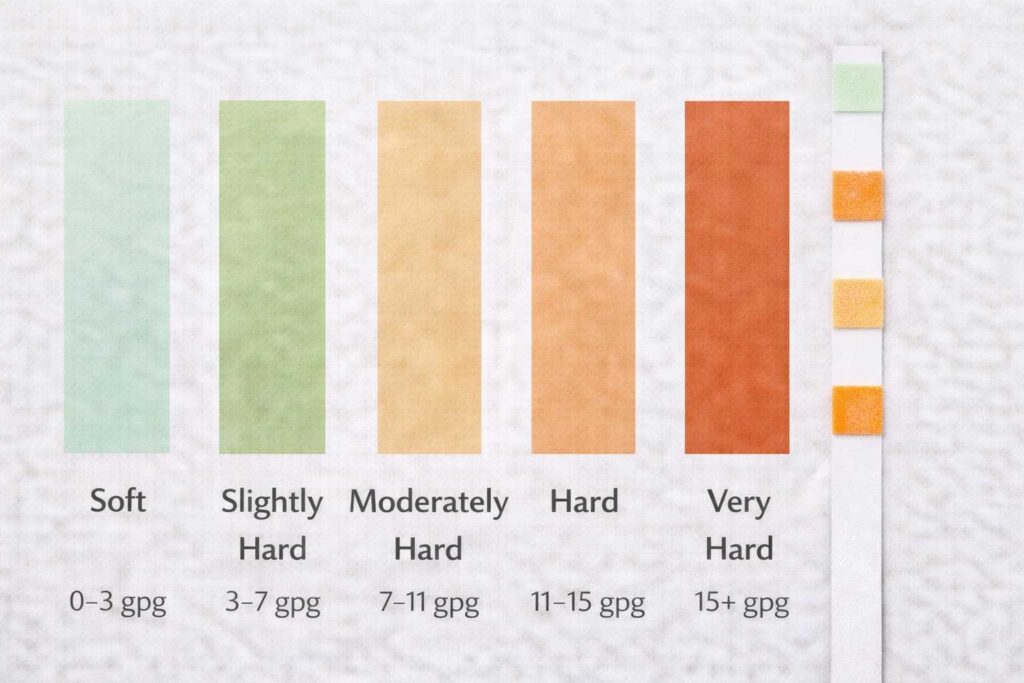
Consistent maintenance supports appliance longevity. Most residential dishwashers last roughly 9 to 12 years. Managing water hardness, keeping the filter clean, and using an appropriate detergent and rinse aid strategy helps preserve performance without unnecessary replacement.