
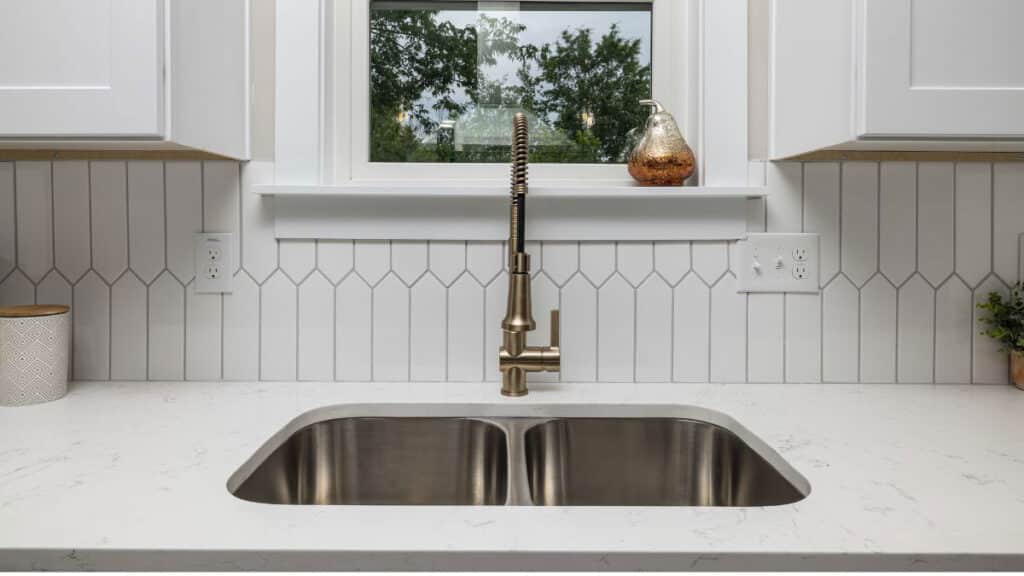
 Most kitchen sink replacements in the U.S. happen without a full remodel. The cabinets stay. The countertop stays. The plumbing stays where it is. The new sink has to fit the existing cutout, clear the garbage disposal, and seal properly against whatever surface is already there.
That constraint is exactly why stainless steel double bowl drop-in sinks remain common. The rim supports the sink mechanically, making them more forgiving in retrofit situations than undermount models. In homes with laminate countertops, they are often the only practical option without replacing the entire counter.
If you are comparing the best stainless steel double bowl drop in kitchen sinks, the real differences are not cosmetic. They come down to steel thickness, rigidity under load, cabinet compatibility, and how well the sink will hold up to daily use over time.
Quick Comparison Table
| Category | Product | Steel Gauge | Bowl Split | Depth | Cabinet Minimum | Structural Notes |
|---|---|---|---|---|---|---|
| Best Overall | UFaucet 33″ Double Bowl Workstation | 16 gauge (T-304) | 60/40 | 9″ | 33″ base | Thick steel with a versatile layout |
| Best Budget | KRAUS Fairlane 33″ (KHT632-33) | 18 gauge | 50/50 | 9″ | 33″ base | Lighter steel, adequate rigidity for typical use |
| Best for Professionals | SHACO 33×22 Double Bowl | 16 gauge (T-304) | 50/50 | 9″ | 33″ base | Heavy-duty structure with symmetric bowls |
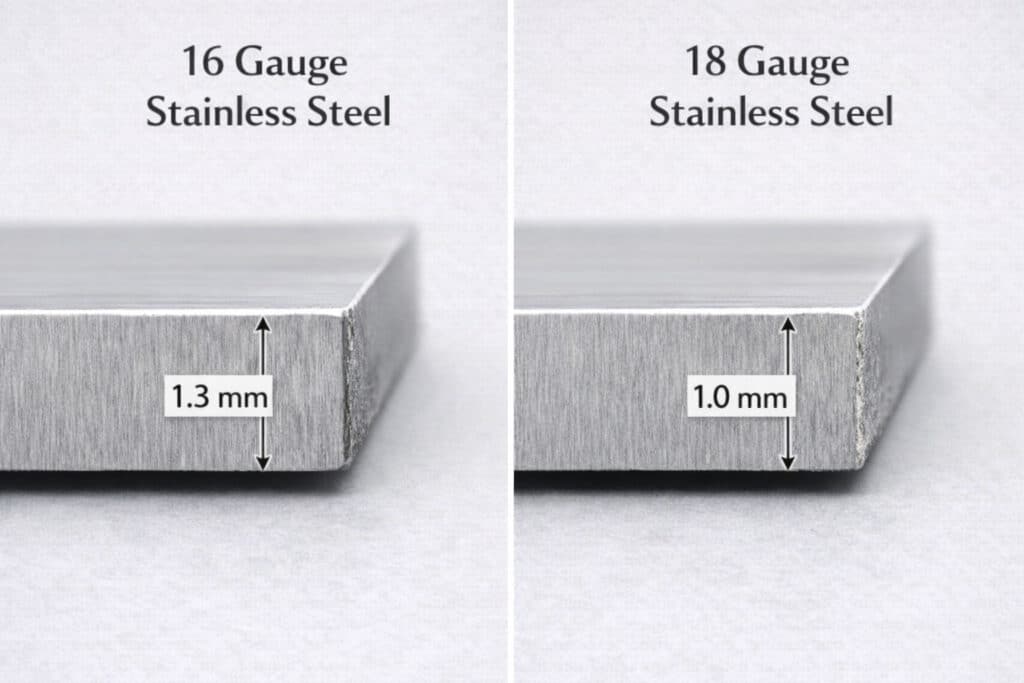
All models use standard 3.5-inch drains and fit typical U.S. plumbing systems. Before ordering, measure the interior width of the sink base cabinet and verify clearance for the trap and garbage disposal.
Best Overall – UFaucet 33″ Double Bowl Workstation Sink
For most households, the best value comes from durable construction paired with a layout that works for everyday cooking and cleanup. This sink earns the overall spot because it balances structural strength with practical workflow.
The basin is made from 16-gauge T-304 stainless steel. Thickness matters because flexing transfers stress to mounting clips and perimeter sealant. Over time, movement at the rim can open micro-gaps, especially on laminate countertops where water intrusion can swell the substrate. Thicker steel reduces that movement and helps the seal stay intact.
The 60/40 configuration reflects how many kitchens are used. The larger bowl is better for stock pots, roasting pans, and sheet pans. The smaller bowl stays available for rinsing produce, draining pasta, or staging dishes. That separation reduces bottlenecks during meal prep without requiring a larger cabinet.
Workstation accessories can be useful when countertop space is limited. The main value is flexibility. The sink still needs to win on structure first, and the flange remains the primary support point in a drop-in installation.
Key Specifications
- 33-inch overall width
- 16-gauge T-304 stainless steel
- 60/40 double bowl layout
- Approximately 9-inch bowl depth
- Standard 3.5-inch drain openings
- Fits 33-inch minimum base cabinet
Performance and Structural Considerations
Sixteen-gauge steel is more resistant to denting than thinner options, especially when heavy cookware is dropped. It also reduces vibration transfer when a garbage disposal is running, which can lower noise and reduce long-term stress at mounting points.
Sound pads and undercoating matter because added mass reduces resonance. A thin, lightly insulated sink can act like a drum when water hits the basin. In open-plan homes, that noise is often what makes a sink feel “cheap,” even if it looks fine.
A brushed satin finish typically hides fine scratches better than polished stainless. Scratches are normal over time. The goal is choosing a finish that makes everyday wear less visible.
Installation Scope
Replacing an existing 33-inch drop-in sink is often a reasonable DIY project when the cutout matches the new sink’s template. The rim supports the sink, so you are not relying on adhesives for structural support.
Resizing a stone or quartz cutout is not typical DIY work. Fabrication errors can crack the slab and turn a sink upgrade into a countertop replacement. If your drain alignment needs to change due to bowl geometry, professional plumbing help may be required to maintain correct trap configuration and venting.
Best For
Homeowners who want long-term durability and a practical layout for daily use.
Best Budget Option – KRAUS Fairlane 33″ (KHT632-33)
Budget upgrades are common in rentals, secondary kitchens, and straightforward replacements. This sink provides functional reliability without the cost of thicker steel.
The KRAUS Fairlane uses 18-gauge stainless steel. In normal residential use, that can be sufficient, especially when installation is done correctly and the sink is not regularly subjected to heavy impacts. The key is understanding where the compromises show up and planning accordingly.
The 50/50 split offers two equal basins, which can be convenient for washing in one side and rinsing in the other. It is a familiar layout and works well for households that prefer symmetry.
Key Specifications
- 33-inch overall width
- 18-gauge stainless steel
- 50/50 double bowl layout
- Approximately 9-inch bowl depth
- Drop-in mount
- Standard drain openings
Performance Limitations
Thinner steel is more susceptible to denting from impact, such as dropping a cast iron skillet. It can also transmit more vibration from a garbage disposal. Those issues do not guarantee failure, but they do change how the sink feels and sounds in use.
Sound insulation is typically adequate, but it may not match the mass and coverage found on heavier-gauge sinks. In smaller kitchens this may be minor. In open layouts, sink noise tends to be more noticeable.
Installation Considerations
This sink works best as a direct replacement where the existing cutout is already sized for a similar 33-inch drop-in. Before ordering, compare the manufacturer’s cutout template to your current opening. A “33-inch sink” is not a guarantee of identical rim coverage or bowl geometry.
Seal the rim with 100 percent silicone to prevent water intrusion. Tighten mounting clips evenly so the flange seats flat. Uneven pressure can distort the rim, which can create small gaps that allow water into laminate cores and cabinet structures over time.
Best For
Cost-controlled upgrades where adequate performance is the goal and heavy-duty rigidity is not required.
Best for Professionals – SHACO 33×22 Double Bowl Sink
In high-use kitchens, durability is not just about looks. It is about rigidity, stable mounting, and how well the sink tolerates years of disposal vibration, heavy pots, and frequent cleaning cycles.
This SHACO sink uses 16-gauge T-304 stainless steel with a 50/50 bowl layout. The thicker steel resists flexing, which reduces stress on mounting clips and helps the perimeter seal stay stable long term. That matters most when a garbage disposal is installed, since the disposal adds weight and vibration to the system.
The equal bowls provide flexibility. Both sides can handle larger cookware, which is helpful when one bowl is occupied with prep tasks and the other is used for cleanup.
Key Specifications
- 33 by 22 inches overall
- 16-gauge T-304 stainless steel
- 50/50 bowl split
- Approximately 9-inch bowl depth
- Drop-in mount
- Standard 3.5-inch drains
Durability and Use Case
Thicker steel improves rigidity at mounting points and reduces deformation under load. Deformation at the rim is a common contributor to sealing problems. If a flange does not sit flat due to flex or distortion, water can migrate into the countertop edge and cabinet over time.
Depth improves capacity but reduces under-sink space. Before ordering, check clearance for disposal height, the P-trap, and any planned filtration or pull-out trash systems. If the sink’s drain outlet sits lower than your previous sink, you may need plumbing adjustments to maintain proper drain slope.
Installation Scope
Basic drop-in replacement is typically within DIY scope when the cutout matches. If the job requires resizing a stone cutout, moving a wall stub-out, or altering venting, those are professional tasks in most homes. Correct trap geometry and venting are important for drainage performance and compliance.
Best For
High-use kitchens where structural rigidity and long-term durability matter more than accessory features.
How We Chose These Products
Selection focused on structural quality, standard U.S. cabinet compatibility, and realistic replacement scenarios. Steel gauge was prioritized because it affects rigidity, dent resistance, and vibration transfer. Sixteen-gauge sinks generally provide better long-term stability. Eighteen-gauge sinks can still be a smart choice when cost control is the priority.
All models are designed for common 33-inch sink base cabinets and standard drain openings. Sound dampening coverage, bowl depth, and practical installation factors were weighed to keep recommendations aligned with real kitchens, not showroom assumptions.
Buying Guide (What to Look For)
To choose the best stainless steel double bowl drop in kitchen sink for your kitchen, start with structural constraints. Layout and accessories come after you confirm fit and performance fundamentals.
Steel Gauge and Structural Stability
Steel thickness affects more than dent resistance. Thin basins flex under load. Flexing transfers stress to mounting clips and sealant, which can contribute to long-term sealing issues. For heavy use or disposal installation, 16-gauge provides measurable rigidity benefits.
Bowl Configuration
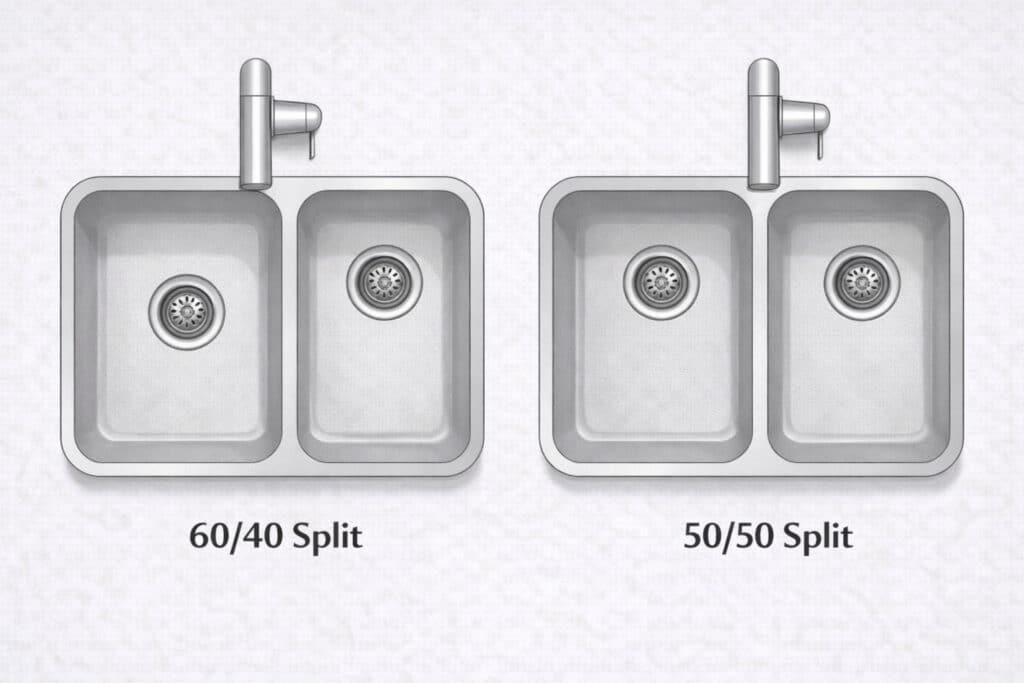
A 50/50 sink provides equal working space on both sides. A 60/40 layout prioritizes one larger bowl for oversized cookware. Choose based on how you cook. Interior bowl dimensions matter more than the overall sink width.
Bowl Depth and Plumbing Geometry
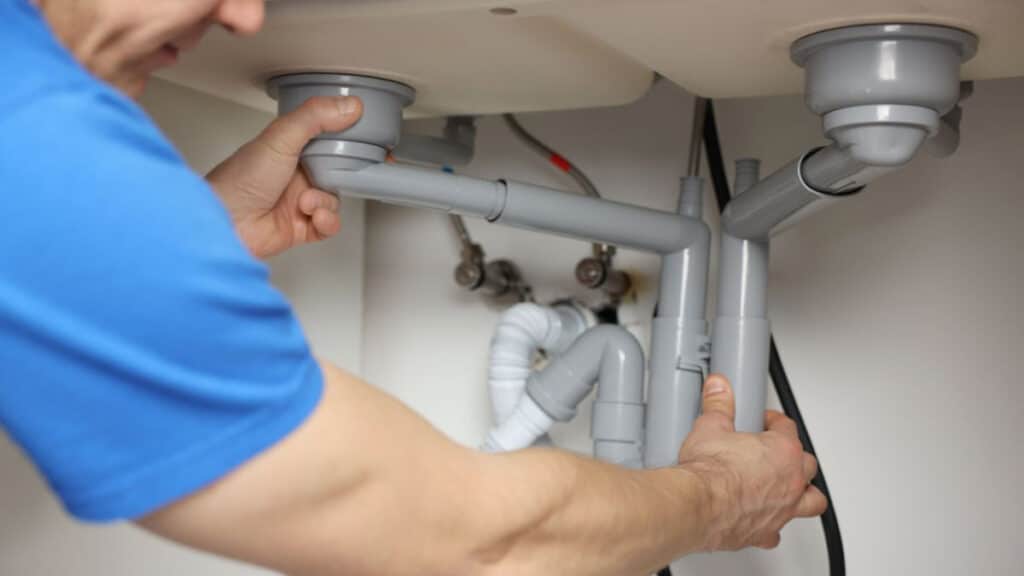
Nine inches is a common depth that balances capacity and under-sink clearance. Deeper bowls lower the drain outlet. If your wall drain stub-out is high, a deeper sink can reduce available slope to the trap. Poor slope can lead to slow drainage and recurring clogs, and corrections may require plumbing changes.
Sound Dampening
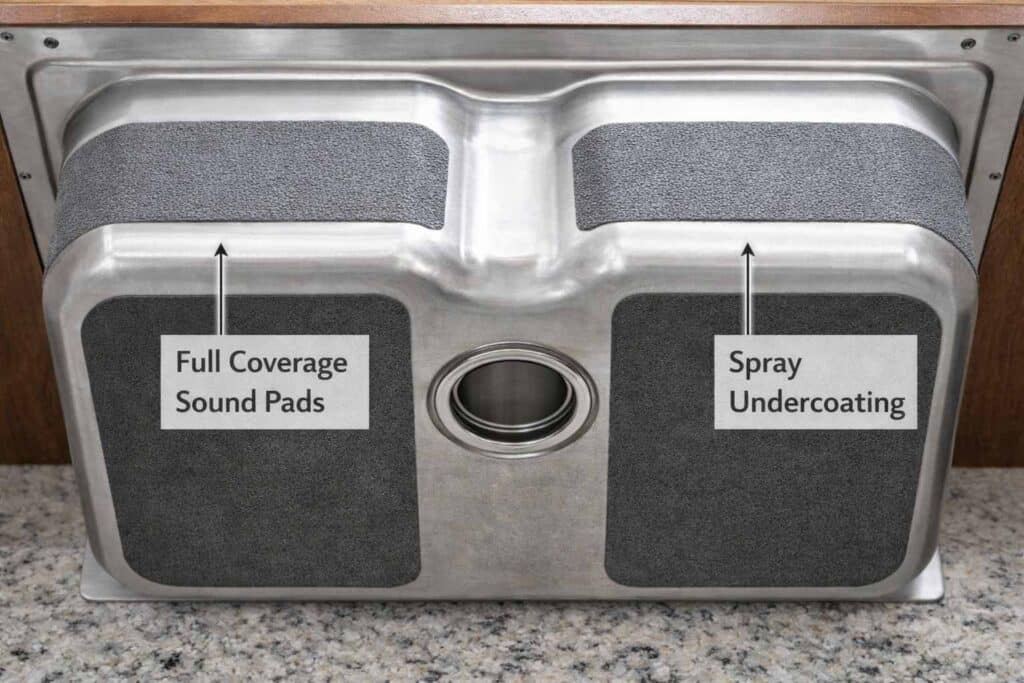
Look for sound pads that cover the sides and bottom of the basin, plus an undercoating layer. Thickness helps, but insulation coverage often determines whether the sink sounds hollow during everyday use.
Flange Design and Sealing

The rim flange is the structural support in a drop-in installation. It must seat flat. Use silicone sealant to create a continuous water barrier. This step is especially important on laminate countertops, where moisture can swell the core and damage the sink base cabinet.
Cabinet Fit
Measure interior cabinet width and front-to-back clearance. Cabinet rails, face frames, and disposal height can reduce usable space. Do not assume all 33-inch cabinets provide identical interior clearance.
Finish and Maintenance
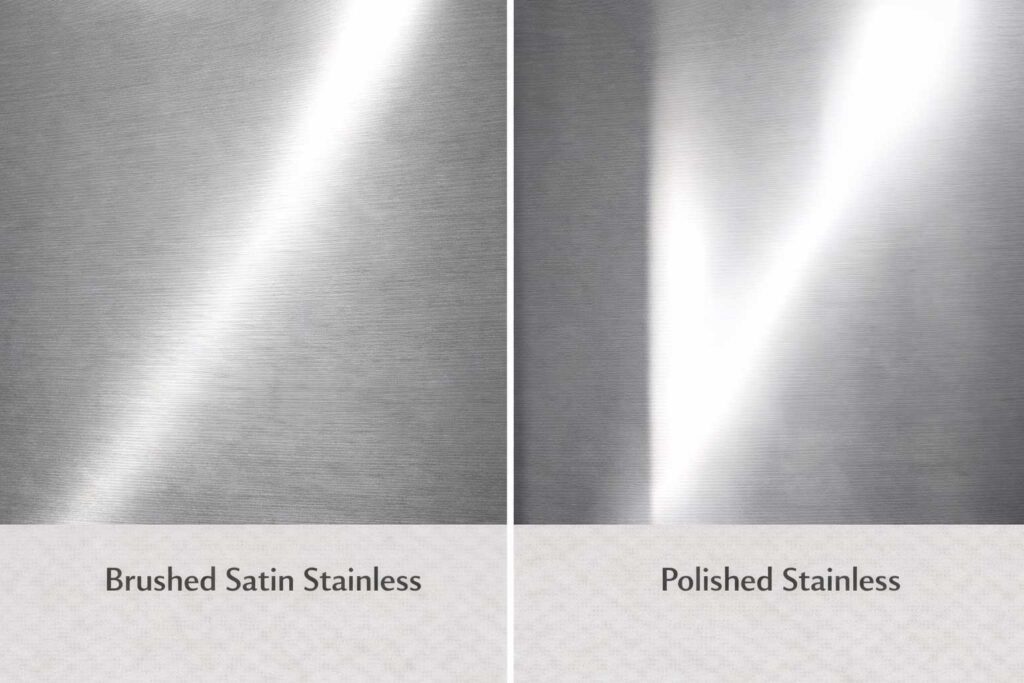
Brushed finishes typically hide scratches better than polished surfaces. Avoid abrasive pads and harsh chemicals. Mild soap and water are sufficient for routine cleaning, and periodic stainless cleaner can help maintain appearance without stripping the protective surface layer.
FAQs
Is 16-gauge always better?
It provides greater rigidity and dent resistance. For heavy-use kitchens, it offers long-term advantages. For light use, 18-gauge can be sufficient when installed correctly.
Does thicker steel mean quieter performance?
It helps, but sound dampening coverage matters just as much. Mass and insulation together reduce resonance and vibration transfer.
Can I replace a drop-in sink without replacing the countertop?
Often yes, if the cutout matches the new sink’s template. If stone or quartz needs resizing, professional fabrication is recommended.
Do stainless steel sinks rust?
Quality T-304 stainless resists corrosion. Discoloration is usually surface staining from external contaminants and can often be removed with appropriate cleaning.
Will a deeper sink affect plumbing?
Possibly. Deeper bowls lower the drain outlet. Verify disposal clearance and confirm your trap can maintain proper slope without forcing an improper configuration.
Verdict / Recommendation
 Verdict / Recommendation
For most homeowners, the UFaucet 16-gauge 60/40 model offers the best balance of structural durability and everyday functionality, especially in retrofit installations where cabinet and countertop constraints drive the decision.
For cost-controlled upgrades and rental properties, the KRAUS Fairlane 18-gauge sink delivers reliable performance when installed with careful sealing and realistic expectations about noise and dent resistance.
For high-use kitchens where rigidity and long-term stability are priorities, the SHACO 16-gauge 50/50 model is a durable choice that favors structural performance over accessory features.
Before ordering, measure the cabinet interior width, compare cutout templates, and confirm under-sink clearance for the trap and disposal. In sink replacements, fit and sealing matter as much as the sink itself. Choosing construction quality first is the most reliable path to long-term performance.