

Kitchen worktops, commonly called countertops in the United States, are made from natural stone, engineered composites, wood products, metal, or cement-based materials. On the surface, many options appear similar. In practice, their internal composition determines how they handle heat, moisture, weight, impact, and long-term wear.
Homeowners often choose based on color samples in a showroom. Problems typically appear later, when a hot pan leaves a mark, a sink cutout cracks, or cabinet frames begin to sag under excessive weight. Understanding what a worktop is made of allows you to evaluate structural compatibility, maintenance commitment, and long-term cost before installation.
This guide explains the material science behind common kitchen worktops, where each performs well, where it fails, and when professional fabrication is necessary.
What Are the Different Types of Kitchen Worktops?
Most kitchen worktops fall into five categories: natural stone, engineered quartz, solid surface composites, laminate systems, and specialty materials such as wood, concrete, and stainless steel.
Each category differs in density, rigidity, porosity, repairability, and weight. Those differences influence cabinet requirements, seam durability, heat tolerance, and resale expectations.
Natural Stone Worktops
Natural stone slabs are quarried and cut to size. The most common types in U.S. kitchens are granite, marble, quartzite, and soapstone.

Granite
Granite is an igneous rock composed primarily of quartz, feldspar, and mica. It is dense and heat resistant. Direct contact with hot cookware rarely causes structural damage, which makes it practical near ranges.
Granite is not immune to failure. Cracks often develop at narrow sections, particularly around sink or cooktop cutouts, if the cabinets beneath are uneven or unsupported. Granite also requires periodic sealing. Without sealing, oils can penetrate microscopic pores and cause dark staining.
Marble
Marble consists largely of calcite, which reacts chemically with acids. Lemon juice, vinegar, and tomato products can etch the surface within minutes. Etching is not staining. It is surface dulling caused by a chemical reaction.
Marble performs best in kitchens where aesthetics outweigh heavy-duty cooking demands. In high-use kitchens, it requires acceptance of visible wear.
Quartzite
Quartzite is a natural stone formed from sandstone under intense heat and pressure. It is harder than marble and often more resistant to scratching. It still requires sealing because it remains porous.
Quartzite is frequently confused with engineered quartz. The names are similar, but quartzite is entirely natural stone.
Soapstone
Soapstone contains talc and is naturally nonporous. It does not require sealing. It scratches more easily than granite, but scratches can often be sanded and blended with mineral oil. For homeowners comfortable with patina, soapstone can age gracefully.
Structural Considerations for Natural Stone
A typical 3cm slab weighs approximately 18 to 25 pounds per square foot. A large island can exceed several hundred pounds. Cabinets must be level, properly fastened to walls, and structurally sound. Stone does not flex to compensate for uneven support. Settlement or cabinet twist can lead to cracking, especially at cutouts.
Professional templating is strongly recommended for stone due to weight, precision requirements, and silica dust hazards during fabrication.
Engineered Stone Quartz Worktops
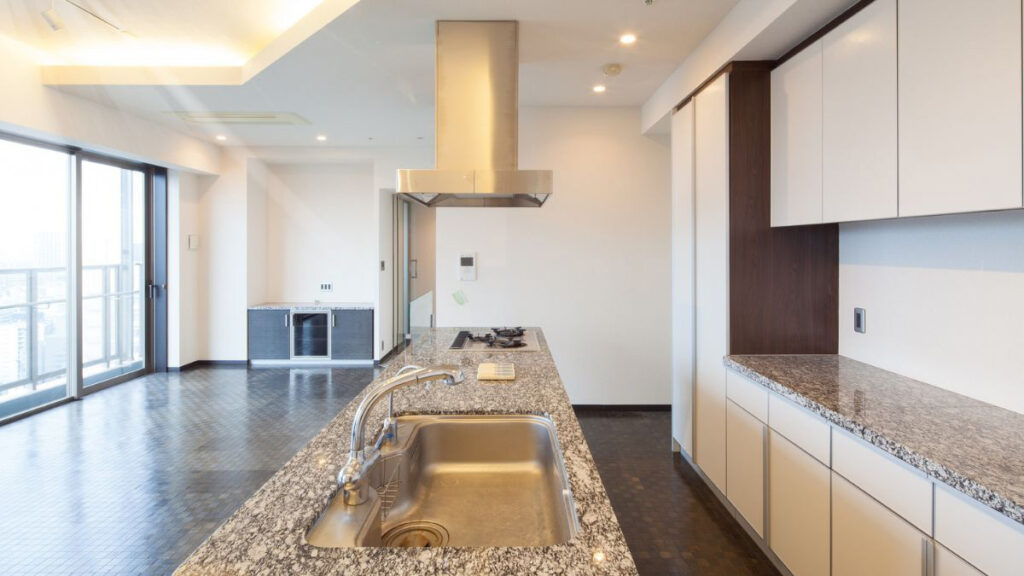
Engineered quartz is manufactured from crushed natural quartz combined with polymer resins and pigments. The mixture is compressed into slabs under high pressure.
Quartz is nonporous and does not require sealing. Its uniform structure makes seam alignment more predictable than natural stone.
However, the resin component changes performance characteristics. Quartz is less tolerant of extreme heat than granite. Direct placement of a hot cast iron pan can cause resin discoloration or cracking. Heat damage is not repairable in most cases.
Quartz failures often occur at stress points. Thin sections near sinks, unsupported dishwasher gaps, or long overhangs without bracing can lead to cracking. These failures are typically structural, not material defects.
Quartz fabrication produces respirable crystalline silica. OSHA regulations require wet cutting and dust control systems. Fabrication should be performed in a controlled environment, not inside a residence.
What Is Better 30mm or 20mm Quartz Worktop?
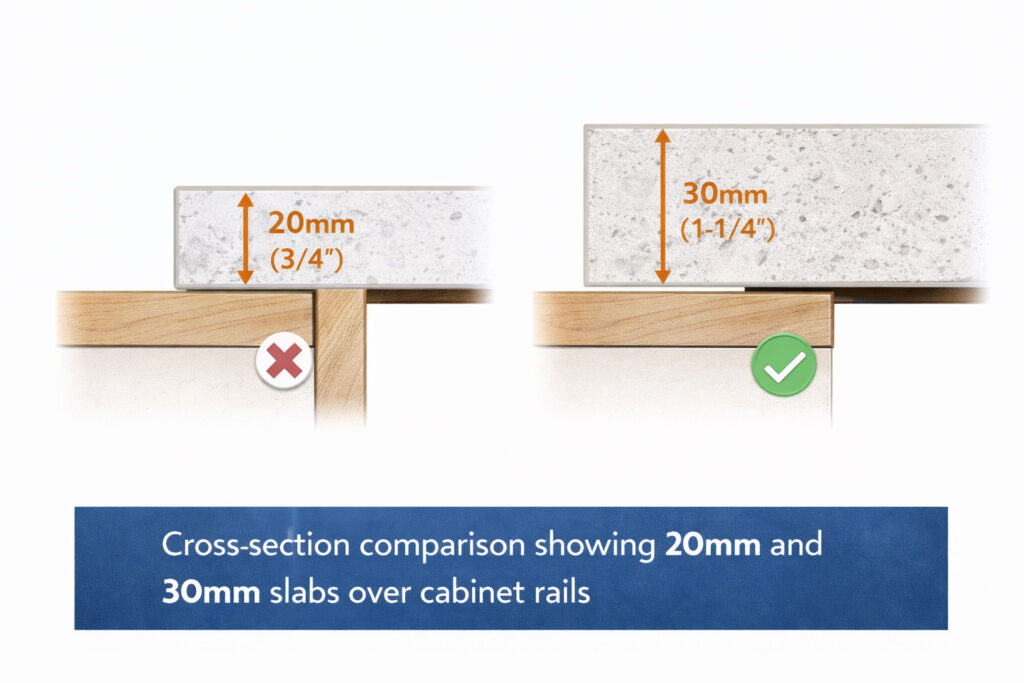
Quartz is typically fabricated in 20mm and 30mm thicknesses. Thickness affects rigidity, deflection, and support requirements.
A 30mm slab is more rigid and distributes load more effectively across cabinet rails. It generally allows unsupported overhangs of up to 10 to 12 inches, depending on manufacturer guidelines. In most U.S. markets, 30mm is preferred because it reduces the need for plywood underlayment.
A 20mm slab is lighter and may reduce material cost. However, it commonly requires plywood support beneath the slab to increase stiffness. Without proper reinforcement, deflection can occur at sink cutouts or seating overhangs. Flexing over time increases crack risk.
Waterfall edges and large islands benefit from 30mm thickness due to torsional stress at vertical transitions. For smaller kitchens with continuous cabinet support, reinforced 20mm slabs can perform adequately.
The decision should be based on cabinet construction, span distances, and overhang design, not appearance alone.
What Are Solid Surface Worktops?
Solid surface worktops are composed of acrylic or polyester resins blended with mineral fillers. Sheets are fabricated and chemically bonded at seams.
The primary advantage is repairability. Surface scratches and minor burns can often be sanded out because the color extends through the material. Seams can be nearly invisible when professionally bonded.
Solid surface is less rigid than stone. It requires full cabinet support and can sag if improperly installed. It is also heat sensitive. Direct contact with hot cookware can cause permanent deformation.
Integrated sinks are common in solid surface installations. Because seams are chemically fused, professional fabrication is recommended for larger layouts to ensure long-term seam integrity.
What Is Laminate Worktop Made Of?
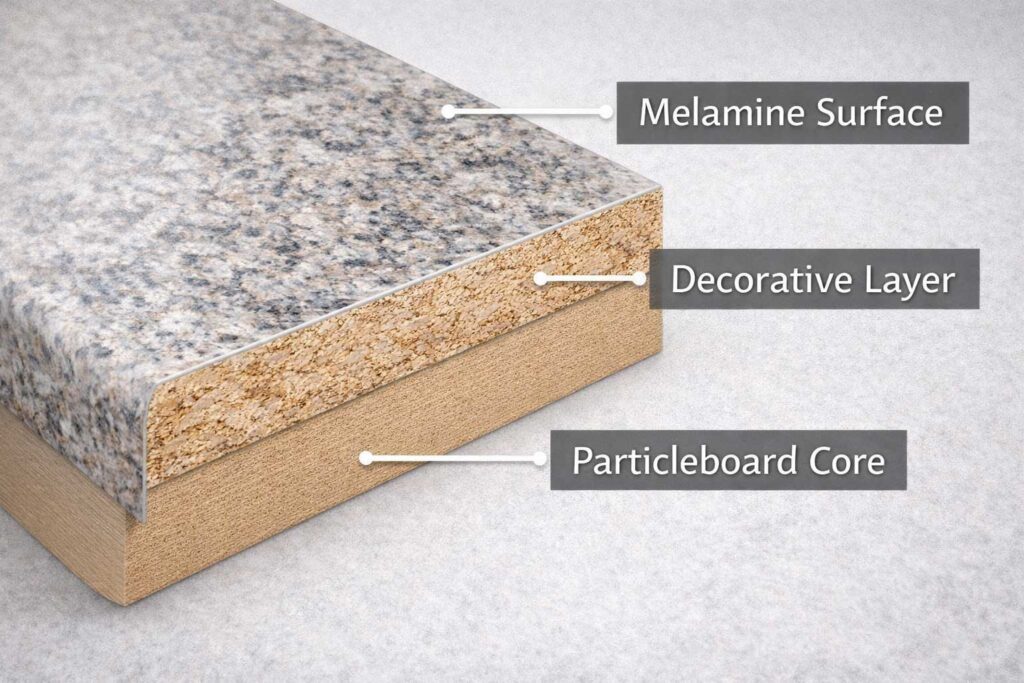
Laminate worktops consist of a particleboard or medium density fiberboard core topped with a decorative layer and protected by a melamine wear surface.
The core provides structural shape. The top layer provides appearance and surface resistance. The weakness of laminate is moisture intrusion at seams and cut edges. When water reaches the core, swelling occurs and cannot be reversed.
Failure commonly begins around sink cutouts. Proper sealing of exposed substrate with silicone or waterproof sealant significantly extends service life.
Laminate is lightweight and suitable for DIY installation when measurements are precise. In rental properties, replacement cost is often lower than stone repair, which can make laminate practical despite shorter lifespan.
What Is Postformed Worktop?
Postformed laminate is manufactured by wrapping the laminate layer over a rounded front edge using heat and pressure. This eliminates the front seam found on square-edge laminate.
The rounded edge reduces moisture penetration at the front profile. However, design flexibility is limited because edge shapes are factory formed.
Postformed systems are common in production housing due to cost control and simplified fabrication.
Butcher Block and Wood Worktops
Wood worktops are made from laminated hardwood strips. Maple, oak, walnut, and birch are common species in the United States.
Wood moves with humidity changes. Installation must allow for seasonal expansion and contraction. Rigid fastening can cause splitting or warping.
Oil finishes require periodic reapplication but allow spot refinishing. Film finishes provide greater short-term moisture protection but are more difficult to repair when damaged.
Wood performs well on islands or dry prep areas. Around sinks, frequent maintenance is required to prevent dark staining and joint separation.
Concrete Worktops
Concrete countertops are composed of cement, aggregates, water, and reinforcement such as steel mesh or fibers. They can be precast or cast in place.
Concrete is heavy and brittle in tension. Reinforcement controls cracking but does not eliminate it entirely. Hairline cracks are common and often cosmetic.
Improper curing leads to shrinkage cracks and reduced strength. Professional fabrication improves consistency in reinforcement placement and curing conditions.
Concrete must be sealed to reduce staining. Sealers require periodic maintenance depending on usage.
Stainless Steel Worktops

Stainless steel worktops are fabricated from formed steel sheets over a structural substrate. They are nonporous, heat resistant, and hygienic.
Scratching is inevitable over time. The finish can mask minor wear but will develop a patina. Sound dampening material beneath the steel reduces noise from cookware impact.
Stainless steel is well suited for high-use kitchens and commercial-style designs.
Stainless Steel Worktop Overlay
A stainless steel overlay is a thin steel sheet installed over an existing countertop. This approach avoids full demolition.
The existing surface must be flat and firmly attached. Uneven substrates can cause visible waviness. Adhesive application must be uniform to prevent movement.
Professional fabrication ensures tight seams and proper edge finishing.
Comparing Kitchen Worktop Materials by Performance
Durability varies significantly. Granite and quartz resist scratching better than laminate. Marble is vulnerable to acid etching. Solid surface can be repaired but dents more easily than stone.
Heat resistance is strongest in granite and stainless steel. Quartz and solid surface are more susceptible to thermal damage due to resin content.
Water resistance depends on porosity and seam quality. Quartz and stainless steel resist absorption. Natural stone requires sealing. Laminate and wood rely heavily on edge protection.
Repair complexity also differs. Solid surface can often be refinished. Laminate damage usually requires replacement. Stone crack repair is possible but may remain visible.
Lifecycle cost should include maintenance, repair probability, and replacement difficulty, not just initial installation price.
Thickness, Edges, and Structural Considerations
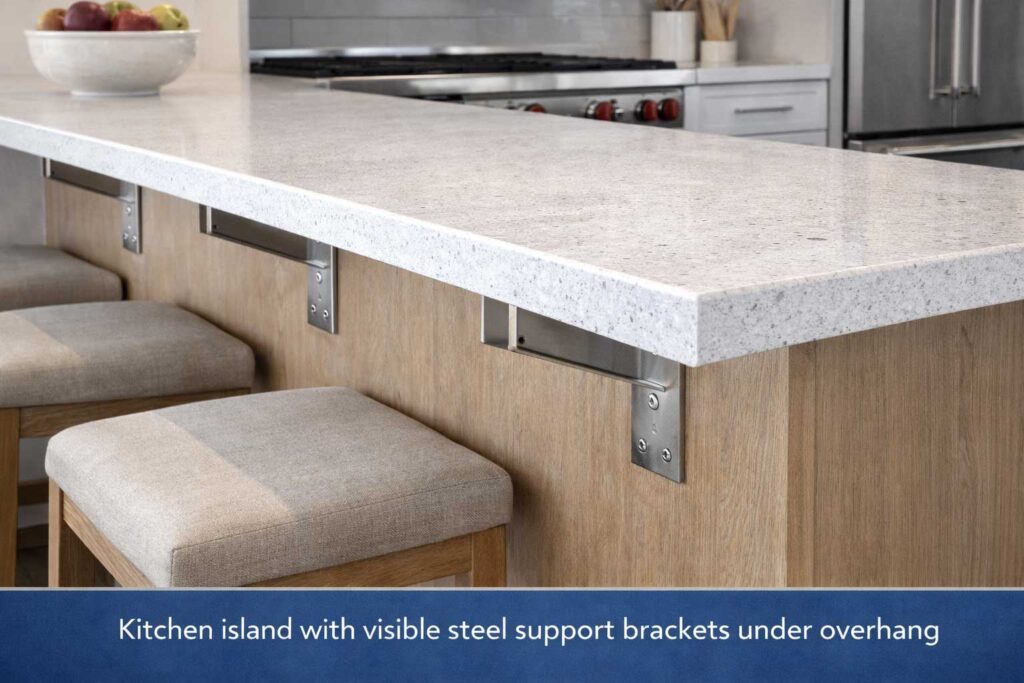
Thickness influences stiffness and load distribution. Stone and quartz are commonly fabricated at 30mm in the U.S. market because it reduces the need for additional reinforcement.
Unsupported overhangs beyond 10 to 12 inches typically require brackets or corbels. Island seating areas concentrate weight at the edge, increasing bending stress.
Complex edge profiles remove material from the slab edge and can weaken thin sections. Simple eased edges are more durable and less prone to chipping.
Cabinets must be level before templating. Even minor deviations can create stress concentrations once heavy stone is installed.
Choosing the Right Worktop for Your Situation
For primary residences, durability and maintenance tolerance should guide selection. Households that cook frequently benefit from materials with higher heat tolerance and stain resistance.
Rental properties often prioritize cost control and predictable replacement cycles. Laminate and solid surface may reduce repair expense compared to premium stone.
In higher-value resale markets, engineered quartz and granite are commonly expected. However, material selection should align with neighborhood standards to avoid overspending.
DIY installation is generally appropriate for laminate and some wood worktops. Stone, quartz, concrete, and complex solid surface layouts require professional fabrication due to weight, precision, and safety concerns.
Installation Considerations and Code Awareness
Cabinet frames must be securely anchored and capable of supporting concentrated loads. Weak cabinet rails are a common cause of countertop cracking.
Countertop replacement can affect electrical outlet placement. The National Electrical Code requires proper receptacle spacing and GFCI protection along kitchen countertop surfaces.
Undermount sinks require mechanical fastening in addition to adhesive bonding. Failure to support sink weight can lead to separation over time.
Silica dust generated during quartz and stone cutting is hazardous. Professional fabrication environments use wet cutting and dust control systems to reduce exposure.
Clearances around cooktops and ranges must follow manufacturer specifications to maintain fire safety.
Final Decision Framework
Select material based on structural compatibility, maintenance expectations, and realistic usage patterns. Confirm cabinet condition before installing heavy materials.
Consider how much maintenance you are willing to perform. Sealing schedules, refinishing, and cleaning limitations vary by material.
Align the worktop with property type and market expectations. Long-term performance depends on composition, thickness, proper support, and quality installation.
Understanding what kitchen worktops are made of allows you to anticipate how they will perform over time. Informed decisions reduce the risk of structural problems, premature wear, and costly replacement.