
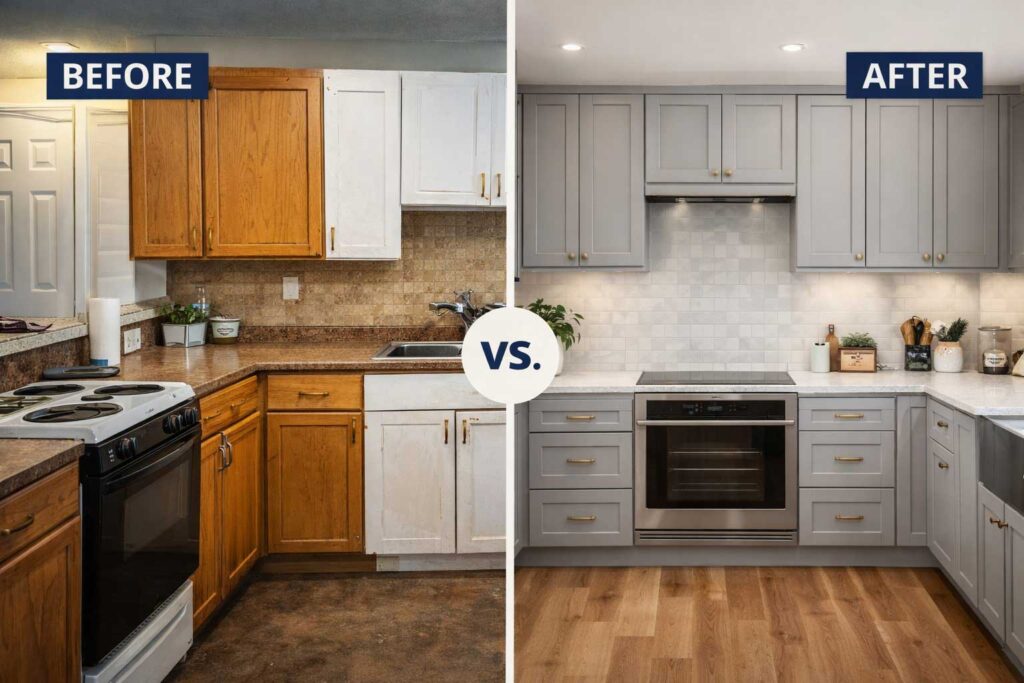
Remodeling your kitchen can transform the heart of your home, improving its functionality, aesthetics, and value. However, understanding the costs involved is crucial before embarking on a kitchen renovation project. In this guide, we’ll break down the typical costs of a full kitchen remodel, highlight common mistakes homeowners make, and explain when professional help is necessary to ensure the project stays on track and within budget.
Why Remodel Your Kitchen?

Improve Functionality and Layout
One of the primary reasons for remodeling a kitchen is to improve its functionality. Whether it’s optimizing the layout for better workflow, increasing counter space, or upgrading appliances, a remodel can make everyday tasks more efficient. For example, reorganizing the work triangle—the stove, sink, and refrigerator—can streamline meal prep and cleaning, saving you time and effort.
Boost Home Value
A kitchen remodel is a reliable way to increase the value of your home. Kitchens are often a key selling point for potential buyers. Even modest upgrades, like new countertops or updated appliances, can make your home more attractive and justify a higher asking price. Homeowners can expect an ROI (return on investment) of up to 80-90%, depending on the scope of the remodel and market conditions.
Aesthetic Enhancements
Beyond functionality, a kitchen remodel provides an opportunity to refresh the space’s appearance. Replacing worn-out countertops, installing modern backsplashes, or upgrading flooring can completely change the look and feel of the room. Even small changes—like updating cabinet hardware or painting the walls—can make a noticeable difference without breaking the bank.
Understanding Average Kitchen Remodeling Costs
Average Full Kitchen Remodel Cost
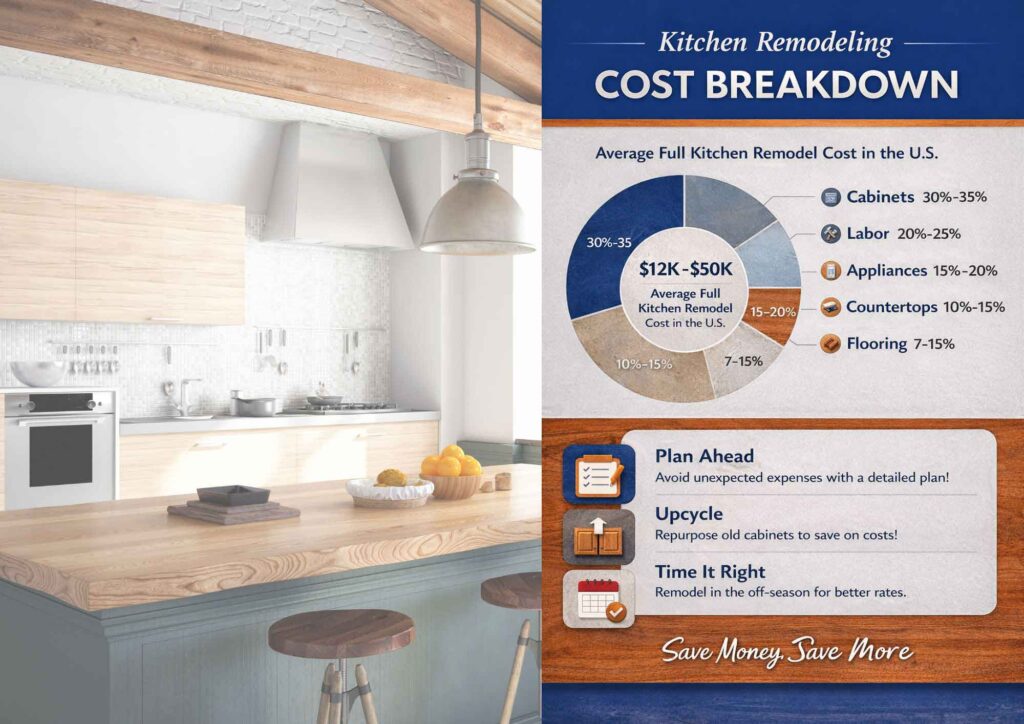
The typical cost of a full kitchen remodel in the U.S. ranges from $12,000 to $50,000, with the national average falling between $25,000 and $35,000. The cost varies based on the size of the kitchen, materials selected, and the scope of work involved. For example, a full remodel that includes new cabinets, countertops, flooring, appliances, and lighting will generally fall within this price range.
Factors Influencing Cost
- Location: Labor and material costs vary by region. Homeowners in urban areas tend to pay higher rates than those in rural regions.
- Kitchen Size: A larger kitchen requires more materials, labor, and time, leading to higher costs.
- Material Choices: High-end materials, like custom cabinetry or luxury countertops, will increase costs significantly. For instance, quartz or granite countertops can cost up to $150 per square foot, while laminate may be as low as $20 per square foot.
Kitchen Facelift vs. Full Remodel
What is a Kitchen Facelift?
A kitchen facelift is a cost-effective alternative to a full remodel. It involves superficial changes—such as repainting cabinets, replacing hardware, and updating countertops or backsplashes—that improve the space’s appearance without altering the layout. This approach is ideal for homeowners looking to refresh their kitchen on a budget.
Average Cost of a Kitchen Facelift
The cost of a kitchen facelift generally ranges from $3,000 to $12,000, depending on the upgrades. For example, repainting cabinets and installing a new backsplash can cost between $1,000 and $4,000, while replacing countertops and updating lighting may push the price higher.
What Makes a Full Remodel Different?
A full remodel, on the other hand, involves comprehensive changes to the space, including shifting the layout, replacing plumbing or electrical systems, and potentially removing walls. This type of renovation can cost anywhere from $20,000 to $50,000, depending on the materials and labor involved.
Cost to Completely Remodel a Kitchen
A complete kitchen remodel often includes significant structural changes, such as moving walls or installing new plumbing and electrical systems. For example, tearing down a wall to create an open-concept kitchen or replacing all appliances with high-end models can drive up the cost to $50,000 or more.
Cost Breakdown for Kitchen Remodeling
Cabinets
Cabinets make up a significant portion of the remodel budget. Stock cabinets can cost around $3,000 to $5,000, while semi-custom options range from $5,000 to $10,000. Custom cabinets, which are tailored to your specifications, can run from $10,000 to $15,000 or more.
Countertops
Countertops vary widely in cost depending on the material. Budget-friendly options like laminate can cost $20 per square foot, while mid-range materials like granite or quartz typically cost between $50 and $150 per square foot. For instance, a 50-square-foot granite countertop might cost between $2,500 and $7,500.
Appliances
Replacing kitchen appliances can add significant cost to a remodel. Mid-range appliances, such as refrigerators, dishwashers, and ovens, typically cost between $1,000 and $3,000 each. High-end models, however, can exceed $5,000.
Flooring
Flooring options vary in price depending on the material. Ceramic tile generally costs between $3 and $7 per square foot, while hardwood flooring can range from $5 to $12 per square foot. For example, installing hardwood floors in a 200-square-foot kitchen may cost between $1,000 and $2,400.
Labor and Design Fees
Labor costs for contractors typically range from $50 to $150 per hour. Professional designers charge between $500 and $2,000 for their services, depending on the complexity of the design and the size of the kitchen.
DIY vs. Hiring Professionals: What’s the Best Option?
When to DIY
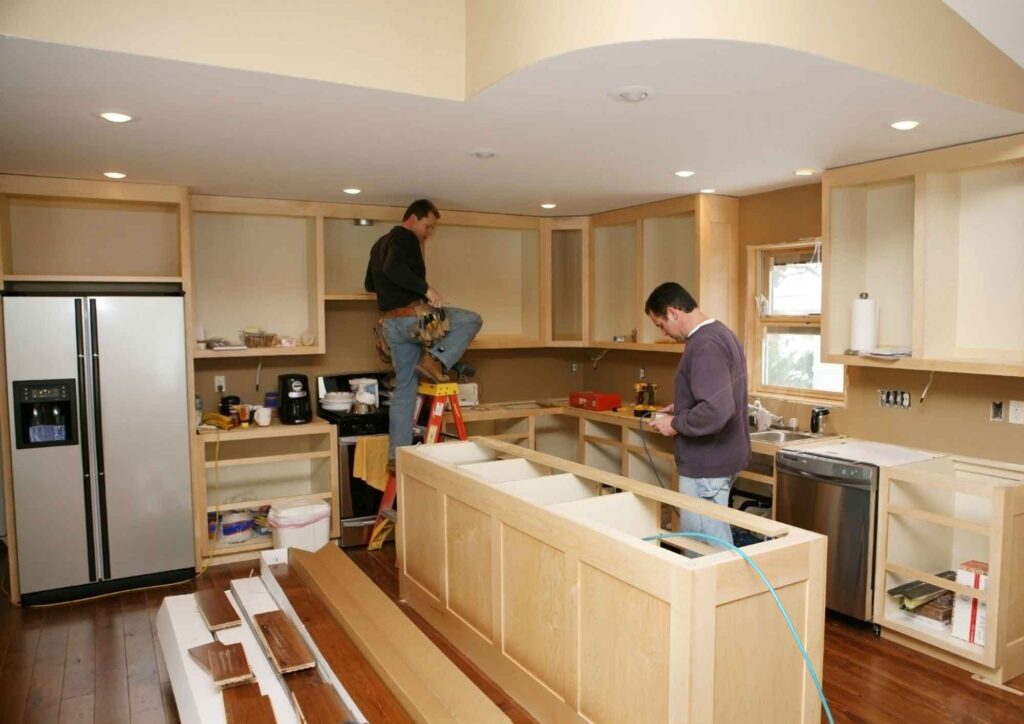
DIY projects are best suited for tasks that require minimal technical expertise. For instance, painting cabinets or installing a new backsplash can be done relatively easily and affordably, with costs generally ranging from $100 to $500. DIY is also suitable for small updates like replacing hardware or installing under-cabinet lighting.
When to Hire a Professional
Certain aspects of a kitchen remodel should be left to professionals to ensure safety and code compliance. These include tasks like moving plumbing lines, upgrading electrical wiring, or installing new appliances. For example, any electrical work—such as adding outlets or rewiring—requires a licensed electrician to meet safety standards.
Cost Comparison
While DIY can save money, it often requires significant time and effort. Hiring professionals, though more expensive, ensures quality work, adherence to building codes, and timely completion. In many cases, the long-term benefits of professional work outweigh the upfront savings of DIY.
How to Save on Kitchen Remodeling Costs

Smart Budgeting Tips
Start by setting a realistic budget and prioritize what’s most important. For instance, if you’re on a tight budget, focus on the functionality of the kitchen—upgrading appliances and improving the layout—rather than high-end finishes like custom cabinets or luxury countertops. Planning ahead will help prevent overspending.
Upcycling and Repurposing Materials
Repurposing existing materials can save a significant amount. For example, refinishing cabinets or installing a new countertop over an existing one instead of replacing it can save thousands of dollars.
Off-Peak Season Remodeling
Remodeling during the off-season (typically in the fall or winter) can help you save on both materials and labor costs. Contractors often have more availability during these months, and some suppliers offer discounts, reducing overall costs.
Common Mistakes to Avoid in Kitchen Remodeling
Over-Improving for the Neighborhood
When remodeling, it’s important to keep your home’s value in mind. Overspending on high-end finishes that don’t match the neighborhood’s standards could result in poor ROI when it comes time to sell. For example, investing $50,000 in a kitchen remodel in a $200,000 home may not increase its market value by the same amount.
Skipping a Detailed Plan
Failing to plan thoroughly can lead to unexpected costs and mistakes. Without a clear design, budget, and timeline, homeowners may find themselves making rushed decisions, resulting in costly changes halfway through the project. It’s essential to work with a designer or contractor who can help you create a comprehensive plan.
Cutting Corners on Important Features
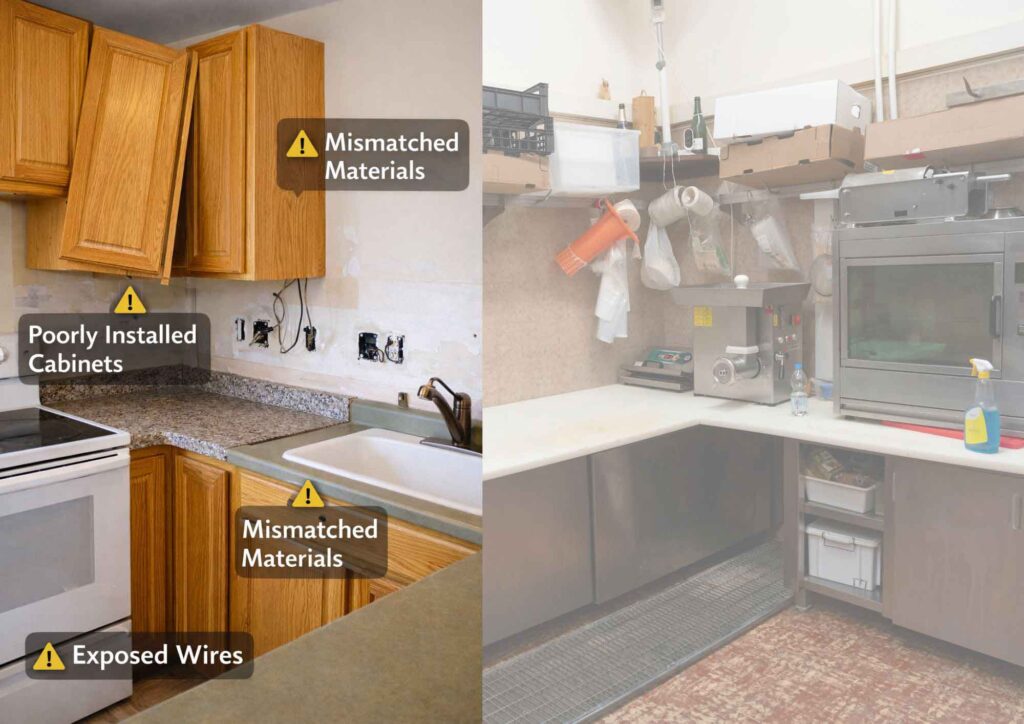
Avoid cutting corners on key elements, such as plumbing or electrical systems. Poor-quality work in these areas can lead to safety hazards, code violations, and costly repairs. Always prioritize quality and safety over short-term savings.
Conclusion
Kitchen remodeling is a significant investment that can greatly enhance the functionality, aesthetics, and value of your home. By understanding the costs involved and making informed decisions, homeowners can achieve their ideal kitchen without breaking the bank. Whether you decide to tackle the project yourself or hire professionals, planning carefully is essential to a successful remodel.
Call to Action

Before starting your kitchen remodel, consider consulting a professional for an in-home estimate. A thorough assessment will help you understand the true costs and ensure your remodel is completed on time, within budget, and to your exact specifications.