
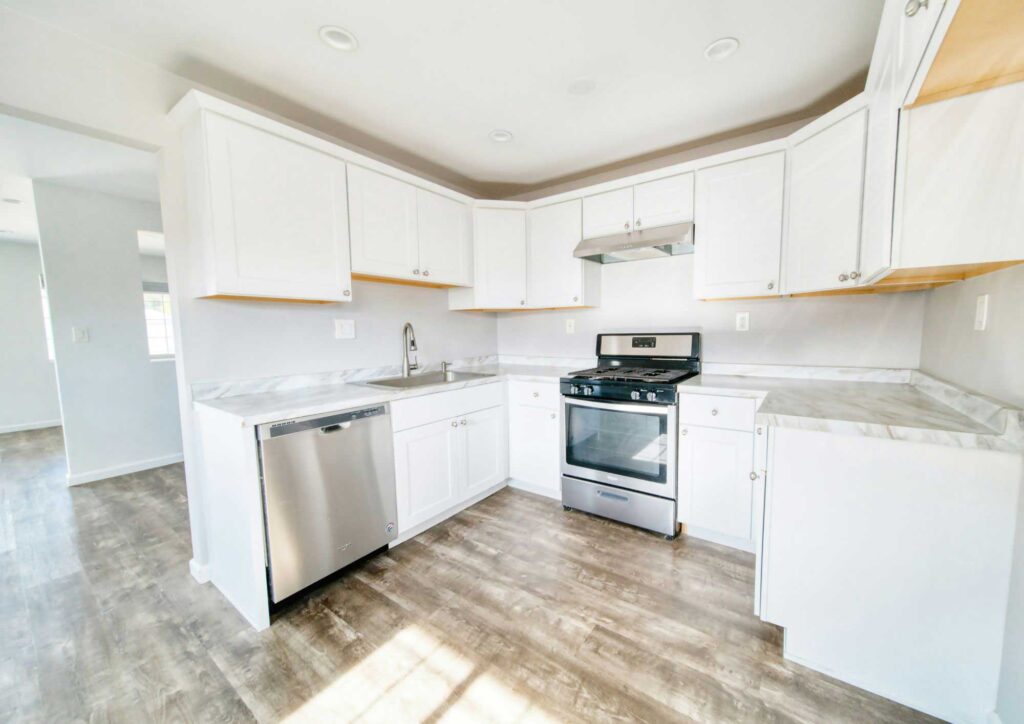
Remodeling your kitchen cabinets and countertops is one of the most effective ways to transform your kitchen’s look and functionality. However, before diving into the project, it’s essential to have a clear understanding of the costs, planning, and work involved. This guide will help you navigate the process, from understanding costs to identifying common mistakes and when to call in professionals. Whether you’re a homeowner, DIY enthusiast, or property investor, this article will provide practical insights for making an informed decision.
Key Considerations Before You Begin Your Kitchen Remodel
Before you start your kitchen remodel, it’s crucial to set realistic expectations about both the scope of work and your budget. Homeowners often underestimate the full cost of a remodel, which includes much more than just purchasing new cabinets and countertops. You’ll need to plan for labor, installation, permits, and any unexpected repairs.
Budget Breakdown
The total cost of remodeling your kitchen depends on several factors, including the size of your kitchen, the materials you choose, and whether you’re handling the work yourself or hiring professionals. For example, the cost of remodeling cabinets and countertops typically ranges between $10,000 and $30,000, but the final price can vary based on your material choices, layout, and labor costs.
DIY vs. Professional Help
DIY can help save money on labor, but certain tasks should always be left to professionals. Installing cabinets and countertops may seem manageable for an experienced DIYer, but plumbing, electrical work, and code compliance require professional expertise. Be sure to assess your skill set before committing to DIY tasks to avoid costly mistakes that could end up surpassing professional installation costs.
Essential Tools and Materials for the Job
A successful kitchen remodel requires the right tools and materials. Here’s what you’ll need to get the job done:
Tools
- Power Tools: A drill, circular saw, and jigsaw are essential for cutting and installing cabinets and countertops. A power sander is helpful for achieving smooth, finished surfaces.
- Hand Tools: You’ll need a tape measure, level, screwdrivers, and clamps. A utility knife and hammer may also be necessary for finer tasks.
- Safety Gear: Gloves, goggles, and ear protection are important for safety when using power tools or working with heavy materials.
Materials
- Cabinets: Plywood, MDF (Medium Density Fiberboard), and solid wood are common cabinet materials. The choice of material will depend on your budget and aesthetic preferences.
- Countertops: Common options include granite, quartz, laminate, and butcher block, each varying in price and complexity of installation.
- Adhesives and Fasteners: Use quality adhesives to secure countertops and screws to install cabinets. The right fasteners are critical to ensure stability and safety, particularly for heavy countertops.
Step-by-Step Guide to Remodeling Your Kitchen Cabinets and Countertops

A kitchen remodel can feel overwhelming, but breaking it down into clear steps will make the process manageable. Here’s a straightforward guide to help you with each phase of the remodel:
Step 1: Preparing Your Space for the Remodel
Begin by removing the old cabinets and countertops. This includes disconnecting plumbing, electrical fixtures, and clearing the workspace. Protect your floors with drop cloths or plastic sheeting to prevent damage. Preparing the kitchen properly will make the installation of new materials smoother and reduce potential issues.
Step 2: Installing New Cabinets
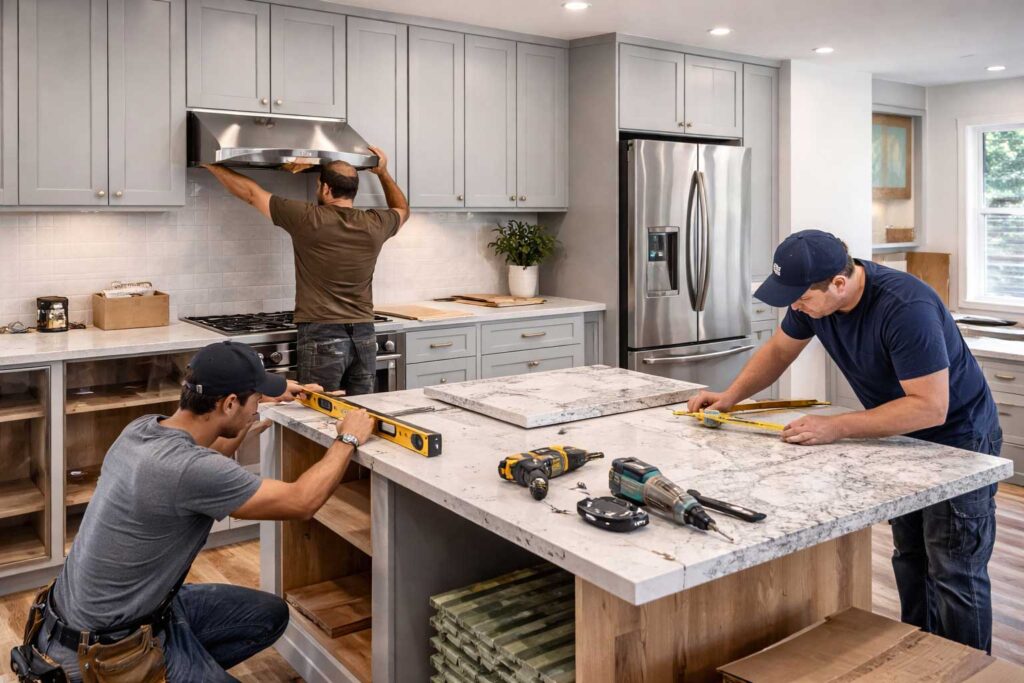
Accurate measurements are crucial when installing new cabinets. Start with the upper cabinets and ensure they are level before securing them to the wall studs. Once the upper cabinets are in place, install the lower cabinets. Make sure each unit is aligned and firmly secured to avoid any issues down the road.
Step 3: Installing and Securing Your Countertops
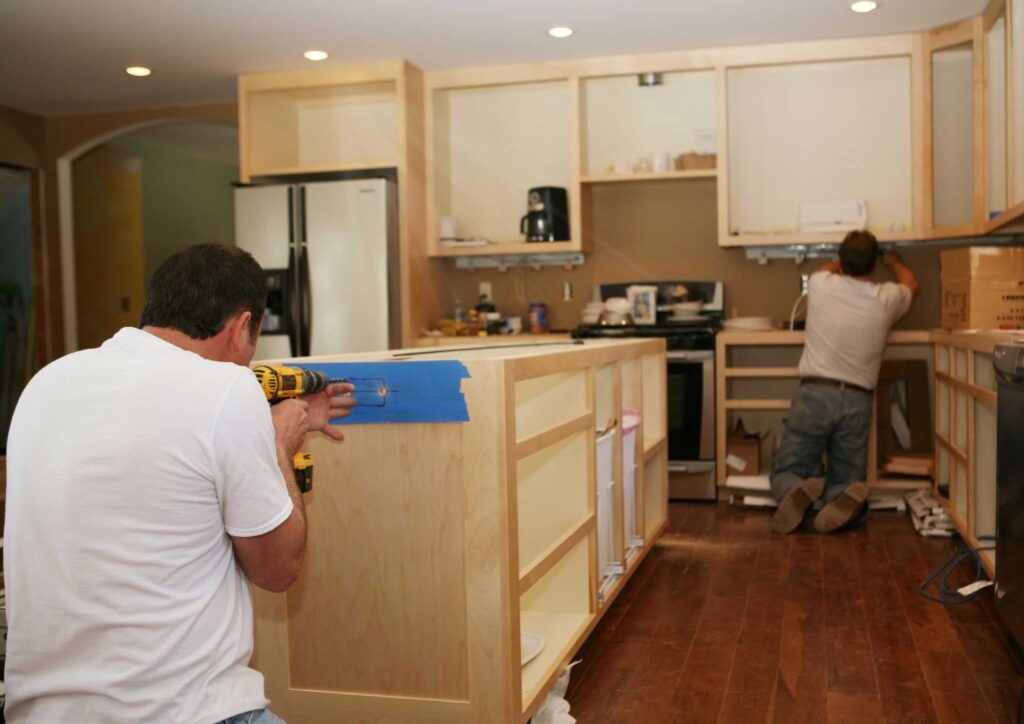
Once the cabinets are securely installed, you can proceed with the countertops. If you’re working with heavy materials like granite or quartz, it may be necessary to bring in professional help for cutting and lifting. After the countertops are in place, seal the edges to prevent water damage and ensure long-term durability.
Common Pitfalls to Avoid During Your Remodel
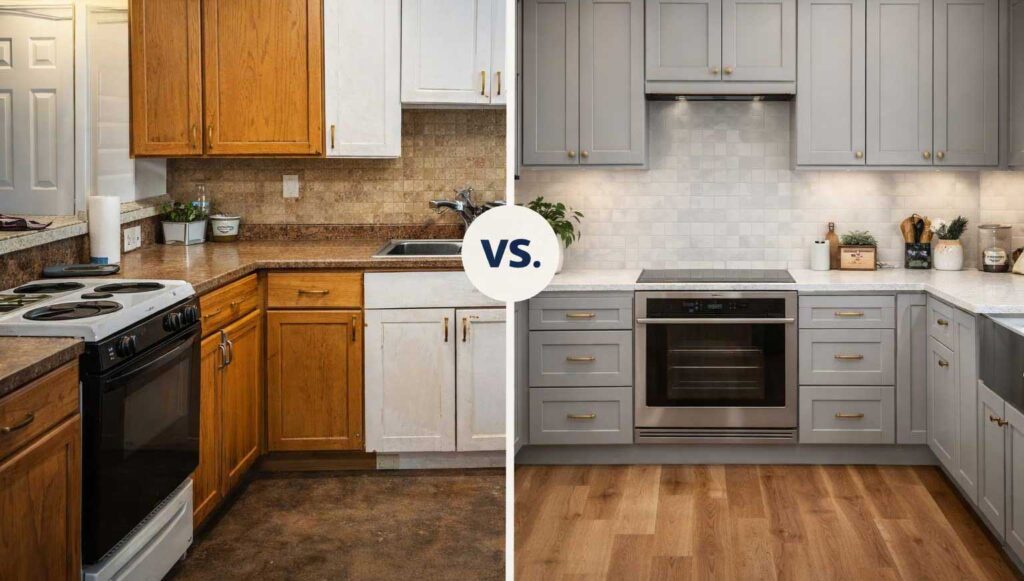
Avoid these common mistakes to keep your remodel on track and within budget:
Underestimating Total Costs
Many homeowners focus only on the price of materials and forget to account for labor, installation, permits, and potential repairs. Unexpected issues, such as outdated plumbing or electrical work, can quickly drive up the cost. Always set aside a contingency budget for unforeseen expenses.
Choosing Low-Quality Materials
Opting for cheaper materials might save money upfront but can lead to problems later on. For example, low-end countertops may scratch easily or discolor over time, leading to costly repairs or replacements. Consider investing in quality materials that will stand the test of time.
Inaccurate Measurements
Accurate measurements are critical to the success of your remodel. Incorrect measurements can result in ill-fitting cabinets or countertops, requiring costly replacements or modifications. Double-check your measurements and ensure they align with your plans before purchasing materials.
Important Safety Guidelines and Code Requirements
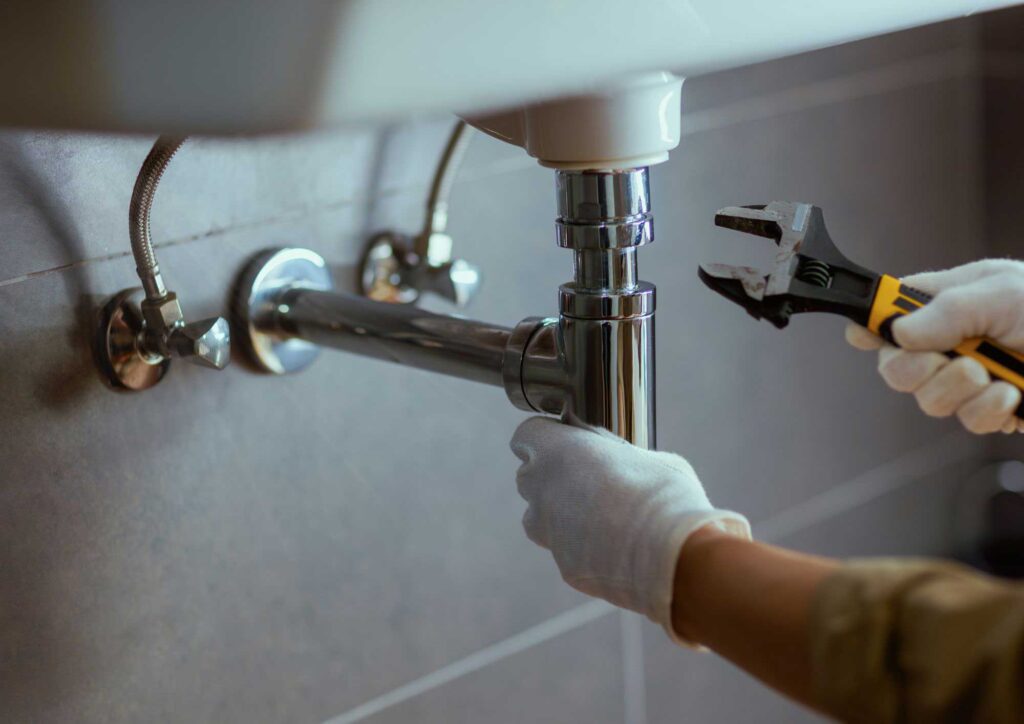
Safety should always be a priority during your kitchen remodel. Here are some key considerations:
Electrical Work
If you need to move electrical outlets or install new appliances, hiring a licensed electrician is crucial. Poorly installed electrical systems can pose a fire risk or fail to meet local building codes. Ensuring proper installation will keep your home safe and compliant.
Plumbing Adjustments
When relocating sinks, dishwashers, or other plumbing fixtures, it’s important to follow local plumbing codes to prevent leaks or water damage. A licensed plumber will ensure that all connections are secure and properly installed.
Ventilation
Good ventilation is essential in the kitchen to maintain air quality and prevent moisture buildup. If you’re adding or upgrading cooking appliances, such as a range hood, ensure it’s installed correctly and meets local code requirements for ventilation.
Frequently Asked Questions (FAQs)
What is the average cost to remodel kitchen cabinets and countertops?
The average cost of remodeling kitchen cabinets and countertops typically ranges from $10,000 to $30,000, depending on your material choices and whether you hire professionals for installation.
How can I save money on my kitchen remodel?
One way to save money is by handling simpler tasks yourself, such as demolition or painting. However, be sure to hire professionals for plumbing and electrical work to ensure safety and code compliance.
How long does it take to remodel kitchen cabinets and countertops?
A typical kitchen remodel can take anywhere from a few weeks to a few months, depending on the complexity of the work and the size of the kitchen.
Final Advice and When It’s Time to Hire a Professional
While DIY can save you money on certain tasks, some aspects of a kitchen remodel should always be left to professionals. Plumbing, electrical work, and installing heavy countertops require expertise to ensure safety and compliance with local building codes. If you’re uncertain about any part of the process, hiring a professional can save you time, money, and frustration in the long run.

In conclusion, planning and budgeting carefully are key to a successful kitchen remodel. By understanding the costs, preparing adequately, and knowing when to call in experts, you can achieve a beautiful, functional kitchen that will add value to your home.