
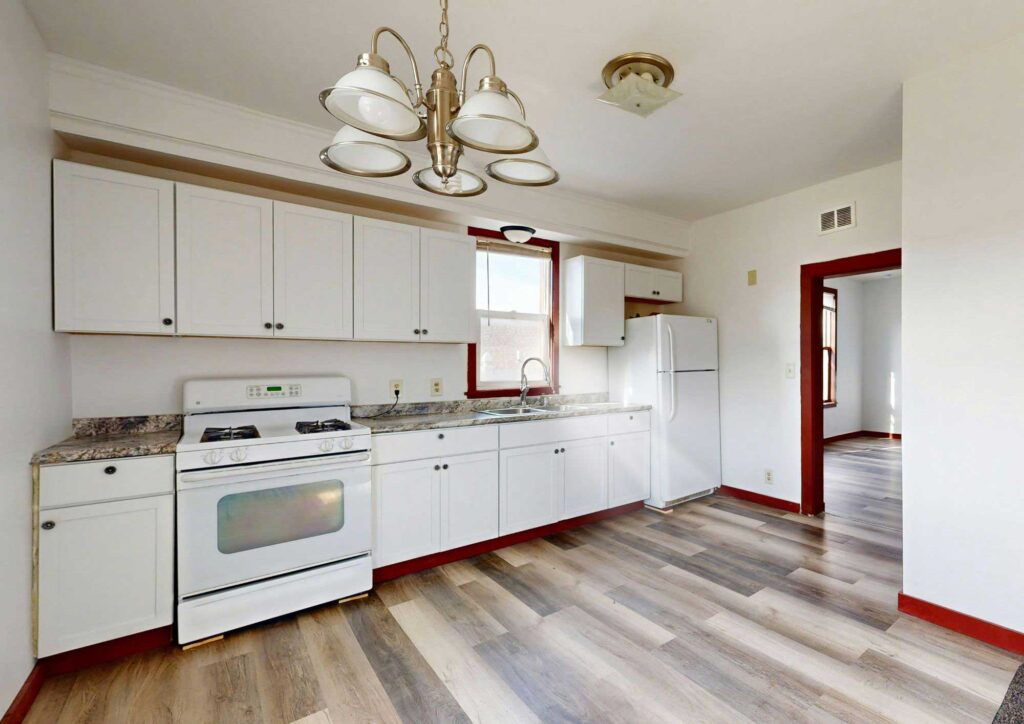
As kitchen remodels continue to rise in popularity, homeowners, DIYers, and property investors are increasingly turning to prefab cabinets as an affordable, practical solution. Whether you’re looking to update an outdated kitchen or increase the resale value of your home, the right cabinets can make a huge impact. Prefabricated cabinets offer a perfect balance of durability, style, and ease of installation, making them an ideal choice for a variety of budgets and needs. In this guide, we’ll explore how to choose the best prefab cabinets for your kitchen remodel, highlighting the essential factors to consider and offering expert advice on avoiding common pitfalls.
Key Considerations Before You Begin
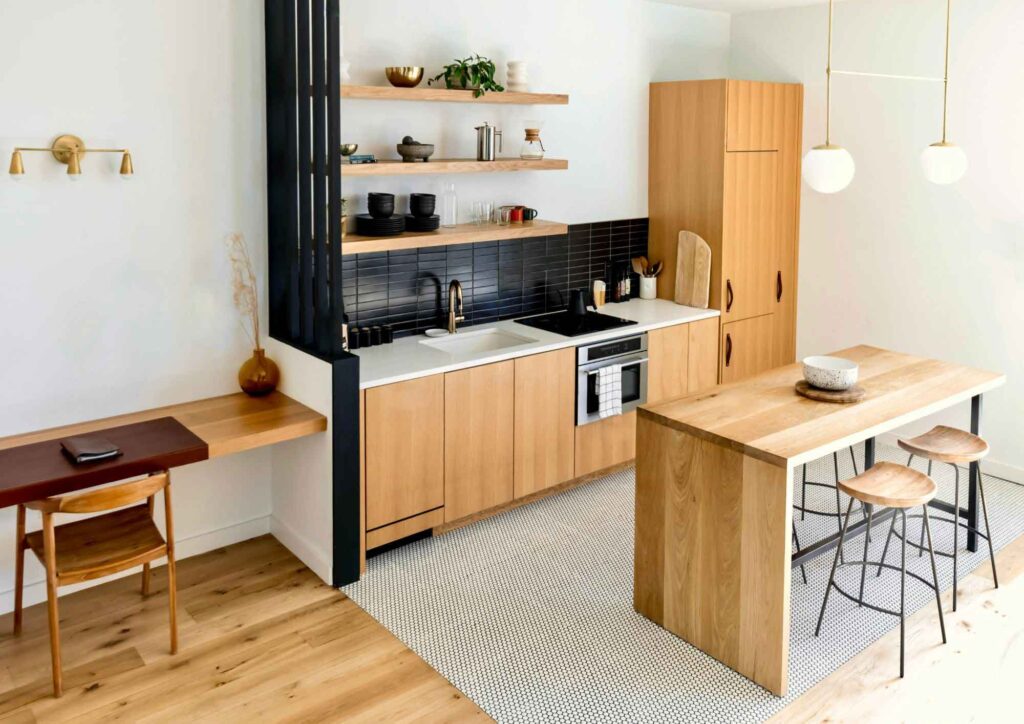
Before selecting the best prefab cabinets for your kitchen, it’s essential to understand the various options available. Prefabricated cabinets are mass-produced in standardized sizes and generally fall into three categories: ready-to-assemble (RTA), pre-assembled, and semi-custom.
- RTA Cabinets: These cabinets require assembly upon delivery. They’re the most budget-friendly option, ideal for DIYers who are looking for savings and don’t mind spending time putting them together.
- Pre-assembled Cabinets: These come ready to install right out of the box. While they are typically more expensive due to the assembly labor, they save valuable time during installation.
- Semi-custom Cabinets: These cabinets offer a bit of flexibility, allowing you to adjust things like the size or finish. They are slightly more expensive than pre-assembled cabinets but still less costly than fully custom-built cabinets.
When selecting the best prefab cabinets, it’s crucial to focus on the materials used. Plywood boxes are generally more durable than particle board or MDF and are highly resistant to warping over time. Solid wood doors provide better longevity and an elegant finish compared to veneer options.
Why does this matter?
Investing in high-quality materials, such as plywood and solid wood, ensures that your cabinets will withstand the wear and tear of daily use, especially in the humid environment of a kitchen. Poor material choices can lead to a shorter lifespan and unsightly damage over time.
Essential Tools & Materials for Installation
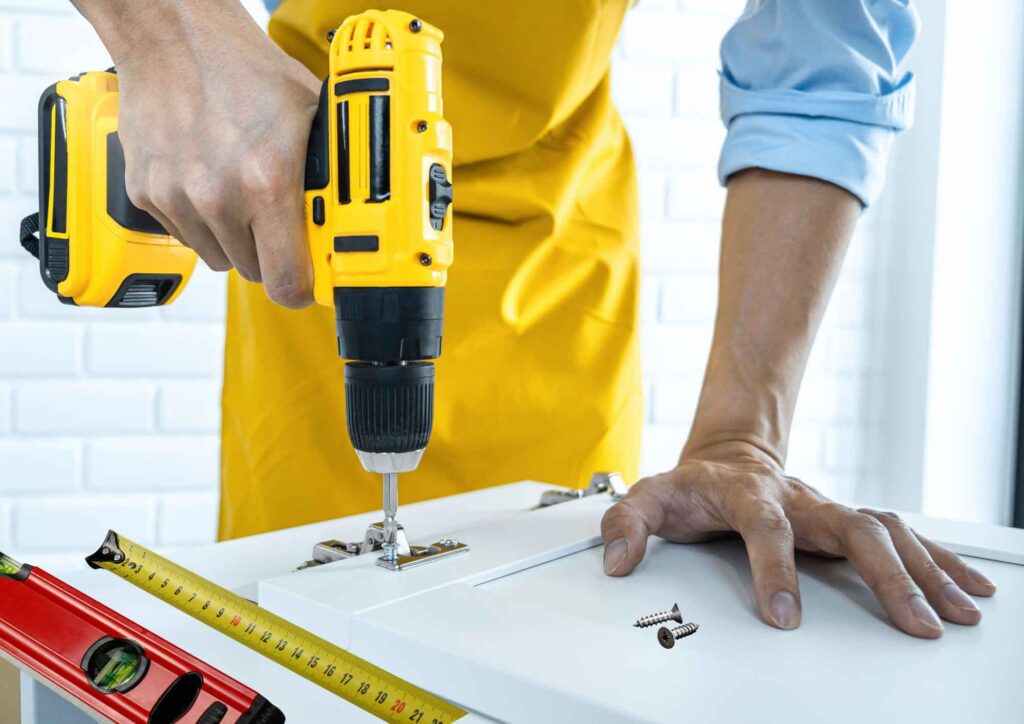
To install your cabinets correctly and efficiently, make sure you have the right tools. Here’s what you’ll need:
- Measuring Tools: A tape measure is essential for getting precise dimensions of your kitchen space. A level ensures your cabinets are installed straight and even, and a stud finder helps you locate secure wall anchoring points.
- Planning Materials: Before purchasing your cabinets, sketch a layout or use a digital design tool to visualize your kitchen remodel. Keep the cabinet specification sheets handy to verify measurements, materials, and finishes.
- Installation Tools: You’ll need a drill and bits for installing screws and a screwdriver to secure the cabinets. Clamps are helpful to hold cabinets in place during installation, and shims help level cabinets on uneven floors. Cabinet screws are necessary to fasten the cabinets securely to the wall.
- Safety Gear: Protect your hands with gloves and your eyes with safety goggles to prevent injuries from sharp edges or flying debris during drilling or sawing.
Step-by-Step Guide for Installing Prefab Cabinets
 Step 1: Measure and Plan Your Space
 Step 1: Measure and Plan Your Space
Accurate measurements are the foundation of a successful kitchen remodel.
Begin by measuring the length of your walls, the height from floor to ceiling, and any appliance openings (like the refrigerator or dishwasher).
Standard cabinet sizes should guide your layout, but always allow for extra space where needed for appliance clearance or a smooth flow in the kitchen.
Why is this important?
Correct measurements prevent the mistake of ordering cabinets that don’t fit.
For example, leaving insufficient space between cabinets and appliances can result in poor ventilation or block airflow, leading to inefficiency and potential safety hazards.
Step 2: Evaluate and Choose the Right Cabinets
Now that you know your kitchen’s dimensions, it’s time to compare different cabinet options. Opt for cabinets with solid plywood boxes and solid wood doors to ensure durability and aesthetic appeal. Avoid cheaper alternatives like particle board or MDF, which are more prone to damage from moisture and wear.
Why does this matter?
The material choice directly affects the lifespan of your cabinets. Plywood is sturdy and resists damage from humidity, while MDF and particle board can break down over time, especially in high-moisture areas like kitchens.
Step 3: Order, Inspect, and Prepare for Installation
Once you’ve selected your cabinets, confirm your order and ensure all necessary components are included. When the cabinets arrive, inspect them for damage and missing pieces. It’s better to address these issues before beginning the installation process.
Why is this crucial?
Missing parts or shipping damage can delay the project significantly. By checking everything upon delivery, you avoid unexpected setbacks and ensure a smooth installation process.
Common Pitfalls to Avoid During Your Remodel

- Choosing Based on Price Alone: While it’s tempting to select the cheapest option, be cautious of cabinets made from low-quality materials that won’t stand the test of time.
- Misjudging Dimensions: Taking incorrect measurements can lead to poor-fitting cabinets, leaving gaps or requiring costly adjustments.
- Underestimating Installation Complexity: Even prefab cabinets need to be aligned correctly and securely installed. Improper installation can lead to cabinets becoming loose or uneven over time.
Important Safety Guidelines and Compliance Requirements
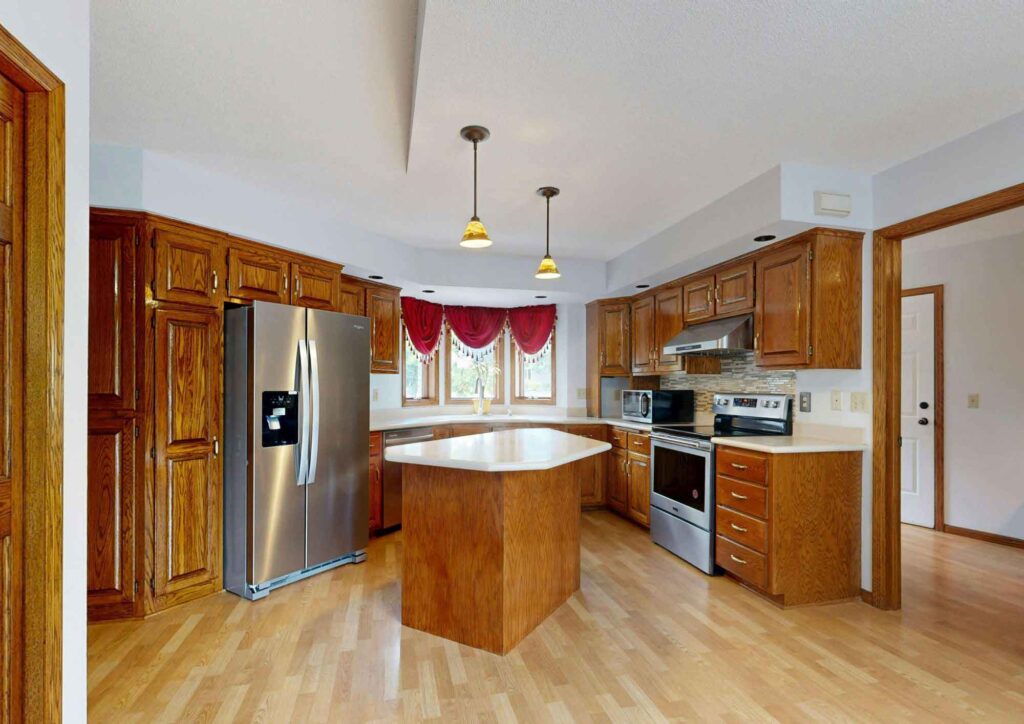
Ensuring your kitchen remodel is safe and compliant with local regulations is crucial. Here are the key safety considerations:
- Cabinet Weight and Wall Attachment: Cabinets should always be mounted securely to wall studs. This prevents them from becoming loose over time and ensures they can support the weight of kitchen items without risking injury or damage.
- Clearances Around Appliances: Follow local regulations for appliance clearance to ensure proper ventilation and safety. For example, a range requires at least 30 inches of clearance on either side to allow for heat dissipation and ease of use.
- Fire Safety: Keep a safe distance between cabinets and heat-producing appliances like ovens or stoves. Local fire codes may specify the minimum required clearance to avoid fire hazards.
- Ventilation: Adequate ventilation is essential in any kitchen. Ensure that your cabinets don’t block exhaust fans or vents, which could lead to poor air circulation and unsafe conditions.
Frequently Asked Questions
- What are the best prefab cabinets for long-term durability?
Look for cabinets with plywood boxes and solid wood doors for long-lasting durability. These materials can handle the wear and tear of daily kitchen use. - How much do ready-made kitchen cabinets cost in the U.S.?
Ready-made cabinets generally range from $100 to $400 per linear foot, depending on materials, size, and finish. - Are assembled cabinets better than RTA cabinets?
Pre-assembled cabinets save time and are more expensive, while RTA cabinets are cheaper but require assembly. If you’re comfortable assembling, RTA is a good budget option. - Can prefab cabinets be refinished or repainted?
Yes, prefab cabinets can be refinished or repainted, but the ease of doing so depends on the material and finish.
Final Advice & Knowing When to Hire a Professional

While prefab cabinet installation can be a manageable DIY project, there are situations where hiring a professional is the best choice:
- Complicated Kitchen Layouts: If your kitchen has an unusual layout or needs structural adjustments to accommodate new cabinets, a professional installer will ensure everything fits properly.
- Structural Work: If reinforcement is needed to support heavy cabinets, such as adding additional wall studs, hire a professional carpenter to ensure the job is done safely.
- Plumbing or Electrical Work: When cabinets need to be installed around plumbing or electrical lines, it’s important to hire a licensed plumber or electrician to comply with safety codes and avoid any risks.
By carefully choosing your prefab cabinets and understanding when to call in a professional, you can ensure a smooth and successful kitchen remodel.