
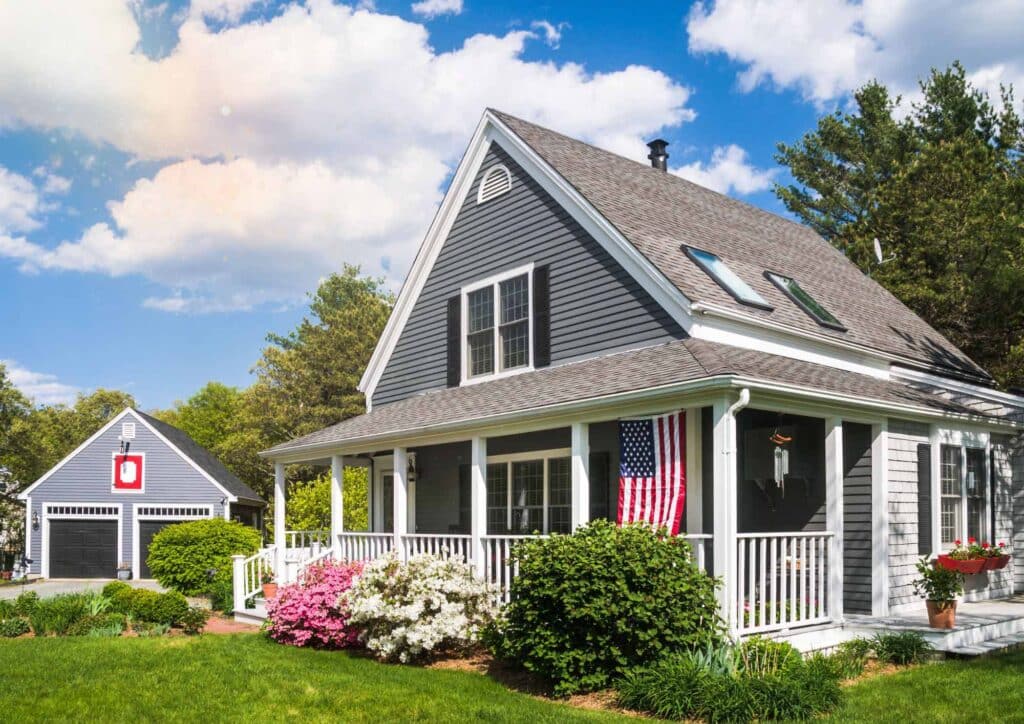
Why Exterior Colour Choice Matters More Than Most Homeowners Expect
Painting a house exterior is not just a cosmetic update. The colour you choose affects how your home handles heat, moisture, and weather exposure over time. It also influences maintenance frequency, material durability, and resale appeal.
Unlike interior paint, exterior colour choices are exposed to constant stress from sunlight, temperature swings, and precipitation. A colour that looks appealing on a sample card can perform poorly once applied to a full façade. Choosing the best colour for outer walls of a home means understanding how colour behaves in real-world conditions, not just how it looks on day one.
This guide explains those practical considerations so homeowners, DIYers, and property investors can make informed, durable decisions.
Exterior Paint Basics Every Homeowner Should Understand
How Exterior Paint Differs From Interior Paint
Exterior paint is designed to resist ultraviolet radiation, shed water, and remain flexible as surfaces expand and contract. These properties prevent cracking, peeling, and premature failure.
Colour selection directly affects how well these features perform. Darker colours absorb more heat and stress the paint film. Some pigments degrade faster under UV exposure. The colour choice can either support or undermine the paint’s engineered performance.
Why Paint Ingredients Matter When Choosing Colour
At a practical level, exterior paint consists of pigments (colour), binders (film strength), solvents (application), and additives (mildew and flow control). Pigment quality largely determines fade resistance.
Highly saturated or dark colours demand stronger binders to hold up outdoors. This is why colour choice and paint quality must be considered together, especially for long-term durability.
How Regional Climate Influences Exterior Colour Performance
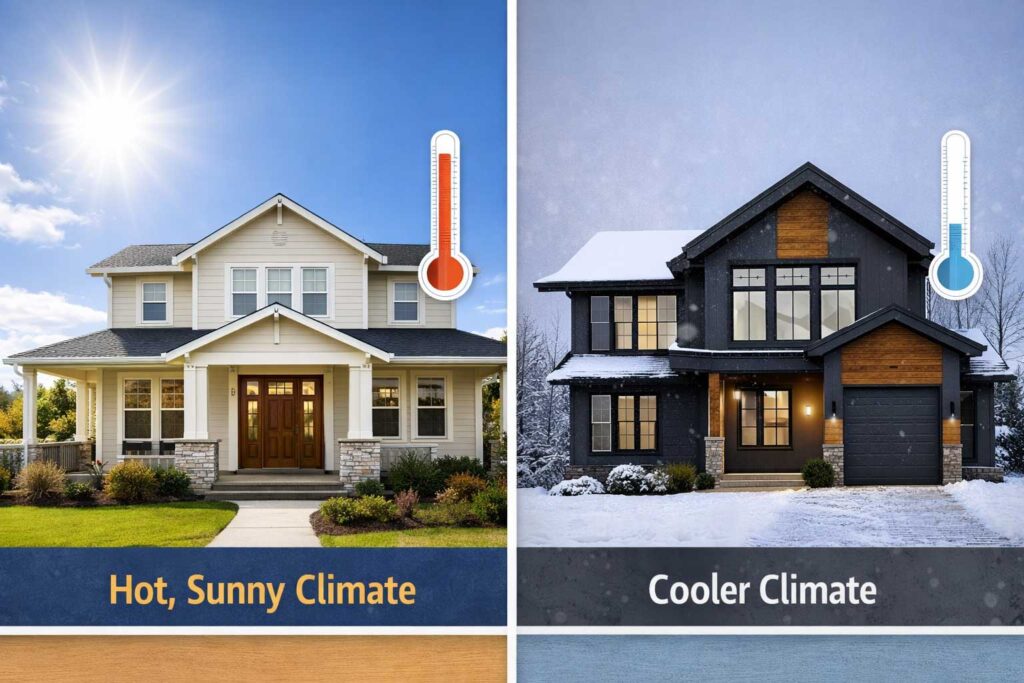
Hot, Sunny Climates
In regions with intense sun and heat, such as the Southwest and much of the South, colour-driven heat absorption is a major factor. Dark exterior colours can raise siding temperatures significantly, accelerating expansion, contraction, and fading.
Lighter and mid-tone colours reflect more heat and typically maintain appearance longer. Homes painted dark colours in these regions often require repainting sooner, even with high-quality coatings.
Cold and Snow-Dominant Climates
Northern climates introduce freeze-thaw cycles and prolonged moisture exposure. Dark colours may help snow melt faster on sun-facing walls, but they still experience greater fading during summer months.
Mid-range neutrals often provide the best balance between thermal performance, durability, and consistent appearance across seasons.
Humid and Coastal Environments
High humidity and salt exposure challenge paint adhesion and longevity. Light colours can reveal mildew staining more quickly, while dark colours may fade unevenly.
Colours that avoid extremes—neither very light nor very dark—tend to age more predictably in these environments when paired with mildew-resistant coatings.
Matching Exterior Colour to Siding and Surface Type
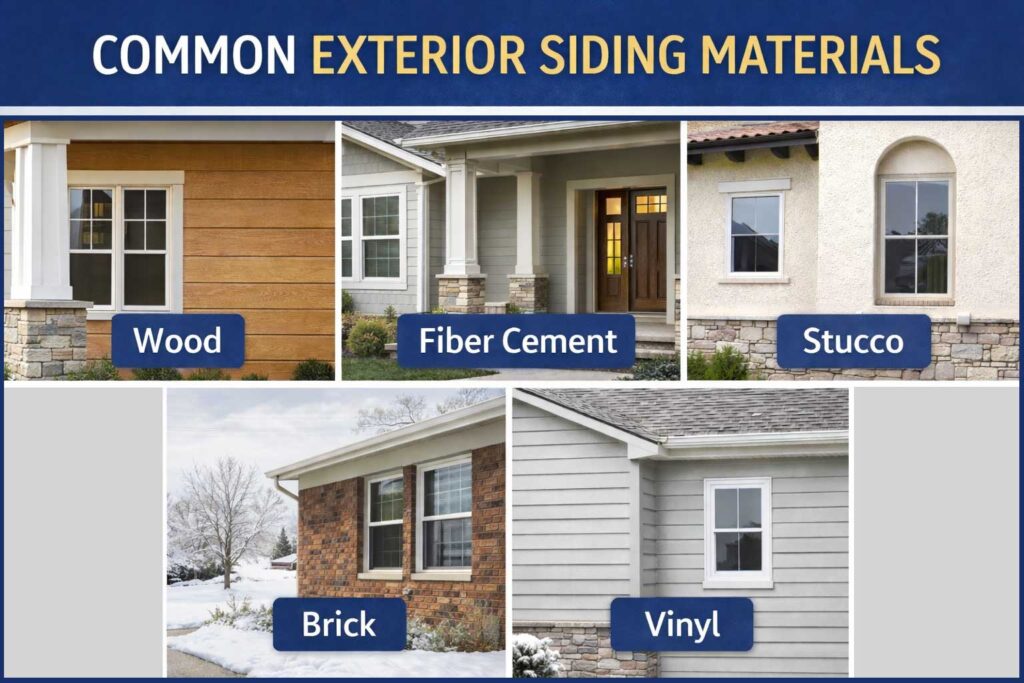
Wood Siding
Wood moves more than most siding materials. Dark colours increase surface temperature, exaggerating expansion and contraction. This often leads to cracking or peeling, particularly on sun-exposed walls.
Moderate, lighter colours generally reduce stress on wood siding and extend repaint cycles.
Fiber Cement Siding
Fiber cement is more stable than wood, but it still absorbs heat. Manufacturers specify acceptable colour ranges, often based on Light Reflectance Value (LRV). Exceeding these limits can shorten paint life and void warranties.
Very dark colours on fiber cement should be approached cautiously, especially in warmer regions.
Brick and Masonry
Once painted, masonry must release moisture through the paint film. Dark colours increase heat retention and can trap moisture, increasing the risk of paint failure or surface damage.
Breathable coatings and conservative colour choices are essential for painted masonry surfaces.
Stucco
Stucco’s texture intensifies colour due to shadowing. Colours often appear darker on stucco than on smooth siding. Dark colours also increase thermal stress, which can worsen surface cracking.
Lighter, muted tones tend to perform best and age more evenly on stucco homes.
Vinyl and Engineered Siding
Vinyl siding is sensitive to heat. Dark colours can cause warping unless specifically approved by the manufacturer. Even “vinyl-safe” dark colours have defined limits.
Ignoring these restrictions risks distortion and warranty loss over time.
Aligning Colour Choices With Architectural Style
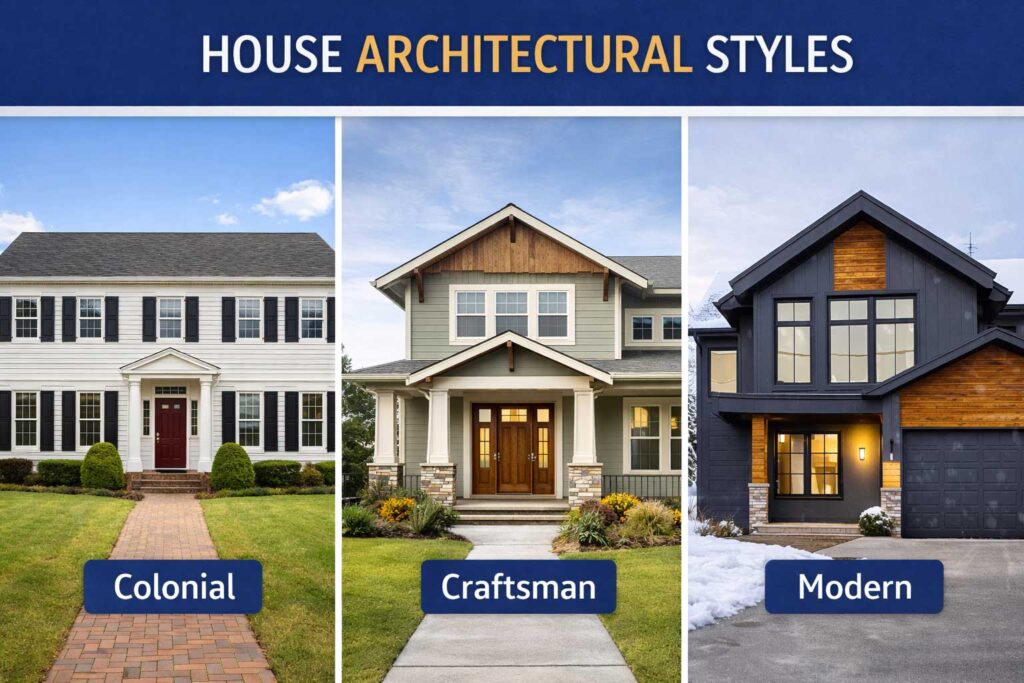
Traditional Home Styles
Colonial, Cape Cod, Craftsman, and Ranch homes typically benefit from restrained colour palettes. These styles rely on proportion and detail rather than colour contrast for visual interest.
Overly bold colours can make traditional homes appear dated or visually unbalanced.
Modern and Contemporary Homes
Modern designs can support darker or more dramatic colours due to cleaner lines and simpler forms. However, these homes highlight fading and surface imperfections more readily.
Inconsistent colour aging is more noticeable on minimalist façades.
Historic and Period Homes
Historic districts often regulate exterior colours. Even where not required, historically appropriate palettes tend to preserve long-term value and reduce buyer resistance.
Trendy colours may conflict with original design intent and limit appeal.
Practical Colour Categories for Exterior Walls
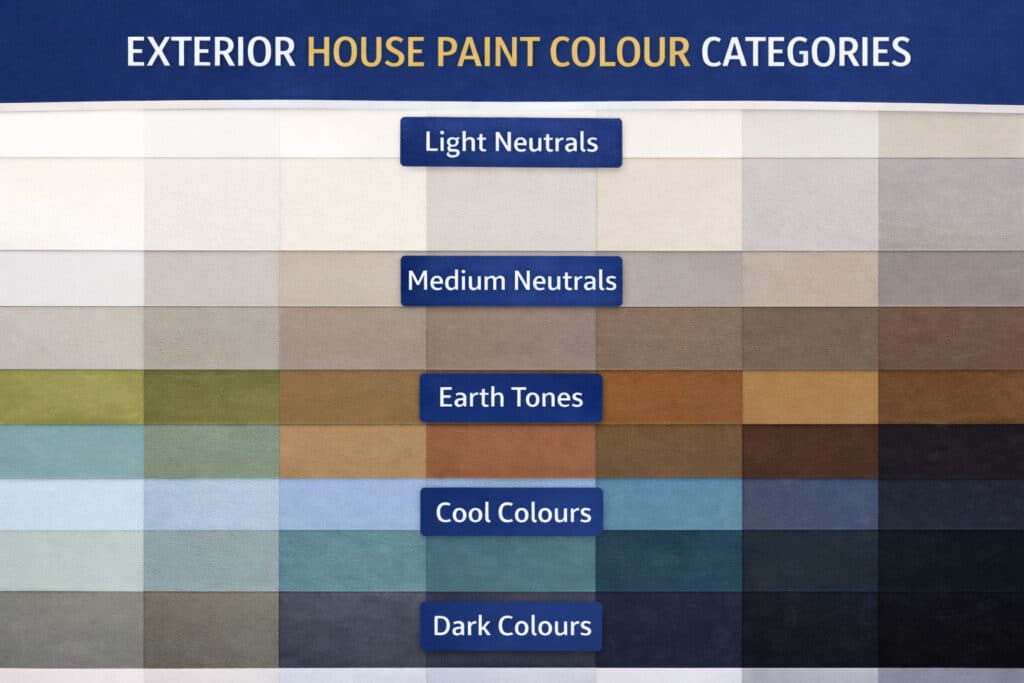
Light Neutrals
White and off-white colours reflect heat and fade slowly. Their primary drawback is showing dirt, algae, and pollution more readily, increasing cleaning frequency.
Medium Neutrals
Greige, warm gray, and taupe balance heat reflection, dirt concealment, and broad market appeal. These colours are among the most forgiving choices for long-term ownership.
Earth Tones
Earth tones integrate well with landscaping and natural surroundings. They typically age gracefully but can darken visually over time, making lighter selections preferable.
Cool Colours
Blues and blue-grays can work well regionally but tend to fade more noticeably under strong sun. These colours benefit from higher-quality pigments and coatings.
Dark Colours
Charcoal, navy, and deep green offer strong visual impact but come with higher maintenance demands. They fade faster, show chalking, and increase surface stress.
Dark colours are best used selectively or in lower-sun climates.
How Exterior Colour Affects Maintenance and Repainting Cycles
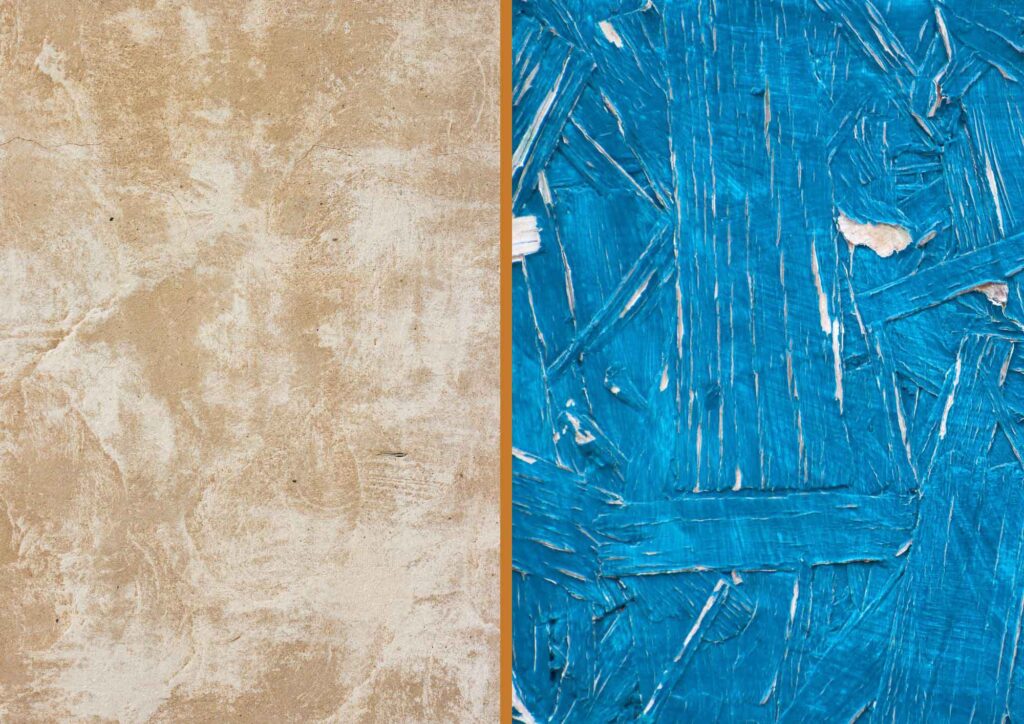
Light colours disguise fading but reveal dirt and biological growth. Dark colours hide dirt but highlight fading, surface defects, and touch-up inconsistencies.
Touch-ups are more challenging with darker colours because small colour variations are easier to see. Homeowners planning to stay long term should consider how often they want to clean or repaint.
Exterior Colour Choices and Resale Appeal
Most buyers prefer exterior colours that feel neutral and low-risk. Highly personalized colour schemes may not reduce appraised value, but they often reduce buyer interest.
For investors, neutral, region-appropriate colours reduce turnover costs and minimize objections during resale or leasing.
Coordinating Trim, Accents, and Fixed Elements
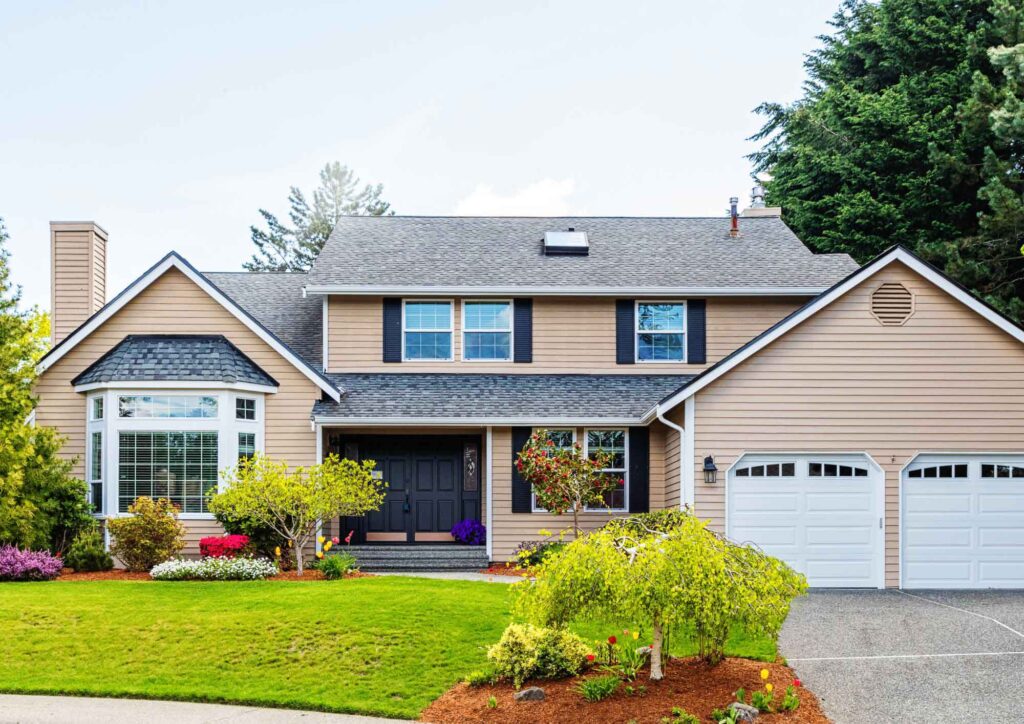
Trim colours should complement siding rather than dominate it. Excessive contrast draws attention to imperfections and weathering.
Accent colours work best when limited to doors or small architectural features. Large accent areas increase complexity and maintenance.
Roof colour should be considered early. A wall colour that clashes with roofing can undermine the entire exterior scheme.
Using Consumer Paint Ratings Without Misunderstanding Them
Homeowners searching for the best exterior house paint consumer reports rankings are usually seeking durability and value. These evaluations focus on performance factors such as fading, cracking, peeling, and coverage.
Because formulas change, rankings shift over time. Rather than chasing a specific product, homeowners should match paint quality to colour choice. Darker or saturated colours typically require higher-grade coatings to perform acceptably.
Choosing the Right Paint Finish for Exterior Colour
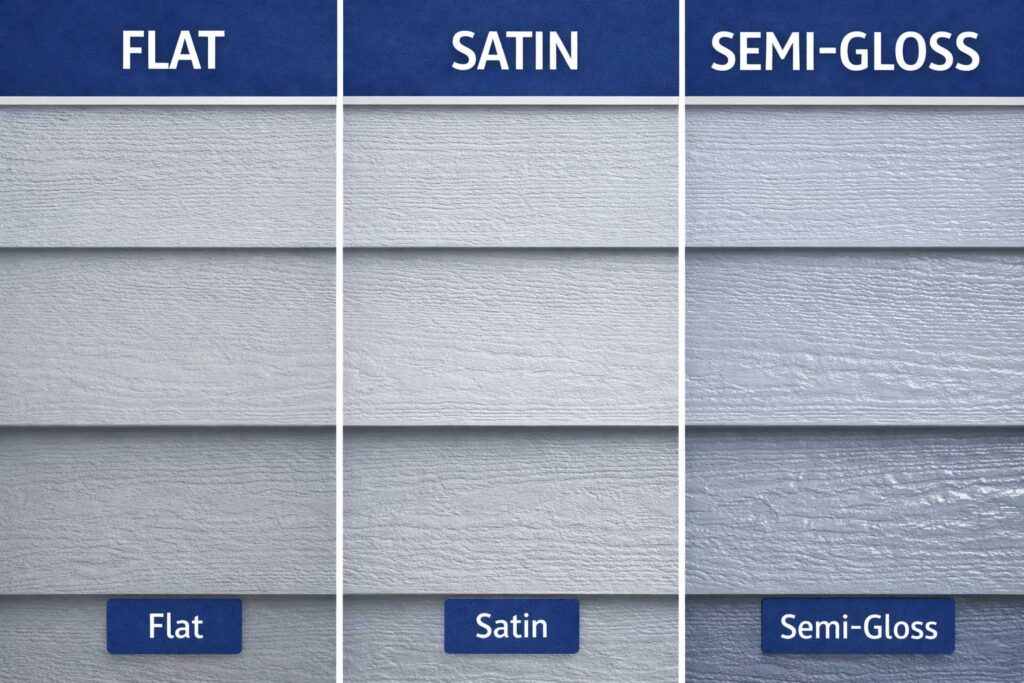
Flat finishes hide surface flaws but retain dirt. Satin and eggshell finishes offer a practical balance of durability and appearance for most siding.
Semi-gloss and gloss finishes intensify colour and highlight defects, making them better suited for trim rather than broad wall areas.
Testing Exterior Colours Before Committing
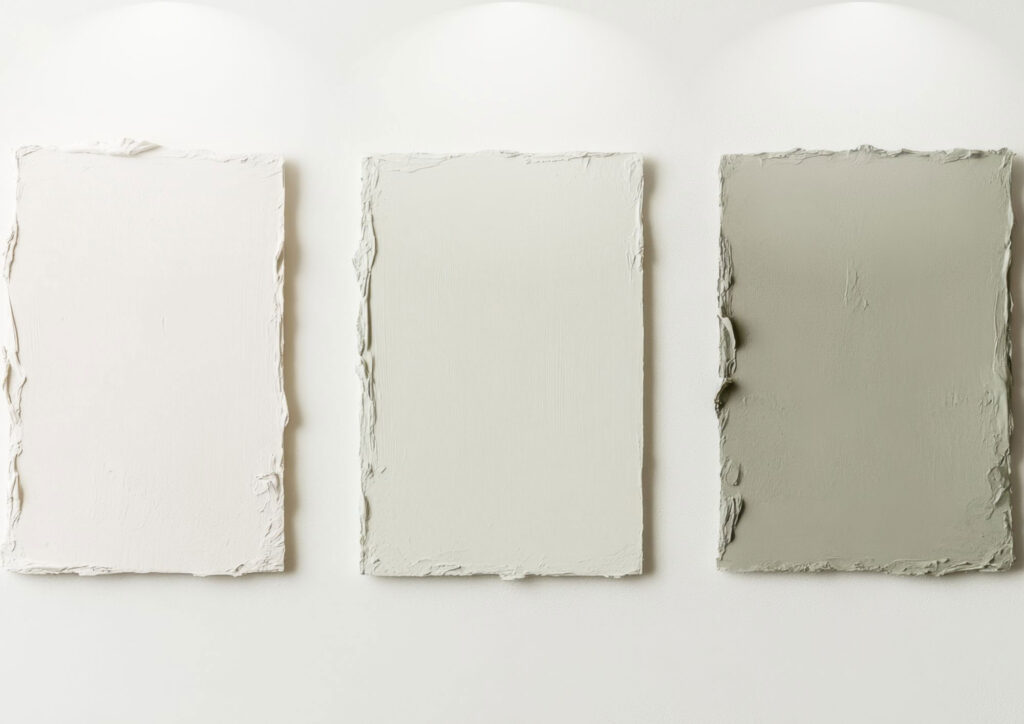
Colours should be tested outdoors on the actual surface. Lighting, orientation, and texture dramatically affect appearance.
Large test patches or sample boards should be viewed at different times of day and from the street. Many colours look acceptable up close but overpowering at scale.
Avoiding the Most Common Exterior Colour Mistakes
Frequent mistakes include ignoring climate, choosing colours too dark for the siding material, and failing to account for maintenance demands. Skipping neighborhood or HOA considerations also creates avoidable problems.
Most issues arise from treating exterior colour as a purely visual choice rather than a performance decision.
Planning the Project: DIY Limits and Professional Triggers
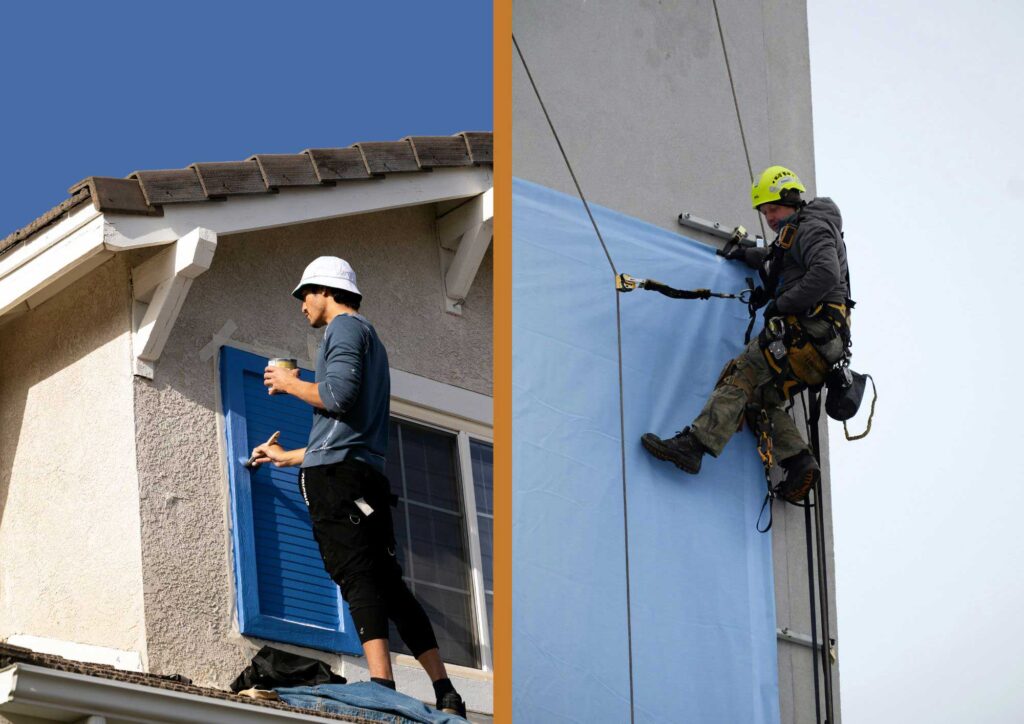
Exterior painting depends heavily on weather conditions. Temperature and humidity affect curing, which directly impacts durability.
DIY projects are reasonable for accessible, single-story homes in good condition. Multi-story homes, older substrates, masonry surfaces, and major colour changes often justify professional involvement for safety, compliance, and long-term performance.
Final Checklist for Choosing the Best Colour for Outer Walls of a Home
A sound exterior colour choice aligns with climate, material limits, maintenance tolerance, and market expectations. The most successful choices are rarely the boldest, but the most balanced.
Conclusion: Making an Informed Exterior Colour Decision
Choosing the best colour for outer walls of a home is a practical decision with long-term consequences. When colour is selected with climate, materials, and maintenance realities in mind, the result is an exterior that performs well, ages predictably, and supports property value.
An informed choice reduces future repainting, avoids material problems, and delivers lasting curb appeal without unnecessary risk.
Pingback: Best Colour Shades for Outer Walls: How to Choose and Paint Your House Exterior Correctly | My Stellar Nest