
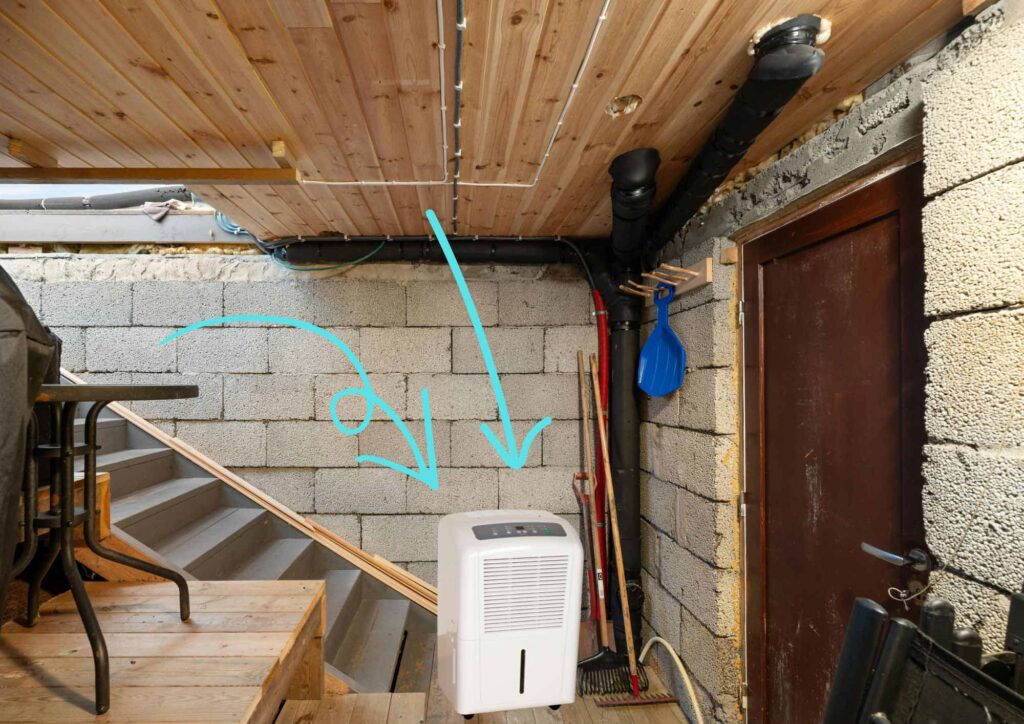
Introduction
This guide is for homeowners, DIY-inclined readers, property investors, and contractor-aware consumers dealing with a basement that smells musty during summer months. It’s a problem many people face, but it’s not harmless—and it can be prevented.
In warm weather, humid outdoor air enters a cooler basement and condenses on walls, floors, pipes, and stored materials. That moisture feeds mold, mildew, and bacteria—the real source of the smell. Once odors develop in the basement, they seldom remain contained and frequently spread into the rooms above.
Short answer: to make your house smell better, you need to eliminate moisture, remove odor-holding materials, and keep humidity under control. Covering up smells doesn’t solve the problem. Fixing the conditions that cause them does.
Why Basements Smell Musty in Summer—and What That Means for Your Home
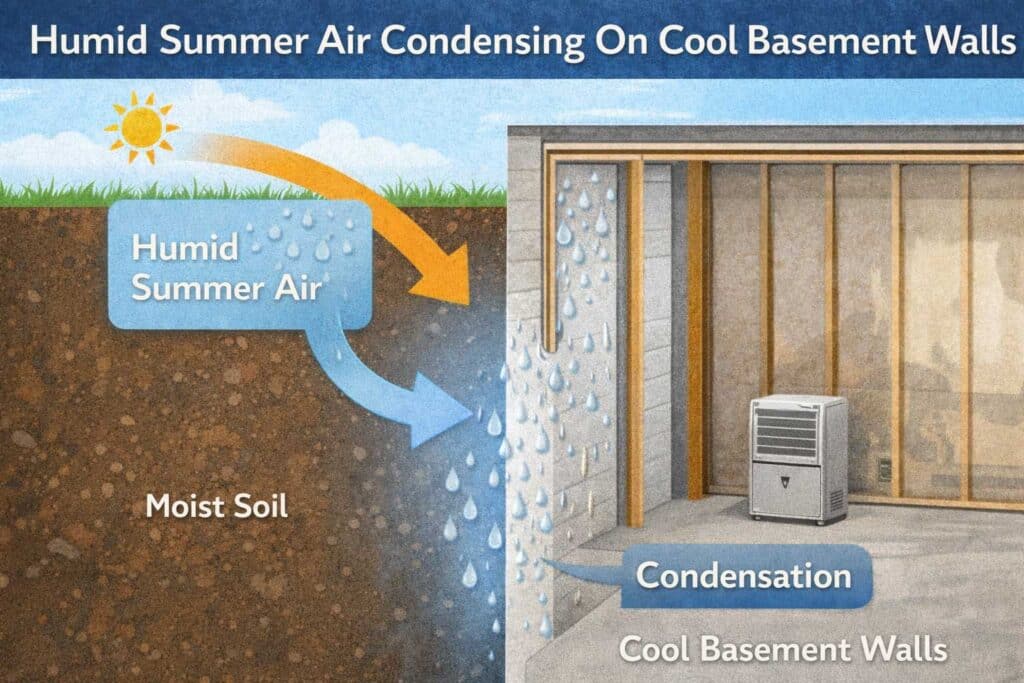
That musty basement smell is caused by mold and mildew feeding on moisture and organic material, which is why summer makes them worse.
Basements stay cooler than the outdoor air. When warm, humid air enters, moisture condenses on cool surfaces much like a cold drink sweating on a hot day. Even without visible water, that moisture is enough to create odor problems.
Porous materials like cardboard, wood, fabric, dust – absorb moisture easily and hold odors long after conditions improve. This is why basements can continue to smell even after they appear dry.
Odor is a warning sign, not a cosmetic issue. If the smell returns after cleaning, moisture is still present somewhere. Ignoring it allows gradual damage to materials and degrades indoor air quality.
Because basement air naturally rises through the house, untreated odors often spread, making the entire home smell stale despite clean upper floors.
Basic Tools and Supplies to Fix Musty Basement Odors
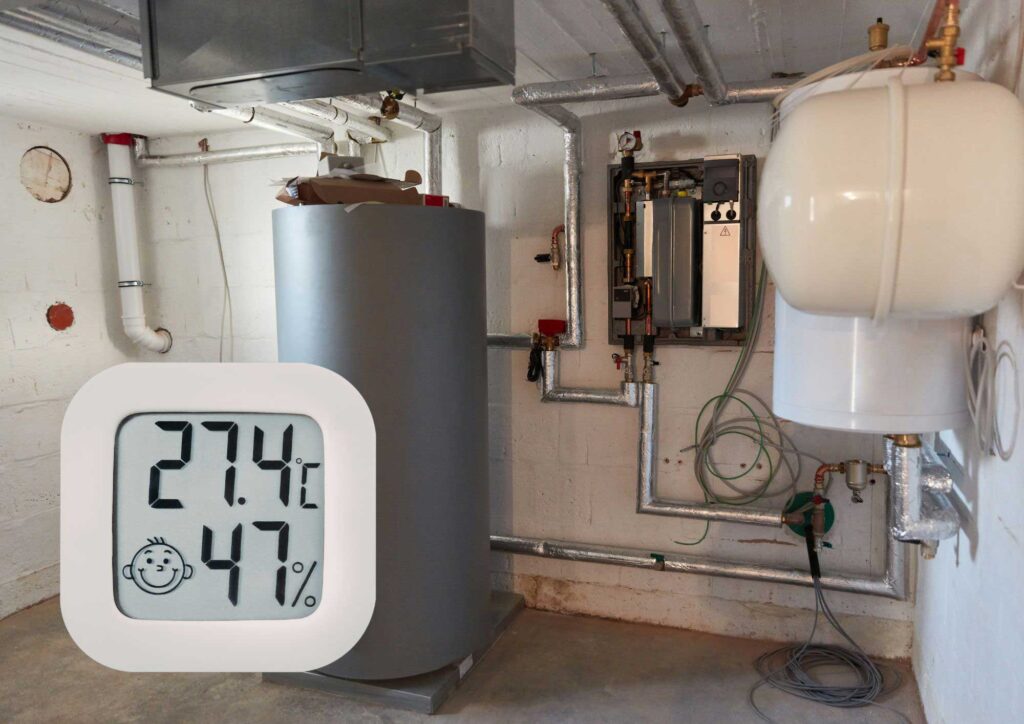
A few basic tools make diagnosis and correction far more effective.
A digital hygrometer is essential. It shows real-time humidity levels, allowing you to verify whether conditions are suitable for mold growth. In most homes, summer basement humidity should stay between 40% and 50%.
Inspection tools include a flashlight or headlamp for checking corners, foundation walls, storage areas, and behind equipment where odors often originate.
Cleaning supplies should be straightforward: mild detergent, white vinegar, scrub brushes, disposable rags, and trash bags for contaminated items. Baking soda or activated charcoal can help absorb lingering odors once cleaning is complete.
Moisture control equipment matters most. A properly sized dehumidifier is usually the main solution. Box fans can help circulate air during cleaning but are not a substitute for dehumidification.
Optional additions include a basement-rated air purifier and basic sealants for small air gaps, used only after moisture is under control.
How to Eliminate Musty Basement Smells Step by Step
Step 1 – Identify the Source of the Musty Smell
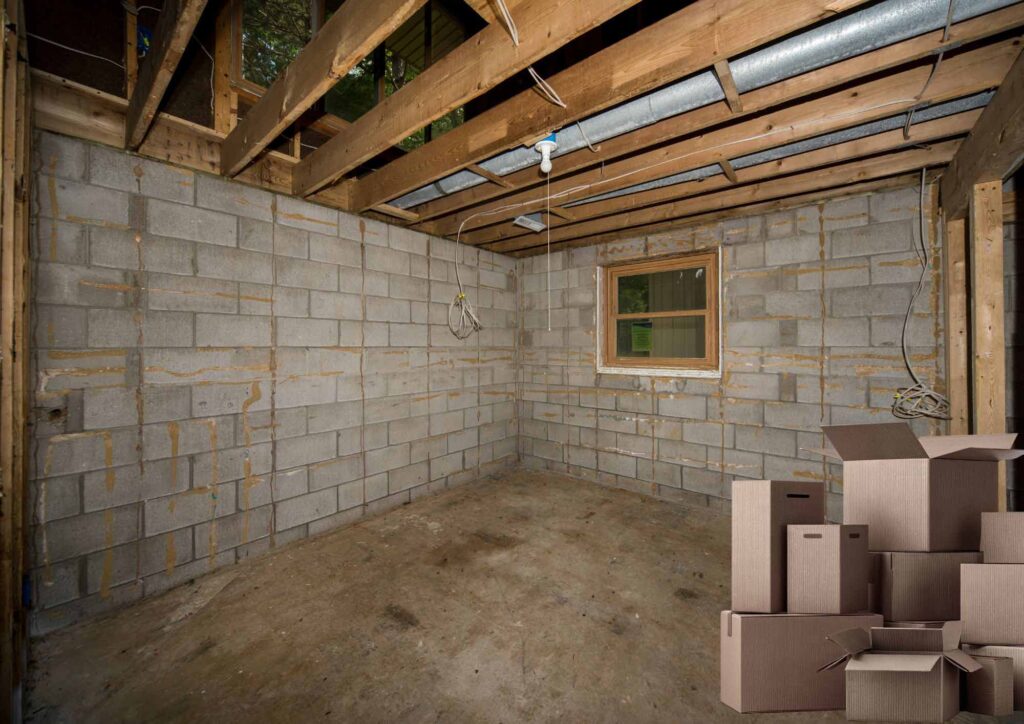
Begin by locating where the odor is strongest. Focus on foundation walls, corners, floor drains, sump pits, unfinished ceilings, and stored items.
Check humidity levels early. If readings consistently exceed 55–60%, excess moisture alone may be driving the smell, even without visible mold.
Inspect surfaces for signs of mold or mildew, including dark spotting, light powdery residue, or discoloration. Areas with poor airflow are common trouble spots.
Evaluate stored materials carefully. Cardboard boxes, books, fabric furniture, and wooden shelving frequently absorb moisture and release odors back into the air.
Don’t overlook plumbing. Floor drains with dry traps, open sump pits, or rarely used basement bathrooms can emit musty or sewer-like odors that raise in warm weather.
Step 2 – Remove Existing Odors and Contaminants

Clean hard surfaces such as concrete, metal, and sealed wood using mild detergent or vinegar-based solutions. Thorough scrubbing is more effective than repeated light cleaning.
Porous items should be dealt with accordingly. Materials that smell strongly or show visible mold are often better discarded. Keeping them typically means odors will keep on.
Vacuum the settled dust using a HEPA filter if available. Odor-causing particles and mold spores often collect along walls, floors, beams, and exposed framing.
Clean floor drains and refill dry traps by pouring water into them. This can resolve odors when the source is a dry trap or dirty drain, which is common in basements during summer.
Ventilate briefly during cleaning to clear disturbed dust and odors. Avoid leaving windows open in humid weather. If outdoor air feels sticky, it will usually add moisture rather than remove it. In most summer conditions, closed windows and steady dehumidification work better.
Step 3 – Control Moisture to Prevent Odors from Returning
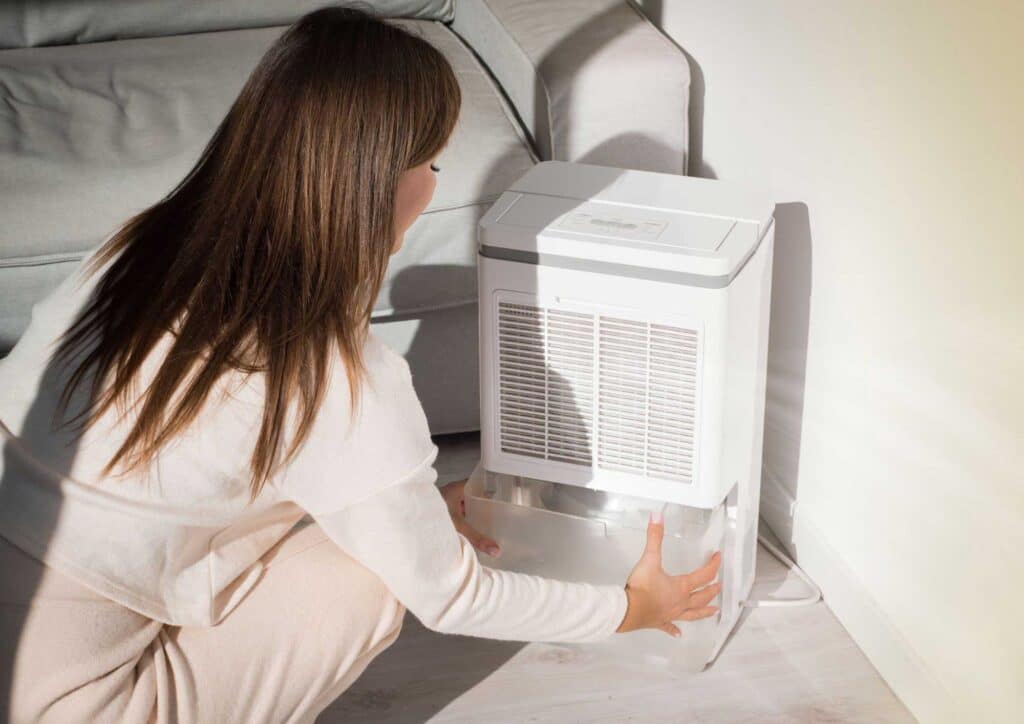
Long-term success depends on moisture control. Set the dehumidifier to maintain humidity between 40% and 50%. Lower settings rarely improve results and may increase energy use.
Ensure the unit is properly sized for the basement. An undersized dehumidifier may run constantly without achieving target humidity.
Use continuous drainage whenever possible. Units that shut off due to full buckets allow humidity to rebound quickly.
Improve airflow by moving air across corners, behind stored items, and along foundation walls where moisture tends to linger.
Seal small air gaps only after humidity is under control. Caulk around pipe penetrations and obvious cracks. Avoid coating damp walls to “waterproof” them—this often traps moisture and worsens mold growth.
Address exterior moisture sources as well:
- Keep gutters clear
- Extend downspouts at least 6 feet from the foundation
- Confirm soil slopes away from basement walls
- Watch for pooling near the foundation after rain
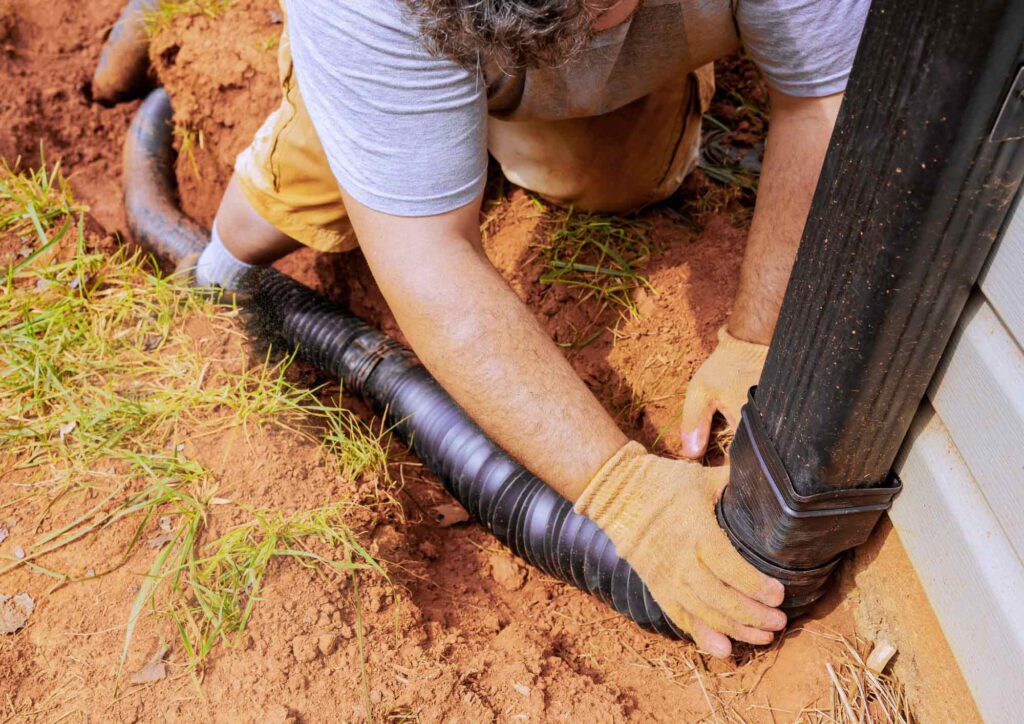
Interior drying treats symptoms; exterior drainage issues must be corrected to stop moisture at its source.
Mistakes That Make Basement Odors Worse or Cause Them to Return
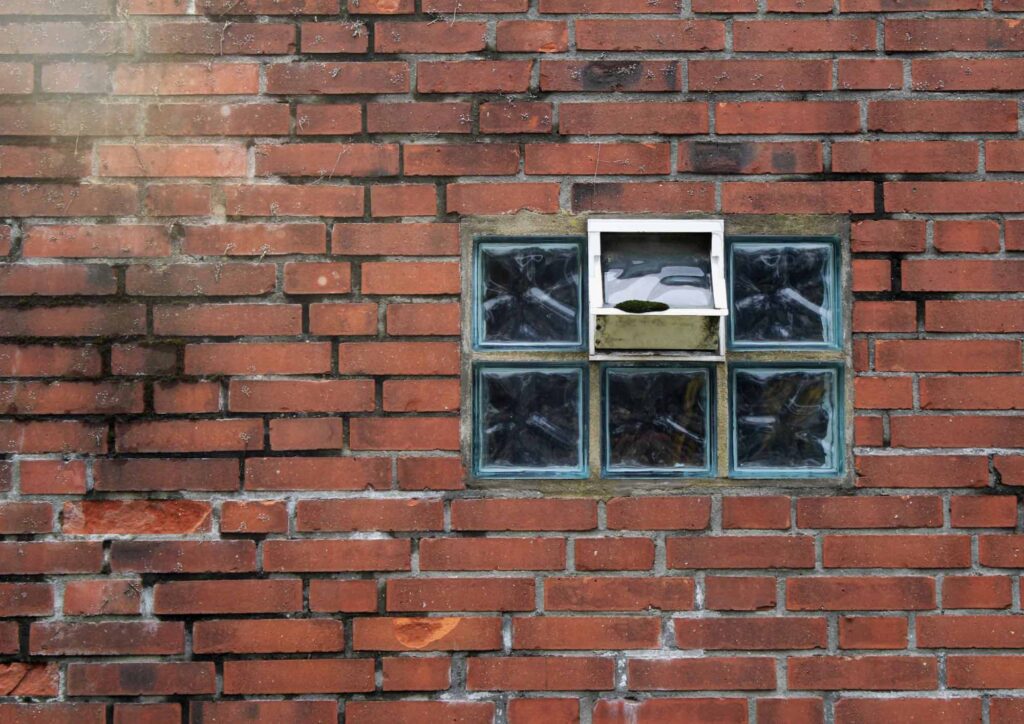
Masking odors with scented products is the most common mistake. These products don’t remove moisture and often make odors worse once humidity rises again.
Running a dehumidifier only part-time is another issue. Consistent operation matters more than short drying cycles.
Buying a small or inexpensive unit often leads to poor results. Many models can’t keep up with summer moisture loads.
Leaving basement windows open during humid weather usually increases indoor humidity rather than reducing it.
Sealing walls or floors before fixing water entry can trap moisture inside building materials and accelerate mold growth.
Safety, Moisture Risks, and Basic Code Considerations
Wear gloves and avoid disturbing large mold areas. For significant contamination, basic respiratory protection is reasonable. After your chore, take a bath to avoid contamination to the upper house and other people around.
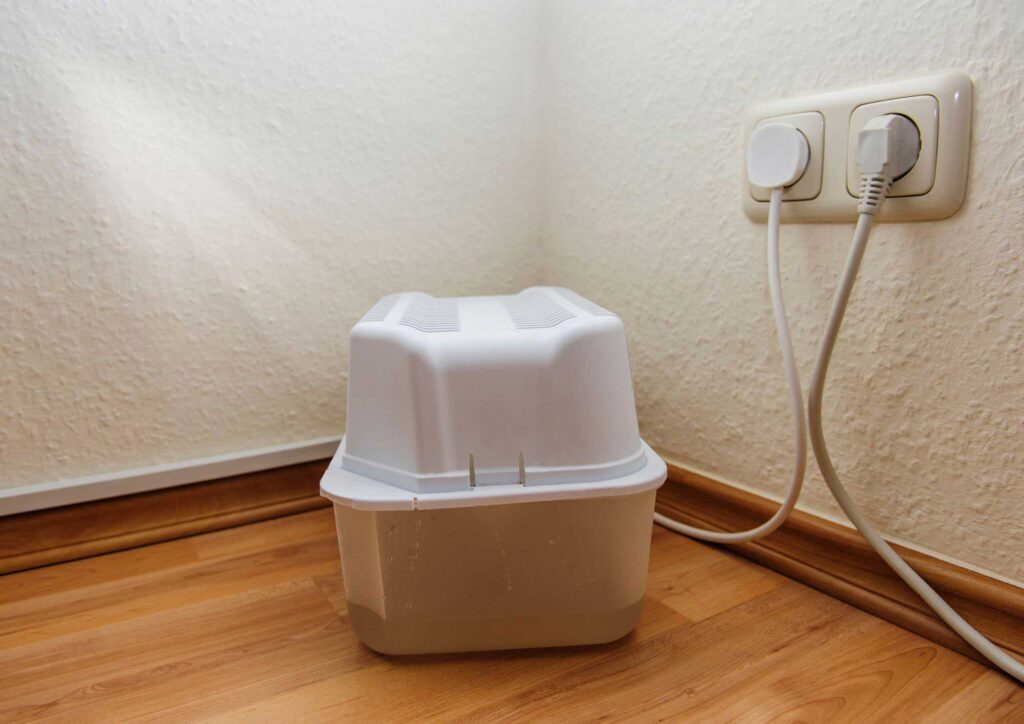
Dehumidifiers draw continuous power and should be plugged directly into grounded outlets, not extension cords.
Drainage changes, including sump discharge routing, may be regulated locally. Always discharge water away from the foundation and in accordance with local requirements.
Finished basements—especially in rental properties—may be subject to habitability or building code expectations related to moisture and air quality.
If combustion appliances are located in the basement, avoid excessive air sealing that could interfere with proper ventilation.
Common Questions About Musty Basement Smells in Summer
Why does my basement smell musty only in summer?
Warm, humid air condenses on cooler basement surfaces, creating conditions that support mold and mildew growth.
Is a musty basement smell dangerous?
The smell itself isn’t harmful, but it often signals moisture or mold issues that can affect indoor air quality.
Will a dehumidifier remove musty smells?
It helps when humidity is the cause, but it won’t remove odors already trapped in porous materials.
What humidity level should a basement be in summer?
Most basements should stay between 40% and 50%.
Can basement odors affect the rest of the house?
Yes. Basement air often rises into upper floors, carrying odors with it.
How long does it take to remove basement odors?
Initial improvement may occur within days, but full resolution can take weeks depending on materials and moisture history.
Long-Term Prevention and When Professional Help Is Needed

What Homeowners Can Safely Handle
- Cleaning small areas of surface mold on hard materials
- Controlling humidity with a properly sized dehumidifier
- Removing odor-trapping stored items
- Basic drain and trap maintenance
- Sealing minor air gaps after moisture is controlled
When to Stop and Call a Professional
- Mold suspected behind finished walls, ceilings, or flooring
- Odors returning quickly despite stable humidity levels
- Repeated water intrusion, seepage, or standing water
- Strong sewer odors that persist after drain maintenance
- Electrical outlets tripping or overheating due to moisture
- Health symptoms linked to time spent in the basement
Regular monitoring—checking humidity, cleaning drains, inspecting storage, and confirming dehumidifier performance—helps prevent recurrence.
Addressing a musty basement isn’t just about smell. It protects indoor air quality, preserves building materials, and safeguards long-term property value by correcting the underlying cause rather than covering up the symptom.