
Why Scent Matters When Showing a Home
 Smell is one of the first sensory cues buyers register, often before they consciously assess layout, finishes, or condition. Unlike décor, odor triggers an immediate emotional response that is difficult to ignore or rationalize. A home that smells clean and neutral is perceived as better maintained, even when buyers can’t articulate why.
For showings, the objective is not to create a pleasant or memorable fragrance. It is to make the house smell unremarkable—fresh, clean, and free of identifiable odors. Strong or artificial scents tend to raise suspicion, signaling that something may be hidden, such as pet issues, moisture, smoke, or deferred maintenance.
Odors also influence perceived risk. Musty or stale air can suggest water intrusion or mold. Food and pet smells can imply poor upkeep. These impressions often affect how closely buyers scrutinize the home, how comfortable they feel making an offer, and how negotiations unfold.
This guide focuses on eliminating odor sources, managing airflow and moisture, and preparing a home so it smells clean without drawing attention to itself. The approach is practical, contractor-aware, and designed for homeowners, DIY sellers, and investors who want consistent, defensible results.
The Engineering of Smell — Understand Odor Dynamics
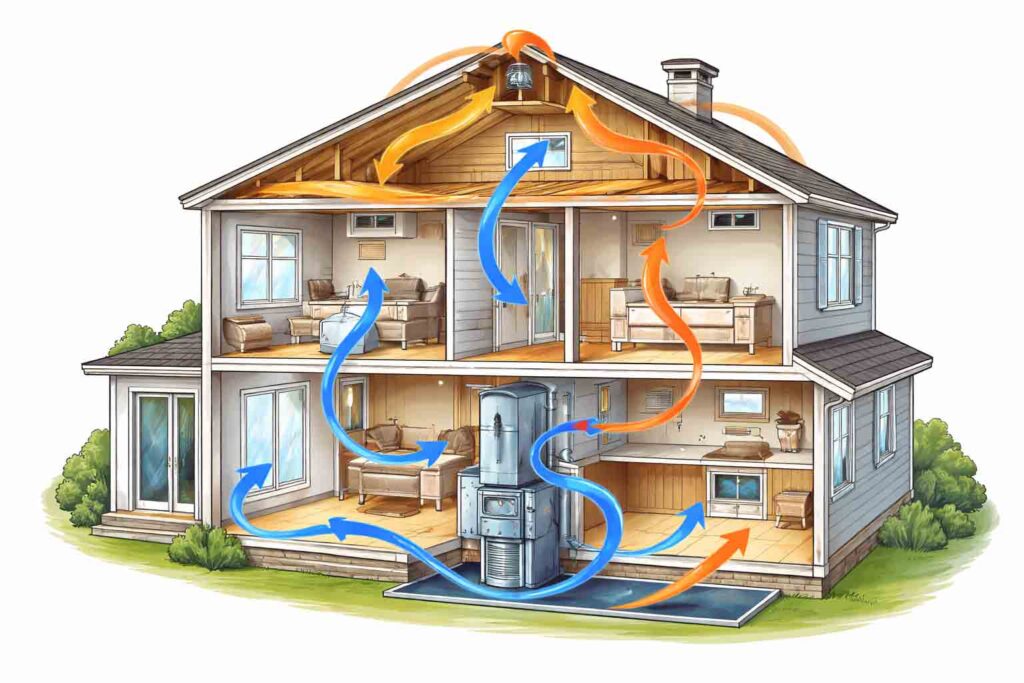 Persistent household odors are rarely just “in the air.” They are usually tied to materials, moisture, and airflow patterns. Until those underlying factors are addressed, most scent-based fixes remain temporary.
Odor-causing compounds originate from organic matter, microbial growth, or chemical residues. These compounds settle into porous materials—carpet, upholstery, drywall, wood framing—and are slowly released back into the air, especially when temperature or humidity changes.
Air circulation determines how noticeable those odors become. Homes with poor airflow develop stagnant zones, such as closets, basements, or rooms with closed doors and limited return vents. Simply running a fan may move air around without actually removing odor-laden air from the structure.
Moisture amplifies the problem. Elevated humidity supports bacterial and mildew growth and makes odors more pronounced. This explains why some homes smell fine in dry weather but develop noticeable odors during humid conditions or after rain.
Understanding these dynamics helps explain why buyers can still detect issues after a house has been “freshened up.” If odors are embedded in materials or supported by moisture and poor ventilation, they will return—often during a showing.
Pre-Showing Odor Audit (Targeted Source Elimination)
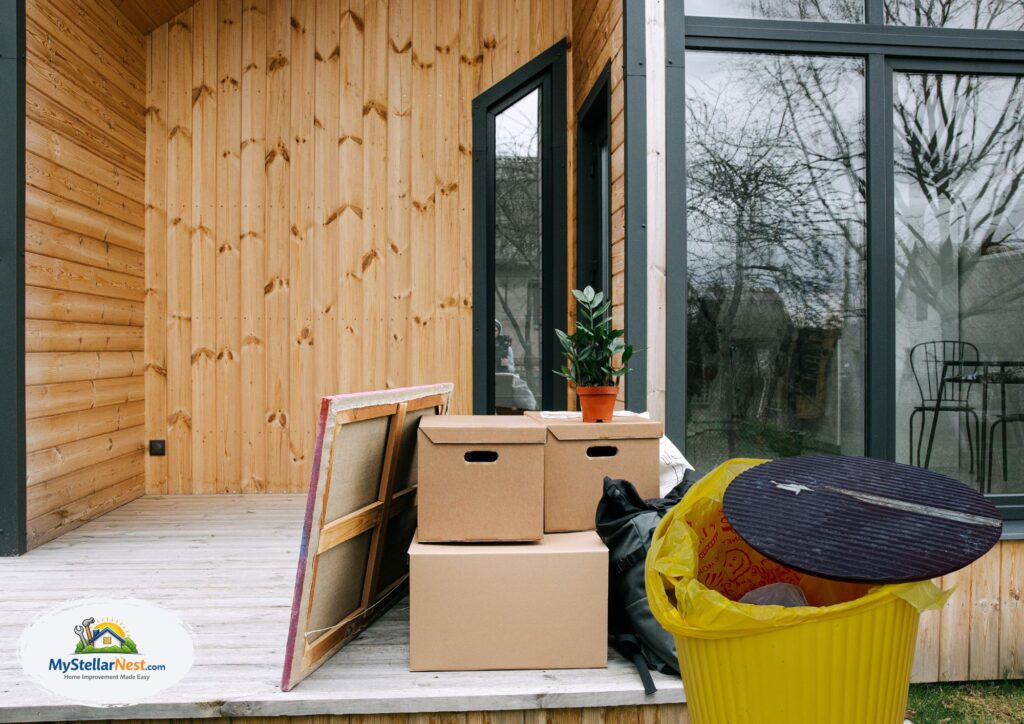
Before adding any scent, conduct a deliberate walk-through to identify odor sources. Buyers open doors, pause in corners, and notice areas sellers often overlook. Addressing these locations first prevents surprises.
Kitchens are a common culprit. Odors often come from garbage disposals with trapped debris, dishwasher filters, refrigerator drip pans, or trash stored inside cabinets. These areas can emit odor continuously even when surfaces look clean.
Bathrooms frequently smell stale due to slow drains, dry floor drains, damp textiles, or underperforming exhaust fans. If a bathroom smells worse after showering, ventilation—not cleaning—is often the issue.
Laundry rooms and closets deserve close attention. Damp lint, detergent residue, and stored fabrics absorb moisture and odors easily. Poor airflow allows stale air to accumulate, which buyers often associate with humidity or mold concerns.
Basements and lower levels require careful evaluation. Musty odors usually indicate ongoing moisture, even without visible water. Concrete walls, floor drains, sump pits, and stored items can all contribute.
Structural materials may also be involved. Old carpet padding, pet-contaminated subfloors, and poorly sealed flooring transitions can hold odors long after surface cleaning. These issues are common in older homes and rentals and may require more than routine cleaning.
DIY vs. pro scope: Most cleaning and filter replacement is homeowner-friendly. If odors persist after source cleaning, especially musty or sewer-like smells, consider professional evaluation (HVAC, plumbing, or moisture/mold diagnostics).
How to Make a House Smell Good Fast (Showing Day Protocol)
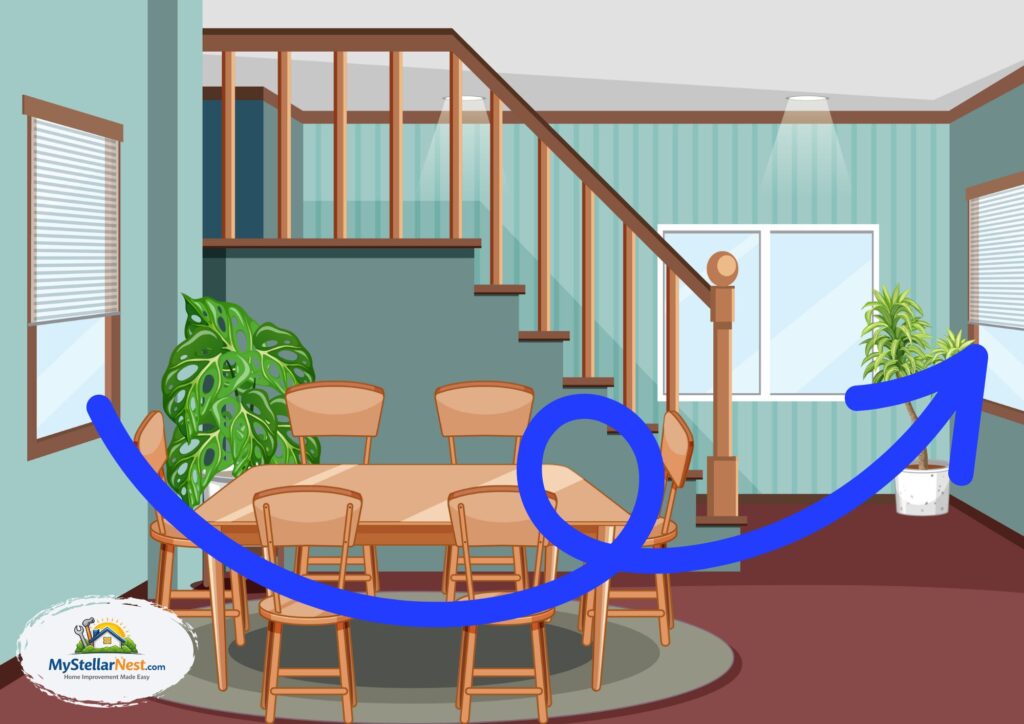 On showing day, the priority is air exchange and neutralization—not fragrance. The goal is to reset the indoor air so it smells clean and unobtrusive to a first-time visitor.
Begin with controlled ventilation. If outdoor conditions allow, open windows on opposite sides of the house for a short cross-ventilation cycle. This creates pressure-driven air exchange that removes stale air rather than diluting it. Ten to twenty minutes is usually sufficient.
After closing windows, use the HVAC system strategically. Set the fan to “on” for 20–30 minutes to circulate air through the filter without altering temperature. Replace the filter beforehand if it’s overdue, as dirty filters can carry odors.
Place neutral odor absorbers only where needed—near trash areas, pet zones, or laundry spaces. These products bind odor molecules rather than masking them, making them less noticeable to sensitive buyers.
Be restrained with added scent. If used at all, it should be subtle and limited to living areas, never kitchens or bathrooms. Buyers should not be able to identify the source of any scent.
Avoid common last-minute mistakes. Do not cook before a showing. Avoid heavy cleaning products right before buyers arrive. Skip candles, plug-ins, and incense, which can raise air-quality concerns or suggest masking.
A house that smells like nothing in particular signals cleanliness and low risk.
What Makes Your House Smell Good All the Time (Not Just for Showings)
Homes that smell consistently clean rely on habits, not products. Preventing odor buildup reduces the need for last-minute intervention and holds up better across multiple showings.
Daily source control matters. Removing trash regularly, rinsing food containers, and avoiding overnight dish buildup reduce odor load. Laundry habits are equally important—damp towels or clothes left in washers are a common source of sour smells.
Airflow and filtration quietly support clean air. Replacing HVAC filters on schedule prevents dust, dander, and cooking residues from recirculating. Periodically running the fan helps prevent stagnation in less-used rooms. 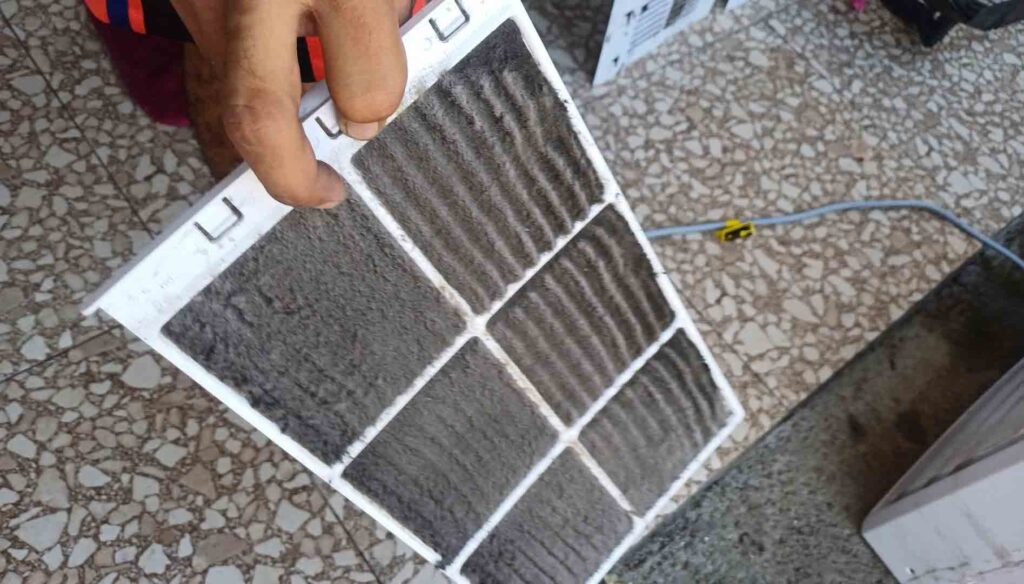
Soft materials require ongoing maintenance. Upholstery, rugs, and curtains absorb airborne compounds and release them slowly. Regular vacuuming with a HEPA-equipped vacuum and occasional washing or professional cleaning prevents long-term odor retention.
Storage practices also matter. Overpacked closets and cabinets trap stale air. Allowing space for airflow and periodically airing these areas helps prevent mustiness buyers notice when opening doors.
Humidity, Moisture, and Smell: The Overlooked Connection
Humidity directly affects how a house smells. Excess moisture intensifies odors and supports microbial growth, while overly dry air can make spaces feel stale due to suspended dust and particles.
Short-term humidity adjustments can help in dry conditions. Briefly allowing bathroom steam to circulate, placing shallow containers of water near heat sources, or using houseplants can slightly raise humidity. These measures should be temporary and controlled.
In many cases, added humidity worsens odor problems. Musty smells almost always indicate excess moisture, not dryness. Increasing humidity in basements, laundry rooms, or moisture-prone homes amplifies odors rather than reducing them.
If a space smells better after running a dehumidifier, moisture is the underlying issue. In those cases, moisture removal, improved ventilation, or sealing entry points is the correct solution.
DIY vs. pro scope: Basic dehumidification and fan maintenance can be DIY. Persistent dampness, recurring musty odor, visible mold, or suspected water intrusion warrants professional assessment to avoid hidden damage and health risks.
Room-by-Room Scent Strategy for Showings
Buyers experience a home sequentially, and one problematic room can overshadow the rest. A room-specific approach minimizes risk.
Entryways and living areas
These spaces should smell neutral. Odors here usually come from flooring, shoes, pets, or nearby air returns. Cleaning surfaces and ensuring return vents aren’t blocked typically does more than adding scent.
Kitchens
Kitchens demand restraint. Remove odor sources—clean sinks, disposals, trash, and appliance interiors—and avoid introducing food smells. Buyers associate kitchen odors closely with hygiene and maintenance.
Bathrooms
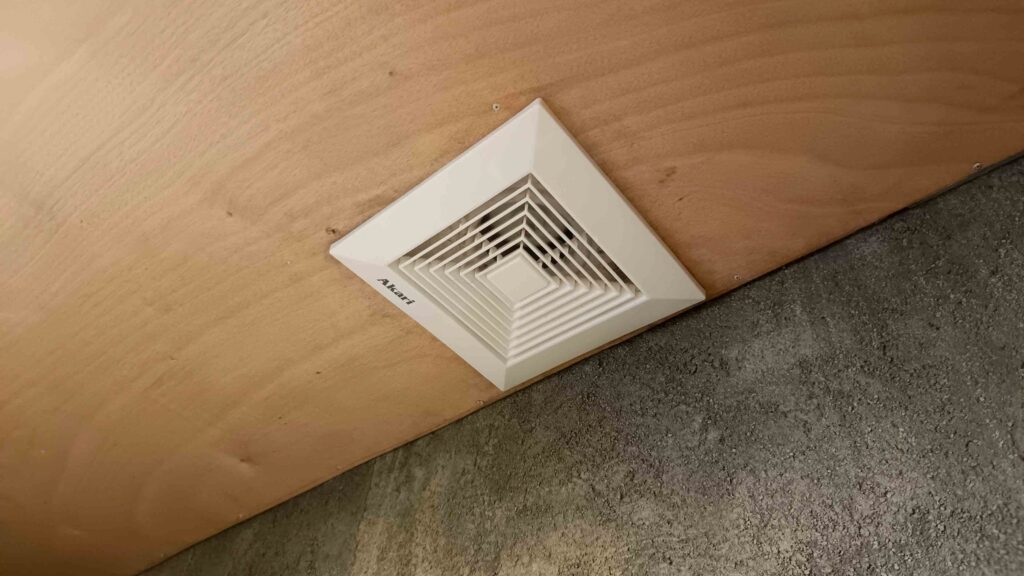 Bathrooms should smell clean, not perfumed. Address drains, damp textiles, and ventilation. A neutral bathroom is preferable to one with added fragrance.
Bedrooms and closets
These areas reveal hidden issues. Wash bedding, air out closets, and avoid scented products that can irritate sensitive visitors. Musty closets are often interpreted as a humidity problem.
Basements and utility areas
 These are high-risk zones. Remove stored items that hold odors, ventilate when possible, and address moisture directly. Even brief exposure to unpleasant smells can affect overall perception.
Investor and Seller Considerations
For sellers and investors, odor control affects both perception and risk. Smells influence how buyers interpret maintenance history and can trigger deeper scrutiny.
High-return actions include cleaning, filter replacement, minor ventilation fixes, and moisture control. Heavy spending on fragrance or cosmetic masking rarely improves outcomes.
Buyer sensitivity matters. Artificial scents can cause discomfort or suspicion, particularly for those with allergies or asthma. Neutral air is the safest, most broadly acceptable choice.
Odors can indirectly affect inspections and appraisals. Persistent smells often prompt inspectors to look harder for moisture or plumbing issues, and buyers may associate odor with deferred maintenance.
For rentals and investment properties, tenant-related odors are common. In some cases, professional remediation is more cost-effective than repeated surface cleaning and failed showings.

Final Pre-Showing Smell Checklist
24 hours before
- Remove all trash and recycling.
- Clean kitchen drains, garbage disposal, dishwasher filter, and refrigerator.
- Wash pet bedding, bath mats, and towels.
- Vacuum all floors thoroughly, including edges and under furniture.
- Replace the HVAC filter if it’s due.
Morning of
- Perform brief cross-ventilation if outdoor conditions allow.
- Wipe surfaces with low-odor cleaners.
- Dry bathrooms fully using exhaust fans.
- Remove or clean litter boxes and pet areas.
30–60 minutes before
- Run the HVAC fan to circulate filtered air.
- Check closets and unused rooms for stale air.
- Use neutral odor absorbers only where needed.
- Avoid cooking, candles, plug-ins, incense, or strong-scent cleaners.
If the house smells clean at this point, stop. Overcorrecting introduces risk.
Conclusion: Clean Air Sells Homes
A house that smells good for showing doesn’t rely on fragrance. It relies on clean materials, controlled moisture, and deliberate airflow. Buyers interpret neutral air as evidence of care and low risk.
The most reliable approach is source control first, ventilation second, and scent last—if at all. When odors persist, they often point to deeper issues worth addressing directly.
Handled correctly, smell becomes a non-issue. That’s exactly what buyers want.