
 This guide is for homeowners, DIY-inclined readers, property investors, and contractor-aware consumers who want their house to smell better quickly—without relying on heavy air fresheners or short-term cover-ups.
Whether you’re expecting guests, preparing a home for a showing, or dealing with lingering odors that keep returning, the objective is simple: remove the source of the smell first, then improve overall freshness in a way that lasts.
Quick answer: The fastest way to make a house smell good is to eliminate odor sources, increase airflow, neutralize remaining odors, and only then add a light, controlled scent if needed. Homes that smell “clean” are typically well-ventilated and odor-free—not heavily fragranced.
The steps below focus on practical methods that work in typical U.S. homes, from apartments to single-family houses, and explain why each step matters so you can make informed decisions rather than guessing.
Key Basics to Understand Before You Begin
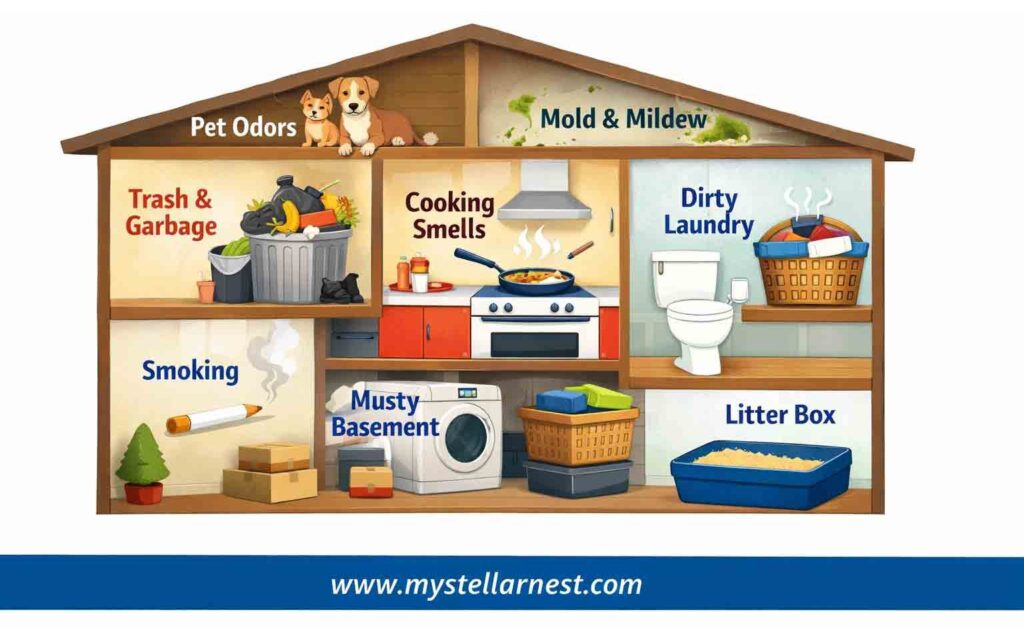
Most indoor odors come from a small number of places. In U.S. homes, the most common sources are kitchens, bathrooms, pets, HVAC systems, pests, and soft materials such as carpet, upholstery, and curtains. Hard surfaces rarely hold odor for long; smells persist because they are absorbed into porous materials or repeatedly circulated through indoor air.
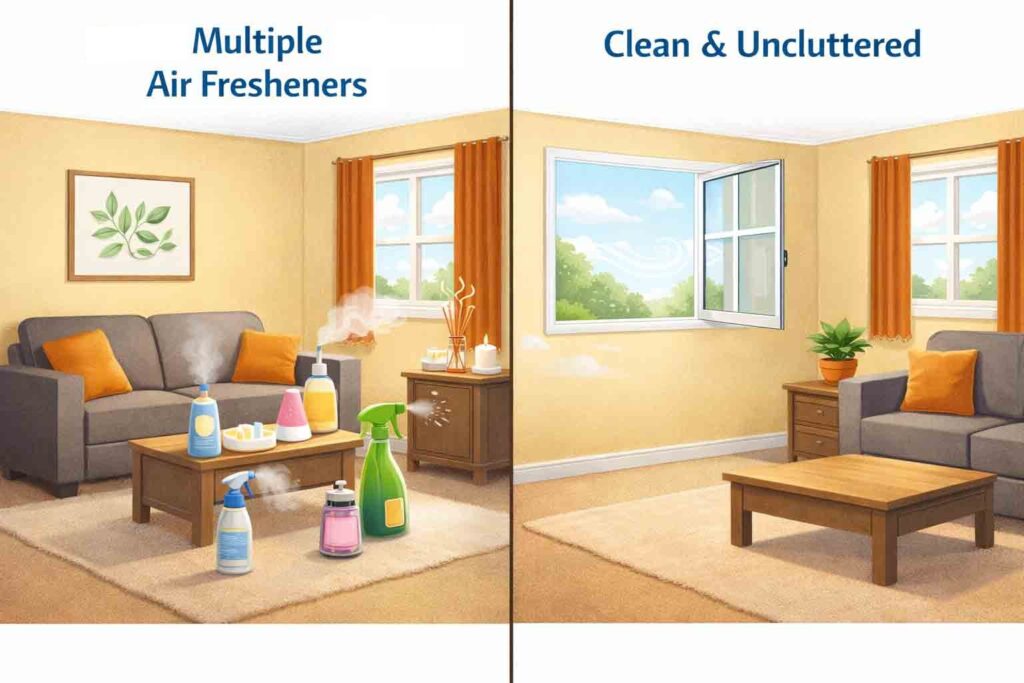
It’s also important to understand the difference between odor removal and odor masking. Fragrance products may improve how a space smells temporarily, but they do not fix the cause. This is why homes can smell strong yet still unpleasant—especially to guests who aren’t accustomed to the environment.
Airflow is often the deciding factor. Even a clean house can smell stale if air isn’t moving. Opening windows, using exhaust fans, and actively pushing old air out removes odor molecules entirely, something sprays cannot do. Always remember that air fresheners are temporary and most contain harmful chemicals.
Humidity matters as well. Higher indoor humidity allows odors to linger and contributes to musty smells. In basements, bathrooms, and humid climates, odor problems often return unless moisture is controlled.
Finally, not all smells are cosmetic. Sewer gas, fuel odors, burning smells, or strong chemical fumes should never be covered up. These point to maintenance or safety issues that must be addressed first.
Essential Tools and Materials for Fast Results

Most odor issues can be addressed with basic household items. The emphasis should be on cleaning, airflow, and odor absorption rather than fragrance.
Cleaning and airflow
- Trash bags
- Microfiber cloths or disposable wipes
- Vacuum with strong suction (HEPA preferred)
- Box fan or oscillating fan
- Access to windows or exterior doors
Odor neutralizers
- Baking soda
- White vinegar
- Activated charcoal or odor-absorbing pouches
- Dry coffee grounds (for enclosed spaces)
Natural scent sources (optional)
- Citrus peels
- Fresh herbs such as rosemary or thyme
- Cinnamon sticks or cloves
HVAC and whole-house items
- Replacement HVAC air filter (correct size)
- Mild cleaner for vent covers
- Dehumidifier if indoor humidity is high
Fabric treatments
- Spray bottle with diluted vinegar and water
- Baking soda shaker
- Upholstery-safe cleaner if needed
Pest Control
- Securing walls, ceilings, doors and windows
- Placing safe anti-pest controls in strategic parts of your home
These teshniques work because they either remove odor sources, absorb odor-causing compounds, or improve air circulation—rather than simply adding scent.
Step-by-Step Process to Improve How Your Home Smells
Follow these steps in order. Skipping ahead usually leads to results that fade quickly.
Step 1 – Eliminate the Source (Fastest Impact)
Begin by removing anything actively producing odor.
Empty all trash and recycling, including bathrooms and bedrooms, and take it fully outside. Check sinks and garbage disposals by running hot water and using ice with baking soda to break up buildup. Citrus peels can help afterward but only after the buildup is addressed.
Remove and wash pet bedding, blankets, and mats. Bathing your pets regularly will reduce the instances of leaving bad smell everywhere. Placing a shoe rack outside the main door is a practical way of keeping away the bad smell from entering the house.
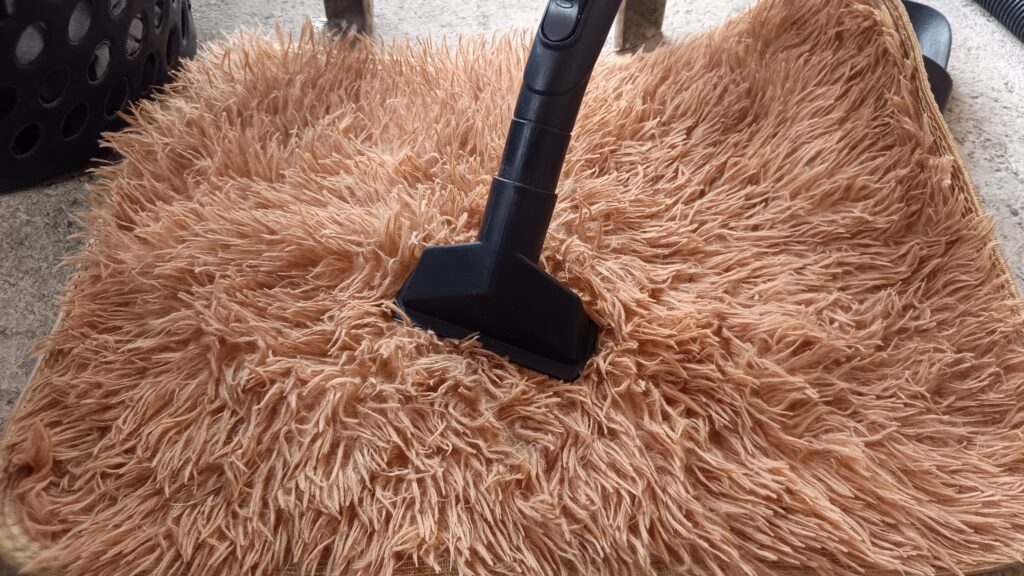
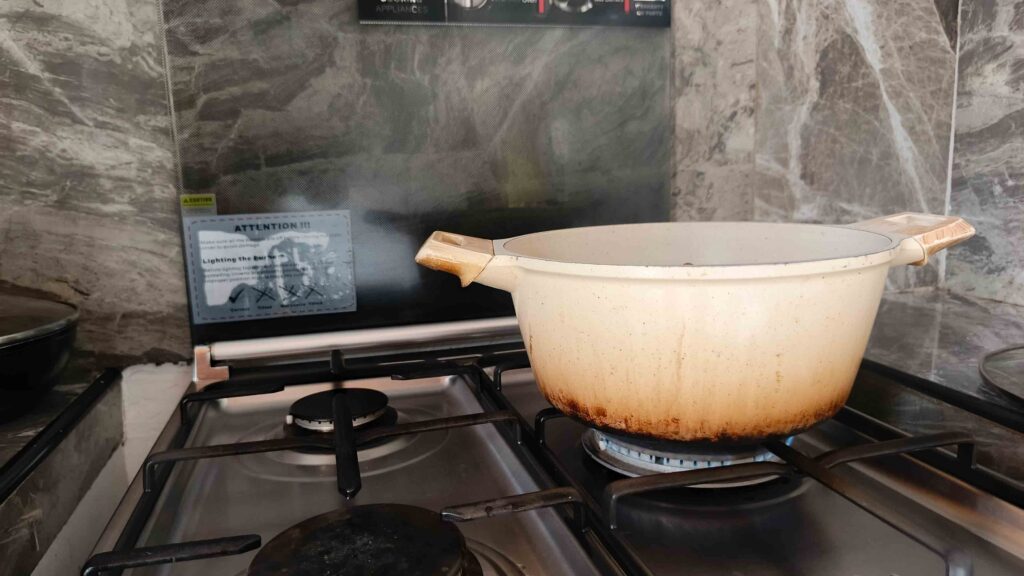
Treat carpets or rugs where pets rest with baking soda and vacuum thoroughly. Wipe down microwave interiors, stovetops, and trash can interiors, and replace damp dishcloths or sponges.
See hard to reach corners and other parts of the house if there are cockroaches or mice that also causes bad house odors.
Why this works: As long as odor sources remain inside the home, no amount of fragrance will solve the problem. Removing them often improves how the house smells within minutes.
Step 2 – Neutralize Odors Without Air Freshener
Once the source is gone, address what remains in the air and fabrics.
Ventilate the home by opening windows on opposite sides if possible. Use fans to push stale air out, not just move it around. Place baking soda, vinegar, or charcoal in problem areas such as kitchens, bathrooms, closets, or near pet zones.
Lightly deodorize soft surfaces with baking soda or a diluted vinegar spray, testing first in an inconspicuous area. If desired, use a supervised simmer pot with citrus peels or herbs to add a light, natural scent.
Why this works: Odor neutralizers absorb or bind odor molecules, while ventilation removes them completely. Treating soft surfaces prevents odors from returning later in the day.
Step 3 – Make the House Smell Good All the Time
To avoid repeating the same fixes, focus on baseline conditions.
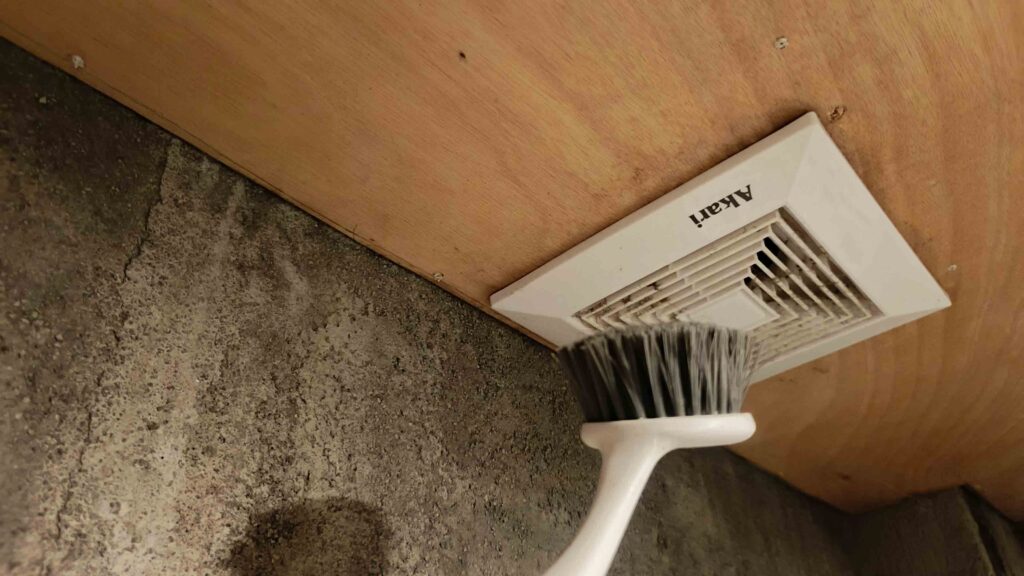
Replace HVAC air filters regularly and clean return vents. Use exhaust fans during cooking and showering. Control humidity with dehumidifiers where needed. Choose one subtle scent profile, or none at all, rather than mixing multiple fragrances.
Adopt small habits such as airing out the house, washing pet items weekly, and avoiding damp laundry sitting in machines.
Why this works: Homes that smell consistently good rely on maintenance and airflow, not frequent deodorizing.
Common Reasons Homes Still Smell Bad After Cleaning
Many odor problems persist because of approach, not effort.
Common mistakes include masking odors instead of removing them, overusing scented products, ignoring carpets and upholstery, cleaning without ventilating, using moisture-heavy methods in humid spaces, and mixing cleaning products that reduce effectiveness or create fumes.
These issues often make odors more noticeable or cause them to return quickly.
Safety, Ventilation, and Household Standards to Keep in Mind
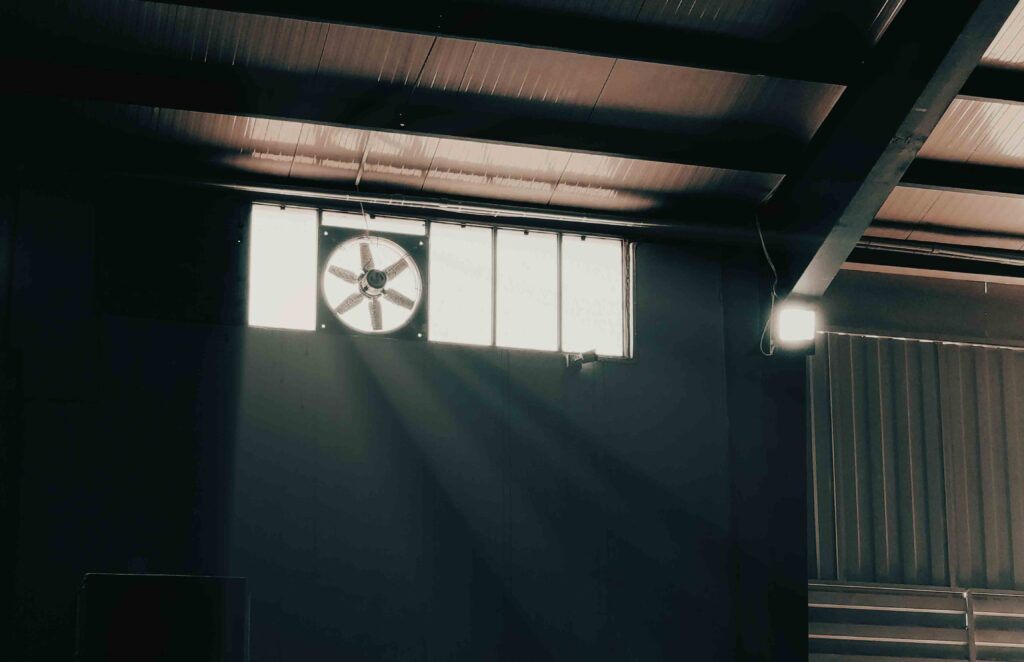
Always ventilate when cleaning or deodorizing. Never leave candles or simmer pots unattended, and avoid overloading outlets with plug-in scent devices.
Limit use of VOC-heavy products to protect indoor air quality, especially for children or sensitive individuals. Persistent musty smells may indicate moisture or mold issues, which are not cosmetic.
Sewer gas, fuel, or burning odors require immediate investigation and should never be masked. Many odor issues intersect with basic ventilation, fire safety, and habitability standards common in U.S. residential codes.
Frequently Asked Questions About Making a House Smell Good Fast
How can I make my house smell good fast before guests arrive?
Remove trash, ventilate the space, treat soft surfaces, and neutralize odors before adding any scent.
What is the best thing to make your house smell good naturally?
A clean, well-ventilated home with light natural scent added only after odors are removed.
How do you make your room smell good without air freshener?
Improve airflow, clean fabrics, and use odor absorbers like baking soda or charcoal.
Why does my house smell bad even after cleaning?
Odors are often trapped in carpets, furniture, drains, or HVAC systems rather than visible surfaces.
How do I keep my house smelling good all the time?
Maintain airflow, control humidity, clean soft surfaces regularly, and avoid over-scenting.
What smells do buyers notice first?
Pet odors, smoke, mustiness, and strong artificial fragrances.
Final Takeaways and When Professional Help Makes Sense
A house can smell good fast, but long-term freshness depends on airflow, moisture control, and routine maintenance—not repeated quick fixes.
Consider professional help if odors return within hours, if you smell sewer gas, fuel, or burning odors, if musty smells persist despite cleaning, if HVAC systems spread odors throughout the house, or if pet or smoke odors have penetrated floors or walls. Professional assistance may also be appropriate when preparing a property for sale or rental.
In these cases, HVAC technicians, plumbers, mold remediation specialists, or deep-cleaning professionals can address problems that surface-level solutions cannot.
A home that smells clean is rarely about fragrance. It’s about removing what shouldn’t be there—and keeping the air moving once it’s gone.
Pingback: How to Make a House Smell Good for Showing (Without Overdoing It) | My Stellar Nest
Pingback: How to Make Your Room Smell Good Without Air Freshener (From a Parent’s Point of View) | My Stellar Nest