
This guide is for homeowners, DIY-inclined residents, landlords, and contractor-aware consumers who want to address dry indoor air without purchasing or installing a humidifier.
Dry rooms are common in U.S. homes—especially during winter heating season, in newer airtight construction, or in dry climates. Common symptoms include dry skin and sinuses, static electricity, cracking wood floors or trim, and indoor air that feels stale even when the home is clean.

The short answer: you can make a room more humid by intentionally releasing moisture through everyday activities and by keeping that moisture from escaping too quickly. These methods don’t replace whole-house systems, but when used correctly, they can meaningfully improve comfort and how indoor air feels.
This article explains practical, equipment-free ways to add humidity, why they work, and how to avoid the moisture and odor problems that often come from trial-and-error approaches.
What to Understand Before Trying to Increase Indoor Humidity
Before adding moisture to a room, it helps to understand how indoor humidity behaves and where the limits are in a typical U.S. home. Many frustrations come from expecting permanent results from methods that are temporary by nature.
Target Humidity Range
For most homes, a relative humidity (RH) between 30% and 50% is considered comfortable and safe. Below 30%, air often feels dry and irritating. Above 50–60%, moisture-related problems become more likely.
This range matters because:
- Low humidity affects comfort, respiratory passages, and wood materials
- High humidity increases the risk of condensation and mold
- Comfort usually improves well before humidity reaches the upper end of the range
Without a hygrometer, homeowners often rely on signs like static shocks, dry throat irritation, or window condensation to judge conditions.
Limits of Non-Humidifier Methods
Making a room humid without a humidifier relies on evaporation, not mechanical output. That means:
- Results are gradual, not instant
- Smaller rooms respond faster than open layouts
- Humidity drops again once moisture sources stop
For example:
- Boiling water raises humidity quickly but briefly
- Air-drying laundry adds moisture for several hours
- Plants provide a steady but low-level effect
These methods work best when used consistently and in combination.
Heating Systems Influence Dryness
The type of heat in your home affects how dry it feels:
- Forced-air systems dry air quickly due to constant circulation
- Radiant or baseboard heat tends to preserve moisture
- Fireplaces often increase dryness by pulling air up the chimney
Homes with forced-air heating usually need multiple strategies used regularly to maintain comfort.
Why Humidity Affects How Your House Smells
Dry air doesn’t carry scent well. This is why a clean house can still smell flat or dusty in winter.
- Balanced humidity allows clean, natural smells to linger
- Very dry air exaggerates dust and fabric odors
- Adding moisture can improve indoor smell without adding fragrance
Many people searching for ways to make a house smell good are actually dealing with dryness rather than cleanliness.
Retaining Moisture Matters
Adding moisture won’t help much if it escapes immediately.
Common loss points include:
- Drafty windows and doors
- Open fireplace dampers
- Constant use of exhaust fans
Sealing obvious leaks and ventilating intentionally—rather than continuously—helps preserve indoor humidity.
Household Items That Help Add Moisture
Most ways to increase humidity without a humidifier rely on ordinary household items. The key is using them deliberately and safely.
Basic Items
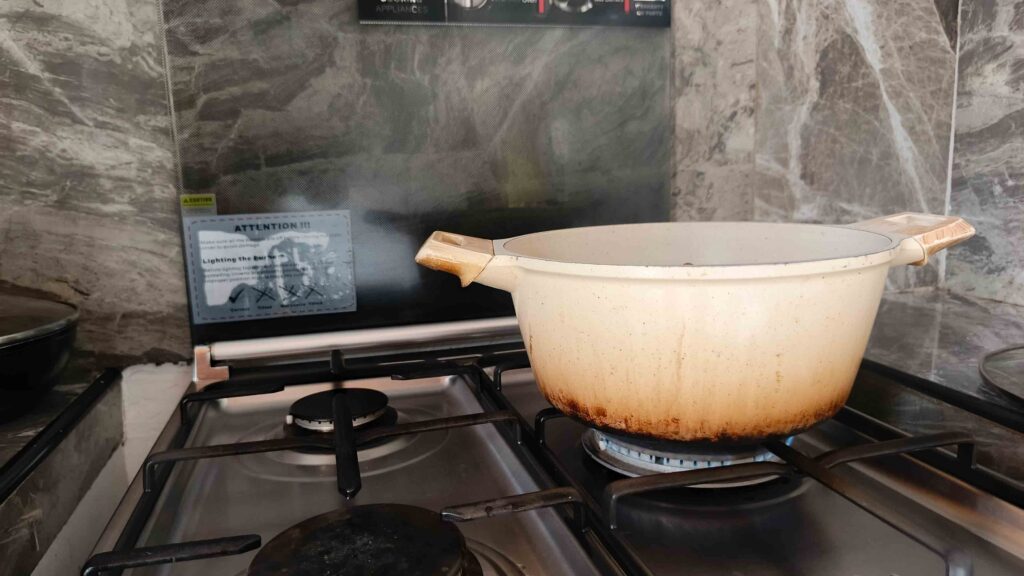
- Large pots or kettles
Used for boiling or simmering water. Larger volumes release more moisture. - Shallow bowls or heat-safe containers
Hold water for passive evaporation. Shallow containers evaporate faster than deep ones. - Drying racks or clotheslines
Allow laundry to dry indoors, releasing moisture over several hours. - Clean towels or cloths
Can be hung damp for short-term humidity boosts.
Optional but Helpful Items
- Hygrometer
Measures relative humidity and helps prevent over-humidifying. - Houseplants
Provide steady, low-level moisture and improve overall air quality. - Decorative water vessels
Pitchers or basins that can stay filled without looking temporary.
Optional Natural Scent Add-Ins
If improving indoor smell is also a goal:
- Citrus peels
- Cinnamon sticks or cloves
- Fresh herbs like rosemary or thyme
- Baking soda or charcoal for odor absorption
These support humidity or absorb odors rather than masking them.
How to Add Moisture to a Room Without Equipment
The most effective approach combines adding moisture, supporting evaporation, and keeping moisture from escaping.
Step 1: Add Moisture Through Everyday Activities
Boil or simmer water
- Use a large pot with the lid off
- Simmer for 20–60 minutes
- Stay home and monitor at all times
Why it works:
Boiling water releases steam directly into the air, making it one of the fastest non-humidifier methods. Another option is to simmer water in an old pan and add apple slices, orange peels, or cinnamon, which releases moisture and helps the house smell fresh.
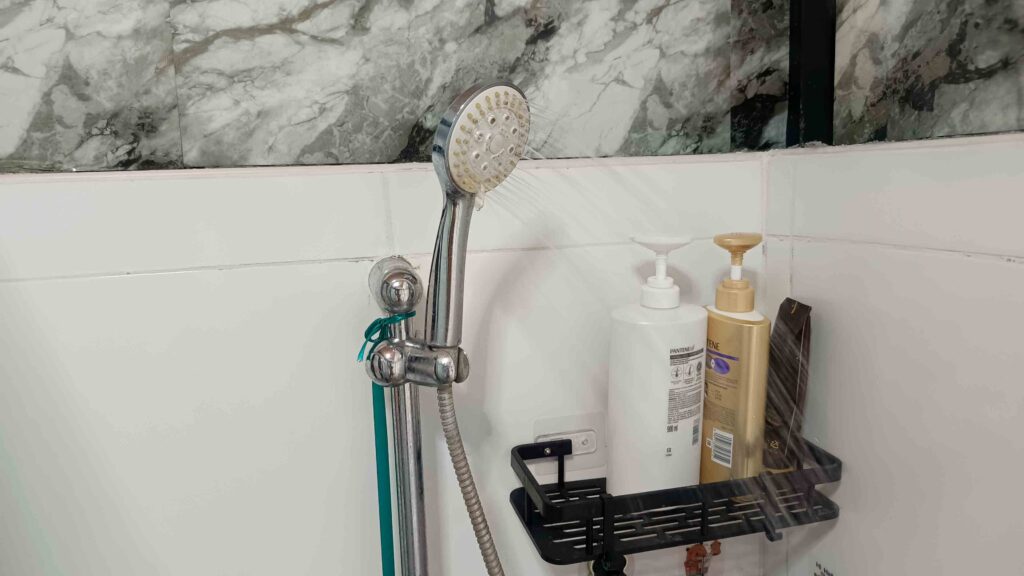
Let shower steam travel
- Leave the bathroom door open after showering
- Delay exhaust fan use by several minutes
Why it works:
Hot showers generate significant moisture that can benefit nearby rooms instead of being exhausted immediately.
Air-dry laundry indoors
- Use a rack in a dry room
- Avoid contact with walls or windows
Why it works:
As clothes dry, retained water is released into the air over several hours.
Step 2: Use Passive Moisture Sources
Place open containers of water
- Use shallow containers
- Position near gentle airflow
- Keep away from electronics
Why placement matters:
Air movement speeds evaporation. You can also run a box fan continuously for consistent white noise, which can be especially helpful if you live on a busy or noisy street.
Hang lightly damp towels
- Hang on a chair or rack
- Re-wet as needed
Why it works:
Fabric increases water’s exposed surface area, accelerating evaporation.
Group houseplants
- Cluster plants instead of spreading them out
- Place in rooms used most often
Why it works:
Grouped plants release more moisture locally through transpiration.
Step 3: Improve Moisture Retention
Reduce air leaks
- Close fireplace dampers
- Address drafts around doors and windows
Why it matters:
Constant air replacement cancels out humidity gains.
Vent strategically
- Use exhaust fans only when needed
- Avoid continuous fan operation during very dry weather
Why it works:
Purposeful ventilation maintains air quality without stripping moisture.
Manage room temperature
- Warmer air holds more moisture
- Cold rooms feel drier even at the same humidity level
Mistakes That Can Make Dry-Air Problems Worse
Over-humidifying
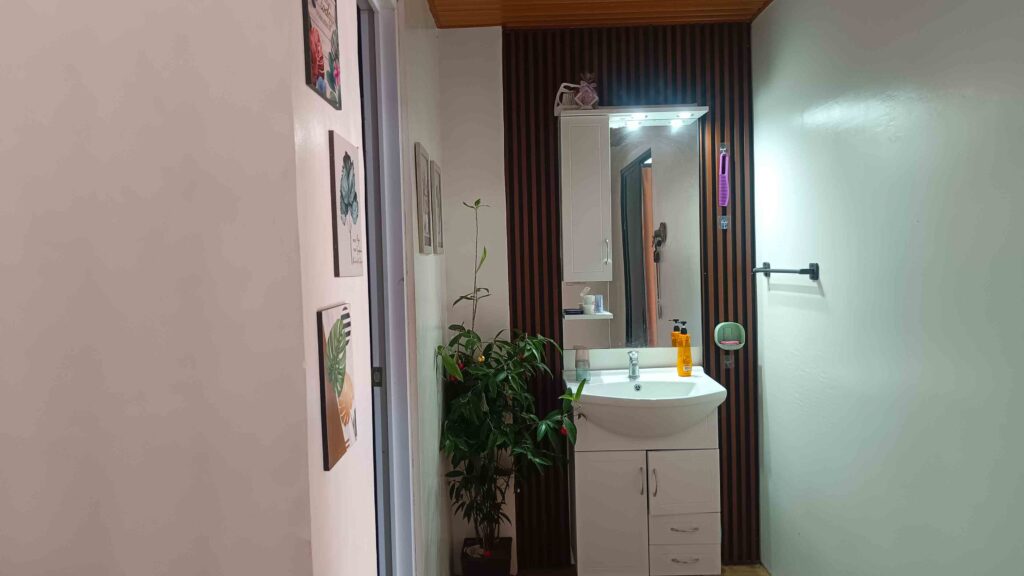
Adding too much moisture too quickly can cause condensation on windows and walls—an early warning sign of moisture problems. Wooden or plywood walls will suffer with high moisture. It will cause it to increase molds and even cracks. There are certain areas where wrong types of paints are applied which will cause it to bubble and peel. Using latex water-based paints in bathrooms is one example. Another is not using the right primer for the designed paint for final coating.
Better approach: add moisture gradually and monitor surfaces.
Poor placement of moisture sources
Water placed in stagnant corners or against surfaces evaporates poorly and increases damage risk.
Treating scent as the solution
Fragrance products don’t fix dry air. Without balanced humidity and cleanliness, odors return quickly.
Ignoring soft surfaces
Fabrics trap odors, especially in dry air. Scenting the air without cleaning carpets and upholstery rarely works. Cleaning these surfaces will take out the bad odors and keep the perfect scents you are looking for.
Expecting one method to do everything
Non-humidifier strategies are cumulative. Single tactics used briefly often disappoint.
Safety and Moisture Control Considerations
Watch for condensation
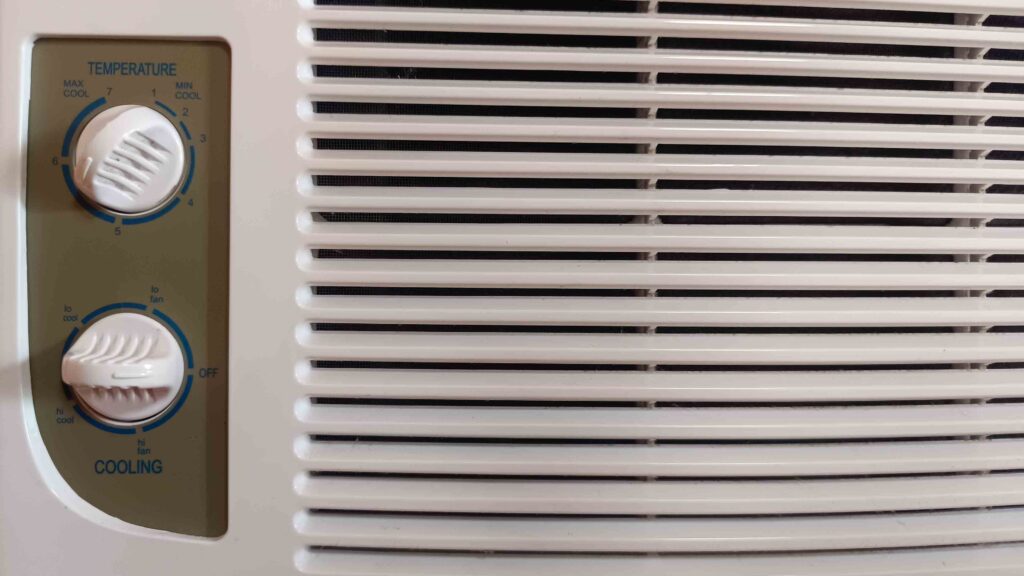
Water on windows or walls signals excessive humidity. Reduce moisture and increase ventilation if this occurs.
Maintain required ventilation
Bathrooms and kitchens are designed to exhaust moisture. Do not disable fans permanently to retain humidity.
Fire and heat safety
Never leave simmering water unattended. Do not place containers directly on heaters unless designed for it.
Electrical safety
Keep water sources away from outlets, cords, and electronics.
Rental and multifamily considerations
Avoid methods that could damage finishes or violate habitability standards. Persistent issues should be addressed professionally.
HVAC awareness
Stop adding moisture if you notice rust, damp filters, or persistent odors when HVAC systems run. These items involve material (plastics and metal components) that will affect the quality of room air when released.
Common Questions About Indoor Humidity and Smell
How do I make a room humid fast without a humidifier?
Use boiling water, shower steam, or indoor laundry drying. These methods release moisture quickly but temporarily.
How can I make my house smell good fast while adding moisture?
Simmer citrus peels or spices in water, cook moisture-rich foods, or air-dry clean laundry.
What makes your house smell good all the time naturally?
Balanced humidity, clean fabrics, controlled ventilation, and minimal artificial fragrance.
How do you make your room smell good without air freshener?
Remove odor sources, clean soft surfaces, add gentle moisture, and ventilate briefly.
Is it safe to sleep in a humid room without a humidifier?
Yes, if humidity stays below 50–60% and no condensation forms.
How long does it take to increase humidity?
Minutes with steam, hours with laundry, and days with passive methods like plants.
Are these methods safe in winter?
Yes, but monitor condensation carefully, especially on cold windows.
Final Guidance and When Professional Help Makes Sense
Final Tips
- Combine several low-impact methods for best results
- Focus on occupied rooms rather than the whole house
- Judge success by comfort improvements, not just numbers
- Adjust strategies seasonally
- Aim for clean, neutral indoor air rather than strong scent
When DIY Isn’t Enough
Consider professional help if:
- Dryness persists despite consistent effort
- Humidity drops immediately after moisture is added
- Odors appear when HVAC systems run
- Condensation or musty smells recur
- Wood materials continue to crack or shrink
Who to Contact
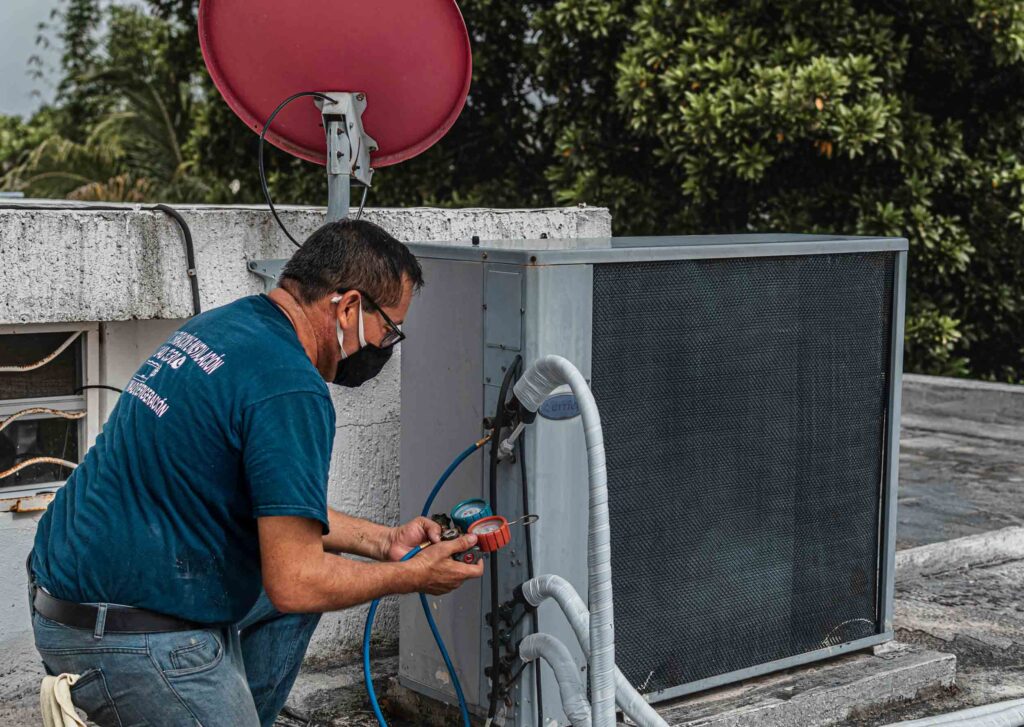
- HVAC professionals for airflow and humidity balance
- Building performance specialists for air leakage and insulation issues
- Property maintenance professionals for rental compliance concerns
Bottom Line
Making a room humid without a humidifier is about working with how homes naturally manage air and moisture. When done carefully, these methods improve comfort, reduce dryness-related irritation, and help indoor spaces feel cleaner and more balanced—without unnecessary equipment or fragrance.
If problems persist or new issues appear, that’s the point to step back and involve a professional rather than pushing DIY methods further.